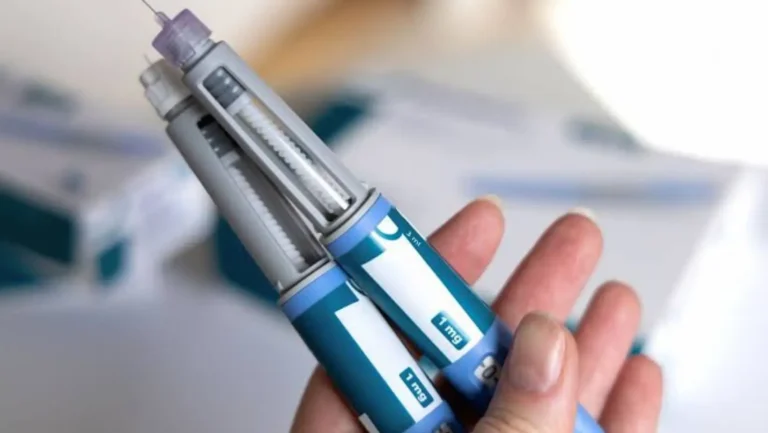

Most people taking semaglutide or tirzepatide for weight loss stay on the drug for a year or longer, and many stay on it indefinitely. How long you take GLP-1 for weight loss depends on your starting weight, your response to the drug, and whether you can keep results without it. There is no fixed stop date built into the treatment. Clinical trials that ran for two years found that people who stayed on the medication kept losing weight, while people who stopped regained a large share of it within a year.
There Is No Standard “6-Month” or “12-Month” GLP-1 Course
A lot of people search for a set number, like six months or a year, and expect a clean finish line. How long you can take GLP-1 is advised by your prescriber based on watching your weight trend, your side effects, and your labs, not by counting a calendar.
Doctors treat obesity the same way they treat high blood pressure or high cholesterol. You do not stop blood pressure medication once your numbers look good, because the numbers rise again without it. The American Association of Clinical Endocrinology says obesity is a chronic disease that needs long-term care, not a short course of treatment. That framing changes how long-term GLP-1 treatment gets planned from day one.
GLP-1 Treatment Has 3 Phases
GLP-1 treatment moves through three phases, and knowing where you stand in them tells you a lot about how long you stay on GLP-1 before your care team even discusses stopping.
Phase 1: Dose Escalation
You start on a low dose, then move up every four weeks. Semaglutide (Wegovy) begins at 0.25 mg and rises through 0.5 mg, 1.0 mg, and 1.7 mg before reaching the 2.4 mg maintenance dose, usually around week 17. Tirzepatide follows a similar step-up pattern. This slow climb exists to limit nausea, not to test whether the drug works. Weight loss during this phase is usually small.
Phase 2: Active Weight Loss
Once you reach your target dose, the real weight loss begins. Trial data on semaglutide 2.4 mg showed an average weight loss near 15% of body weight by week 68. Tirzepatide users in a 36-week open-label period lost even more, setting up an eventual 26% total loss when treatment continued past week 88. This phase can run anywhere from six months to well over a year.
Phase 3: Weight Maintenance
Once your weight levels off, you enter maintenance. This is where GLP-1 maintenance becomes the main goal instead of further loss. Your dose usually stays the same. Your prescriber shifts focus toward keeping the number steady rather than pushing it lower.
GLP-1 treatment has three phases: dose escalation (about four months), active weight loss (six months to over a year), and maintenance, which can last for years. Your current phase, not a preset calendar date, tells you how long treatment should continue.
What Happens When You Reach Your Goal Weight Through GLP-1 Treatment?
Reaching your goal weight does not automatically mean treatment ends. Your body still needs the drug’s effect on appetite and blood sugar to hold that weight steady, because the biology that drove weight gain in the first place does not disappear once the scale moves.
Continue, Modify, or Discontinue GLP-1 Treatment?
Three paths exist once you hit your goal:
- Continue at the same dose. Most people who want to hold their result choose this path, since it matches what worked in trials.
- Lower the dose. Some patients tolerate a step down to a lower maintenance dose while still holding most of their weight loss, though this needs close monitoring.
- Stop treatment with a plan. A smaller group stops entirely, usually with a structured plan for diet, activity, and check-ins already in place before the last dose.
Why Can Weight Return After Stopping a GLP-1?
GLP-1 drugs work by changing hunger signals in your brain and slowing how fast food leaves your stomach. Stop the drug, and those signals go back to their old pattern within weeks. Appetite rises, fullness fades faster after meals, and the body’s drive to regain fat mass, a process researchers call metabolic adaptation, kicks back in. This is biology, not a lack of willpower.
What Happened After Semaglutide Withdrawal?
The STEP 1 trial extension gives the clearest picture. Participants lost 17.3% of body weight after 68 weeks on semaglutide 2.4 mg. After stopping, they regained 11.6 percentage points of that loss within a year, roughly two-thirds of what they had lost. Their net loss from the entire study fell to 5.6%. A separate STEP 4 trial that withdrew treatment after only 20 weeks saw people give back about half their weight loss within the following year.
What Happened After Tirzepatide Withdrawal?
SURMOUNT-4 followed the same design with tirzepatide. Participants who stopped after a 36-week lead-in regained about 14% of their body weight over the next 52 weeks, while those who continued lost another 5.5% to 6.7% on top of their earlier result. A follow-up analysis of patients who had lost at least 10% of their body weight found that 82% regained a quarter or more of it within a year of stopping, and much of that regain came with a reversal of the blood pressure, cholesterol, and blood sugar gains they had made.
| Trial | Drug | Time on Drug Before Stopping | Average Regain After Stopping |
| STEP 4 | Semaglutide | 20 weeks | About half of lost weight within 1 year |
| STEP 1 extension | Semaglutide | 68 weeks | About two-thirds of lost weight within 1 year |
| SURMOUNT-4 | Tirzepatide | 36 weeks | About 14 percentage points within 1 year |
Does That Mean You Have to Take a GLP-1 Forever?
Not necessarily, but the trial evidence points strongly toward GLP-1 long-term use for most people who want to keep their results. A small number of patients hold weight steady after stopping through strict diet and exercise routines, but they are the exception in the data, not the rule. If you are weighing stopping GLP-1, go in knowing the odds favor regain unless you replace the drug’s effect with something else, whether that is a lower dose, a different medication, or a very structured lifestyle plan.
When Should You Reconsider Long-Term GLP-1 Treatment?
Staying on a GLP-1 is not automatic for everyone, and long-term GLP-1 treatment is not risk-free. Some people develop side effects that outweigh the benefit, or their goals change.
Reasons for Reassessment
- Ongoing nausea, vomiting, or gallbladder issues that do not improve over time.
- Pregnancy or plans to become pregnant, since GLP-1 drugs are not used during pregnancy.
- Cost or insurance coverage changes that make continued treatment impossible.
- A goal weight held steady for over a year with strong lifestyle habits already in place.
- New health conditions where a doctor advises against continuing.
If You Want to Stop a GLP-1, Build the Maintenance Plan Before the Last Dose
Building your GLP-1 weight maintenance plan before your last GLP-1 injection gives your body a better shot at holding the line.
Establish Your Maintenance Baseline
Before stopping, write down your current weight range, your recent weight trend, your hunger and fullness pattern, your waist measurement, relevant blood work such as A1C and cholesterol, and your current eating and activity routine. This baseline becomes your comparison point later.
Decide What Will Trigger Intervention
Set a specific number in advance, such as a 5% weight regain, that will trigger a call to your doctor rather than waiting to see how bad things get.
Have a Plan B
Talk with your doctor in advance about what happens if you regain weight. Options include restarting the same drug, switching to a different anti-obesity medication, adjusting the dose instead of stopping fully, or stepping up structured behavioral treatment such as a dietitian or a weight management program.
Can You Keep the Weight Off After Stopping GLP-1?
Yes, for some people, though it takes deliberate work. Success after stopping GLP-1 links closely to how much structure was already built during treatment, not just willpower afterward. People who used the active weight loss phase to build strength training habits, protein-focused eating, and consistent sleep tend to hold more of their loss than people who relied on the drug alone. Even with strong habits, most data still show partial regain is common, so realistic expectations matter more than a perfect outcome.
Bottom Line: How Long Should You Stay on a GLP-1 for Weight Loss?
You take GLP-1 for weight loss as long as it takes to reach your goal and often longer to keep it. Obesity behaves like a chronic condition, and the trial data on both semaglutide and tirzepatide back that up clearly, since stopping brings weight back for most people. Talk with your prescriber about your specific phase, your goals, and a real maintenance plan before you make any change to your dose or schedule.
FAQs
How long should you take a GLP-1 for weight loss?
Most people need at least 12 to 18 months to reach a stable goal weight, then continue into maintenance dosing for as long as the benefit outweighs side effects, often years.
Do you have to stay on a GLP-1 forever?
No. Some people step down to a lower dose or stop with a structured plan, but trial data show most who stop regain 50% to 82% of lost weight within a year.
What happens when you stop taking a GLP-1?
Appetite signals return to baseline within weeks. Hunger increases, fullness after meals fades faster, and the body’s fat-regain drive reactivates, starting weight regain within one to three months.
Will you regain weight after stopping a GLP-1?
Yes, for most people. STEP trial data show 50% to 63% regain after semaglutide, and SURMOUNT-4 shows 82% of tirzepatide users regained 25% or more within a year.
Do you stop GLP-1 medication once you reach your goal weight?
No, not automatically. Reaching goal weight starts the maintenance phase, where the same or a lower dose continues to prevent the regain seen in withdrawal trials.
Can you take GLP-1 medications long term?
Yes. STEP 5 tracked semaglutide use for two full years with sustained weight loss and no new safety signals beyond known side effects like nausea and diarrhea.
Can you maintain weight loss without a GLP-1?
Yes, but it is uncommon without major lifestyle change. Success links to strength training, high protein intake, and sleep habits built during treatment, not willpower alone after stopping.
Does a weight-loss plateau mean you should stop your GLP-1?
No. A plateau usually signals your body reached a new stable weight on the current dose. Discuss a dose review with your doctor instead of stopping outright.
Sources
- STEP 1 Trial Extension, Diabetes, Obesity and Metabolism (2022)
- STEP 4 Trial, JAMA (2021)
- STEP 5 Trial, Nature Medicine (2022)
- SURMOUNT-4 Trial, JAMA (2023) coverage, HCPLive
- SURMOUNT-4 Post Hoc Analysis, JAMA Internal Medicine, American College of Cardiology summary
- Tirzepatide and Health-Related Quality of Life in SURMOUNT-4, NCBI PMC
- AACE Consensus Statement on Obesity/Adiposity-Based Chronic Disease, 2025 Update
- Review of Current Guidelines for the Treatment of Obesity, AJMC
- Pharmacologic Treatment of Overweight and Obesity in Adults, Endotext, NCBI Bookshelf
- Wegovy Dosing Information, Novo Nordisk NovoMedLink
Medical Disclaimer: This article is for general education only. It does not replace medical advice from your doctor. Talk to a licensed healthcare provider before starting, changing, or stopping any GLP-1 medication.