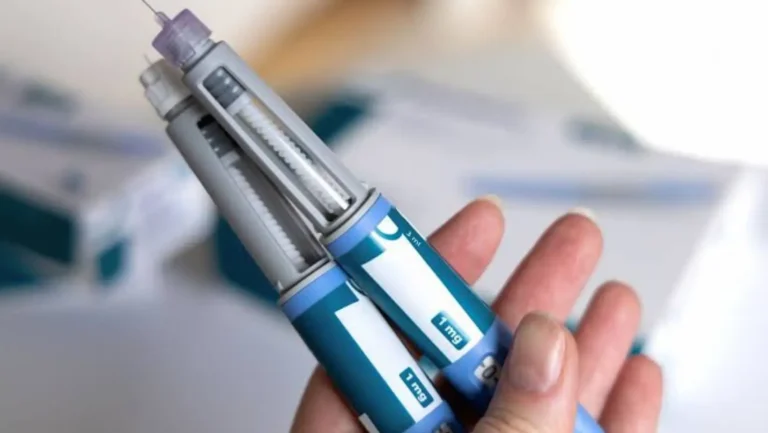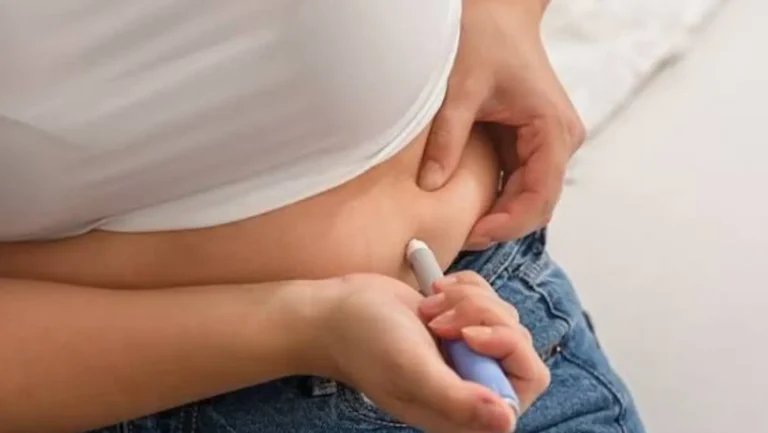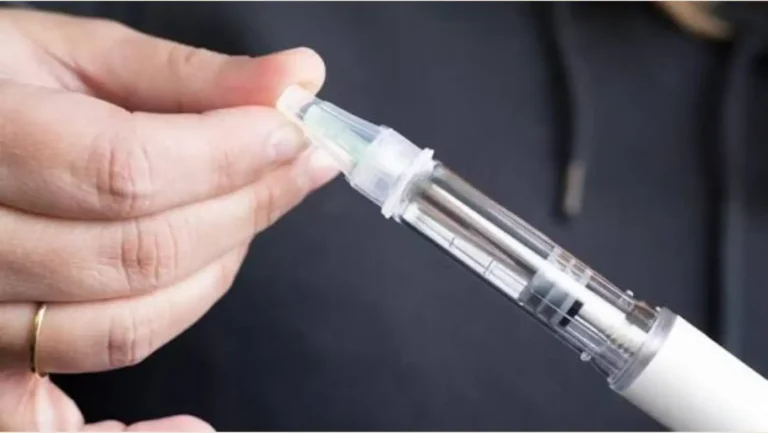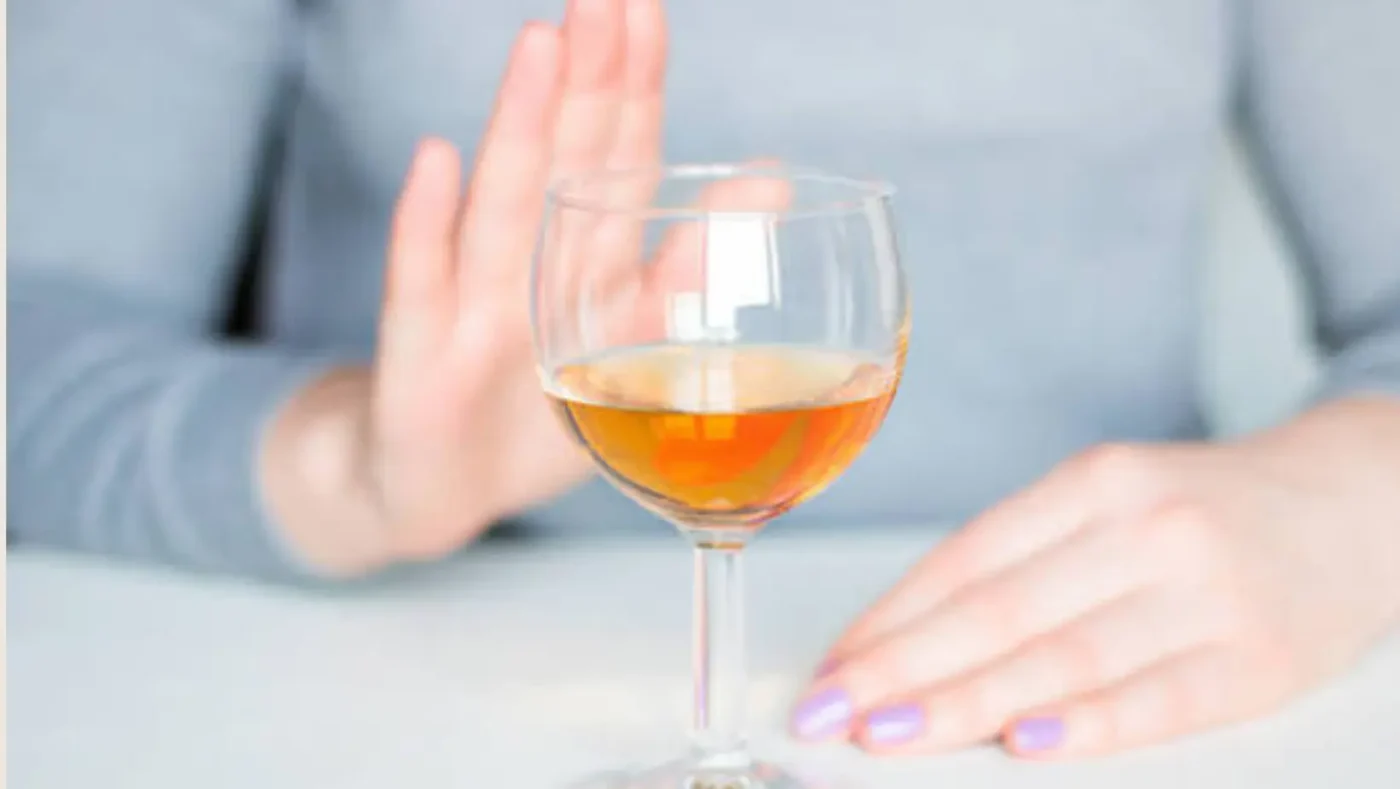

You can drink alcohol while taking GLP-1 medications; most adults can drink in moderation, but alcohol raises your risk of low blood sugar, nausea, dehydration, and slower weight loss. There is no known direct drug interaction, yet the combined side effects can hit harder than either substance alone.
GLP-1 drugs like semaglutide (Ozempic, Wegovy) and tirzepatide (Mounjaro, Zepbound) now reach roughly 1 in 8 U.S. adults, according to a 2025 KFF poll. That popularity means millions of people are asking the same question before a dinner out or a holiday party. This guide covers the real risks, who should skip alcohol completely, and how to drink more safely if your doctor gives you the green light.
Can You Drink Alcohol While Taking a GLP-1?
For most healthy adults without diabetes or a history of pancreatitis, an occasional drink is not dangerous. The bigger issue is that GLP-1 drugs slow stomach emptying, so alcohol lingers in your gut longer and its effects feel stronger and last longer than you expect.
Is Alcohol Safe With GLP-1 Medications?
Doctors have not found a direct chemical interaction between alcohol and GLP-1 drugs. Marc-Andre Cornier, M.D., director of Endocrinology at the Medical University of South Carolina, has stated there is no known direct interaction between GLP-1s and alcohol. That said, safe does not mean risk-free. Your stomach empties slower on these drugs, so alcohol absorbs unevenly and can hit you harder on an empty stomach.
Does Moderate Drinking Increase the Risk?
Moderate drinking, defined by the CDC as up to one drink a day for women and two for men, carries a lower but real risk. You can drink alcohol while taking GLP-1 at this level, but even moderate intake can worsen nausea, cause a sudden sugar dip, or leave you feeling far more intoxicated than usual on the same amount.
Who Should Avoid Alcohol Completely?
Some people need a firm no. Avoid alcohol completely if you have a personal history of pancreatitis, active gastroparesis, alcohol use disorder, liver disease, or if you take insulin or sulfonylureas alongside your GLP-1. These combinations raise your risk of severe complications far above the general population.
Risks of Drinking Alcohol While Taking a GLP-1
You cannot drink alcohol while taking GLP-1 without any downside at all. Five specific risks show up again and again in clinical guidance: low blood sugar, worse nausea, dehydration, stalled weight loss, and a small but real pancreatitis risk. Knowing each one helps you decide what fits your health picture.
Increased Risk of Low Blood Sugar
Your liver normally releases stored sugar to keep your blood glucose steady. Alcohol blocks this process for several hours. Combine that with a GLP-1 drug, which already lowers blood sugar, and you get a higher chance of hypoglycemia, especially if you drink on an empty stomach or take insulin.
Worsening Nausea and Digestive Side Effects
GLP-1 medications already slow digestion, which is why nausea is one of the most common side effects. Alcohol irritates your stomach lining and slows digestion further. Drinking on a GLP-1 often means stronger nausea, vomiting, or stomach pain than either the drug or the alcohol would cause on its own.
Dehydration
Alcohol is a diuretic, so it pulls water out of your body through frequent urination. GLP-1 side effects like vomiting or diarrhea already put you at risk for fluid loss. Stacking the two raises your chance of headaches, dizziness, and in severe cases, kidney strain from dehydration.
Reduced Weight Loss Progress
A single glass of wine runs about 120 calories, and a beer or cocktail can carry even more. Alcohol also lowers your inhibitions around food choices, which can undo the appetite control your GLP-1 provides. Regular drinking slows the weight loss most people start these medications to achieve.
Increased Risk of Pancreatitis
GLP-1 drugs carry an FDA label warning for acute pancreatitis, even though large studies show the overall risk stays under 1%. Heavy alcohol use is a well-established, separate cause of pancreatitis on its own. Combining heavy drinking with a GLP-1 is not a proven multiplier, but doctors still treat it as an added precaution for anyone with prior pancreas problems.
How to Drink Alcohol More Safely on a GLP-1
You can drink alcohol while taking GLP-1 and still stay safe if you plan ahead. Five habits lower your risk significantly: eating first, choosing lower-sugar drinks, limiting your total intake, staying hydrated, and knowing when to skip alcohol altogether.
Eat Before You Drink
Never drink on an empty stomach while on a GLP-1. Food slows alcohol absorption and helps protect your blood sugar from a sudden crash. A meal with protein and fiber works best, since it digests slowly and keeps sugar levels steadier through the evening.
Choose Lower-Sugar Alcoholic Drinks
Sugary cocktails and sweet wines spike your blood sugar first, then crash it later, which is the worst pattern for someone on a GLP-1. Dry wine, light beer, and spirits mixed with soda water are gentler choices. Skip sugary mixers like regular soda, juice, or flavored syrups.
| Drink Type | Approx. Calories | Blood Sugar Impact | GLP-1 Friendliness |
| Dry wine (5 oz) | 120-125 | Moderate | Better choice |
| Light beer (12 oz) | 100-110 | Low-moderate | Better choice |
| Spirit + soda water | 90-100 | Low | Better choice |
| Regular beer (12 oz) | 150-200 | Moderate | Use caution |
| Sweet cocktail | 200-300+ | High spike, then crash | Avoid or limit |
| Sweet dessert wine | 150-200 | High | Avoid or limit |
Limit the Amount You Drink
Stick to one drink at a time and space it out over an hour or more. Your slower digestion means alcohol builds up in your system differently than before you started the medication. Many patients report feeling drunk faster and staying impaired longer on the same amount they used to handle easily.
Stay Hydrated
Drink a full glass of water between each alcoholic drink. This single habit cuts your dehydration risk, eases next-day nausea, and helps your body process alcohol more evenly alongside your medication.
Know When to Skip Alcohol
Skip alcohol entirely during your first four to six weeks on a new GLP-1 dose, right after a dose increase, or on any day you already feel nauseated. Your body is still adjusting, and adding alcohol during this window makes side effects far more likely.
FAQs
Can you drink alcohol while taking a GLP-1?
Yes, most adults without diabetes, pancreatitis history, or alcohol use disorder can drink in moderation. Eat first, limit intake to one drink, and watch for stronger nausea or lightheadedness than usual.
Can alcohol make GLP-1 side effects worse?
Yes. Alcohol slows digestion further and irritates your stomach lining, which intensifies nausea, vomiting, and stomach pain that GLP-1 drugs already cause in roughly 20% of users during dose escalation.
Does alcohol affect GLP-1 weight loss results?
Yes. A single cocktail can add 200 to 300 calories, and alcohol weakens appetite control, the exact mechanism GLP-1 drugs rely on. Regular drinking measurably slows weight loss progress over months.
What alcoholic drinks are best while taking a GLP-1?
Dry wine, light beer, and spirits mixed with soda water cause the smallest blood sugar swings. Sweet cocktails, dessert wines, and sugary mixers cause spikes and crashes and should be limited.
Can you drink alcohol on the same day as your GLP-1 injection?
Yes, but wait several hours and eat a full meal first. Injection-day nausea is common, and alcohol on top of a fresh dose increases the chance of stomach upset that day.
Can GLP-1 medications increase the effects of alcohol?
Yes. Slower gastric emptying keeps alcohol in your stomach longer, so it absorbs unevenly and can make you feel intoxicated faster and stay impaired longer than the same amount did before treatment.
Should people with diabetes avoid alcohol while taking a GLP-1?
Not necessarily, but caution matters more. Diabetes already raises hypoglycemia risk, and alcohol blocks your liver from releasing stored sugar for hours, so blood sugar checks before and after drinking help.
When should you avoid drinking alcohol on a GLP-1?
Avoid it during your first four to six weeks on a new dose, right after any dose increase, on days you feel nauseated, or if you have a personal pancreatitis history.
Can alcohol increase the risk of pancreatitis with GLP-1 medications?
Heavy alcohol use is an established, independent cause of pancreatitis. GLP-1 drugs carry a separate FDA pancreatitis warning. Combining heavy drinking with a GLP-1 adds extra caution, especially with prior pancreas problems.
When should you talk to your doctor about drinking alcohol on a GLP-1?
Talk to your doctor before your first drink on the medication, after any dose change, or if you notice stronger nausea, dizziness, or blood sugar swings than usual after drinking.
Sources
- KFF Health Tracking Poll on GLP-1 Use
- FDA Drug Safety Communication on Incretin Mimetics and Pancreatitis
- CDC Dietary Guidelines: Moderate Alcohol Consumption
- National Institute of Diabetes and Digestive and Kidney Diseases (NIDDK): GLP-1 Medications
- American Diabetes Association: Standards of Care
- Mayo Clinic: Semaglutide (Ozempic, Wegovy) Overview
- Cleveland Clinic Journal of Medicine: GLP-1 Receptor Agonists and Pancreatitis
- Diabetes Research and Clinical Practice: Pancreatitis Incidence With GLP-1RA Therapy
- Journal of Clinical Medicine: Pancreatitis Risk in GLP-1 RA Users, Propensity-Matched Analysis
- Scientific Reports (Nature): Physiological Effects of GLP-1 Receptor Agonists During Alcohol Consumption