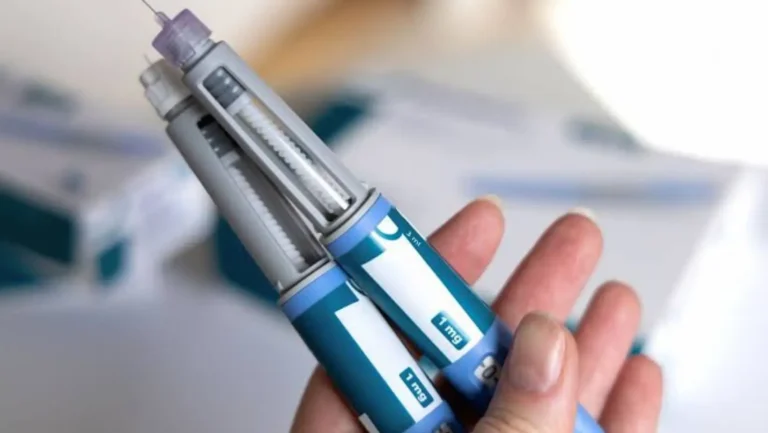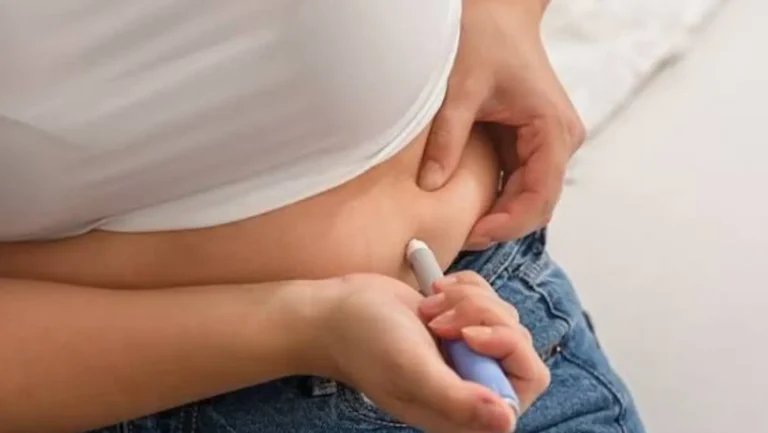

There is no special medical formula for how much water to drink on GLP-1s. Healthy adults need about 2.7 liters (91 oz) of total water a day for women and 3.7 liters (125 oz) for men, according to the National Academies of Sciences, Engineering, and Medicine. That number includes water from food, not just from a bottle. GLP-1 drugs like Ozempic, Wegovy, Mounjaro, and Zepbound can shrink your appetite and slow digestion, so your fluid habits often need a second look once you start one.
There Isn’t One Fixed “GLP-1 Water Number”
GLP-1 water intake does not have its own official target. The National Academies set adequate intake levels for the general population, and GLP-1 users simply follow the same baseline, then adjust for their own body and symptoms.
| Group | Total water (food + drinks) | From beverages alone |
| Women | 2.7 L (91 oz / about 11.5 cups) | 2.2 L (74 oz / about 9 cups) |
| Men | 3.7 L (125 oz / about 15.5 cups) | 3.0 L (101 oz / about 13 cups) |
About 20% of total water comes from food, so nobody needs to chug a full 91 or 125 ounces of plain water. These are adequate intake values. A person’s real number moves up or down based on body size, climate, exercise, sweat, food volume, vomiting or diarrhea, kidney or heart conditions, and other medications. This is why how much water to drink on GLP-1s always depends on the person asking.
Why GLP-1s Can Make Dehydration More Likely
GLP-1 dehydration happens when you drink less without meaning to, and you lose more fluid through side effects. Both can happen in the same week, especially right after a dose increase.
You May Be Drinking Less Without Noticing
GLP-1 drugs slow how fast the stomach empties. Food and liquid sit there longer, so you feel full sooner. Many people quietly cut back on beverages along with meals, not on purpose, just because nothing sounds appetizing. This is a common, under-discussed driver of GLP-1 water intake dropping below normal.
GI Side Effects Can Increase Fluid Losses
The FDA’s prescribing information for semaglutide and tirzepatide drugs warns that nausea, vomiting, and diarrhea can lead to dehydration and, in some reported cases, acute kidney injury requiring hospital care.
GLP-1 use triggers nausea or diarrhea, which reduces intake and increases fluid loss at the same time, which lowers blood volume, which can strain the kidneys. GLP-1 dehydration symptoms tend to show up fastest during the first few weeks on a dose or right after a dose increase, which is exactly when Ozempic water intake habits get disrupted the most.
Feeling Too Full to Drink? Change How You Hydrate
If fullness is blocking your fluid intake, the fix is not forcing more water at once. It’s spreading smaller amounts across the day and counting fluids you already eat. This single shift solves most hydration complaints on GLP-1 without adding any new habit.
Sip, Don’t Catch Up
Drinking 20 ounces in one sitting on a GLP-1 stomach often triggers nausea or bloating. Small sips every 20 to 30 minutes work better than three big glasses. Keep a bottle within reach and take a few swallows between tasks instead of saving it for meals.
Separate Drinking From Big Meals
If liquid with food makes you feel stuffed faster, drink most of your fluids between meals instead of during them. This protects your appetite for actual nutrition while still supporting steady Wegovy hydration or GLP-1 water intake across the day.
Count More Than Plain Water
Water is not the only fluid that counts. Milk, herbal tea, broth, decaf coffee, and high-water foods like watermelon, cucumber, and soup all add to your daily total. Someone eating very little solid food needs to lean harder on liquids to close the gap.
Do You Need Electrolytes on a GLP-1, or Just Water?
Plain water is enough on a normal day. Electrolytes matter once you are losing fluid through vomiting, diarrhea, heavy sweat, or very low food intake, because those losses take sodium and potassium with them, not just water. The CDC specifically advises oral rehydration solutions, not sports drinks, for real diarrhea losses, since standard sports drinks do not replace electrolytes in the right ratio for illness. For everyday tirzepatide hydration or Mounjaro water intake, skip the electrolyte packets unless you’re sick, sweating heavily, or your clinician has told you to use them.
How Can You Tell If You’re Drinking Enough?
Urine color is the fastest home check. Pale yellow, almost straw-colored urine usually means you’re hydrated. Dark yellow or amber urine is a signal to drink more right away, according to Cleveland Clinic urology guidance. Thirst is a real signal too, though it lags behind actual fluid loss in older adults, so don’t wait for it as your only cue. Combine urine color, thirst, and how often you’re urinating for the clearest picture of your GLP-1 dehydration symptoms risk, especially during a dose change.
Constipated on a GLP-1? More Water Isn’t Always the Whole Solution
Water helps constipation, but it rarely fixes it alone on a GLP-1. These drugs slow gut motility directly, and slower transit means the colon pulls more water out of stool no matter how much you drink. Add in lower food volume and lower fiber intake from eating less overall, and constipation becomes a multi-part problem. Fixing GLP-1 hydration is one piece. Rebuilding fiber intake gradually, staying physically active, and asking your prescriber about a slower dose increase usually matter just as much as the glass of water.
A Practical GLP-1 Hydration Plan
Use this as a daily framework rather than a rigid rule.
- Morning: Start drinking before you feel thirsty. Thirst arrives after mild fluid loss has already started.
- Across the day: Spread fluids in small amounts instead of drinking large volumes at once.
- Meals: If fluid with food worsens fullness, shift more of your GLP-1 water intake to the gaps between meals.
- Exercise or heat: Add extra fluid to match sweat losses on hot days or workout days.
- Vomiting or diarrhea: Move beyond plain water. Ask about an oral rehydration solution, and call your prescriber if losses continue past 24 hours.
- Daily check-in: Look at thirst, urine color, and any GI symptoms together, not in isolation.
- Dose-escalation weeks: Pay closer attention to hydration on GLP-1 right after any dose increase, since side effects peak here.
- Medical conditions: Follow your own doctor’s fluid limits if you have heart failure, kidney disease, or take diuretics, instead of generic online targets.
Bottom Line: How Much Water Should You Drink While Taking a GLP-1?
How much water to drink on GLP-1s still starts at the same baseline as everyone else: roughly 91 ounces a day for women and 125 ounces for men, counting food and drinks together. What changes on a GLP-1 is the risk of falling short of that number without noticing, plus the added fluid loss from nausea, vomiting, or diarrhea. Whether you’re tracking semaglutide water intake on Ozempic or Wegovy, or tirzepatide hydration on Mounjaro or Zepbound, the plan is the same: sip steadily, count food and drinks together, watch your urine color, and call your prescriber early if GI symptoms stick around.
FAQs
How much water should I drink while taking a GLP-1?
Aim for the standard adult range, about 91 oz for women and 125 oz for men, from food and drinks combined. Adjust upward for heat, exercise, or GI side effects, and downward only if your doctor has set fluid limits.
Do GLP-1 medications make you dehydrated?
Yes, indirectly. GLP-1 drugs can trigger nausea, vomiting, or diarrhea, and the FDA has linked these losses to dehydration and, in rare cases, acute kidney injury requiring dialysis.
Should you drink more water on semaglutide?
Not automatically. Match the standard adult target first, then increase only if you’re sweating more, eating less, or losing fluid through vomiting or diarrhea.
Do you need electrolytes while taking a GLP-1?
No, not on a normal day. Electrolytes become useful during vomiting, diarrhea, or heavy sweating, since those losses remove sodium and potassium along with water.
Can drinking more water help GLP-1 constipation?
Partly. Slower gut motility, not just low fluid, drives most GLP-1 constipation, so water alone often isn’t enough without added fiber and activity.
What are the signs of dehydration on a GLP-1?
Dark yellow urine, dry mouth, dizziness when standing, low urine output, and unusual fatigue. Report ongoing vomiting or diarrhea with these signs to your prescriber.
Can you drink too much water on a GLP-1?
Yes, though it’s rare. Chugging large volumes on a slowed stomach can cause nausea and bloating, and extreme overdrinking can dilute blood sodium.
What should you drink if a GLP-1 causes vomiting or diarrhea?
An oral rehydration solution such as Pedialyte, not a sports drink. The CDC notes sports drinks don’t replace lost electrolytes in the right balance for illness.
Sources
- National Academies of Sciences, Engineering, and Medicine: Dietary Reference Intakes for Water
- National Academies: Report Sets Dietary Intake Levels for Water, Salt, and Potassium
- FDA: OZEMPIC (semaglutide) Prescribing Information
- FDA: WEGOVY (semaglutide) Prescribing Information
- GoodRx Health: GLP-1 Medications and Kidney Disease
- Harvard T.H. Chan School of Public Health: How Much Water Do You Need?
- Cleveland Clinic: Urine Color, What It Says About Your Health
- CDC: Clinician Brief on Food Safety and Oral Rehydration
- NCBI/PMC: Clinical Consequences of Delayed Gastric Emptying With GLP-1 Receptor Agonists and Tirzepatide
- NIDDK: Symptoms and Causes of Viral Gastroenteritis
This article is for general information only. It does not replace advice from your doctor, pharmacist, or dietitian. Talk to your prescriber before changing your fluid intake, especially if you have kidney disease, heart failure, or take diuretics.