
You can boost GLP-1 naturally to a real but limited degree. Eating protein, fermentable fiber, and unsaturated fat triggers gut cells to release more of your own GLP-1 after meals, and this response shows up in blood tests within minutes.
But natural GLP-1 does not work like a weekly injection. Your body builds and destroys this hormone in under two minutes, so food-based strategies raise it for a short window instead of keeping it switched on all day. Semaglutide and tirzepatide get around that limit by resisting breakdown, which is why they produce stronger and longer effects than diet alone.
This guide covers the foods, meal patterns, gut bacteria, and exercise habits research links to a stronger GLP-1 response. It also flags where the science stops and the marketing begins.
What Does “Boosting GLP-1 Naturally” Actually Mean?
Increasing GLP-1 naturally means that when food enters your intestine, nutrient sensors on L-cells detect protein, fat, or fiber breakdown products, and the cells release GLP-1 into your blood. That GLP-1 then helps your pancreas release insulin, slows digestion, and signals to your brain that you are full.
Active GLP-1 has a plasma half-life of about one to two minutes before an enzyme called DPP-4 breaks it down. Your gut keeps making small pulses of it after every meal, but each pulse fades fast. This is normal, healthy physiology.
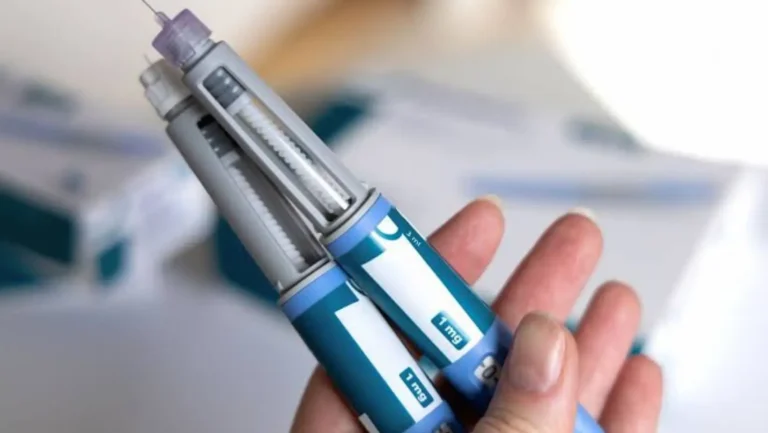
Natural GLP-1 is not natural Ozempic. Semaglutide is built to resist DPP-4, so it stays active for roughly a week per dose. No food, spice, or supplement can copy that chemistry. Diet changes work by making your own short pulses slightly bigger, not by extending how long GLP-1 stays active.
Which Foods and Nutrients Actually Stimulate GLP-1?
Foods that increase GLP-1 give L-cells something specific to detect, whether that is amino acids, short-chain fatty acids from fermented fiber, or long-chain unsaturated fats. Whole, minimally processed meals built around these three inputs produce a bigger GLP-1 rise than refined, low-fiber meals do.
Protein and amino acids
Protein is one of the strongest triggers researchers have identified. A 2024 review in the American Journal of Clinical Nutrition described how whey protein consistently raised post-meal GLP-1 compared with a placebo drink in adults with type 2 diabetes.
Specific amino acids, including glutamine and alanine, activate L-cells directly. Calcium eaten alongside protein appears to strengthen this effect further, based on a 2021 narrative review of protein- and calcium-mediated GLP-1 secretion.
Practical takeaway: a meal built around eggs, fish, poultry, tofu, or Greek yogurt gives your gut more raw material to work with than a carb-only meal does.
Fermentable fiber and resistant starch
Fiber that resists digestion in your small intestine travels to your colon, where gut bacteria ferment it into short-chain fatty acids such as butyrate and propionate. Those fatty acids bind receptors on L-cells and directly stimulate GLP-1 naturally. A 2026 scoping review in Frontiers in Endocrinology found that viscous fibers like glucomannan and guar gum produced the most consistent GLP-1 increases among the fiber types studied.
Good sources include:
- Oats and barley
- Cooked and cooled potatoes or rice (resistant starch forms as they cool)
- Beans, lentils, and chickpeas
- Green bananas
Unsaturated fats
Long-chain unsaturated fatty acids, the kind found in olive oil, nuts, and fatty fish, bind a receptor called FFAR1 on L-cells and trigger GLP-1 release. Saturated fat does not activate this pathway the same way. Swapping butter for olive oil in a meal is a small change with a measurable hormonal effect.
Stop Looking for a “GLP-1 Food”: Build a GLP-1-Supportive Meal Instead
GLP-1 boosting foods work best stacked together in one meal, because protein, fiber, and fat trigger separate receptor pathways on the same L-cells at the same time. A meal that hits all three tends to produce a larger, longer GLP-1 response than any single food eaten alone.
The Protein + Plant + Fermentable Carb + Unsaturated Fat Framework
| Meal component | Examples | Why it matters |
| Protein | Eggs, salmon, chicken, tofu, Greek yogurt | Amino acids directly trigger L-cell hormone release |
| Fiber-rich plant food | Leafy greens, broccoli, berries | Adds bulk and slows digestion, extending nutrient contact with L-cells |
| Fermentable carb | Lentils, oats, cooled rice, beans | Feeds gut bacteria that produce GLP-1-stimulating short-chain fatty acids |
| Unsaturated fat | Olive oil, avocado, walnuts, fatty fish | Activates the FFAR1 receptor pathway on L-cells |
A simple example: grilled salmon, a lentil and greens salad, and a drizzle of olive oil covers all four categories in one plate.
Your Gut Microbiome May Be Part of the GLP-1 Equation
Natural GLP-1 foods only work as well as the bacteria fermenting them. Short-chain fatty acids, especially propionate and butyrate, activate receptors called FFAR2 and FFAR3 on L-cells, and propionate is the strongest activator of the two. A 2019 study published in the Journal of Clinical Endocrinology found that circulating short-chain fatty acid levels correlated with GLP-1 concentrations and insulin sensitivity in humans.
Can Exercise Increase GLP-1 Naturally?
Regular exercise changes how your gut responds to food, even without direct food intake during the workout. A 2019 study in Endocrine Connections found that men with higher habitual physical activity had lower fasting GLP-1 but a bigger GLP-1 rise after eating, suggesting exercise sensitizes L-cells rather than keeping them constantly active.
A 2025 randomized trial in the journal Obesity followed 195 adults with obesity for one year after weight loss. The group assigned to structured exercise increased late-phase post-meal GLP-1 response, while usual daily activity did not produce the same change. A separate crossover trial found that moderate-intensity continuous exercise raised GLP-1 one hour after a workout more than high-intensity intervals did in men with obesity.
Do “Natural GLP-1 Boosters” and Supplements Work?
Many supplement labels borrow language from natural alternatives to GLP-1 medications without matching the pharmacology behind that claim. Berberine, apple cider vinegar, and cinnamon extract have some evidence for modest blood sugar effects, but human data directly linking them to meaningful, sustained GLP-1 increases is thin or missing.
Glucomannan and psyllium have the strongest supplement-category evidence, because they are viscous fibers that slow gastric emptying and ferment into short-chain fatty acids, the same mechanism whole-food fiber uses. Even here, the GLP-1 rise is smaller and shorter than what a prescription GLP-1 receptor agonist produces.
Watch for this red flag: any product marketed as a direct “natural Ozempic” is overstating what food-based GLP-1 stimulation can do. No oral supplement has been shown to replicate the sustained receptor activation of an injectable GLP-1 medication.
How Much Can Natural GLP-1 Strategies Really Do?
Diet and exercise can raise post-meal GLP-1 by a measurable percentage, improve satiety for a few hours, and support better blood sugar control over time. They cannot replicate the sustained, round-the-clock receptor activation that semaglutide or tirzepatide provide, because those drugs resist the DPP-4 enzyme that clears natural GLP-1 within minutes.
You can boost GLP-1 naturally enough to lose significant weight without medication. For some people with mild insulin resistance or early metabolic changes, better meal composition and exercise produce real, sustained improvement. For people with obesity or type 2 diabetes who need substantial glucose or weight reduction, food-based strategies work best as a support alongside, not a replacement for, medical treatment.
A Practical Strategy to Support Your Natural GLP-1 Response
- Anchor each meal with a real protein source, roughly 25 to 30 grams.
- Choose intact, fiber-rich plant foods over refined carbohydrates most of the time.
- Add a fermentable fiber or resistant starch source daily if your gut tolerates it.
- Use olive oil, nuts, or fatty fish instead of butter or fried foods.
- Build combination meals rather than chasing a single GLP-1 ingredient.
- Exercise several times a week, consistently, instead of expecting one workout to spike GLP-1.
- Track success through appetite control, energy, and blood sugar readings, not through whether a food theoretically raises GLP-1.
Bottom Line: Can You Increase GLP-1 Without Medication?
You can boost GLP-1 naturally, and the food choices in this guide are backed by real physiology. Protein, fermentable fiber, unsaturated fat, and consistent exercise all raise your body’s own GLP-1 pulses after meals. That said, how to increase GLP-1 naturally through food remains a support strategy, not a substitute for prescription GLP-1 therapy when a doctor recommends one. Use these habits to strengthen your metabolic baseline, and talk to your doctor about where medication fits if diet and exercise alone are not enough.
FAQs
Can you really boost GLP-1 naturally?
Yes. Eating protein, fermentable fiber, and unsaturated fat raises your own GLP-1 for a short window after meals. It will not match the sustained effect of prescription GLP-1 medications.
What foods increase GLP-1 the most?
Whey and egg protein, viscous fibers like glucomannan and oats, and unsaturated fats like olive oil and fatty fish show the strongest, most consistent GLP-1 responses in human studies.
Does protein increase GLP-1 naturally?
Yes. Whey protein and amino acids like glutamine directly trigger L-cells. Studies in people with type 2 diabetes show measurably higher post-meal GLP-1 after protein-rich test meals.
Does fiber increase GLP-1?
Yes, specifically fermentable fiber. Gut bacteria convert it into short-chain fatty acids that bind L-cell receptors. Viscous fibers like glucomannan show the most consistent results across studies.
Can exercise increase GLP-1 levels?
Yes, with consistency. Months of regular moderate exercise increase post-meal GLP-1 response, per a 2025 obesity trial. A single workout produces only a small, short-lived change.
Is there a natural alternative to Ozempic or other GLP-1 medications?
No food or supplement replicates semaglutide’s sustained receptor activation. Diet and exercise raise natural GLP-1 briefly after meals; they do not match a weekly injection’s continuous effect.
Do probiotics increase GLP-1?
Possibly, indirectly. Strains that boost butyrate and propionate production may support GLP-1 release, but direct, large-scale human trials confirming meaningful GLP-1 increases from probiotics are still limited.
Does coffee increase GLP-1?
Evidence is mixed and mostly short-term. Some small studies show a modest post-coffee GLP-1 rise, likely tied to caffeine’s effect on gut motility, but results are inconsistent across trials.
Can fasting increase GLP-1 levels?
Fasting lowers baseline GLP-1 since no food is present to trigger L-cells. Breaking a fast with protein and fiber can produce a stronger rebound response than a low-nutrient meal would.
Sources
- Dietary impact on fasting and stimulated GLP-1 secretion in different metabolic conditions, American Journal of Clinical Nutrition
- Protein- and Calcium-Mediated GLP-1 Secretion: A Narrative Review, PMC
- Dietary fibers to boost endogenous GLP-1 secretion and satiety: a scoping review, Frontiers in Endocrinology
- Habitual physical activity is associated with lower fasting and greater glucose-induced GLP-1 response in men, Endocrine Connections
- Acute Effects of High-Intensity Interval and Moderate-Intensity Continuous Exercise on GLP-1, Appetite and Energy Intake in Obese Men, PMC
- One Year of Exercise After Weight Loss Increases Postprandial GLP-1 Secretion, Obesity (Wiley)
- Circulating but not faecal short-chain fatty acids are related to insulin sensitivity, lipolysis and GLP-1 concentrations in humans, PMC
- Improvement of Glucose Tolerance by Food Factors Having Glucagon-Like Peptide-1 Releasing Activity, International Journal of Molecular Sciences (MDPI)
- Dipeptidyl Peptidase IV (DPP IV) Inhibitors, StatPearls, NCBI Bookshelf
- Clinical Use of DPP-4 Inhibitors, Frontiers in Endocrinology