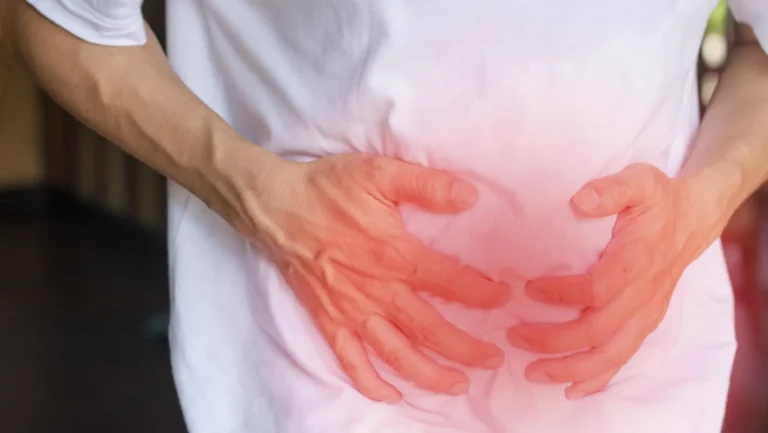

Yes, protein can make you constipated, but not because protein itself blocks the bowel. High-protein diets constipate people indirectly, by crowding out dietary fiber, reducing fluid intake, and shifting gut bacteria toward strains that produce fewer bowel-stimulating compounds.
Chronic constipation affects approximately 16% of US adults, per the National Institute of Diabetes and Digestive and Kidney Diseases (NIDDK), and dietary patterns, including excessive protein intake without fiber compensation, are among the most common modifiable causes.
Does a High-Protein Diet Cause Constipation?
Does a high-protein diet cause constipation on its own? Not always. The problem is what a high-protein diet removes from the plate rather than what it adds. When protein replaces grains, legumes, fruits, and vegetables, fiber intake collapses. The colon depends on fiber to form stool bulk and stimulate contractions. Without it, stool hardens and transit slows.
How High-Protein Diets Change Eating Patterns
People eating over 1.6g of protein per kilogram of body weight daily typically fill their plates with chicken, eggs, fish, beef, and dairy. These foods contain zero fiber. The plate leaves no room for lentils (15.6g fiber per cup), black beans (15g per cup), or oats (4g per half-cup). The substitution is invisible until constipation begins.
Reduced Fiber Intake and Bowel Health
The American Gastroenterological Association recommends 25g of fiber daily for women and 38g for men. Most Americans already fall short, averaging about 15g daily. High-protein dieters often drop to 8-10g daily.
At this level, colonic transit time slows from the normal 24-72 hours to 4-7 days. Hard, infrequent stools follow within 1-2 weeks of starting a high-protein, low-fiber diet.
Lower Consumption of Fruits and Vegetables
Fruits and vegetables provide both fiber and water. One medium apple delivers 4.4g of fiber and 86ml of water. One cup of cooked spinach provides 4.3g of fiber and 180ml of moisture. When protein crowds these foods out, the colon loses two of its three main stool-softening inputs simultaneously.
Impact on Digestive Regularity
A 2020 cross-sectional study in Nutrients found that adults consuming greater than 100g of protein daily reported significantly higher rates of functional constipation than those consuming 60-80g daily. The association was strongest in participants eating predominantly animal-based protein with less than 15g of dietary fiber per day.
How Protein Intake May Contribute to Constipation
Is constipation a side effect of protein intake that everyone experiences? No. It depends on fiber intake, hydration, and the protein sources chosen. Constipation a side effect of protein intake only when fiber drops below 15g daily and fluid intake falls below 8 cups. At adequate fiber and hydration levels, protein alone does not constipate.
Inadequate Dietary Fiber
Soluble fiber dissolves in water and forms a gel in the colon, keeping stool soft. Insoluble fiber adds bulk and speeds transit. High-protein diets displace both types. The colon responds to fiber absence by reabsorbing more water from stool contents, hardening them progressively over days.
Insufficient Fluid Intake
Protein metabolism produces more metabolic waste than carbohydrate or fat metabolism. The kidneys need more water to excrete urea, the nitrogen waste product of protein breakdown. This increases daily fluid requirements.
Someone eating 150g of protein daily needs at least 3-4 liters of fluid per day, more than the standard 2.7-liter recommendation for women and approaching the top of the 3.7-liter recommendation for men from the National Academies of Sciences.
Changes in Gut Microbiome Composition
A high-protein diet shifts gut bacteria composition measurably within 3-4 days. A 2019 study in Cell Host & Microbe found that a high animal-protein diet reduced Bifidobacterium and Roseburia populations by 30-40% within one week.
Both bacterial strains produce short-chain fatty acids (SCFAs) that stimulate colon wall contractions. Fewer SCFAs means slower peristalsis and harder stool.
Increased Consumption of Animal-Based Foods
Animal proteins contain no fiber but do contain saturated fat. Saturated fat slows gastric emptying by stimulating cholecystokinin (CCK) release, which delays stomach emptying by 20-30 minutes per meal. This slows the entire digestive cascade, extending the time stool sits in the colon and allowing the colon more time to remove water from it.
Protein Supplements and Digestive Health
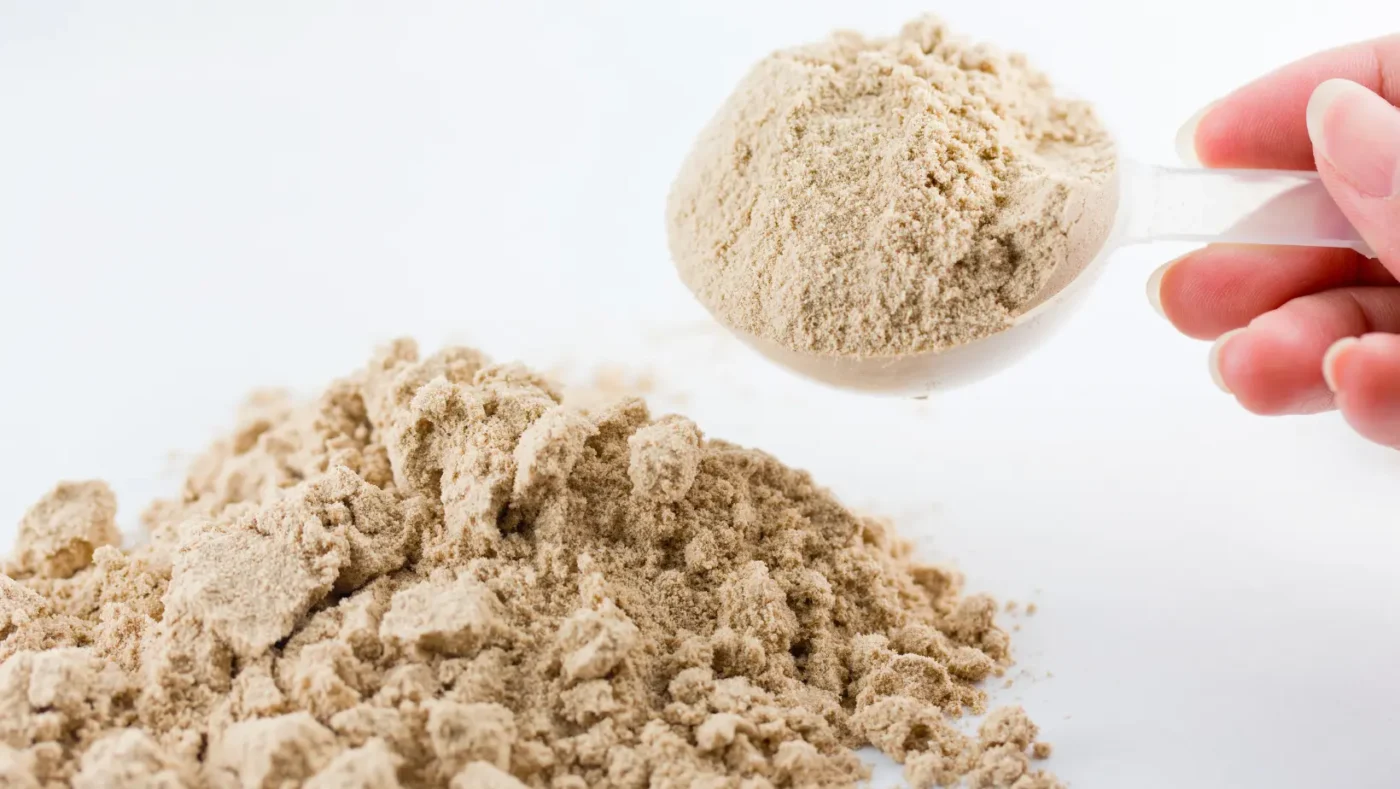
Protein powders and shakes add another layer of digestive risk. Many products contain ingredients that affect gut function independently of protein content.
Whey Protein and Digestion
Whey is a dairy-derived protein. Approximately 65% of the adult population worldwide has reduced lactase enzyme activity. In the USA, this affects roughly 36% of adults, per the National Institutes of Health.
For these individuals, whey protein triggers lactose fermentation in the colon, producing gas, bloating, cramping, and paradoxically, diarrhea alternating with constipation. Whey isolate (lower lactose content than whey concentrate) causes fewer symptoms in lactose-sensitive users.
Casein Protein and Constipation
Casein digests significantly slower than whey. It forms a thick gel in the stomach, extending gastric emptying time by 4-6 hours compared to whey’s 1-2 hours. This slowing of the digestive chain contributes to hard stools on a high-protein diet when casein is consumed in large daily amounts (50g or more).
Plant-Based Protein Powders
Pea, brown rice, and hemp protein powders contain 1-3g of fiber per serving. This is not enough to prevent constipation on its own, but it is meaningfully more than whey or casein. Hemp protein also contains omega-3 fatty acids, which reduce gut inflammation.
Additives and Sweeteners in Protein Products
- Sorbitol and xylitol: sugar alcohols used as sweeteners; they draw water into the colon osmotically; at doses above 10g per serving they cause diarrhea; at lower doses they may partially offset constipation
- Sucralose and acesulfame potassium: artificial sweeteners that reduce Lactobacillus populations by up to 50% in animal studies, though human evidence remains limited
- Guar gum and carrageenan: thickening agents that cause bloating and altered bowel habits in sensitive individuals
- Maltodextrin: a fast-digesting carbohydrate additive that feeds certain gut bacteria preferentially, sometimes causing dysbiosis
Individual Sensitivities to Protein Supplements
Food intolerances to dairy, eggs, or specific plant proteins explain why the same protein powder causes constipation in one person and diarrhea in another. Genetic variations in protease enzyme activity also affect how quickly protein supplements digest, altering gut transit time independently of fiber intake.
Who Is Most Likely to Experience Protein-Related Constipation?
Can protein make you constipated more easily depending on who you are? Yes. Certain groups face substantially higher risk due to diet composition, physiology, or pre-existing conditions.
People Following Ketogenic Diets
Ketogenic diets restrict carbohydrates to under 50g daily. This eliminates most fruits, grains, and legumes, the primary fiber sources. Keto dieters average 10-15g of dietary fiber daily, well below the 25-38g recommendation.
A 2017 review in Nutrients identified constipation as the most common gastrointestinal side effect of ketogenic diets, affecting 65% of keto adherents within the first month.
Bodybuilders and Athletes
Competitive bodybuilders often consume 200-300g of protein daily. At this level, protein accounts for 40-50% of total caloric intake. Fiber, fruits, and vegetables get severely restricted during contest preparation phases. Hard stools on a high-protein diet appear most commonly in this population during the 8-12 weeks before competition.
Individuals Using Meal Replacement Shakes
Meal replacement shakes typically provide 20-30g of protein per serving with 3-5g of fiber. Replacing two daily meals with shakes drops total fiber intake well below 15g daily unless supplemented separately. The liquid format also does not trigger the gastrocolic reflex the way solid meals do.
Older Adults
Adults over 60 have slower gut transit times, reduced gastric acid production, and weaker colon muscle contractions than younger adults. Adding a high-protein diet to already-compromised gut motility compounds constipation risk significantly.
People With Existing Digestive Disorders
IBS-C (constipation-predominant IBS) and gastroparesis both slow gut transit. A high-protein diet in these patients can worsen constipation severely, sometimes leading to fecal impaction if dietary adjustments are not made promptly.
How to Prevent Constipation on a High-Protein Diet
Protein can make you constipated even at moderate intake levels (80-100g/day) if fiber stays below 15g. These strategies fix the problem:
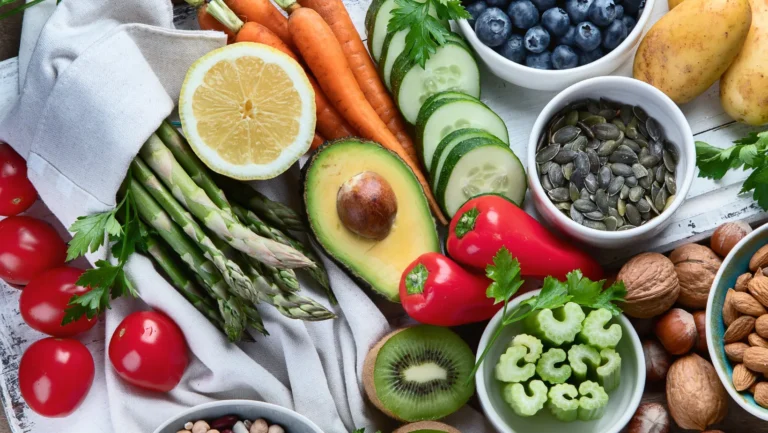
- Eat at least 25-38g of fiber daily: Add 1 cup of lentils (15.6g fiber), 1 medium pear (5.5g), and 3 cups of broccoli (6.6g) to hit the minimum target alongside protein
- Drink 3-4 liters of fluid daily: Add an extra 500ml of water for every 50g of protein consumed above 100g/day
- Choose plant proteins 30-40% of the time: Lentils, chickpeas, and edamame provide 15-18g of protein per cup alongside 8-15g of fiber
- Take psyllium husk daily: 5g twice daily with 16 oz water; psyllium increases stool bulk and water retention without affecting protein absorption
- Add a probiotic: Bifidobacterium longum BB536 (1-10 billion CFU daily) specifically restores the SCFA-producing bacteria that high-protein diets deplete
- Time protein shakes strategically: Consume protein shakes between meals, not as meal replacements, to preserve fiber-containing whole food meals
Other Causes of Constipation Besides Protein
High protein is one cause of constipation, not the only one. If constipation persists after increasing fiber and fluids, other factors deserve investigation.
- Dehydration: even mild dehydration (1-2% body weight) measurably slows colonic transit within 48 hours
- Sedentary behavior: physical inactivity reduces colonic transit speed by 30%; desk workers and those with limited mobility are at high risk
- Opioid medications: opioids suppress gut motility through mu-opioid receptors in the intestinal wall; this requires specific treatment with methylnaltrexone, not fiber
- Iron supplements: direct inhibitor of intestinal motility; affects 40-50% of people taking therapeutic doses
- Calcium channel blockers: used for blood pressure; slow colon muscle contractions independently of diet
- Chronic stress: cortisol suppresses the migrating motor complex (MMC), the between-meal gut contraction pattern that moves stool forward
- Low physical activity: 30 minutes of walking daily increases colonic transit speed by approximately 30%
Medical Conditions That Can Cause Constipation
Irritable Bowel Syndrome
IBS-C affects 10-15% of US adults. It produces constipation through abnormal colon motor patterns, not structural damage. A high-protein diet worsens IBS-C by further suppressing the already-impaired peristaltic response.
Hypothyroidism
Thyroid hormone regulates whole-body metabolic rate, including gut transit speed. An underactive thyroid gland reduces colonic motility. Constipation from hypothyroidism does not respond to dietary changes alone; thyroid hormone replacement is required. Blood TSH testing diagnoses it.
Diabetes
Diabetic autonomic neuropathy damages the vagus nerve, which controls gut movement. Up to 60% of people with type 1 or type 2 diabetes report chronic constipation, per a 2019 review in Diabetes Care. High-protein diets in diabetics compound constipation by removing fiber alongside carbohydrate restriction.
Neurological Disorders
Parkinson’s disease, multiple sclerosis, and spinal cord injuries impair the nerve signals that coordinate colon contractions. These conditions require gastroenterology-specific constipation management.
Pelvic Floor Dysfunction
Paradoxical puborectalis contraction (the muscle tightens instead of relaxing during defecation) creates an outlet obstruction. No amount of dietary fiber fixes this mechanical problem. Biofeedback therapy from a pelvic floor physical therapist is the evidence-based treatment.
FAQs
1. Can protein make you constipated?
Yes, protein can make you constipated when daily fiber drops below 15g. A 2020 Nutrients study found constipation rates significantly higher in adults eating over 100g of protein daily with under 15g of fiber, compared to those maintaining fiber above 25g.
2. Does a high-protein diet cause constipation?
Yes. A high-protein diet cause constipation by removing fiber-containing foods like grains, legumes, and fruit from the diet. The colon reabsorbs more water from stool when fiber drops, producing hard, infrequent stools within 1-2 weeks of dietary change.
3. Why do I have hard stools on a high-protein diet?
Hard stools on a high-protein diet result from two simultaneous problems: fiber deficiency (colon lacks bulk material) and dehydration of stool contents (colon extracts extra water when fiber is absent). Normal stool is 75% water; fiber deficiency drops this to 60-65%.
4. Is constipation a side effect of protein intake?
Yes, but conditionally. Constipation a side effect of protein intake only when fiber falls below 15g daily or fluid intake drops below 2.7 liters. At adequate fiber and fluid levels, protein does not cause constipation even at 150g daily.
5. Can protein shakes cause constipation?
Yes. Casein protein shakes slow gastric emptying by 4-6 hours. Whey concentrate triggers lactose fermentation in the 36% of US adults with reduced lactase activity. Both effects alter bowel habits. Switching to whey isolate or plant-based protein reduces these problems.
6. Does whey protein affect digestion?
Yes. Whey concentrate contains residual lactose. In lactase-deficient individuals (36% of US adults), this causes gas and irregular bowel habits. Whey isolate has 90%+ of lactose removed and causes significantly fewer digestive symptoms in lactose-sensitive users.
7. What are the best hydration tips for protein-related constipation?
The best hydration tips for protein-related constipation: drink an extra 500ml of water for every 50g of protein consumed above 100g daily. Spread intake across the day in 200-250ml portions. Start each morning with 500ml before eating. Aim for pale-yellow urine as your hydration marker.
8. Which high-fiber foods should I eat with protein?
The best high-fiber foods to eat with protein are lentils (15.6g fiber per cup, also 18g protein), black beans (15g fiber per cup), edamame (8g fiber per cup), peas (8.8g per cup), and chia seeds (9.8g fiber per 2 tablespoons). These provide fiber and protein simultaneously.
9. Can a ketogenic diet increase constipation risk?
Yes. A 2017 Nutrients review found constipation in 65% of keto adherents within the first month. Keto eliminates grains, most fruits, and legumes, dropping fiber intake to 10-15g daily. Psyllium husk supplementation (5g twice daily) is the most effective fix without breaking ketosis.
10. How much fiber should I eat while following a high-protein diet?
Eat 25g daily minimum if female, 38g daily if male, per the American Gastroenterological Association. Prioritize high-fiber foods to eat with protein that do not disrupt your protein goals: lentils, edamame, and chia seeds provide fiber and protein together in one serving.
Sources
- National Institute of Diabetes and Digestive and Kidney Diseases (NIDDK), Constipation: https://www.niddk.nih.gov/health-information/digestive-diseases/constipation
- American Gastroenterological Association, Dietary Fiber Recommendations: https://gastro.org/guidelines/
- National Institutes of Health (NIH), Lactose Intolerance Prevalence in the USA: https://www.niddk.nih.gov/health-information/digestive-diseases/lactose-intolerance
- National Academies of Sciences, Dietary Reference Intakes for Water: https://www.nationalacademies.org/our-work/dietary-reference-intakes-for-electrolytes-and-water
- Nutrients (2020), High Protein Intake and Functional Constipation: https://doi.org/10.3390/nu12030720
- Cell Host & Microbe (2019), Animal Protein Diet and Gut Microbiome Composition: https://doi.org/10.1016/j.chom.2019.01.001
- Nutrients (2017), Ketogenic Diet and Gastrointestinal Side Effects: https://doi.org/10.3390/nu9070669