
Headaches only become relevant when cholesterol buildup leads to reduced blood flow or a cardiovascular event. This guide covers how cholesterol affects the body, real symptoms to watch for, stroke risk, and proven ways to manage it.
How High Cholesterol Affects Blood Vessels
High cholesterol affects the body by building up inside artery walls over years, not days. This buildup, called plaque, narrows blood vessels gradually. The process has no direct connection to nerve pain pathways, which is why high cholesterol cause head pain as an isolated symptom rarely happens on its own.
Plaque Formation in Arteries
LDL cholesterol, often called “bad” cholesterol, can stick to artery walls and form plaque. The National Heart, Lung, and Blood Institute (NHLBI) explains this process, called atherosclerosis, develops slowly over decades, often starting in early adulthood.
Reduced Blood Flow Over Time
As plaque builds, arteries narrow. Less blood reaches organs and tissues, including the brain. This reduced flow happens gradually and rarely causes noticeable symptoms until blockage becomes severe.
Atherosclerosis and Circulation Problems
Atherosclerosis can affect arteries throughout the body, including the carotid arteries leading to the brain, coronary arteries feeding the heart, and arteries in the legs.
Impact on Cardiovascular Health
The Centers for Disease Control and Prevention (CDC) reports that nearly 86 million U.S. adults have total cholesterol levels above 200 mg/dL, the threshold for borderline high cholesterol, placing a large portion of the population at long-term cardiovascular risk.
Symptoms of High Cholesterol
Symptoms of high cholesterol are essentially absent in most people, which is why blood testing remains the only reliable way to detect it. High cholesterol warning signs on its own, and symptoms only appear once cholesterol-related complications, like blocked arteries, develop.
Why High Cholesterol Is Often Called a Silent Condition
High cholesterol doesn’t irritate nerves or trigger pain receptors. Blood vessels can narrow significantly before a person notices anything different, which is why annual screening matters more than symptom-watching.
Signs Associated With Advanced Cardiovascular Disease
When cholesterol-related blockages become severe, symptoms can include:
- Chest pain or tightness for anxiety (angina)
- Shortness of breath during normal activity
- Leg pain while walking that eases with rest
- Numbness or weakness on one side of the body
Symptoms of Peripheral Artery Disease
Peripheral artery disease (PAD) happens when leg arteries narrow from plaque. The American Heart Association lists leg cramping during walking, coldness in one leg, and slow-healing sores on the feet as common PAD signs.
Symptoms of Heart Disease
Heart disease symptoms from cholesterol buildup include chest discomfort, pain spreading to the arm or jaw, fatigue, and irregular heartbeat.
Warning Signs of Stroke
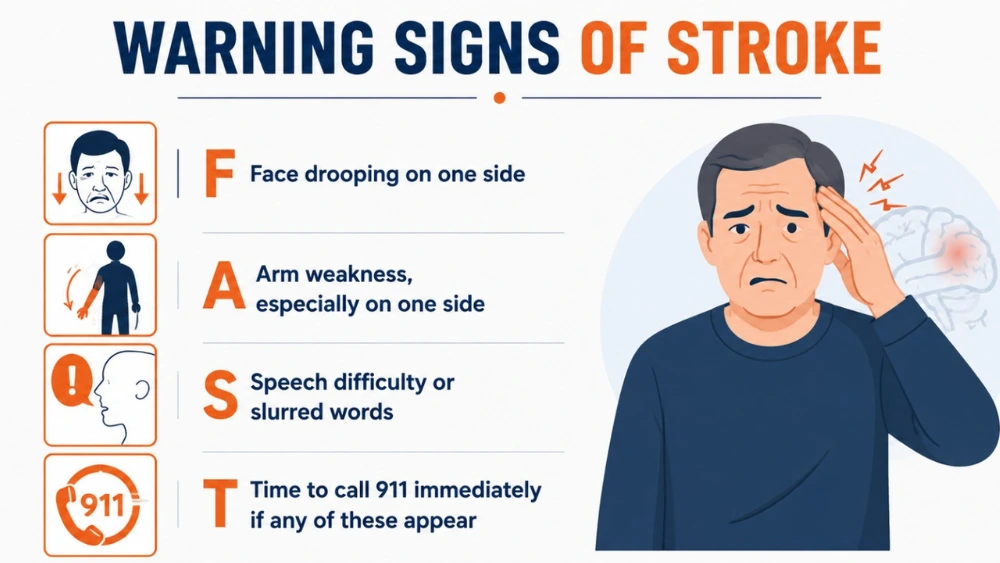
The CDC’s FAST method helps identify stroke symptoms quickly:
- Face drooping on one side
- Arm weakness, especially on one side
- Speech difficulty or slurred words
- Time to call 911 immediately if any of these appear
Stroke Risk Factors Related to Cholesterol
How Cholesterol Increases Stroke Risk
When plaque builds in arteries leading to the brain, it can reduce blood flow or break loose and form a clot. The American Stroke Association states this is one of the leading mechanisms behind ischemic stroke, the most common stroke type.
Cholesterol and Carotid Artery Disease
The carotid arteries run along the neck, supplying blood directly to the brain. Cholesterol buildup here, called carotid artery disease, is detectable through ultrasound and significantly raises stroke risk if left untreated.
Other Major Stroke Risk Factors
Stroke risk factors related to cholesterol rarely act alone. The CDC identifies these factors as commonly occurring together:
| Risk Factor | Connection to Cholesterol |
| High blood pressure | Often occurs alongside high cholesterol, both damage artery walls |
| Diabetes | Affects how the body processes cholesterol and fats |
| Smoking | Speeds up plaque buildup and damages artery linings |
| Obesity | Linked to higher LDL and lower HDL cholesterol levels |
| Family history | Genetic factors affect how the body produces and clears cholesterol |
Recognizing Stroke Warning Signs
Sudden, severe headache with no known cause, especially combined with vision changes or confusion, can signal a stroke. This is one of the only scenarios where headaches and cholesterol-related complications intersect directly, and it requires emergency care immediately.
Risk Factors for High Cholesterol
People in the United States looking up cholesterol risk factors often want to know which habits and conditions push numbers higher, since genetics alone don’t explain most cases. Diet, activity levels, weight, age, and certain medical conditions all influence cholesterol levels significantly, and several of these factors overlap directly with general cardiovascular health risks.
- Diets high in saturated fat and trans fat
- Lack of regular physical activity
- Obesity or carrying excess weight around the abdomen
- Smoking, which lowers HDL (“good”) cholesterol
- Age over 40, when cholesterol naturally tends to rise
- Family history of high cholesterol or early heart disease
- Conditions like diabetes, hypothyroidism, and kidney disease
How High Cholesterol Is Diagnosed
Lipid Profile Testing
A lipid panel blood test measures total cholesterol, LDL, HDL, and triglycerides. The test typically requires fasting for 9 to 12 hours beforehand for accurate results.
Understanding Cholesterol Numbers
The American Heart Association provides these general guidelines for adults:
| Cholesterol Type | Healthy Level |
| Total cholesterol | Below 200 mg/dL |
| LDL (“bad”) cholesterol | Below 100 mg/dL |
| HDL (“good”) cholesterol | Above 40 mg/dL (men), above 50 mg/dL (women) |
| Triglycerides | Below 150 mg/dL |
Frequency of Cholesterol Screening
The CDC recommends adults get cholesterol checked every 4 to 6 years starting at age 20, with more frequent testing for those with risk factors or existing heart disease.
Assessing Cardiovascular Risk
Doctors combine cholesterol numbers with blood pressure, age, smoking status, and diabetes status to calculate a 10-year cardiovascular risk score, helping decide if medication is needed alongside lifestyle changes.
Diet Changes for High Cholesterol Management
Diet changes for high cholesterol management form the first step most doctors recommend before medication, and these changes can lower LDL cholesterol by 5 to 15% within 4 to 6 weeks according to American Heart Association dietary guidance.
Increasing Soluble Fiber Intake
Soluble fiber binds to cholesterol in the digestive system, helping remove it from the body. Oats, beans, lentils, and apples are strong sources.
Choosing Heart-Healthy Fats
Replacing saturated fats with unsaturated fats from olive oil, avocados, and nuts can lower LDL cholesterol without affecting HDL levels.
Eating More Fruits and Vegetables
A diet rich in fruits and vegetables provides fiber, antioxidants, and plant sterols that naturally support healthy cholesterol levels.
Limiting Processed Foods
Processed and packaged foods often contain hidden saturated fats and added sugars, both linked to higher LDL and triglyceride levels.
Reducing Trans Fat Consumption
The FDA banned artificial trans fats from the U.S. food supply in 2018, but some products still contain small amounts. Checking labels for “partially hydrogenated oil” helps avoid these.
Treatment Options for High Cholesterol
Lifestyle Modifications
Diet changes, weight management, and quitting smoking form the foundation of cholesterol treatment, often tried for 3 to 6 months before adding medication.
Regular Physical Activity
The CDC recommends 150 minutes of moderate exercise weekly. Regular activity raises HDL cholesterol while helping lower LDL and triglycerides.
Weight Management
Losing just 5 to 10% of body weight can meaningfully improve cholesterol numbers, according to NHLBI research on weight and lipid levels.
Cholesterol-Lowering Medications
Common medication options include:
- Statins (such as atorvastatin), the most commonly prescribed class
- Ezetimibe, often added when statins alone aren’t enough
- PCSK9 inhibitors, used for very high-risk patients with genetic conditions
- Bile acid sequestrants, an older medication class used less commonly today
Ongoing Monitoring and Follow-Up
Doctors typically recheck lipid levels 4 to 12 weeks after starting treatment changes, then annually once levels stabilize within target ranges.
Preventing High Cholesterol Complications
Lowering cholesterol to improve overall health reduces the risk of heart attack, stroke, and peripheral artery disease over time, particularly when combined with managing blood pressure and blood sugar together.
- Schedule cholesterol screening every 4 to 6 years, or annually if levels are borderline or high
- Manage blood pressure alongside cholesterol, since both conditions often occur together
- Maintain a consistent exercise routine of at least 150 minutes weekly
- Avoid smoking and limit alcohol intake to recommended limits
- Follow up consistently with prescribed medications if recommended by a doctor
- Monitor for stroke warning signs using the FAST method, especially with existing risk factors
FAQ
1. Can high cholesterol cause headaches?
No, not directly. High cholesterol causes headaches, but only becomes relevant if cholesterol buildup causes a stroke or severe blood flow blockage, which requires emergency care.
2. Does high cholesterol cause head pain directly?
No. High cholesterol produces no nerve signals or inflammation that triggers head pain. Any headache connection comes through complications like reduced blood flow, not cholesterol itself.
3. What are the symptoms of high cholesterol?
None in most cases. High cholesterol has no direct symptoms, which is why the CDC recommends blood testing every 4 to 6 years starting at age 20.
4. Why is high cholesterol called a silent condition?
Because cholesterol buildup in arteries causes no pain or noticeable symptoms until blockage becomes severe, often after decades of plaque accumulation inside artery walls.
5. Can high cholesterol affect blood flow to the brain?
Yes. Plaque buildup in carotid arteries reduces blood flow to the brain over years, increasing stroke risk significantly if cholesterol levels remain uncontrolled long-term.
6. Are headaches a warning sign of high cholesterol?
No, except for one exception: a sudden, severe headache with vision changes or confusion can signal a stroke, requiring immediate emergency medical attention.
7. How does high cholesterol increase stroke risk?
LDL cholesterol builds plaque in carotid arteries supplying the brain. This plaque can narrow vessels or break loose, forming clots that block blood flow, causing ischemic stroke.
8. What are the major stroke risk factors related to cholesterol?
High blood pressure and diabetes, smoking, and obesity all commonly occur alongside high cholesterol, and the CDC confirms these factors compound stroke risk when combined together.
9. How is high cholesterol diagnosed?
A fasting lipid panel blood test measures total cholesterol, LDL, HDL, and triglycerides. Results below 200 mg/dL total cholesterol are considered healthy per AHA guidelines.
10. What diet changes help lower cholesterol?
Increase soluble fiber from oats and beans, swap saturated fats for olive oil and nuts, and limit processed foods. These changes lower LDL by 5 to 15% within 6 weeks.
Sources
U.S. Food and Drug Administration
National Heart, Lung, and Blood Institute
Centers for Disease Control and Prevention
Disclaimer: This article is for informational purposes only and does not replace professional medical advice. Talk to a licensed healthcare provider for cholesterol testing, diagnosis, and treatment.
No, high cholesterol itself doesn’t cause headaches in most people, since it produces no nerve pain signals. The American Heart Association classifies high cholesterol as a largely silent condition with no direct symptoms in early stages.