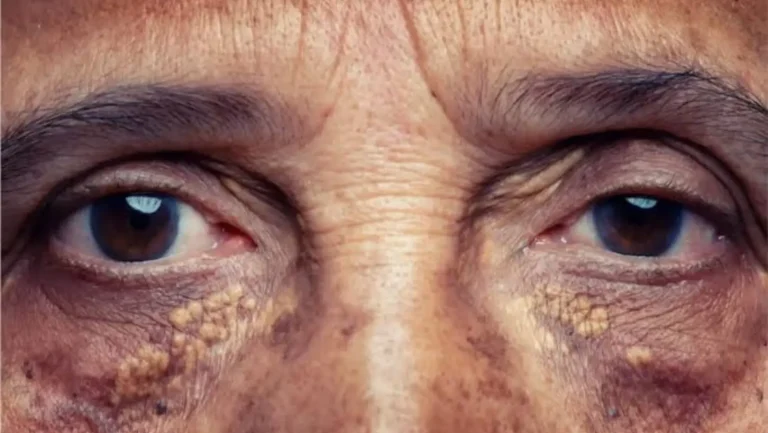

High cholesterol does not directly cause fatigue. When LDL cholesterol builds up inside your arteries over the years, it narrows blood flow to your heart, muscles, and brain. That restricted flow eventually produces fatigue, shortness of breath, and low energy.
High cholesterol can cause fatigue through another route too: the cardiovascular diseases it silently creates over time. This guide covers both mechanisms, what the research says about medications, and how to act.
High Cholesterol Usually Does Not Cause Fatigue Directly
High cholesterol cannot cause fatigue the moment your numbers go high. Cholesterol has no nerve endings. Unlike low blood sugar, which makes you shaky within minutes, high LDL gives you no signal at all. Doctors call it a “silent” risk factor for exactly that reason.
Most people with total cholesterol above 240 mg/dL feel completely normal. No tiredness, no pain, often no idea that anything is wrong until a blood test reveals it.
The key distinction:
- High cholesterol itself does not trigger fatigue
- The cardiovascular diseases that develop from years of high cholesterol do cause fatigue
Clinical Insight: When people ask whether high cholesterol can cause fatigue, the real concern is usually whether cholesterol has already started damaging blood vessels or straining the heart.
Does High Cholesterol Make You Tired?
High cholesterol makes you tired, but only after years of uncontrolled LDL have narrowed your arteries. That narrowing cuts oxygen delivery to muscles, the heart, and the brain. High cholesterol can cause fatigue this way. Each narrowed area produces a distinct type of tiredness.
Reduced Blood Flow to Muscles
When arteries in the legs narrow from plaque buildup, muscles get less oxygen during movement. Walking upstairs or carrying groceries becomes harder than it should. Legs feel heavy. This is one of the earliest signs of peripheral artery disease (PAD). High cholesterol makes you tired, through oxygen debt in the muscles.
Reduced Blood Flow to the Heart
When cholesterol narrows coronary arteries, the heart works harder through a smaller opening. The heart muscle itself gets less oxygen. The result is unusual tiredness during physical activity, sometimes with mild chest pressure, particularly in women.
Reduced Blood Flow to the Brain
A narrowed carotid artery reduces oxygen to brain tissue. This causes mental fatigue, poor concentration, and sluggishness that sleep does not fix. Many patients describe it as persistent brain fog.
High Cholesterol Affecting Blood Flow and Fatigue
High cholesterol affecting blood flow is the real mechanism behind cholesterol-related fatigue. LDL cholesterol seeps into artery walls, triggers inflammation, and forms hard plaques. Those plaques narrow the artery channel. Less blood flows through. Less oxygen reaches tissues. Fatigue and high cholesterol symptoms such as breathlessness and poor exercise tolerance follow from this process.
Coronary Artery Disease
Cholesterol plaques inside the coronary arteries cut oxygen to the heart muscle. Yale Medicine notes that fatigue is a reported early symptom of coronary artery disease, particularly in women. The heart compensates by working harder, which depletes its energy reserves over time.
Peripheral Artery Disease
PAD affects the legs most. Narrowed leg arteries mean your muscles hit an oxygen ceiling sooner than normal. Fatigue starts in the calves during walking and disappears with rest. This pattern is called claudication. High cholesterol affecting blood flow to the legs is a direct, measurable cause of this symptom.
Reduced Exercise Tolerance
People with early coronary artery disease often notice their exercise capacity quietly declining. Fear of chest pain during activity causes patients to become sedentary, which worsens fatigue in a self-reinforcing cycle.
Cardiovascular Strain and Energy Levels
A heart fighting narrowed arteries uses more energy just to maintain resting output. This constant extra effort creates a low-grade, persistent tiredness that does not improve with sleep, because the problem is circulatory, not rest-related.
When Fatigue Was the First Warning Sign
Robert Malone, 52, Phoenix, Arizona
Robert had been a high school PE teacher for 22 years. He stayed active. Over six months, his afternoon energy drained away. He assumed it was age.
His annual physical showed a total cholesterol of 268 mg/dL and LDL of 191 mg/dL. A stress test revealed reduced blood flow to the left ventricle. His cardiologist diagnosed early-stage coronary artery disease from years of borderline-high cholesterol.
Robert started lifestyle changes alongside a moderate statin. Within four months, his LDL dropped to 102 mg/dL. His fatigue improved substantially as his cardiac workload dropped.
Fatigue and high cholesterol symptoms in his case were the downstream result of years of silent plaque buildup, not a direct effect of cholesterol numbers.
Name has been changed to protect patient privacy.
Could Cholesterol-Lowering Medications Be the Real Cause of Fatigue?
Many patients assume statins are making them tired. The current evidence challenges that directly.
Statins and Energy Levels
A 2026 analysis led by Oxford Population Health, published in The Lancet, reviewed data from over 150,000 participants across 23 randomized controlled trials. The finding: statins showed no meaningful excess risk for fatigue compared to placebo.
The SAMSON crossover trial reinforced this. When patients did not know which pill they were taking, statin-related fatigue complaints dropped sharply. This points to a nocebo response, meaning people feel side effects largely because they expect them.
If you feel tired on a statin, talk to your doctor. Switching statin type or adjusting dose often resolves the issue.
Causes of Fatigue Besides High Cholesterol
Unexplained fatigue and cholesterol concerns often turn out to have a completely different root cause. Doctors screen for these before concluding cholesterol is responsible.
Anemia
Low red blood cells mean your blood carries less oxygen per unit. Fatigue from anemia is constant, not triggered only by activity.
Thyroid Disorders
An underactive thyroid slows metabolism throughout the body. People feel cold, sluggish, and exhausted even after full nights of sleep. A simple TSH blood test confirms or rules this out.
Sleep Apnea
Undiagnosed sleep apnea causes the brain to wake the body dozens of times per night to restore breathing. Patients have no memory of waking but feel exhausted all day.
Diabetes
High blood sugar prevents glucose from entering cells efficiently. Cells starve for fuel. Fatigue is worst after meals.
Depression and Anxiety
Both disorders disrupt sleep and alter brain chemistry. Depression-related fatigue is typically worst in the morning.
Chronic Infections
Conditions like Lyme disease, hepatitis C, and long COVID cause months of persistent fatigue without obvious physical symptoms. When unexplained fatigue and cholesterol concerns both exist, doctors investigate these infections simultaneously.
How to Lower High Cholesterol Naturally
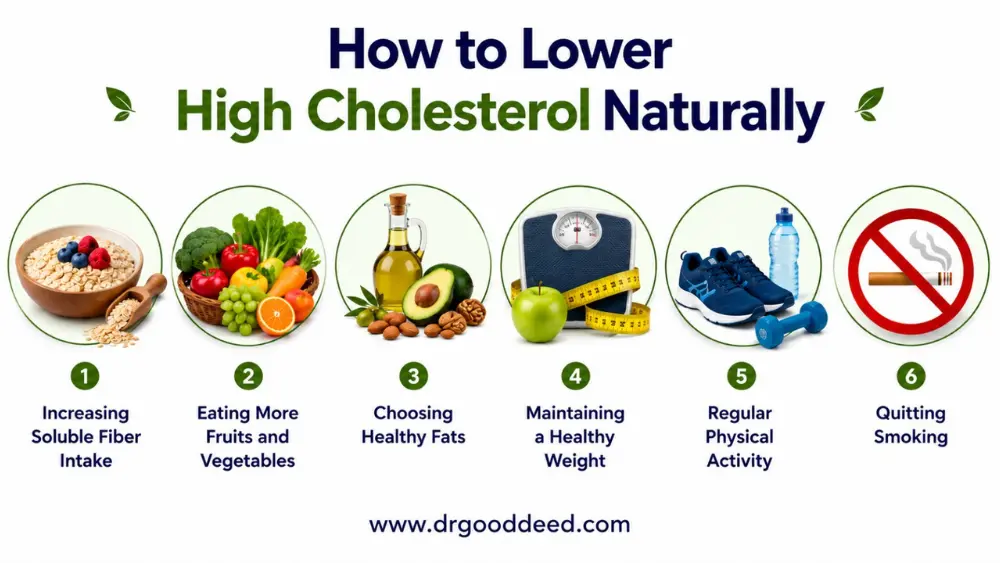
Lowering high cholesterol naturally is a question with real, evidence-backed answers. Lifestyle changes alone can reduce LDL by 20-30% in many patients.
Increasing Soluble Fiber Intake
Soluble fiber binds to cholesterol in the gut and removes it before the body absorbs it. A 2023 meta-analysis of 181 randomized controlled trials (PMID 36796439) found soluble fiber supplementation reduced LDL by an average of 8.28 mg/dL, with each additional 5 grams per day producing a further 5.57 mg/dL drop. Oats, barley, lentils, and psyllium husk are the most effective sources.
Eating More Fruits and Vegetables
Plant foods contain sterols that block cholesterol absorption in the gut. The American Heart Association recommends at least 4-5 servings daily as part of a heart-healthy diet.
Choosing Healthy Fats
Replacing saturated fats (butter, red meat, full-fat dairy) with unsaturated fats (olive oil, avocado, nuts) lowers LDL without reducing HDL. The Mediterranean diet consistently shows cardiovascular benefit across clinical trials.
Maintaining a Healthy Weight
Losing 5-10% of body weight produces measurable lipid improvements within weeks. Each extra pound raises LDL and triglycerides while lowering HDL.
Regular Physical Activity
Aerobic exercise raises HDL and lowers triglycerides. The American Heart Association recommends 150 minutes of moderate activity per week. Lowering high cholesterol naturally through exercise also directly reduces fatigue, since a fitter heart pumps more oxygen per beat.
Quitting Smoking
Smoking damages artery walls and lowers HDL. Quitting raises HDL by 5-10% within weeks, per the CDC, and slows plaque progression in arteries already damaged by cholesterol.
How to Know Whether Cholesterol Is Contributing to Your Fatigue
If you experience persistent fatigue and have not had a recent blood panel, these are the tests your doctor will likely order.
- Lipid profile: Measures total cholesterol, LDL, HDL, and triglycerides. A fasting sample gives the most accurate LDL reading.
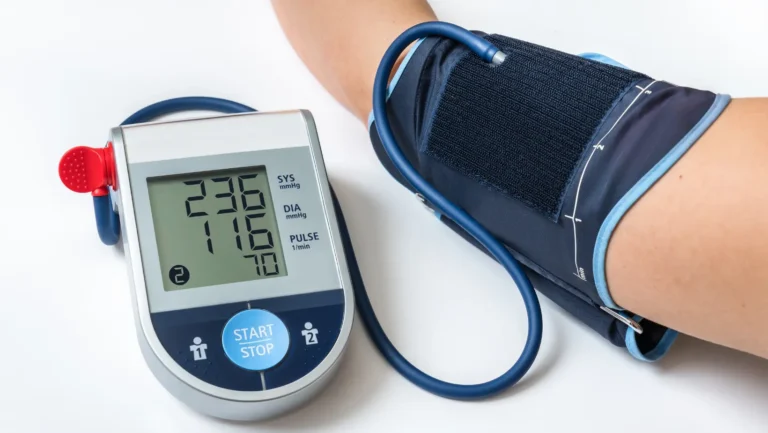
- Blood pressure evaluation: Hypertension worsens cardiovascular strain and frequently pairs with high LDL.
- Blood sugar testing: Rules out diabetes or prediabetes as a fatigue cause.
- Cardiac assessment: If high LDL plus fatigue on exertion is present, your doctor may order an EKG, stress test, or echocardiogram.
- Vascular circulation assessment: If leg fatigue is prominent, an ankle-brachial index (ABI) test checks for peripheral artery disease.
Understanding whether high cholesterol causes fatigue in your specific case requires ruling out these other causes first. A proper workup gives you a clear answer rather than guessing.
FAQs
Why does high cholesterol affect energy levels?
High cholesterol cannot cause fatigue directly. But over years, LDL plaque narrows arteries and cuts oxygen delivery to muscles, the heart, and the brain. That oxygen deficit, not cholesterol itself, produces fatigue.
Is unexplained fatigue a warning sign of heart disease?
Yes. New fatigue during physical activity can signal reduced blood flow to the heart. In women, unusual tiredness is one of the most commonly reported early symptoms of coronary artery disease. A cardiac evaluation is warranted if fatigue coincides with exertion.
Can cholesterol medications cause tiredness?
The 2026 Oxford/Lancet analysis of 150,000+ patients found statins do not cause meaningful excess fatigue versus placebo. Tiredness on a statin is more likely from the underlying cardiovascular condition or a nocebo effect than the drug itself.
Which snacks help reduce cholesterol levels?
Oats, barley, lentils, and psyllium husk lower LDL through soluble fiber. Olive oil, avocado, and walnuts replace harmful saturated fats. Fatty fish lower triglycerides. These are the snacks for lowering high cholesterol naturally.
Can exercise improve both cholesterol and fatigue?
Yes. High cholesterol makes you tired through poor circulation. Exercise counters that directly. 150 minutes of moderate aerobic activity per week raises HDL, lowers triglycerides, and improves how efficiently your heart delivers oxygen to every tissue.
When should I see a doctor for unexplained fatigue?
See a doctor if fatigue has lasted more than 2 weeks without a clear cause, worsens during activity, or appears alongside shortness of breath, chest discomfort, or leg pain during walking. A full cardiovascular and metabolic workup is appropriate.
Can lowering cholesterol improve overall energy levels?
Yes, if cholesterol has already caused arterial narrowing. Reducing LDL slows plaque progression. In some patients, plaque partially regresses over time. As blood flow improves, fatigue during exertion decreases. Most patients notice improvement within 3-6 months of reaching their LDL target.
Sources
- American Heart Association – Cholesterol and Heart Disease
- Cleveland Clinic – Atherosclerosis
- Yale Medicine – Coronary Artery Disease
- Oxford Population Health / The Lancet – Statin Side Effects Analysis (February 2026)
- PubMed – Soluble Fiber Meta-analysis, 181 RCTs (PMID 36796439)
- CDC – Smoking and Cholesterol
- National Heart, Lung, and Blood Institute – High Blood Cholesterol
- Mayo Clinic – Coronary Artery Disease
- American Heart Association – Physical Activity and Cholesterol
- Woodlands Heart and Vascular Institute – Signs of Coronary Artery Disease