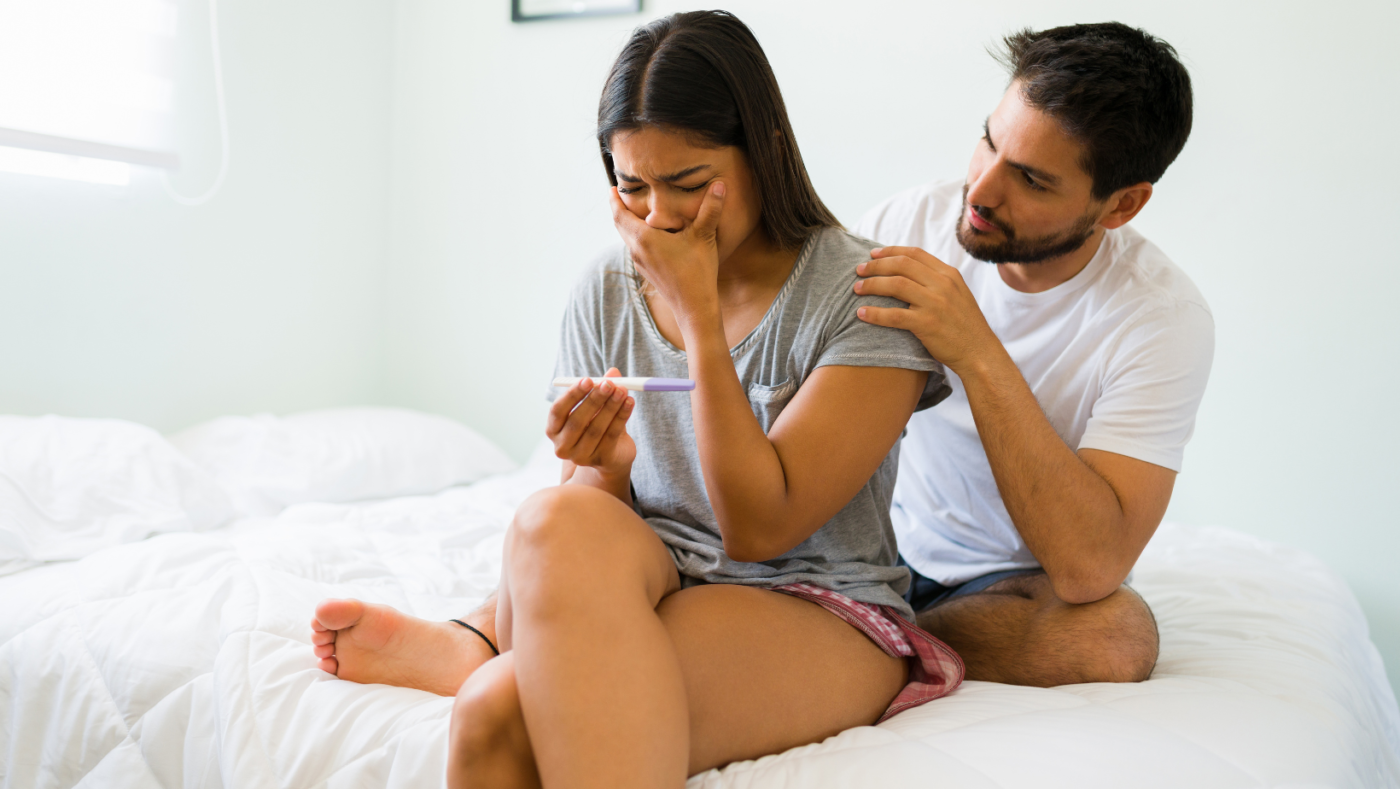

Infertility means not getting pregnant after 12 months of regular, unprotected sex. For women over 35, that window shortens to 6 months. It affects both men and women almost equally. Around 1 in 6 couples worldwide face it at some point.
It’s not always permanent. Roughly 85% of couples with infertility find a cause. Many go on to conceive with or without treatment. The earlier the investigation starts, the better the outcome.
What is infertility?
Infertility is the inability to conceive after 12 months of trying without protection. It includes cases where a woman gets pregnant but loses the pregnancy repeatedly, called recurrent miscarriage. Male infertility and female infertility contribute roughly equally, each accounting for about one-third of cases. The remaining third involves both partners.
What are the main causes of infertility?
In women, the most common causes are ovulation disorders like PCOS, blocked fallopian tubes from past infections, endometriosis, and age-related egg quality decline. In men, low sperm count, poor sperm movement, and abnormal sperm shape are the main causes. Unexplained infertility, where no cause is found, accounts for about 10 to 15% of cases.
What are the first signs of infertility?
Most people have no symptoms until they try to conceive. But certain signs suggest a problem earlier:
- Irregular or absent periods in women
- Painful periods that get progressively worse (possible endometriosis)
- Pain during sex
- In men, testicular pain, swelling, or low sex drive
- A history of pelvic infections or sexually transmitted infections in either partner
At what age are 90% of a woman’s eggs gone?
By age 30, a woman has lost roughly 90% of her egg supply compared to birth. At birth, girls have 1 to 2 million eggs. By puberty, around 300,000 remain. By 30, that number drops to approximately 100,000 to 150,000. After 35, egg quality also declines sharply alongside quantity.
What is the prevention of infertility?
Not all infertility is preventable. But certain steps reduce risk significantly. Treating sexually transmitted infections early prevents tubal damage. Maintaining a healthy body weight improves ovulation. Avoiding smoking extends egg quality and sperm health. Men should avoid heat exposure to the testicles from saunas and tight clothing. Annual health checks catch hormonal issues before they worsen.
How to manage infertility?
Management depends on the cause. Ovulation disorders respond well to medication. Blocked tubes need surgical or assisted reproductive intervention. Male factor infertility gets addressed through lifestyle changes and, when needed, sperm selection techniques used in IVF. Emotional support matters too. Infertility treatment is a long process and stress measurably affects treatment outcomes.
Is there life after infertility?
Yes. Many couples who don’t conceive biologically build families through adoption, surrogacy, or donor conception. Others find meaning and fulfilment outside parenthood. Infertility treatment success rates have improved dramatically over the past two decades. IVF live birth rates for women under 35 now reach 40 to 50% per cycle in leading clinics.
What is a natural approach to infertility?
Natural approaches focus on improving the conditions needed for conception. Tracking ovulation using basal body temperature or LH strips identifies the fertile window accurately. Reducing alcohol intake improves egg and sperm quality within 3 months. Acupuncture shows modest evidence for improving IVF outcomes in some studies. Sleep quality directly affects reproductive hormone levels.
How to improve infertility naturally?
- Reach a healthy BMI. Both underweight and overweight conditions disrupt ovulation.
- Stop smoking. It accelerates egg loss and reduces sperm DNA quality.
- Limit alcohol to under 5 drinks per week.
- Take folic acid 400mcg daily before conception attempts.
- Reduce processed food intake and increase antioxidant-rich foods.
- Manage stress. Cortisol disrupts the hormones that control ovulation.
What foods boost fertility?
Full-fat dairy improves ovulation in women, based on data from the Nurses’ Health Study. Walnuts improve sperm motility and shape. Leafy greens provide folate, which reduces the risk of early pregnancy loss. Oysters are high in zinc, which supports testosterone and sperm production. Berries and pomegranates reduce sperm DNA fragmentation due to their antioxidant content.
What is basic infertility treatment?
Basic treatment starts with identifying the cause through blood tests, semen analysis, and ultrasound. If ovulation is the issue, oral medications like clomiphene or letrozole stimulate egg release. Intrauterine insemination (IUI) is a simple procedure placing sperm directly into the uterus. These lower-intervention options are always tried before moving to IVF.
What are 5 types of infertility treatments?
- Ovulation induction with medication (clomiphene, letrozole, or injectable hormones)
- Intrauterine insemination (IUI), sperm placed directly into the uterus
- In vitro fertilisation (IVF), eggs fertilised outside the body
- Intracytoplasmic sperm injection (ICSI), a single sperm injected directly into an egg
- Donor egg or donor sperm cycles for cases involving severe egg or sperm quality issues
What is the best treatment for infertility?
The best treatment depends entirely on the cause. For ovulation disorders, letrozole has better pregnancy rates than clomiphene in women with PCOS. For male factor infertility with very low sperm counts, ICSI with IVF gives the highest success rates. For women over 40 with poor egg quality, donor egg IVF offers the best outcomes.
Does stress cause infertility?
Stress doesn’t directly cause infertility, but it affects it. High cortisol suppresses GnRH, the hormone that triggers ovulation. Women with high alpha-amylase, a stress marker, took 29% longer to conceive, according to a study published in Human Reproduction. Stress also reduces sexual frequency, which independently affects conception rates.
Can men’s age affect fertility?
Yes, more than most people know. Sperm DNA damage increases with age in men. After 40, men show higher rates of sperm with genetic mutations. Children of fathers over 45 have a higher risk of certain genetic conditions. Male fertility doesn’t drop as sharply as female fertility, but it’s not immune to age.
How many IVF cycles does it take to get pregnant?
Most successful IVF pregnancies happen within 3 cycles. Cumulative success rates after 3 cycles of IVF reach 50 to 65% for women under 35. After 6 cycles, that number climbs further. Success drops with age. Women over 42 using their own eggs have significantly lower per-cycle success rates, sometimes below 5%.