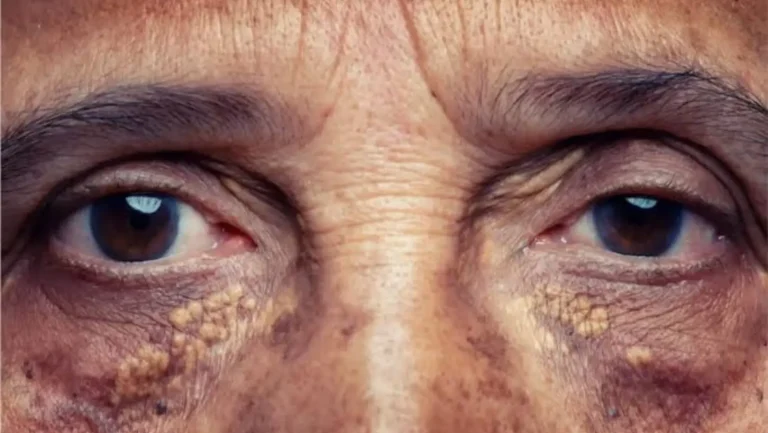
High cholesterol does not cause weight gain. Cholesterol is not a hormone. It does not signal your body to store fat or slow calorie burning. In the USA, nearly 40% of adults have high cholesterol and 42% have obesity, and these two conditions overlap heavily. But excess weight drives up cholesterol, not the other way around.
This guide covers how high cholesterol can cause weight gain indirectly, what conditions drive both at once, what the research says about statins, and how to fix both problems together.
High Cholesterol Does Not Directly Make You Gain Weight
High cholesterol does not cause weight gain by itself. Cholesterol has no mechanism to increase appetite, reduce calorie burn, or signal fat cells to expand. It does not behave like insulin or cortisol, the hormones actually linked to fat storage. Most people with elevated LDL do not gain weight because of those numbers alone.
The important clarification:
- Cholesterol causing weight gain directly has no clinical evidence behind it
- Weight gain contributing to high cholesterol is well-documented and common
- Shared metabolic conditions like hypothyroidism and insulin resistance cause both simultaneously
Key Takeaway: Excess weight contributes to high cholesterol far more often than high cholesterol contributes to weight gain.
Obesity Causing High Cholesterol
Obesity causing high cholesterol is one of the most well-established relationships in cardiovascular medicine. Excess body fat, particularly around the abdomen, disrupts how your liver processes lipids. Every 10 pounds overweight adds up to 10 mg of extra cholesterol production per day, per the Obesity Action Coalition. High cholesterol rarely causes weight gain, but obesity causing high cholesterol happens in almost every case of abdominal obesity.
How Excess Body Fat Affects Cholesterol Levels
Visceral fat (fat stored deep around your organs) releases free fatty acids directly into the liver. The liver converts these into VLDL cholesterol, which eventually breaks down into LDL (bad) cholesterol.
Impact on LDL Cholesterol
Excess body fat increases LDL particle production and slows LDL clearance. The liver becomes less efficient at removing LDL when overloaded with fatty acids.
Impact on HDL Cholesterol
Obesity consistently lowers HDL (good) cholesterol. HDL removes excess cholesterol from the bloodstream and carries it back to the liver. Lower HDL means less of this protective process occurs.
Increased Triglyceride Levels
Abdominal obesity directly raises triglycerides. High triglycerides combined with low HDL define metabolic syndrome, a condition that substantially raises cardiovascular risk.
Cardiovascular Risks of Obesity
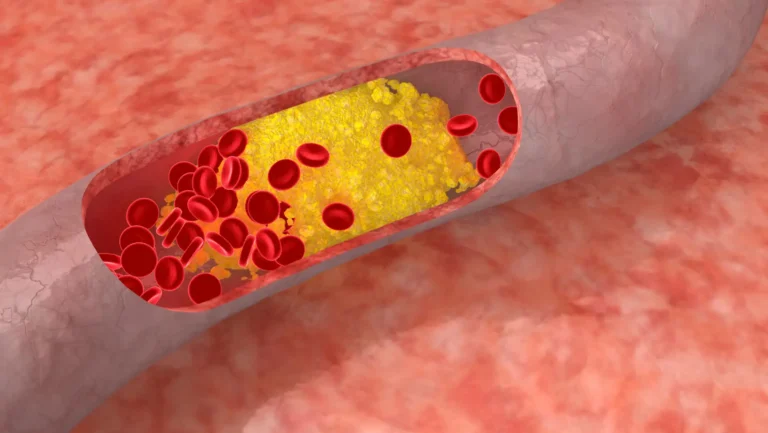
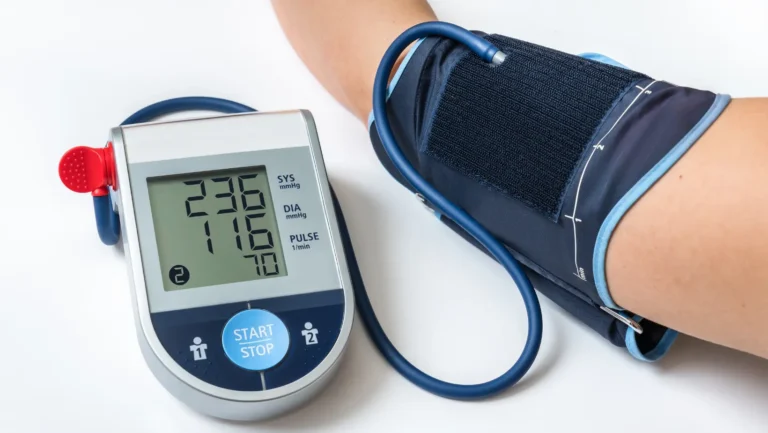
Excess weight raises blood pressure, increases LDL, lowers HDL, and promotes chronic inflammation. These four factors together accelerate arterial plaque buildup far faster than any single risk factor alone.
Weight Gain and High Cholesterol Symptoms
Weight gain and high cholesterol symptoms rarely show up in obvious ways. Both conditions are largely silent. High cholesterol causes no symptoms until arterial damage occurs.
Signs Associated With Obesity
Excess weight brings its own signals: fatigue during high cholesterol, shortness of breath on exertion, joint pain, poor sleep, and increased waist circumference. These are not cholesterol symptoms specifically, but they indicate a metabolic state where high LDL is very likely present.
Reduced Physical Fitness
Weight gain and high cholesterol symptoms often emerge together through a drop in exercise capacity. Carrying extra weight reduces cardiovascular efficiency. This makes physical activity harder, which reduces HDL and raises triglycerides further.
Increased Cardiovascular Risk
Cholesterol plaque from years of elevated LDL combined with abdominal obesity creates compounding risk. The AHA reports that people with both obesity and high cholesterol effect on face more than double the cardiovascular event risk of those with neither condition.
Associated Health Conditions
Both high cholesterol and obesity commonly co-exist with type 2 diabetes, fatty liver disease, hypertension, and sleep apnea. Treating one while ignoring the others rarely produces lasting results.
Can High Cholesterol Slow Your Metabolism?
High cholesterol does not cause weight gain by slowing your metabolism. Cholesterol does not reduce the calories your body burns at rest. No peer-reviewed evidence shows a direct metabolic-slowing effect from elevated LDL numbers alone.
What does slow metabolism and raise cholesterol at the same time? Hypothyroidism. When someone gains weight and has high LDL simultaneously, an underactive thyroid is often the real cause, not cholesterol itself.
Conditions That Cause Both High Cholesterol and Weight Gain
Several medical conditions raise LDL and cause weight gain through separate mechanisms. Missing these diagnoses means treating symptoms rather than the root cause.
Hypothyroidism
An underactive thyroid is the most common medical cause of both high cholesterol and unexplained weight gain. A 2022 review in PMC (PMID 35237653) confirmed that hypothyroidism raises total cholesterol, LDL, and triglycerides by reducing the liver’s ability to clear LDL from the blood. The thyroid hormone T3 normally regulates LDL receptor activity. Without enough T3, LDL stays in circulation longer.
The American Thyroid Association estimates that 4.6% of the US population has hypothyroidism. Subclinical hypothyroidism (elevated TSH with normal T4) affects 11.1% of patients with high cholesterol. A TSH blood test, often missed in standard cholesterol workups, costs very little and rules this out quickly.
Metabolic Syndrome
Metabolic syndrome is a cluster of five risk factors: high triglycerides, low HDL, high blood pressure and high cholesterol , elevated fasting blood sugar, and a large waistline. Having three or more qualifies. It raises cholesterol, promotes fat storage, and drives insulin resistance all at once. Roughly one in three US adults meets the criteria.
Insulin Resistance and Prediabetes
When cells stop responding to insulin, the pancreas produces more of it. High insulin levels push the liver to produce more triglycerides and VLDL cholesterol while promoting abdominal fat storage. This creates a direct chemical link between insulin resistance and both weight gain and high LDL.
Polycystic Ovary Syndrome (PCOS)
PCOS affects 8-13% of reproductive-age women in the USA. It drives insulin resistance, raises LDL, lowers HDL, and promotes abdominal fat through elevated androgens. Standard diet advice alone often fails without addressing the hormonal root.
Could Cholesterol Medications Contribute to Weight Gain?
Statins do not list weight gain as a labeled side effect, and clinical trials have not proven a direct causal link. But a 2014 dietary study of 28,000 US adults (JAMA Internal Medicine) found that statin users increased calorie intake by 9.6% and fat intake by 14.4% over 10 years, while non-users showed no change. This behavioral shift, possibly from a false sense of cardiac protection, contributed to weight gains of 6-11 pounds over a decade.
A 2018 study in Physiological Reports found that statins reduce leptin expression in fat cells. Leptin tells your brain you are full. Lower leptin means more hunger, which leads to more eating.
Statins do not directly cause weight gain through a pharmacological mechanism. But behavioral and hormonal changes in some patients can contribute to gradual increases over time.
How to Lose Weight With High Cholesterol
Losing weight with high cholesterol is not dramatically different from general weight loss, but the cardiovascular stakes are higher. Losing just 5-10% of body weight produces measurable improvements across the full lipid panel.
A 2016 study in Translational Behavioral Medicine (PMC4987606) found that losing 5-10% of body weight significantly reduced triglycerides, total cholesterol, and LDL. Losing more than 10% delivered even greater improvements. For every 1 kg lost, LDL drops an average of 1.28 mg/dL.
Practical steps for losing weight with high cholesterol:
- Caloric deficit: 500 fewer calories per day produces roughly 1 pound of loss per week
- Aerobic exercise: 150 minutes per week raises HDL and burns visceral fat directly
- Strength training: Increases muscle mass, which raises resting metabolic rate
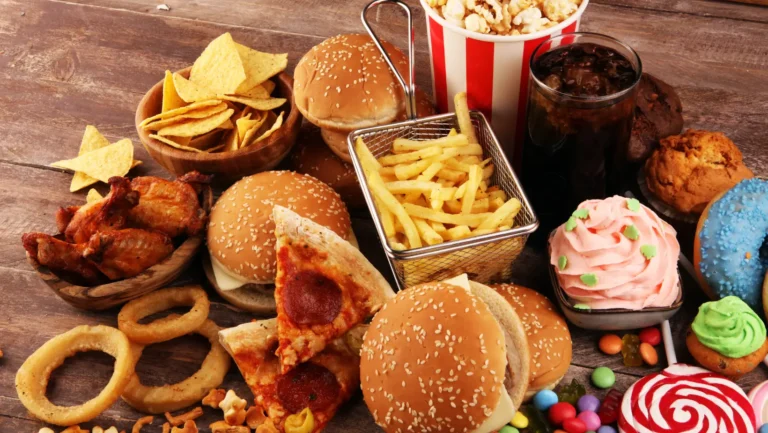
- Cutting refined carbohydrates: Lowers triglycerides faster than almost any other single dietary change
- Limiting saturated fats: Directly lowers LDL by reducing liver cholesterol production
Exercise to lower cholesterol and improve health does not require a gym. Walking 30 minutes per day at a brisk pace raises HDL by 3-5% within 8-12 weeks. Exercise to lower cholesterol and improve health is most effective when combined with dietary changes, since exercise alone rarely lowers LDL significantly but reliably raises HDL.
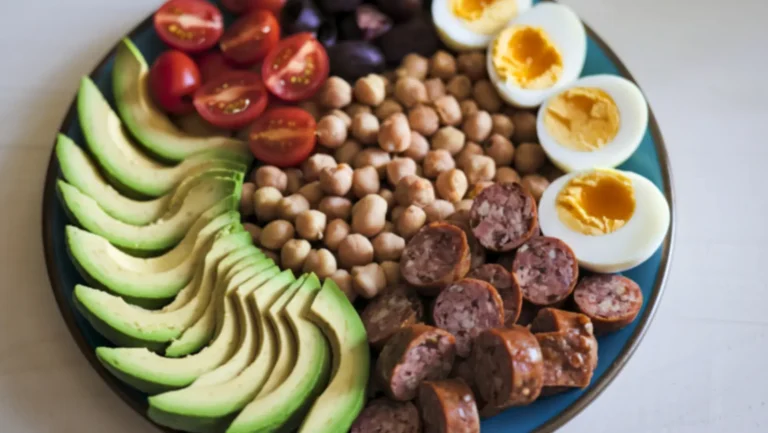
Best Foods for Cholesterol Control
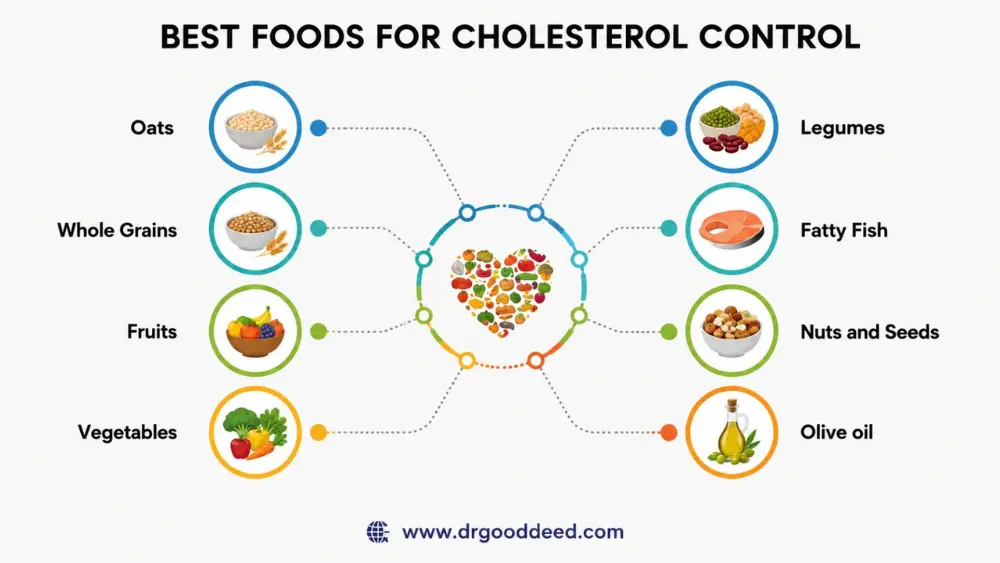
Oats and Whole Grains
Oat beta-glucan, a soluble fiber, binds to cholesterol in the gut and removes it before absorption. A meta-analysis of 58 randomized trials found that at least 3 grams of oat beta-glucan per day reduces LDL by 0.25 mmol/L.
Fruits and Vegetables
High fiber, low calorie density. Fruits and vegetables lower total calorie intake while providing plant sterols that block cholesterol absorption. Aim for 5+ servings daily.
Legumes and Beans
Lentils, chickpeas, and black beans lower LDL through soluble fiber and reduce calorie density of meals. A 2021 meta-analysis found that consuming one serving of legumes daily cut LDL by 5%.
Fatty Fish
Salmon, mackerel, and sardines provide omega-3 fatty acids that lower triglycerides by 15-30% with regular consumption. The American Heart Association recommends two servings per week.
Nuts and Seeds
Walnuts and almonds lower LDL through unsaturated fats and fiber. Studies show that eating a handful (1 oz) of nuts daily reduces LDL by 3-19%.
Healthy Unsaturated Fats
Olive oil replaces saturated fat without reducing HDL. Avocado provides both heart-healthy fats and fiber. Exercise to lower cholesterol and improve health paired with these dietary changes delivers faster lipid improvements than either approach alone.
FAQs
Can cholesterol levels affect body weight?
High cholesterol does not cause weight gain directly. High LDL does not trigger fat storage or slow your metabolism. But shared conditions like hypothyroidism and metabolic syndrome raise both simultaneously. The weight-to-cholesterol link runs primarily from excess weight driving up LDL, not the reverse.
Why do high cholesterol and weight gain often occur together?
High cholesterol does not cause weight gain independently. They appear together because both share common causes: hypothyroidism, insulin resistance, PCOS, and metabolic syndrome. Visceral fat also raises LDL and triglycerides through liver overload. Treating only one issue rarely resolves the other.
Can losing weight improve cholesterol levels?
Yes. Losing 5-10% of body weight lowers LDL by 5-15%, raises HDL by 3-5%, and cuts triglycerides by up to 20%, per the Translational Behavioral Medicine study (PMC4987606). Losing more than 10% produces even greater improvements across the full lipid panel.
Can high cholesterol slow metabolism?
No. High cholesterol does not cause weight gain through metabolic slowdown. Hypothyroidism, which causes both high cholesterol and slow metabolism, is frequently the underlying culprit when both appear together. A TSH blood test can rule this in or out.
Can medications for cholesterol cause weight gain?
Statins do not directly cause weight gain pharmacologically. A 2014 JAMA Internal Medicine study found statin users ate 9.6% more calories over 10 years due to behavioral changes. A 2018 study showed statins lower leptin, raising hunger. Both effects may contribute to gradual weight gain in some patients.
What are the risks of untreated high cholesterol?
Untreated LDL above 160 mg/dL for 10+ years increases the risk of coronary artery disease by 40%, per the Framingham Heart Study data. Plaque buildup leads to heart attack, stroke, and peripheral artery disease. High cholesterol combined with obesity, smoking, or diabetes multiplies cardiovascular risk substantially.
Sources
- American Heart Association – Cholesterol Overview
- Obesity Action Coalition – Excess Weight and Cholesterol
- PMC – Hypothyroidism and Dyslipidemia (PMID 35237653)
- PMC – Weight Loss and Cardiovascular Risk (PMC4987606)
- JAMA Internal Medicine – Statin Use and Dietary Changes (2014)
- Physiological Reports – Statins and Leptin (2018)
- American Heart Association – Metabolic Syndrome
- NHLBI – High Blood Cholesterol
- CDC – Cholesterol Facts
- Mayo Clinic – High Cholesterol Diagnosis and Treatment