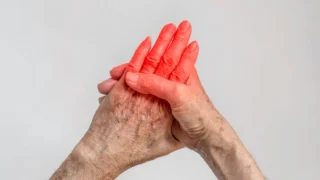

Physical therapy can help with arthritis. The American College of Rheumatology and Arthritis Foundation list exercise therapy as a strongly recommended, first-line treatment for hand, hip, and knee osteoarthritis, the most common joint disease worldwide. Physical therapy can help with arthritis by cutting pain, rebuilding protective muscle, and restoring lost movement.
Osteoarthritis affects more than 32.5 million US adults, per the CDC, and ranks as the leading cause of disability among older Americans.
Benefits of Physical Therapy for Arthritis
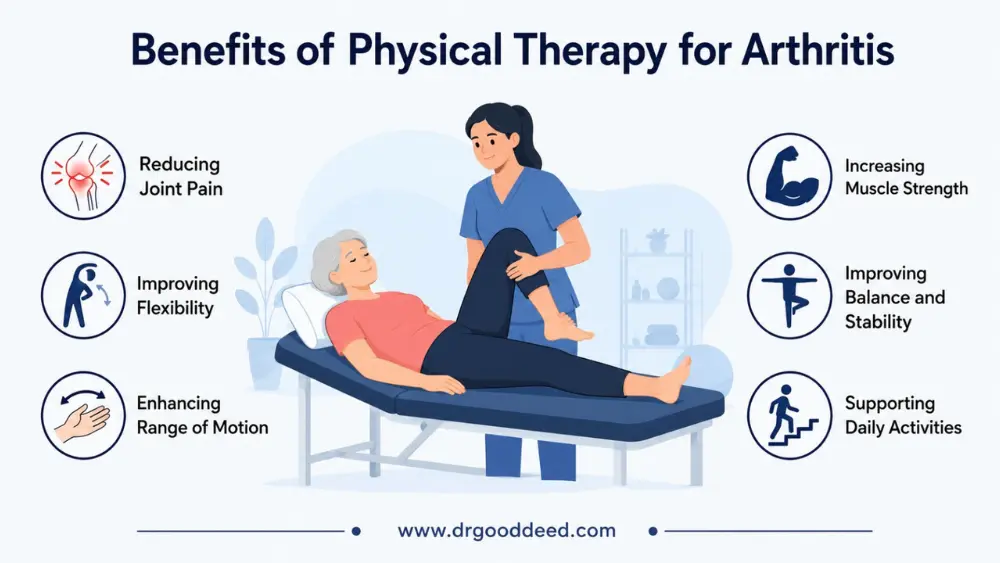
A therapist check how your joint moves, where muscles have weakened from avoiding pain, and build a plan around that. The benefits of physical therapy for arthritis show up across five areas, pain, flexibility, motion, strength, and balance.
Reducing Joint Pain
Cartilage gets nutrients from joint fluid, and that fluid circulates only when the joint moves. Sit too long, and stiffness builds. The 2019 ACR/Arthritis Foundation guideline found exercise therapy eases knee and hip OA pain with effects lasting up to a year.
Improving Flexibility
Arthritic joints lose range slowly, then all at once. Stop reaching for the top shelf, stop kneeling in the garden, and the joint capsule tightens around that smaller range within months. Stretching pulls it back. Most people notice a difference around week three, not day one.
Enhancing Range of Motion
Flexibility is soft tissue length. Range of motion is what the joint actually does, including bone-on-bone limits no stretch fixes. A therapist measures this with a goniometer at the first visit, then tracks it every few weeks.
Increasing Muscle Strength
Weak muscles mean the joint absorbs forces the muscle should handle. Quadriceps weakness is so common in knee OA that some researchers treat it as a driver of progression, not just a result. Strength work shifts load off damaged cartilage, which is part of why physical therapy can help arthritis keeps coming back in strength-focused research specifically.
Improving Balance and Stability
Arthritis pain changes how people walk, and altered gait throws off balance reflexes. The ACR guideline added a conditional recommendation for balance training in 2019, because knee OA patients fall more often than peers without joint disease.
Supporting Daily Activities
Climbing stairs, standing from a chair, carrying groceries: these are the real benefits of physical therapy for arthritis that clinical measurements exist to capture. Therapists often ask which one activity a patient wants back first, then build toward that motion.
Best Physical Therapy Exercises for Arthritis
Not every exercise suits every joint. The best physical therapy exercises for arthritis fall into five categories, and a solid program pulls from all five.
- Range of motion work: slow, controlled movement through the available arc, done daily, often before strength training.
- Stretching: held 20 to 30 seconds, targeting muscles crossing the arthritic joint.
- Low-impact aerobic activity: walking, cycling, swimming, water aerobics. The ACR names these specifically since they raise heart rate without pounding the joint.
- Balance training: single-leg stands, tandem walking, balance board work.
- Functional movement drills: sit-to-stand reps, step-ups, reaching, are part of best physical therapy exercises for arthritis routines that mirrors daily tasks most directly.
A 2020 case report on a 75-year-old runner with moderate hip OA showed pain and function both improved through a stratified plan mixing manual therapy, targeted strengthening, and aerobic work, not one isolated method. That’s the pattern behind most best physical therapy exercises for arthritis programs: combinations beat single-method plans.
Strengthening Exercises for Arthritic Joints
Strengthening exercises for arthritic joints target the muscles stabilizing the joint, not the joint surface itself.
| Exercise type | Joint targeted | Typical frequency |
| Quadriceps work | Knee | 2-3x/week |
| Hip abductor/extensor work | Hip | 2-3x/week |
| Grip and pinch work | Hand | 3x/week |
| Core stability | Spine, hip, knee | 2-3x/week |
| Resistance bands | Any joint | 2-3x/week |
Quadriceps Strengthening for Knee Arthritis
The quad controls kneecap tracking and shock absorption on every step. Straight-leg raises and quarter squats load the muscle without forcing the knee through its most painful arc.
Hip Strengthening Exercises
Hip abductors keep the pelvis level while walking. Weak abductors cause a hip drop with each step, loading the joint unevenly, one reason strengthening exercises for arthritic joints rarely target just one muscle group at a time.
Hand Grip Exercises
A 12-week progressive resistance trial in hand OA patients improved grip and pinch strength along with pain, using resistance putty and a soft ball squeezed 10 to 15 times, three days weekly. A 2024 JOSPT meta-analysis of 14 trials confirmed exercise improves grip strength and short-term stiffness, though pinch-strength gains were less consistent.
Core Stability Training
A weak core forces hips and knees to compensate during walking. Planks, bird-dogs, and seated marches build trunk stability without loading lower-body joints directly.
Resistance Band Exercises
Bands let a therapist dial resistance up or down by color, useful on flare days, and they’re a staple across most strengthening exercises for arthritic joints because they load joints through ranges free weights can’t easily reach.
Physical Therapy for Osteoarthritis Management
Physical therapy for osteoarthritis management differs by joint, since each one fails differently and carries different daily loads.
Managing Knee Osteoarthritis
Knee management centers on quad strength, aerobic conditioning, and weight control, the backbone of most physical therapy for osteoarthritis management plans built around this joint. Even a 5% weight reduction meaningfully eases knee and hip pain, since each pound of body weight adds roughly four pounds of force across the knee while walking.
Hip Osteoarthritis Rehabilitation
Hip rehab leans more on manual therapy and hip-specific strengthening. The 2025 Hip Pain and Mobility Deficits guideline from the APTA recommends supervised exercise one to five times weekly over six to twelve weeks for mild-to-moderate hip OA, with pooled data across six studies showing real pain and function gains.
Hand Arthritis Therapy
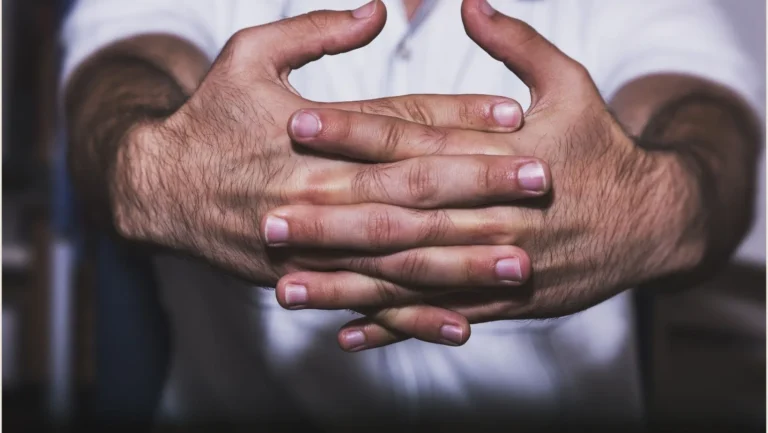
Hand Arthritis therapy combines joint protection education, thumb-base splinting, and grip exercises. Heat before activity and cold after a flare both have a place, alongside protection tricks like using a wider-grip tool instead of a thin pen.
Spine and Neck Osteoarthritis Care
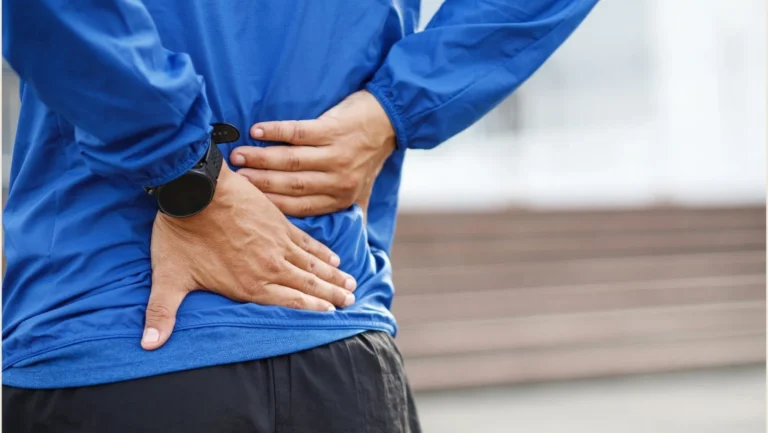
Cervical and lumbar OA respond to posture correction, deep neck flexor strengthening, and spine mobility work, an area of physical therapy for osteoarthritis management that gets less research attention than knee or hip OA. The same rule still holds: weak support muscles mean more joint load.
Preventing Functional Decline
The real win isn’t pain relief today. It’s staying ahead of years of compounding muscle loss and stiffening, one of the less obvious benefits of physical therapy for arthritis that self-management programs hold onto for up to a year per the ACR guideline.
Arthritis and Reduced Mobility Treatment
Arthritis and reduced mobility treatment starts with the cause of the stiffness, because the fix depends on it.
Why Arthritis Causes Stiffness
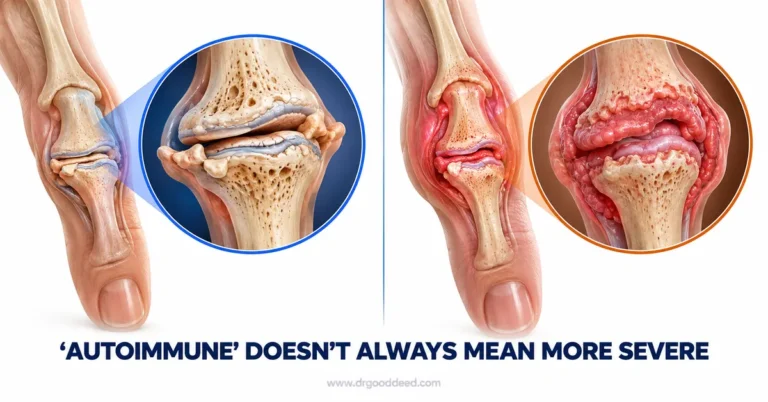
Stiffness comes from joint swelling, a thickened capsule, and muscle guarding that protects a painful joint reflexively. Morning stiffness under 30 minutes points to osteoarthritis; longer stiffness suggests inflammatory arthritis, which needs a different approach.
Restoring Joint Movement
Gentle, repeated range work loosens the capsule gradually, a slow but central piece of any arthritis and reduced mobility treatment plan. Therapists track degrees gained weekly, with realistic timelines running four to eight weeks for noticeable change in a stiff joint.
Preventing Muscle Weakness
Pain makes people avoid using a joint, and that disuse often causes weakness faster than arthritis itself. A knee that hurts for two weeks can lose measurable quad strength in that window. Early movement, dosed appropriately, prevents the spiral.
Improving Walking Ability
Shorter steps, less knee bend, more weight on the unaffected leg: these become habits that outlast the pain that caused them. Gait retraining, sometimes using mirrors or video feedback, targets the habit directly.
Enhancing Independence
The goal across every category is independence: standing without using your arms, walking to the mailbox without a cane, climbing stairs without stopping. This is the finish line every arthritis and reduced mobility treatment plan is actually built toward.
Physical Therapy Techniques Used for Arthritis
- Manual therapy: hands-on joint mobilization and soft tissue work before exercise. The 2019 ACR guideline conditionally recommends against it without exercise, for knee and hip OA.
- Therapeutic exercise: the strength, flexibility, and aerobic work covered above.
- Heat therapy: loosens stiff tissue and eases guarding before activity.
- Cold therapy: reduces swelling and blunts pain after activity or during a flare.
- Posture training: corrects compensations that load other joints over time.
- Gait training: retrains walking mechanics using cues, mirrors, or devices like a cane.
What to Expect During Physical Therapy Sessions
Initial Evaluation
The first visit for your specific joint takes shape, runs 45 to 60 minutes. The therapist measures joint range with a goniometer, tests strength, watches you walk, and asks what daily tasks have gotten harder. This becomes the baseline.
Customized Exercise Program
No two programs look identical, even for the same diagnosis. A 68-year-old former runner with knee OA gets a different plan than a 55-year-old office worker with the same X-ray findings.
Home Exercise Instructions
Clinic visits alone don’t create lasting change. Therapists assign home routines, usually 15 to 20 minutes daily, because consistency between sessions drives long-term results more than the sessions themselves.
Progress Assessments
Range, strength, and function get re-measured every two to four weeks. If a plan isn’t working by week four, it changes instead of repeating.
Long-Term Management Strategies
Arthritis doesn’t end when a course of therapy does, and Physical therapy can help with arthritis long-term depends on what happens after discharge. Most plans end with a transition: a home routine, a maintenance gym schedule, or tai chi, which the ACR guideline also strongly recommends for ongoing knee and hip OA self-management.
FAQ
Can physical therapy help arthritis pain?
Yes. Physical therapy can help with arthritis pain specifically gets a strong recommendation from the ACR/Arthritis Foundation guideline, with benefits lasting up to 12 months in supervised programs, longer than typical NSAID relief windows.
Which type of arthritis responds best to physical therapy?
Knee osteoarthritis has the strongest evidence base, with hip OA close behind. Hand OA shows modest, shorter-lasting gains in grip strength and stiffness, per a 2024 JOSPT meta-analysis of 14 trials.
How often should arthritis patients attend physical therapy?
Guidelines recommend one to five supervised sessions weekly for six to twelve weeks, then a home program. Frequency depends on joint severity, not a fixed universal number.
Does physical therapy help osteoarthritis?
Yes, for pain and physical function specifically. The ACR guideline rates exercise as strongly recommended for knee and hip OA, with no single exercise type proven superior.
Is physical therapy safe during arthritis flare-ups?
Yes, with modification. Therapists reduce load, swap to isometric holds, and add cold therapy during flares instead of stopping treatment, since full rest worsens stiffness.
Can physical therapy prevent arthritis from worsening?
Partially. It doesn’t reverse cartilage loss, but quad-strengthening specifically cuts load on the knee joint, slowing the functional decline that often tracks alongside disease progression.
Can physical therapy replace arthritis medication?
No. It’s a first-line treatment used alongside medication, weight control, and education, not a substitute for them. The ACR guideline recommends combining approaches by individual response.
Are home exercises effective for arthritis?
Yes, when done consistently. A 16-week home hand-exercise trial showed modest grip and pinch strength gains, though supervised programs generally beat unsupervised ones on pain outcomes.
Can physical therapy delay the need for joint replacement surgery?
Evidence is mixed. A 2022 JAMA Network Open trial of 262 patients found prehabilitation didn’t improve short-term function after knee replacement, despite earlier smaller studies suggesting benefit.
Sources
- 2019 American College of Rheumatology/Arthritis Foundation Guideline for the Management of Osteoarthritis of the Hand, Hip, and Knee
- Press Release: Osteoarthritis Treatment Guideline – American College of Rheumatology
- 2025 Hip Pain and Mobility Deficits Clinical Practice Guideline – JOSPT
- The Effectiveness of Exercise-Based Rehabilitation in People With Hand Osteoarthritis: A Systematic Review With Meta-analysis – JOSPT
- Effect of Prehabilitation Before Total Knee Replacement for Knee Osteoarthritis on Functional Outcomes: A Randomized Clinical Trial – JAMA Network Open
- A Multimodal Approach for the Management of Moderate Hip Osteoarthritis in A Runner: A Case Report
- Functional consultation and exercises improve grip strength in osteoarthritis of the hand – a randomised controlled trial
Disclaimer: General education only, not a substitute for a licensed physical therapist or physician’s care. Talk to a doctor before starting new exercise, especially with pain that’s new, severe, or swollen.