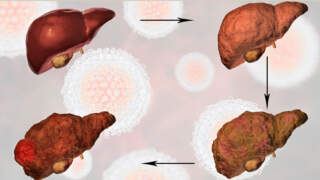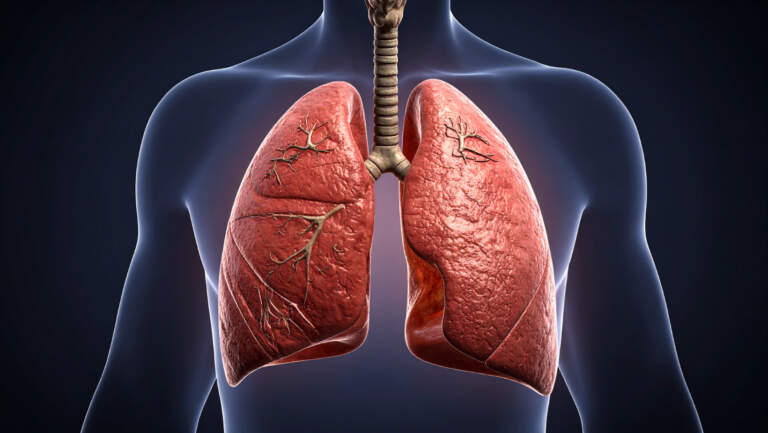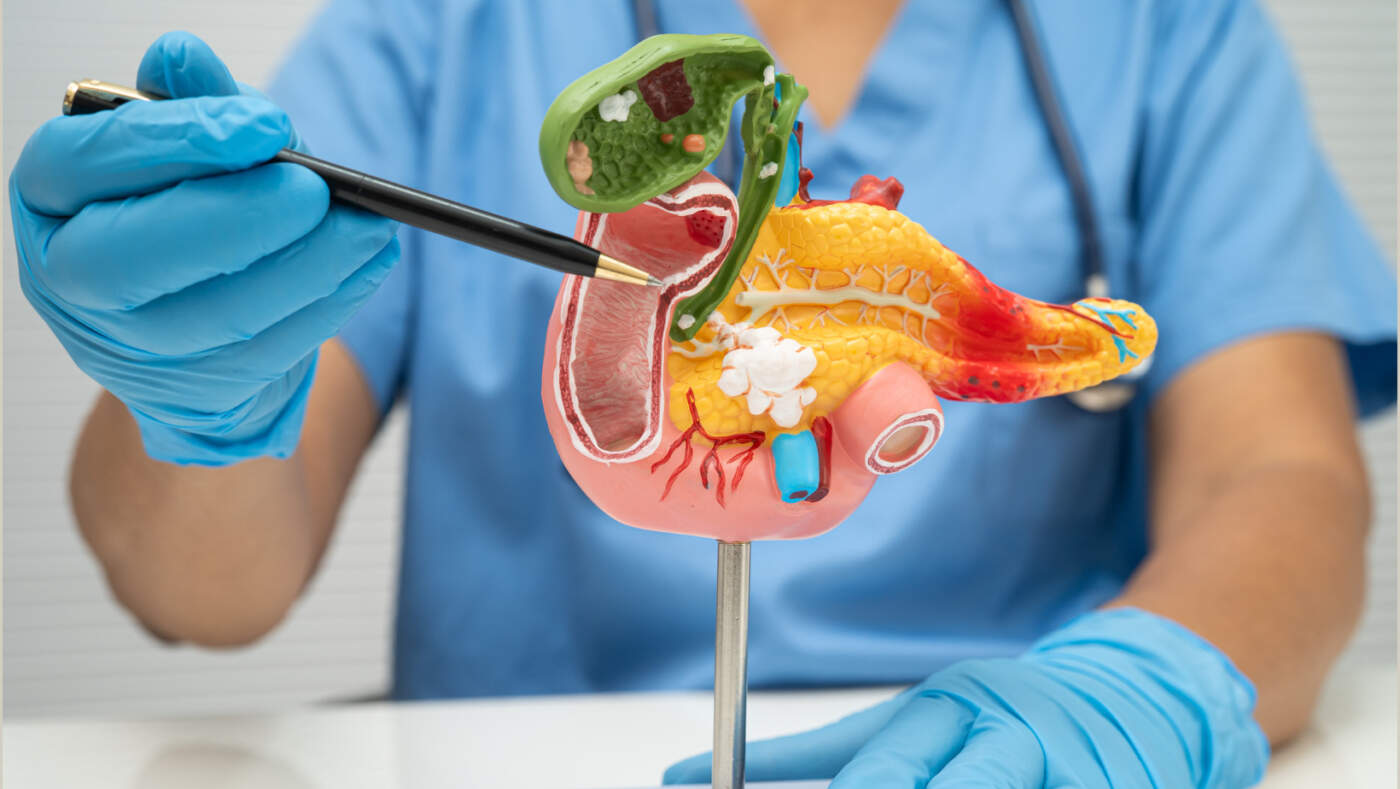

Bile duct obstruction happens when a blockage stops bile from flowing from the liver to the small intestine. Gallstones cause most cases, though tumors, scar tissue, and inflammation also block the duct. The blockage causes yellowing skin, dark urine, and pale stools, and it needs treatment fast to avoid infection or liver damage. This guide covers causes, symptoms, and the actual procedures doctors use to fix it, in the US and beyond.
What Is a Bile Duct Obstruction?
The liver makes bile to help digest fat, and bile ducts carry it to the gallbladder and small intestine. A bile duct obstruction blocks that path, letting bilirubin build up in the blood instead of leaving the body through stool.
Doctors call this condition biliary obstruction too. Once a duct narrows or closes, pressure builds upstream toward the liver, and bile backs up faster than most people expect. Left alone, bile duct obstruction turns into infection risk within days, not weeks.
Blocked Bile Duct Symptoms
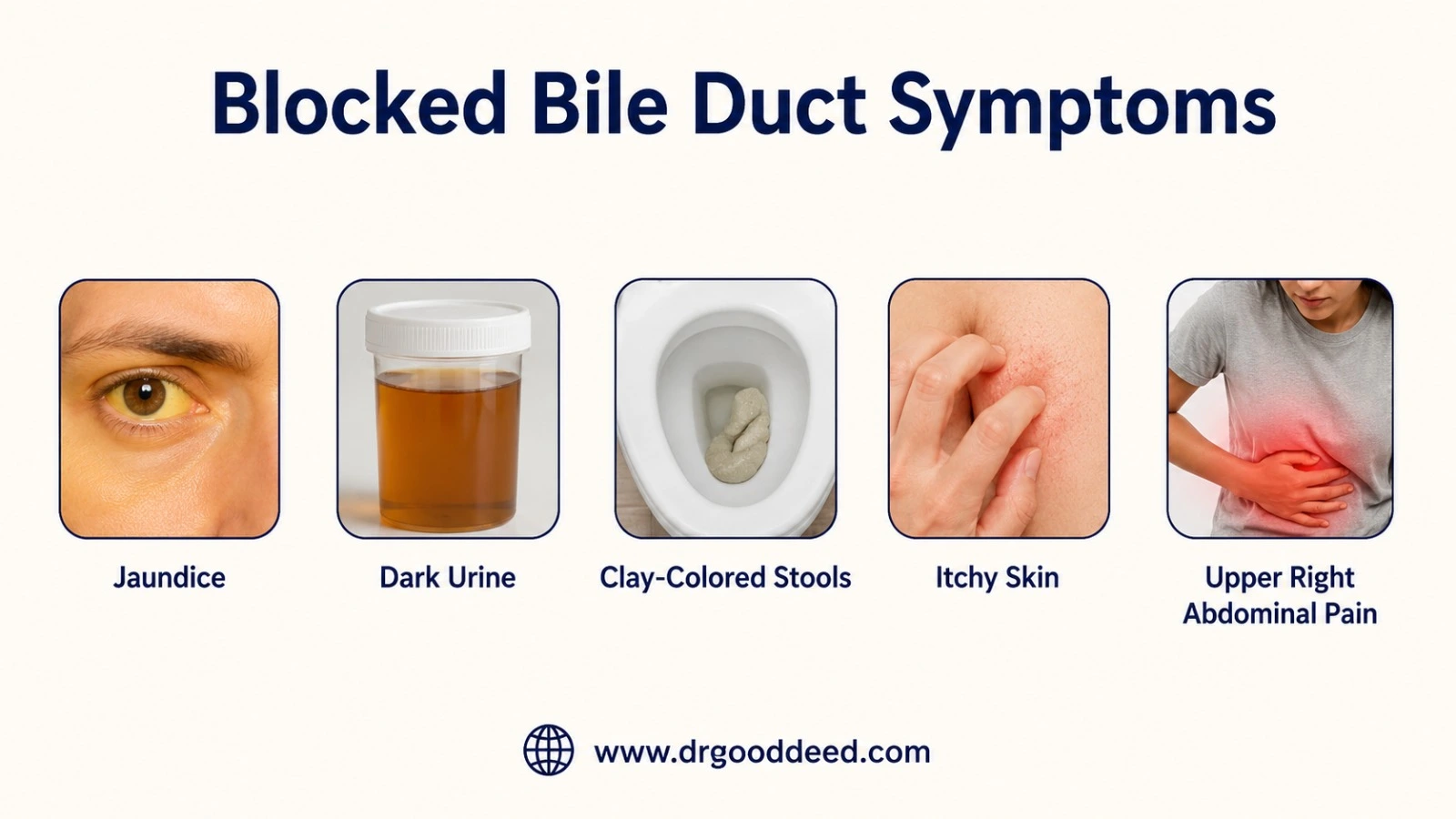
Blocked bile duct symptoms follow a fairly predictable pattern, and recognizing them early often makes the difference between an outpatient procedure and a hospital admission.
Jaundice
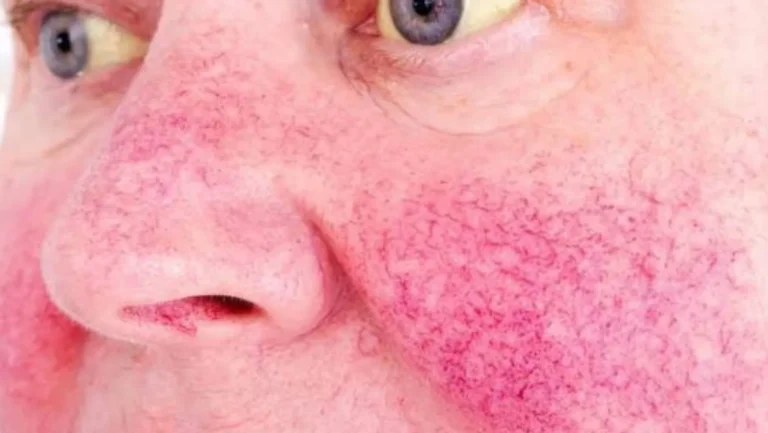
Jaundice turns skin yellow as bilirubin, a yellow pigment normally removed by bile, builds up in the bloodstream instead. Among the blocked bile duct symptoms, this is usually the first one someone notices, often before they feel sick in any other way.
Yellowing of the Eyes
The whites of the eyes, called the sclera, turn yellow even before skin color changes much. Doctors check this spot first during an exam since it shows up early and is hard to miss in good lighting.
Dark Urine
Urine turns dark, almost tea-colored, as the kidneys filter out excess bilirubin the liver can’t clear normally. This symptom often appears a day or two before skin yellowing becomes obvious.
Pale or Clay-Colored Stools
Stool gets its brown color from bile pigments. Without bile reaching the intestine, stool turns pale, gray, or clay-colored, a specific visual cue many patients describe to doctors before any other symptom.
Itchy Skin
Bile salts that can’t drain normally build up under the skin and trigger intense itching, sometimes worse at night. This itch often doesn’t respond to regular lotions or antihistamines, a clue doctors use during evaluation.
Upper Right Abdominal Pain
Pain sits under the right ribs, where the gallbladder and bile ducts are located. Among all blocked bile duct symptoms, this one ranges from a dull ache to sharp, cramping pain depending on the cause.
Common Causes of Bile Duct Obstruction
Gallstones causing bile duct obstruction account for the majority of cases, but five other causes show up often enough that doctors check for all of them. Understanding gallstones as the leading mechanism causing bile duct obstruction helps explain why imaging always starts with a gallbladder check first.
| Cause | How It Blocks the Duct | Typical Patient |
| Gallstones | Stone migrates from gallbladder into duct | Adults with gallstone history |
| Strictures | Scar tissue narrows the duct | Post-surgery or chronic inflammation |
| Inflammation/infection | Swelling narrows duct walls | Immunocompromised patients |
| Pancreatitis | Swollen pancreas presses on nearby duct | Heavy alcohol use, gallstones |
| Tumors/cancer | Mass grows into or around duct | Older adults, pancreatic cancer |
| Surgical scar tissue | Injury during prior surgery heals into stricture | Prior gallbladder removal |
Gallstones
Gallstones form in the gallbladder and sometimes travel into the common bile duct, where they get stuck. Gallstones causing constipation explain most emergency room visits tied to this condition.
Bile Duct Strictures
Scar tissue narrows the duct over time, often after surgery, chronic pancreatitis, or autoimmune conditions like primary sclerosing cholangitis. This stricture-driven bile duct obstruction tends to develop slowly, so symptoms creep in rather than hit suddenly.
Inflammation and Infection
Swelling from infection narrows the duct from the inside, and people with weakened immune systems face higher risk here. This cause overlaps heavily with cholangitis, a serious complication covered below.
Pancreatitis
The pancreas sits right next to the bile duct’s lower end, so a swollen, inflamed pancreas can squeeze the duct shut from the outside. Gallstone pancreatitis is common enough that doctors check the bile duct whenever pancreatitis shows up.
Tumors and Cancer
Pancreatic cancer, cholangiocarcinoma, and tumors near the duct’s opening into the intestine all cause bile duct obstruction by growing into or pressing against the duct. This cause tends to come with the slowest, most gradual symptom buildup.
Post-Surgical Scar Tissue
Gallbladder removal surgery occasionally injures the bile duct, and the healing scar narrows the duct months or years later. This delayed timing catches some patients off guard since they don’t connect new symptoms to old surgery.
Complications of Untreated Bile Duct Obstruction
Untreated bile duct obstruction doesn’t stay mild for long. Five complications follow a fairly predictable timeline, and the first one on this list can turn life-threatening within hours.
Cholangitis
Bacteria climb up the blocked duct and infect the bile, causing fever, chills, and severe pain alongside jaundice. This is the complication doctors worry about most with bile duct obstruction: acute cholangitis carries a mortality rate between 5% and 30% depending on severity, which is why doctors treat suspected cases as urgent.
Liver Damage
Backed-up bile damages liver cells directly, and prolonged blockage can scar liver tissue permanently. This damage often shows up on blood tests before a person notices any new symptoms.
Sepsis
Infection from cholangitis can spread into the bloodstream, triggering sepsis, a body-wide inflammatory response that can shut down organs fast. This is the complication that turns a gallstone problem into an ICU admission.
Malabsorption of Nutrients
Without bile reaching the intestine, fat and fat-soluble vitamins A, D, E, and K don’t absorb properly. Weight loss and vitamin deficiency follow if bile duct obstruction runs for weeks rather than days.
Progressive Liver Disease
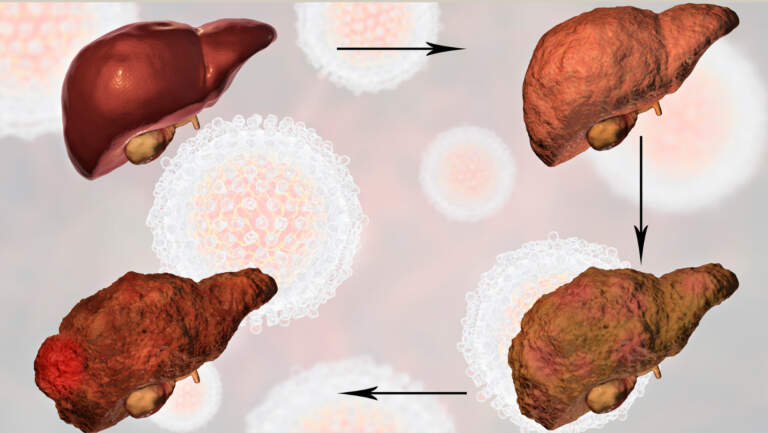
Long-term, unresolved bile duct obstruction can progress to biliary cirrhosis, permanent liver scarring that doesn’t reverse. This outcome is largely preventable with timely treatment, which is the whole point of catching obstruction early.
Treatment Options for Bile Duct Obstruction
Treatment options for bile duct obstruction depend almost entirely on the cause, but most paths start with the same first step: getting the blockage open again, fast.
Endoscopic Treatment
The ERCP procedure for blocked bile duct cases threads a scope down through the mouth and stomach to reach the bile duct directly. High-volume centers report ERCP success rates above 95% for clearing stones and placing stents, though the procedure carries its own risks, including pancreatitis in roughly 3% to 15% of cases.
Medication for Infection
Antibiotics treat cholangitis once infection sets in, usually started before imaging even confirms the exact blockage location. For confirmed acute cholangitis, current guidelines support ERCP (endoscopic retrograde cholangiopancreatography) within 24 hours alongside antibiotics, since faster drainage improves outcomes.
Surgical Intervention
Surgery removes the blockage directly when endoscopy can’t reach it or fails to clear it, common for certain tumors or complex strictures. Among treatment options for bile duct obstruction, this path carries more recovery time than ERCP but sometimes offers the only real fix.
Biliary Stenting
Doctors place a small tube inside the duct to hold it open, one of the most common treatment options for bile duct obstruction caused by tumors or strictures. Metal stents stay patent roughly three times longer than plastic ones, around 272 days versus 96 days in one randomized trial, but plastic stents cost less and suit patients needing shorter-term drainage.
Cancer-Specific Treatments
When bile duct obstruction comes from a tumor, treatment combines stenting for symptom relief with chemotherapy, radiation, or surgery aimed at the cancer itself. Stent choice shifts toward metal options when life expectancy runs past 4 to 6 months, since metal stents hold up longer.
FAQ
What is bile duct obstruction?
A blockage stopping bile from flowing between the liver and small intestine, most often from a gallstone. It causes bilirubin buildup, leading to jaundice, dark urine, and pale stools within days.
Is bile duct obstruction a medical emergency?
Yes, especially with fever or confusion present. Those signs suggest cholangitis, a bacterial infection of the bile duct, carrying a 5% to 30% mortality rate without rapid treatment.
What causes jaundice in bile duct obstruction?
Blocked bile traps bilirubin in the bloodstream instead of letting it leave through stool. Bilirubin deposits in skin and eye tissue, turning both yellow within one to three days of blockage onset.
What is an ERCP procedure?
The ERCP procedure for blocked bile duct cases passes a scope through the mouth into the small intestine to access and treat the bile duct directly. It removes stones, places stents, and diagnoses blockages in one combined procedure.
Can ERCP remove gallstones from the bile duct?
Yes, in most cases. The same ERCP procedure for blocked bile duct stones reports success rates above 95% at high-volume centers, using a small basket or balloon threaded through the scope to pull stones out directly.
Can a blocked bile duct heal on its own?
Rarely, and only with small gallstones that pass naturally. Strictures, tumors, and larger stones need direct intervention; waiting risks cholangitis, so any jaundice warrants prompt evaluation rather than watching.
What foods should I eat after bile duct treatment?
Low-fat meals ease digestion while bile flow normalizes. Lean protein, cooked vegetables, and small frequent meals reduce strain; full-fat, fried, or greasy foods often trigger discomfort during recovery.
How long does recovery take after ERCP?
Most patients go home the same day or after one overnight stay. Full recovery from soreness takes about a week, though jaundice and lab values typically normalize within two to four weeks.
Can pancreatic cancer cause bile duct obstruction?
Yes, frequently. Tumors near the pancreatic head press against the duct’s lower end, and bile duct blockage is often the first noticeable symptom that leads to a pancreatic cancer diagnosis.
Sources
- Bile Duct Obstruction: Symptoms, Causes & Treatment – Cleveland Clinic
- Bile Duct Obstruction – MedlinePlus Medical Encyclopedia
- Tokyo Guidelines (TG18) for Acute Cholangitis Provide Improved Specificity and Accuracy – PMC
- Post-ERCP Pancreatitis: Prevention, Diagnosis and Management – PMC
- Post-ERCP Complications: A Systematic Review of Microbial Patterns, Incidence, Risk Factors – PMC
- Common Bile Duct Obstruction Due to Malignancy: Treatment with Plastic versus Metal Stents – Radiology/PubMed
- Fully Covered Metal Biliary Stents: A Review of the Literature – PMC
Disclaimer: This article is for general education and doesn’t replace a diagnosis or treatment plan from a licensed physician. Seek medical care promptly if you notice yellowing skin or eyes, since a blocked bile duct can become a medical emergency.