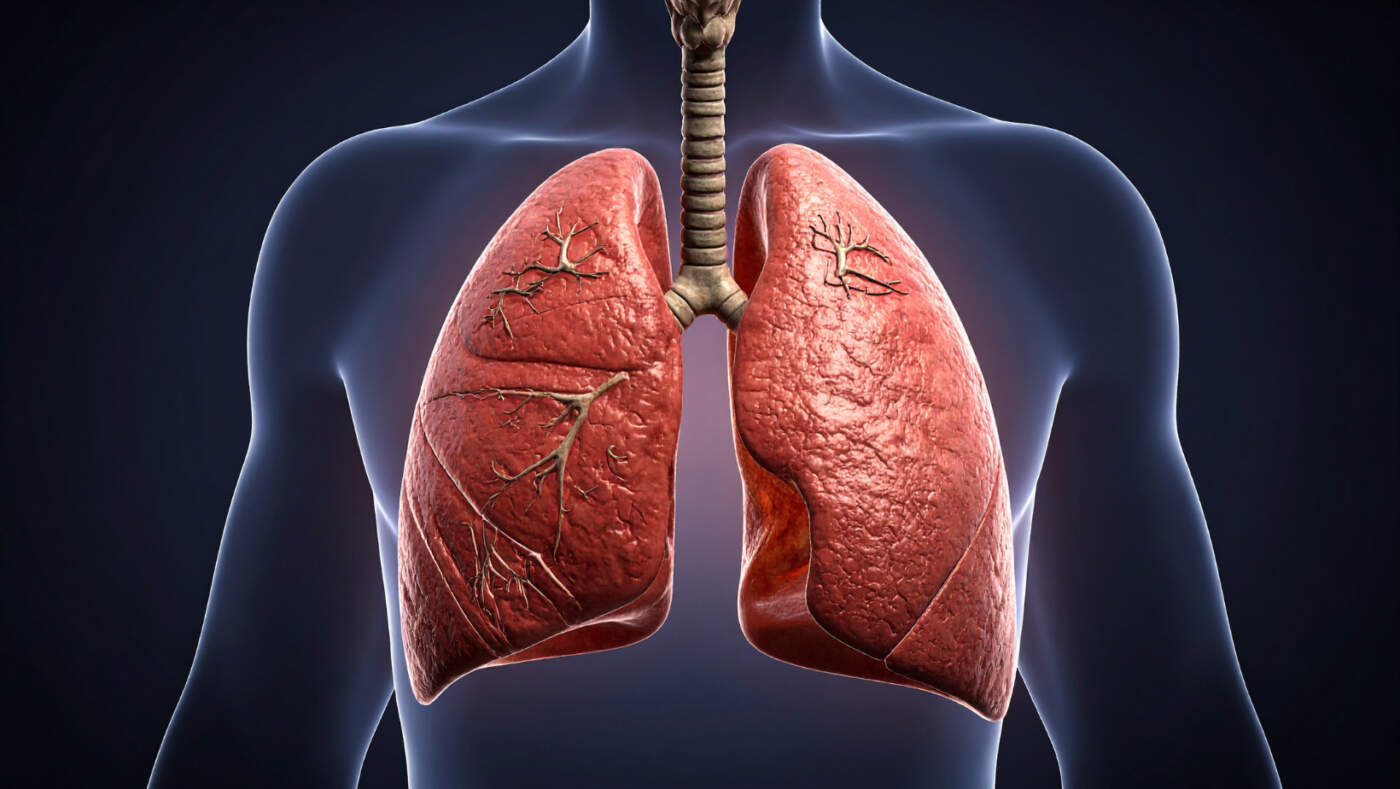

You can live with one lung. Pneumonectomy, the surgical removal of an entire lung, is a recognized treatment for lung cancer, severe infection, and major chest trauma, and patients survive long-term after it. The body adapts in ways most people never expect, and the remaining lung doesn’t just sit there doing half the work.
This guide covers why lungs get removed, how the body adapts, and what daily life actually looks like, in the US and everywhere else.
How One Lung Can Keep You Alive
You can live with one lung and still breathe normally. Humans are born with far more lung capacity than we ever use in daily life. Walking, talking, and most chores need only a fraction of maximum lung function, the reserve most people never touch. The heart and blood vessels adjust over months, redirecting blood flow entirely through the one lung left.
The remaining lung expands into the empty space, and the body extracts oxygen from each breath more efficiently than before. Most people don’t lose 50% of their breathing ability after losing one lung. The actual functional loss runs lower, because lung expansion and better oxygen extraction make up real ground.
Why Is Lung Removed?
A pneumonectomy is when surgeons remove a lung only when the alternative is worse, and understanding the five main reasons explains why you can live with one lung.
Lung Cancer
Lung cancer is the leading reason for pneumonectomy, especially for tumors sitting near the center of the chest where a smaller surgery can’t fully remove the disease. This is the starting point for most life with one lung stories: a 2024 study found the 5-year survival rate after pneumonectomy for lung cancer sits at 38.5%, with some patients living 15 to 20 years past surgery.
Severe Lung Infections
Tuberculosis scarring, fungal infections, and destroyed lung tissue from chronic infection sometimes leave a lung beyond saving. Removing it stops the infection from spreading, an important piece of life with one lung through real medical necessity rather than choice.
Traumatic Lung Injury
Severe chest trauma, from car accidents or penetrating injuries, can damage a lung past repair. Emergency pneumonectomy in these cases is rare but lifesaving when bleeding or air leaks can’t be controlled any other way.
Congenital Lung Conditions
Some people are born with one lung that never develops properly. Surgeons sometimes remove a severely malformed lung in childhood, letting the working lung grow and adapt early.
Advanced Lung Disease
Bronchiectasis and certain advanced structural lung diseases can destroy a lung’s function entirely, making removal the better option over a lung that does more harm than good by staying.
How the Remaining Lung Adapts
How the remaining lung adapts involves three separate physiological processes work together, and most blogs only mention one of them.
Expansion of the Remaining Lung
The remaining lung physically grows into the empty chest cavity, a process doctors call compensatory hyperinflation. You can live with one lung and CT studies show it measurably increases the lung’s ventilation capacity within the first year after surgery.
The Heart and Diaphragm Shift Position
The heart and major airways shift toward the empty side of the chest, called mediastinal shift. The diaphragm on the surgery side rises higher too, both changes that help fill the empty space and support the one working lung.
The Body Learns to Use Oxygen More Efficiently
Beyond expansion, the body recruits existing reserves in the remaining lung’s blood vessels, remodels its capillary network, and in some cases grows new alveolar tissue. These three mechanisms, working together rather than just simple lung stretching, are the real engine behind whether you can live with one lung without losing as much function as people expect.
Long-Term Physiological Adaptations
Lung volume and diffusing capacity, the lung’s ability to move oxygen into blood, keep improving for months after surgery, a clear sign of how the remaining lung adapts over time rather than all at once. One study tracking lung function after similar lung resections found values recovering from 71% to 96% of baseline over a full year.
Factors Affecting Recovery
Age, pre-surgery lung function, and which side was operated on all shape recovery after lung-removal surgery. Right-side pneumonectomy carries more risk of post-pneumonectomy syndrome, where the shifted structures compress the remaining airway.
Daily Life Challenges With One Lung
Daily life challenges with one lung show up differently for everyone, but five patterns repeat across most patients’ recovery experience.
Shortness of Breath During Activity
Climbing stairs or walking uphill triggers breathlessness faster than before surgery. This typically improves over the first 6 to 12 months as the remaining lung adapts and expands.
Reduced Exercise Capacity
Maximum exercise capacity drops measurably after pneumonectomy, and clinical studies confirm this exercise intolerance can extend even to upper-body activity, not just walking or running.
Fatigue
Breathing takes more effort with one lung, and that effort burns more energy across an ordinary day. Among all daily life challenges with one lung, many patients describe fatigue as the one they underestimated most before surgery.
Respiratory Infections
A single working lung has zero backup if infection sets in. Pneumonia occurred nearly three times more often in pneumonectomy patients compared to lobectomy patients in long-term tracking data, making infection prevention a real priority, not an afterthought.
Emotional and Psychological Adjustments
Anxiety about breathlessness, fear of infection, and adjusting to a changed body all show up after surgery. Support groups and counseling help many patients work through this alongside the physical recovery.
Less-Known Risks For People with One Lung
These risks rarely make it into mainstream articles about living with one lung, yet they matter just as much as the physical recovery itself.
- Respiratory infections matter more: a cold that’s mild for most people can turn into pneumonia faster with no backup lung to compensate.
- Air pollution has a bigger impact: smog, wildfire smoke, and poor air quality strain a single lung more than two healthy ones, raising hospitalization risk on bad air days.
- Weight gain affects breathing disproportionately: extra weight on the chest and abdomen restricts the diaphragm’s movement, and that restriction hits harder with only one lung doing the work.
- Certain medications may worsen breathing: some sedatives, opioids, and beta-blockers slow breathing rate or narrow airways, effects that matter more without a second lung’s reserve capacity.
Tips for Living Well With One Lung
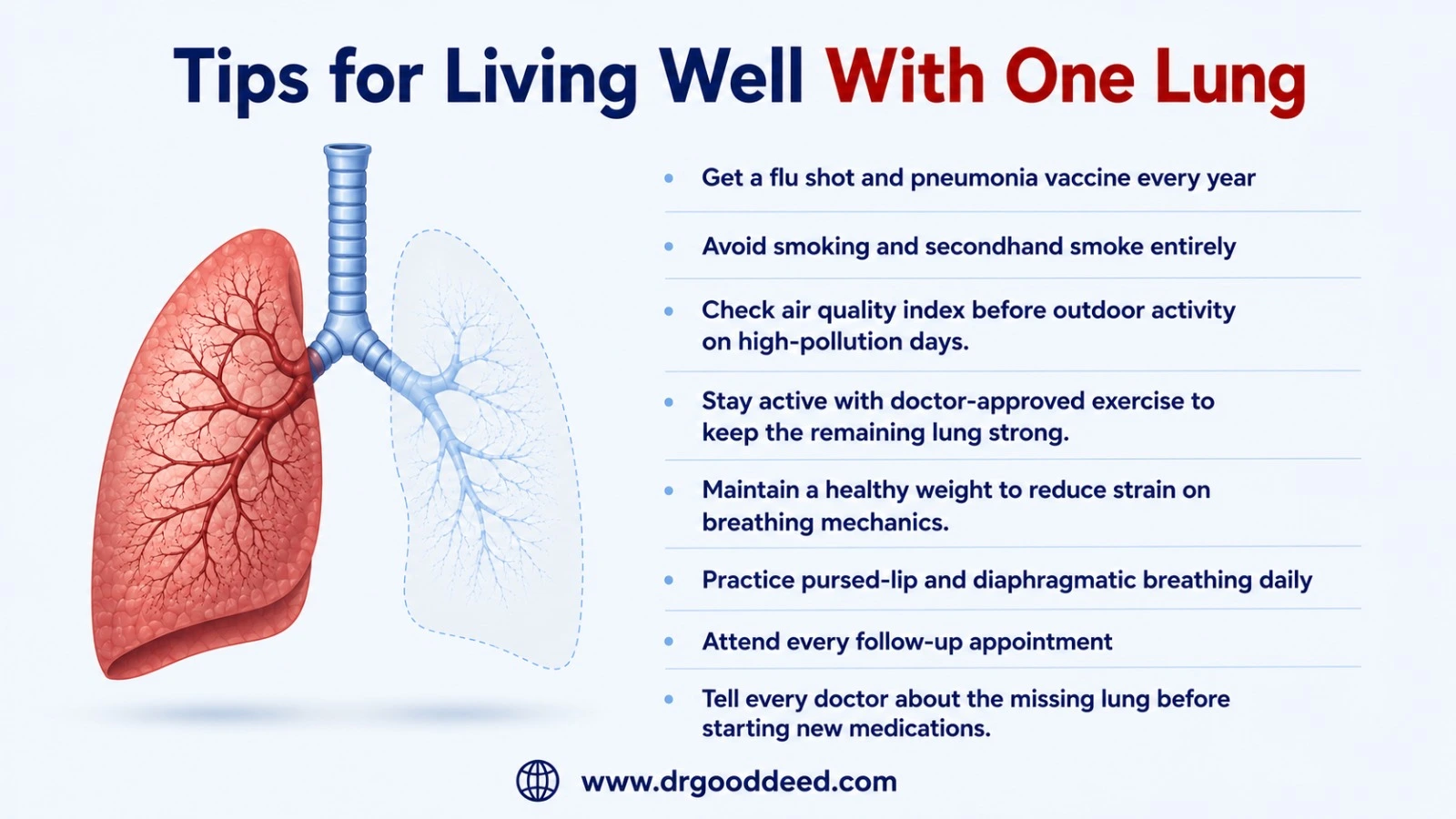
Daily habits matter as much as the surgery itself, and breathing exercises for people with one lung belong at the center of any long-term routine.
- Get a flu shot and pneumonia vaccine every year, since respiratory infections hit harder with one lung.
- Avoid smoking and secondhand smoke entirely, no exceptions.
- Check air quality index before outdoor activity on high-pollution days.
- Stay active with doctor-approved exercise to keep the remaining lung strong.
- Maintain a healthy weight to reduce strain on breathing mechanics.
- Practice pursed-lip and diaphragmatic breathing daily, even after recovery feels complete.
- Attend every follow-up appointment, since lung function needs regular monitoring.
- Tell every doctor about the missing lung before starting new medications.
Who Has the Best Chances of Living a Long, Healthy Life With One Lung?
You can live with one lung for decades rather than years. Outcomes split sharply by why the lung was removed and how healthy the person was beforehand. Younger patients, non-smokers, and those with strong pre-surgery lung function see the smoothest recovery after lung removal surgery. Patients operated on for trauma or benign disease generally do better long-term than those treated for advanced cancer, since cancer-related survival reflects the disease stage more than the surgery itself.
FAQ
How long can someone live with one lung?
Decades, depending on the surgery’s cause. You can live with one lung to a normal age. Trauma and benign-disease patients often reach normal life expectancy; lung cancer patients show a 38.5% five-year survival rate after pneumonectomy, with some living 15 to 20 years.
Can people exercise with one lung?
Yes, with adjusted expectations. Exercise capacity drops measurably after pneumonectomy, but supervised aerobic and upper-body training programs improve endurance significantly within months of starting.
What breathing exercises help after lung removal surgery?
The two core breathing exercises for people with one lung are pursed-lip breathing, exhaling slowly through pursed lips for 4 to 6 seconds, and diaphragmatic breathing. Both improve oxygen levels and reduce breathlessness, confirmed across multiple randomized post-surgery trials.
Is it harder to breathe with one lung?
Yes, especially during exertion. At rest, the expanded remaining lung handles oxygen needs well; physical activity is where the reduced reserve capacity becomes noticeable.
Can you live a normal life with one lung?
Yes, for most non-cancer cases. You can live with one lung and still work, travel, and exercise. Most patients do, once the remaining lung fully adapts, typically within 6 to 12 months after surgery.
Why would a person need a pneumonectomy?
Central lung tumors, destroyed lung tissue from severe infection, traumatic injury beyond repair, congenital malformation, or advanced structural lung disease are the five main reasons surgeons remove an entire lung.
What is recovery like after lung removal surgery?
Hospital stay runs about a week; full recovery after lung removal surgery takes several months. Lung function and exercise tolerance keep improving for up to 12 months as the remaining lung expands and adapts.
Are there dietary recommendations for people with one lung?
Smaller, frequent meals reduce abdominal pressure on the diaphragm, easing breathing. Adequate protein supports respiratory muscle strength, and limiting sodium helps prevent fluid retention that strains breathing further.
What complications can occur after lung removal?
Pneumonia, post-pneumonectomy syndrome from mediastinal shift compressing the airway, bronchopleural fistula, and cardiac arrhythmias are documented risks, with pneumonia occurring nearly three times more often than after smaller lung surgeries.
How can I protect my remaining lung?
Get annual flu and pneumonia vaccines, avoid smoke and air pollution, maintain healthy weight, and treat any respiratory infection immediately rather than waiting to see if it resolves on its own.
Sources
- Pneumonectomy – StatPearls – NCBI Bookshelf
- Lung Cancer Pneumonectomy: 5-Year Survival Data – Journal of Thoracic Disease, cited via Lung Cancer Group
- Propensity-Matched Analysis Demonstrates Long-Term Risk of Respiratory and Cardiac Mortality Following Pneumonectomy Compared with Lobectomy – PMC
- Morphological and Functional Analysis of Residual Lung After Pneumonectomy via 3D-CT Method – PMC
- Preventing Mediastinal Shift After Pneumonectomy Does Not Abolish Physiological Compensation – Journal of Applied Physiology
- Long-Term Follow-Up After Laser-Assisted Pulmonary Metastasectomy Shows Complete Lung Function Recovery
- Pursed-lip Breathing – StatPearls – NCBI Bookshelf