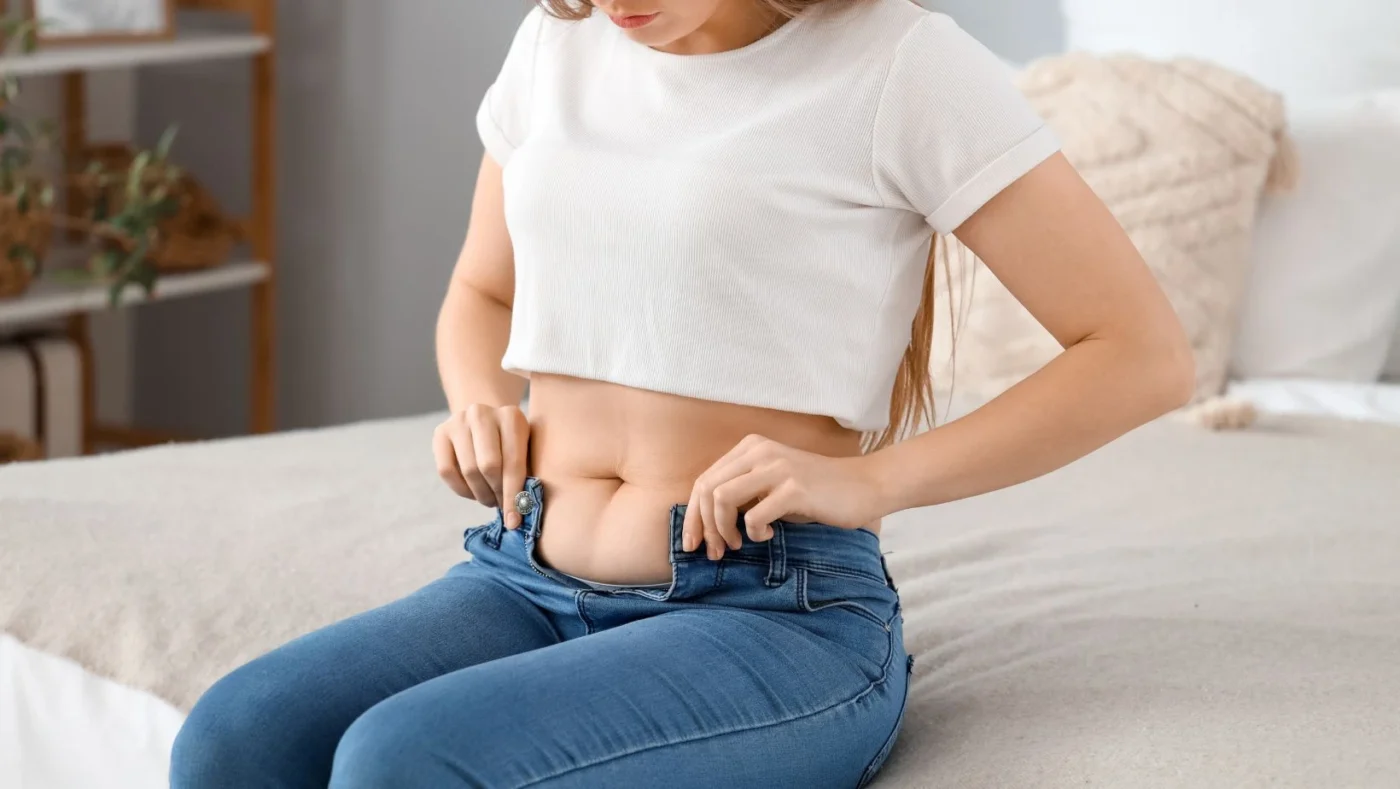

Medical Disclaimer: Temporary weight gain during your period is often linked to fluid retention, bloating, and hormonal changes. Consult a healthcare professional if weight changes are persistent, sudden, or accompanied by severe symptoms.
Weight gain during period cycle is usually temporary. It comes from fluid retention, bloating, slower bowel movement, and stronger hunger during PMS, not new body fat. PMS is a recognized menstrual condition, and symptoms like bloating, food cravings, fatigue, and weight gain are common before bleeding starts.
Weight gain during the period cycle often starts in the days after ovulation and eases when bleeding begins. Hormone imbalance change how the body holds water and how the gut moves, so the scale can rise fast and then settle. This guide covers the causes, symptoms, relief steps, and warning signs.
Why Weight Changes Happen During the Menstrual Cycle
4
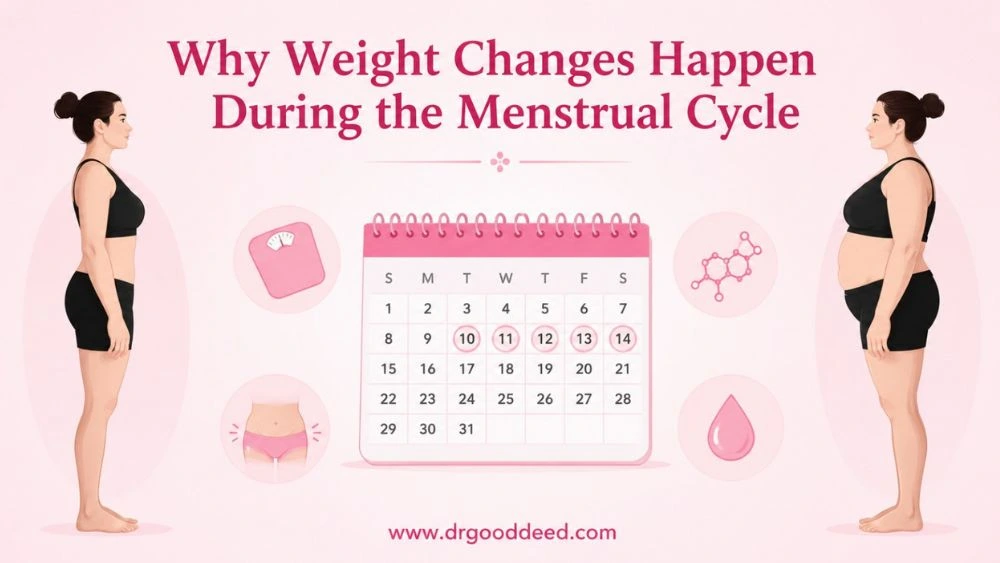
Weight gain during period cycle happens because the body changes before a period. Estrogen and progesterone shift, water balance changes, and the gut can slow down.
Estrogen and progesterone fluctuations
Estrogen and progesterone do not stay flat across the month. They rise and fall in a set pattern. Those shifts change how the body holds fluid and how the breasts and belly feel. That is why the body can feel heavier before the period starts.
Water retention during menstrual cycle
Water retention during menstrual cycle is one main reason the scale jumps. Hormone changes are the likely cause of the body holding water before a period. Salt-heavy meals can make the swelling feel stronger.
Digestion slowing and bloating effects
Progesterone can slow gut movement. A peer-reviewed review found progesterone inhibits gastrointestinal motility. Slower movement can trap gas and stool, which makes the belly look and feel larger.
How Hormones Affect Weight During Menstruation
Hormones affect weight during menstruation, which comes down to fluid, appetite, and energy use. Hormone swings can make the body keep more water, want more food, and feel less active. The result looks like weight gain, even when fat has not changed.
Hormonal shifts increasing fluid retention
When hormone levels change, the body can hold on to sodium and water. That can puff up the abdomen, hands, feet, and face. That can also show up as a fast, temporary rise on the scale.
Appetite and metabolism changes
Hormone swings can change hunger signals. Some people feel hungry sooner, then reach for quick food. This is part of how hormones affect weight during menstruation because the body changes both appetite and energy use.
PMS-related fatigue and reduced activity
PMS can bring fatigue and low energy. MedlinePlus lists fatigue as a common PMS symptom. Less movement plus more sitting can make the body hold fluid longer and can make bloating feel worse.
PMS Cravings and Calorie Intake
PMS cravings and calorie intake often rise together in the days before bleeding. Food cravings, mood shifts, and fatigue can push a person toward salty or sweet snacks.
Sugar cravings before periods
Sweet foods can feel more tempting before a period. The body wants quick energy when sleep is poor or mood is off. That is one reason PMS cravings and calorie intake can climb in a short window.
Emotional eating and stress hormones
Stress makes cravings louder. Tired people often choose fast snacks because they feel easier to eat. This changes appetite and energy use.
Energy fluctuations influencing hunger
Low energy can feel like hunger. Some people eat more after a bad night of sleep or a rough workday. That mix makes eating harder to control in the premenstrual phase.
How to Reduce Period Bloating and Weight Gain
Reduce period bloating and weight gain by cutting salt, drinking water, moving daily, and eating smaller meals. Water-retention help with fluid, digestion, and PMS discomfort without adding complexity, and they can also reduce weight gain during period cycle spikes.
- Cut salty packaged meals. Foods to avoid during PMS bloating include chips, instant noodles, fast food, and very salty soups. Salt pulls in more water.
- Drink plain water often. This helps the body release extra sodium and can ease constipation. It also helps reduce period bloating and weight gain.
- Eat smaller meals. Large meals stretch the stomach and make bloating feel worse.
- Walk, stretch, or cycle for 15 to 30 minutes. Movement helps fluid move and supports bowel activity.
- Limit caffeine and alcohol.
- Choose calcium-rich foods such as yogurt, leafy greens, or fortified milk. Avoiding foods to avoid during PMS bloating also helps the abdomen feel less tight.
Is Period Weight Gain Actual Fat Gain?
Weight gain during period cycle is usually not fat gain. It is mostly fluid, gas, stool, and food still moving through the gut. Once hormones shift again, the body drops that extra fluid and the scale usually settles.
Difference between water weight and fat gain
Water weight changes fast. Fat gain does not. If the scale jumps in one or two days, the cause is usually fluid or digestion, not stored fat. That is the clearest reason weight gain during period cycle feels sudden.
Temporary scale fluctuations explained
The body can hold more water before bleeding starts, then let it go after the period begins. PMS signs usually disappear within four days after the period starts for most women. That matches the common pattern on the scale.
Why weight usually normalizes after periods
Once hormone levels shift again, fluid retention drops. Digestion also settles for many people. Weight gain during period cycle usually fades without treatment when the period ends or soon after.
Symptoms That May Accompany Period Weight Gain
Weight gain during period cycle rarely comes alone. Bloating, breast tenderness, constipation, tiredness, mood swings, and food cravings often show up together. ACOG, MedlinePlus, and Mayo Clinic list these as common PMS symptoms.
- Belly feels tight or stretched.
- Clothes fit more tightly at the waist.
- Breasts feel sore or swollen.
- Hands, feet, or face look puffy.
- Constipation or loose stools.
- Headache or low energy.
- Cravings for salty or sweet food.
If swelling comes with heavy pain, shortness of breath, or one-sided leg swelling, that needs medical attention. Those signs do not fit normal PMS alone.
FAQs
Why does water retention increase before or during periods?
Yes. Water retention during menstrual cycle rises because hormone shifts change how the body handles salt and fluid. Salt-heavy meals, poor sleep, and low movement can make it worse. The swelling usually drops after bleeding begins.
Is period-related weight gain usually temporary?
Yes. Weight gain during period cycle is usually temporary. PMS signs fade for most women within four days after the period starts. If the weight stays up after that, another cause needs a check.
Can hormonal changes increase cravings and appetite during PMS?
Yes. PMS cravings and calorie intake often rise together before a period. Hormone shifts can make quick-energy foods feel more appealing, especially when sleep is poor or stress is high.
What foods commonly worsen menstrual bloating?
Salt-heavy processed foods, fizzy drinks, and large late meals are foods to avoid during PMS bloating. They add sodium, gas, and stomach stretch, so the belly feels tighter and fuller.
How does exercise help reduce period bloating and discomfort?
Light walking, cycling, or stretching can reduce period bloating and weight gain by moving fluid, easing constipation, and lowering stress tension. ACOG includes exercise in PMS care, and Mayo Clinic lists lifestyle changes for relief.
Can dehydration make bloating worse during menstruation?
Yes. Low fluid intake can make the body hold on to water and can slow the bowel. That makes swelling and belly pressure feel worse, even when the body needs more water.
Why do some people gain more water weight during their cycle than others?
Some people react more strongly to hormone shifts. Stronger PMS, more salt, less sleep, and less movement can all make swelling more noticeable. That is a common pattern in how hormones affect weight during menstruation.
Are digestive issues common during hormonal changes?
Yes. Progesterone can slow gut movement, so gas and constipation are common. That can make the belly feel bigger and can add to water retention during menstrual cycle symptoms.
What is the difference between bloating and actual fat gain?
Bloating changes fast and feels tight. Fat gain builds slowly from extra calories over time. A period belly that eases after bleeding is usually fluid and gas, not fat.
When should menstrual swelling or weight changes be medically evaluated?
Get checked if weight gain during period cycle lasts past the period, happens with irregular periods, heavy bleeding, acne, or one-sided leg swelling, or comes with shortness of breath. Those signs can point to PMS problems, edema, PCOS, or another condition.