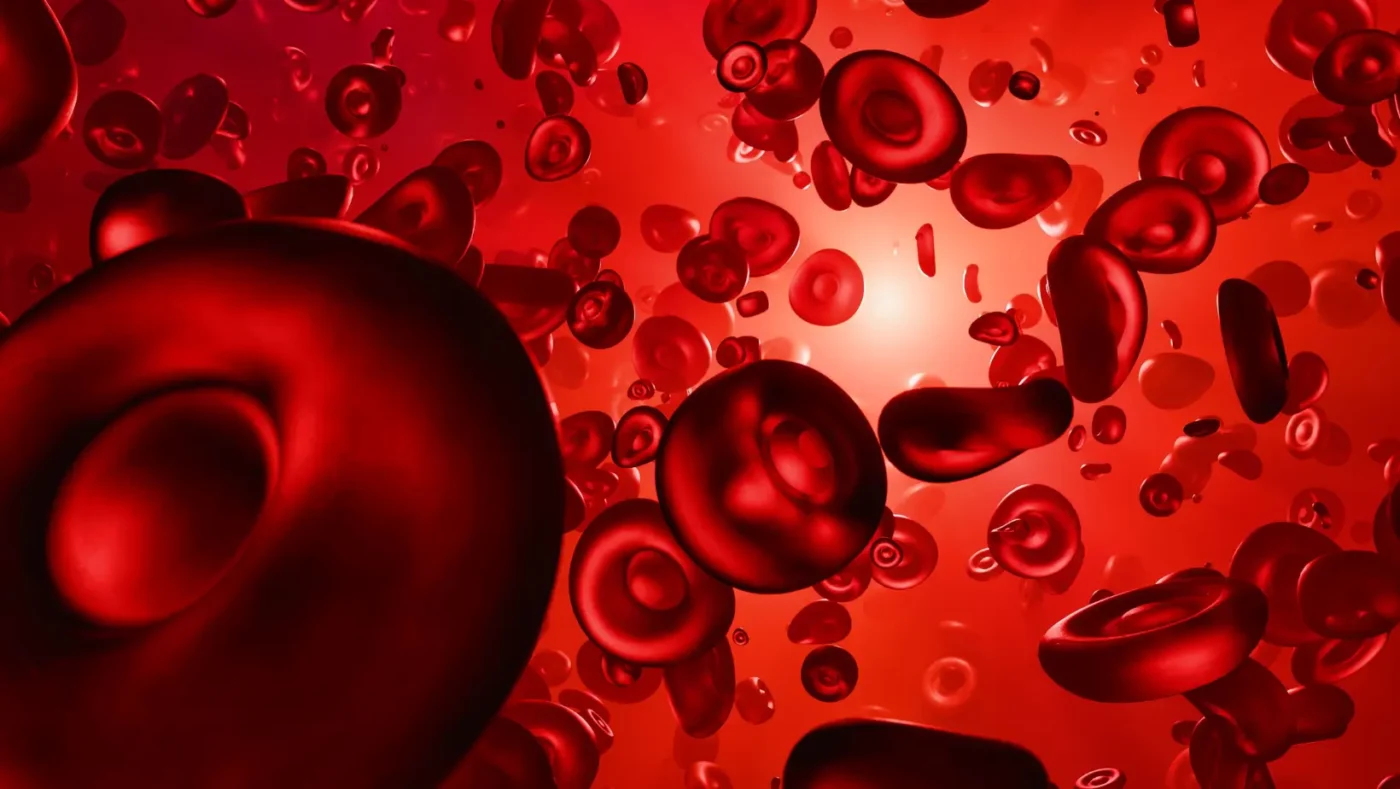

Cancer that causes low hemoglobin is most closely linked to blood cancers, colon cancer, stomach cancer, and bone marrow disease. Hemoglobin is the protein inside red blood cells that carries oxygen to every organ. When it drops, you feel tired, pale, and short of breath, and it is called anemia.
In the USA, up to 75% of cancer patients develop it at some point. Low hemoglobin is a lab finding, not a diagnosis by itself. Cancer is one possible cause among many, including iron deficiency and kidney disease.
What Type of Cancer Causes Low Hemoglobin?
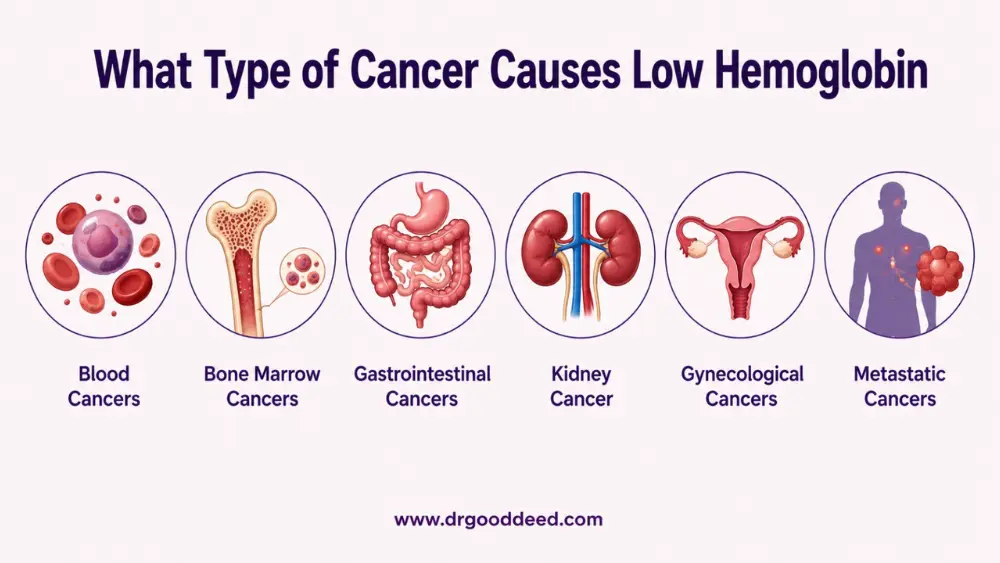
Cancer that causes low hemoglobin works differently depending on the cancer type. Some attack the bone marrow directly. Others cause slow internal bleeding or release inflammatory proteins that block red blood cell production.
Blood Cancers (Leukemia, Lymphoma, Multiple Myeloma)
Leukemia, lymphoma, and multiple myeloma grow inside the bone marrow, which is where red blood cells are made. Cancer cells crowd healthy marrow out and production drops fast, sometimes within weeks. These are the most direct form of cancer that causes low hemoglobin because they attack production at the source.
Bone Marrow Cancers
Myelodysplastic syndrome (MDS) is a bone marrow cancer where the marrow produces defective red blood cells that die too quickly. MDS is a confirmed cancer that causes low hemoglobin and is often caught on routine bloodwork before major symptoms appear.
Gastrointestinal (GI) Cancers
Cancers in the colon, stomach, esophagus, and small intestine bleed slowly into the gut without any external sign. Over weeks, iron stores deplete and hemoglobin falls. GI tumors are a leading cancer that causes low hemoglobin in adults over 50 through slow, invisible blood loss.
Kidney Cancer
Your kidneys produce erythropoietin (EPO), a hormone that tells the bone marrow to make red blood cells. Kidney tumors damage EPO-producing tissue, so fewer red blood cells form and hemoglobin falls. Kidney cancer that causes low hemoglobin works through hormonal disruption, not bleeding.
Gynecological Cancers
Cervical and uterine cancers cause abnormal, prolonged bleeding from the reproductive tract. Ongoing blood loss depletes iron and lowers hemoglobin over weeks or months. These are notable examples of cancer that causes low hemoglobin in women with unexplained heavy periods.
Metastatic Cancers
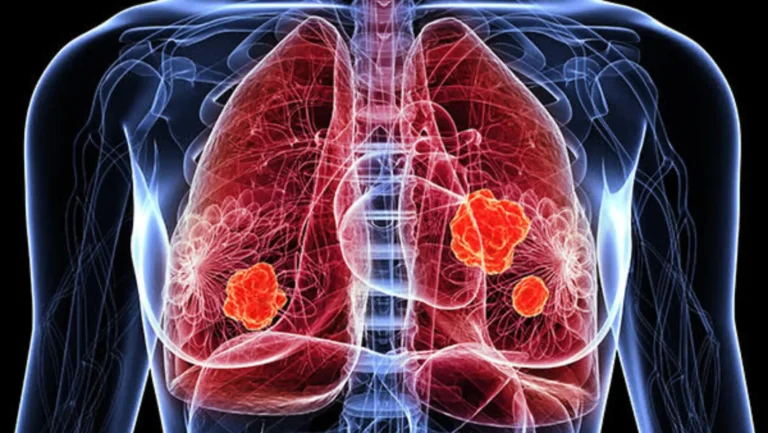
When cancer from the breast, lung, or prostate spreads into the bone marrow, it crowds out healthy marrow tissue. Metastatic cancer that causes low hemoglobin tends to cause severe anemia because multiple marrow sites are affected at once.
Cancers That Can Cause Anemia
Cancers that can cause anemia span digestive tract tumors, blood cancers, and gynecological malignancies. The drop in hemoglobin follows different routes, but the result is the same: less oxygen reaches your organs and symptoms follow.
Colon Cancer
Colon cancer causing low hemoglobin is among the most common cancer-anemia presentations in the USA. Colon tumors bleed slowly for months without any visible blood in the stool, quietly draining iron. A low hemoglobin reading on a routine CBC is often the first clue and is what triggers a colonoscopy that catches the cancer early.
Stomach Cancer
Stomach tumors bleed internally and disrupt vitamin B12 absorption, an essential nutrient for red blood cell production. Stomach cancer that causes low hemoglobin works through two paths at once: blood loss and B12 deficiency.
Esophageal Cancer
Esophageal tumors bleed and make swallowing painful, leading to poor nutrition. Combined with slow tumor bleeding, this makes esophageal cancer a clear cancer that causes low hemoglobin through both blood loss and malnutrition.
Small Intestinal Cancer
Small intestinal cancer is rare but bleeds deep in the digestive system, where blood stays invisible. In some adults, unexplained low hemoglobin is the only early sign before the tumor is identified.
Kidney and Bladder Cancer
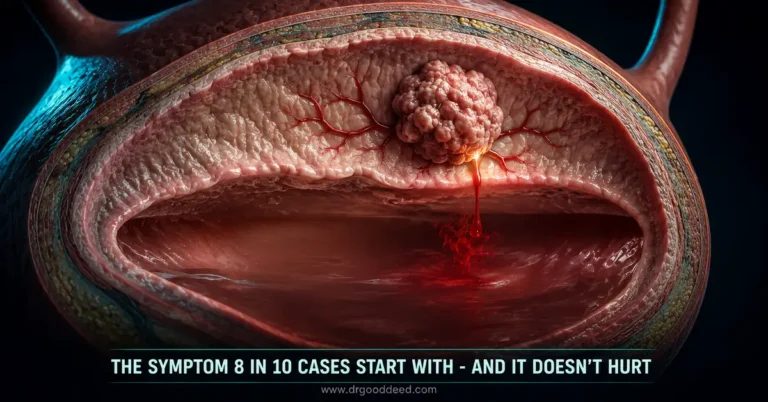
Kidney cancer lowers EPO production. Bladder cancer causes blood in the urine (hematuria), which drains red blood cells over time. Both lower hemoglobin through distinct, confirmed paths.
Cervical and Uterine Cancer
Heavy, prolonged bleeding from these cancers depletes iron stores over months. Women with unexplained fatigue, low hemoglobin, and irregular periods need a complete blood count and gynecological exam done together. Diagnosing cancer-related anemia in this group starts with both tests combined.
Which Cancers Cause Iron Deficiency Anemia Specifically?
Cancers that can cause anemia through iron depletion include colon, stomach, esophageal, and uterine cancers. All four bleed into the gut or reproductive tract over extended periods, draining iron reserves faster than diet alone can replace them.
Why Iron Deficiency Anemia Raises More Concern Than Other Types
Iron deficiency anemia in an adult man or a post-menopausal woman with no dietary explanation is a clinical red flag. Doctors search for a hidden bleeding source, not a dietary fix. This step is central to diagnosing cancer-related anemia, particularly in cases of colon cancer causing low hemoglobin with no visible bowel symptoms.
How Cancer Causes Low Hemoglobin
Cancer that causes low hemoglobin follows different paths based on cancer type, location, and stage.
Chronic Internal Bleeding
Tumors in the colon, stomach, bladder, and uterus bleed slowly without visible signs. This is occult bleeding. Iron is lost steadily and hemoglobin drops over weeks with no dramatic warning.
Bone Marrow Suppression or Infiltration
When cancer cells invade the marrow, red blood cell production slows. This is myelosuppression (when the bone marrow stops working normally). It explains why blood cancer that causes low hemoglobin like leukemia progresses so fast.
Cancer-Related Inflammation
Cancer releases inflammatory proteins called cytokines. These proteins block iron from being used in red blood cell production, causing what doctors call anemia of chronic disease, even without active bleeding.
Nutritional Deficiencies Caused by Cancer
Cancer reduces appetite and damages the digestive lining. Absorption of iron, B12, and folate all decline. Without these, the body cannot produce enough functioning red blood cells.
Effects of Cancer Treatment
Chemotherapy and pelvic radiation damage bone marrow cells directly. This is a predictable reason why cancer that causes low hemoglobin worsens during active treatment, with hemoglobin often dropping within weeks of a chemotherapy cycle.
Can Low Hemoglobin Be the First Sign of Cancer?
Yes. In some patients, a hemoglobin drop on a routine blood test is the earliest detectable sign of cancer, appearing before any other symptom shows up.
Cases Where Anemia Appears Before Any Cancer Symptoms
Colon cancer causing low hemoglobin is the clearest documented example. Tumors bleed silently for months before bowel changes or pain begin. Acute leukemia is another case where persistently low hemoglobin drives the first doctor visit.
Cancers That Rarely Cause Low Hemoglobin Early On
Early-stage thyroid cancer, skin cancer, and prostate cancer rarely affect hemoglobin before becoming advanced. These cancers typically lower hemoglobin only in later stages or as a treatment side effect.
Why Hemoglobin Levels Alone Cannot Identify the Cancer Type
Low hemoglobin only tells you something is wrong. Iron deficiency, B12 deficiency, kidney disease, and autoimmune conditions all lower it too. Diagnosing cancer-related anemia always requires additional tests, including iron panels, imaging, and sometimes a biopsy.
Tests to Find the Cause of Low Hemoglobin
Tests to find the cause of low hemoglobin follow a step-by-step process where each result narrows the diagnosis. No single test gives the full picture.
Complete Blood Count (CBC)
A CBC measures hemoglobin levels, red blood cell count, and cell size. Small cells suggest iron deficiency. Large cells point to B12 or folate deficiency. This is always the first of the tests to find the cause of low hemoglobin ordered in any workup.
Iron Studies
Iron studies check ferritin (stored iron), serum iron, and transferrin saturation. Low ferritin with low hemoglobin points strongly to iron deficiency from a hidden bleeding source.
Vitamin B12 and Folate Testing
When CBC shows large red blood cells, B12 and folate tests follow. Deficiencies here are common in stomach and small intestinal cancers.
Stool Occult Blood Testing
This test detects blood in stool that is invisible to the eye. A positive result signals GI bleeding and is one of the most important tests to find the cause of low hemoglobin in adults over 45.
Colonoscopy
A colonoscopy uses a thin camera inserted through the rectum to examine the entire colon. It is the standard follow-up when GI bleeding is found and colon cancer is suspected.
Endoscopy
An endoscopy checks the esophagus, stomach, and upper small intestine via a camera passed through the mouth. It is ordered when stomach or esophageal cancer is on the list.
CT and MRI Scans
CT and MRI scans locate tumors inside the chest, abdomen, and pelvis. They are used when blood test results suggest a widespread or deep internal source.
Bone Marrow Examination
A bone marrow biopsy takes a small tissue sample from inside the bone for microscopic analysis. It is the definitive test when blood cancers like leukemia or MDS are suspected.
How Cancer-Related Anemia Is Treated
Treating cancer that causes low hemoglobin depends on the specific cause driving the drop in red blood cells.
Treating the Underlying Cancer
Shrinking or removing the tumor often improves hemoglobin naturally. Surgery to remove a bleeding colon tumor stops iron loss immediately, allowing hemoglobin to recover without additional therapy.
Iron Replacement Therapy
Oral iron supplements work for mild deficiency. Intravenous (IV) iron works faster for severe cases or when the GI tract cannot absorb iron properly due to tumor damage or surgery.
Blood Transfusions
For critically low hemoglobin, when breathlessness and fatigue occur together at rest, a red blood cell transfusion provides fast, direct relief.
Erythropoiesis-Stimulating Agents (ESAs)
ESAs are injectable drugs that tell the bone marrow to produce more red blood cells. They are used when cancer that causes low hemoglobin is tied to chemotherapy-related marrow suppression. Dosage varies by patient weight, hemoglobin target, and cancer type.
Nutritional Support
Dietitians help rebuild depleted iron, B12, and folate through targeted foods and supplements. This supports long-term hemoglobin recovery during and after treatment.
How a Routine Annual Physical Uncovered Maria Thompson’s Colon Cancer
Maria Thompson, 54, from Dallas, Texas, visited her primary care doctor for a routine annual physical feeling generally well. Mild stair fatigue was her only complaint. Her blood test returned hemoglobin at 9.1 g/dL, well below the normal 12 to 16 g/dL range for women. Iron studies confirmed severe deficiency despite a red-meat-rich diet. Her doctor ordered a stool occult blood test. It came back positive. A colonoscopy found a stage II colon tumor. After surgery and six months of chemotherapy, her hemoglobin reached 13.2 g/dL. A routine blood test found her cancer before symptoms began.
The name in this case has been altered to protect patient privacy.
FAQs
Which cancers are most likely to cause anemia?
Leukemia, colon cancer, stomach cancer, lymphoma, and multiple myeloma are most commonly linked. Blood cancers attack marrow directly. GI cancers cause silent internal bleeding. Both are types of cancer that causes low hemoglobin through opposite but equally damaging mechanisms.
Can leukemia cause low hemoglobin levels?
Yes. Leukemia fills bone marrow with cancer cells, blocking red blood cell production. In acute leukemia, hemoglobin can drop below 7 g/dL within weeks. It is one of the fastest-acting forms of cancer that causes low hemoglobin.
Why does cancer cause anemia?
Cancer lowers hemoglobin through four paths: internal bleeding, bone marrow crowding, inflammation blocking iron use, and chemotherapy suppressing the marrow. Each cancer that causes low hemoglobin uses one or more of these paths.
What are the symptoms of cancer-related anemia?
Fatigue, pale skin, dizziness, and rapid heartbeat are the most common signs. Shortness of breath and low hemoglobin occurring together at rest signal hemoglobin below 8 g/dL and require urgent medical evaluation.
Can shortness of breath and low hemoglobin be linked to cancer?
Yes. Shortness of breath and low hemoglobin together indicate hemoglobin below 8 g/dL, where the heart and lungs work harder to compensate. When cancer is the cause, this symptom combination needs immediate diagnostic workup.
How do doctors determine the cause of low hemoglobin?
Doctors start with CBC, iron studies, and B12 tests. If GI bleeding is suspected, stool testing, colonoscopy, and endoscopy follow. CT scans and bone marrow biopsy are added when internal tumors or blood cancers remain possible.
Is low hemoglobin always a sign of cancer?
No. Iron deficiency, B12 deficiency, kidney disease, and autoimmune disorders all lower hemoglobin. Cancer is one possible cause among several. A full diagnostic workup is needed to identify the actual source.
Can stomach cancer cause iron deficiency anemia?
Yes. Stomach tumors bleed internally and block B12 absorption at the same time. Stomach cancer that causes low hemoglobin through both blood loss and nutrient deficiency makes it one of the more complex anemia cases to identify correctly.
DISCLAIMER: This article is for informational purposes only. It does not replace professional medical advice, diagnosis, or treatment. Always consult a licensed healthcare provider for concerns about hemoglobin or cancer.