

Cashews are good, and it’s proven by nutrition science. Cashews pack healthy fats, plant protein, and key minerals into one small, satisfying handful. They support your heart, bones, metabolism, and blood sugar all at once. Most people overlook just how nutrient-dense one ounce of cashews actually is.
Nutritional Value of Cashew Nuts
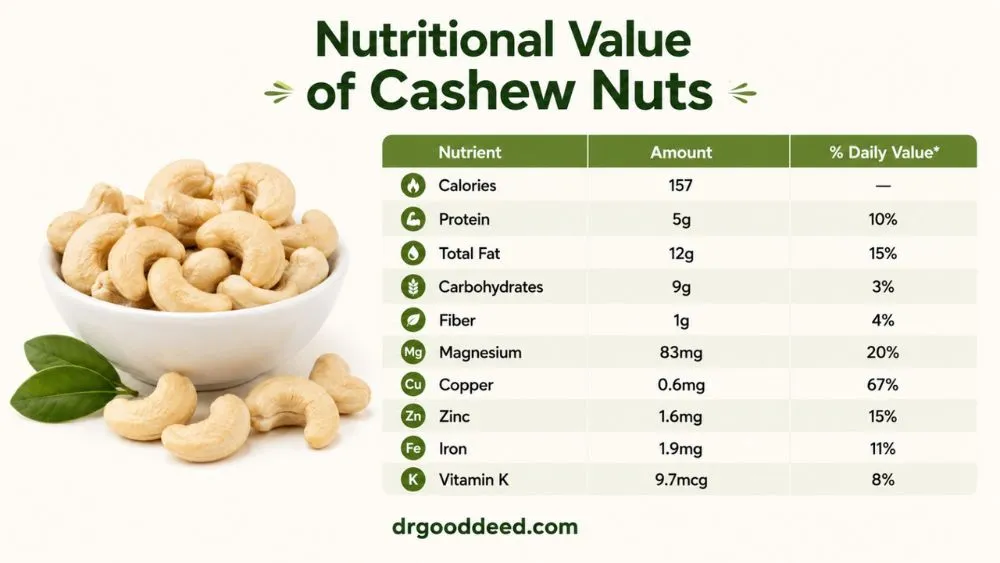
The nutritional value of cashew nuts goes far beyond calories. One ounce (about 18 cashews) gives you 157 calories, 5 grams of protein, 12 grams of fat (mostly heart-healthy monounsaturated fat), and 9 grams of carbohydrates. They also carry 1 gram of fiber, zero cholesterol, and a solid lineup of vitamins and minerals that most snack foods completely lack.
| Nutrient | Per 1 oz (28g) Serving | % Daily Value |
| Calories | 157 | — |
| Protein | 5g | 10% |
| Total Fat | 12g | 15% |
| Carbohydrates | 9g | 3% |
| Fiber | 1g | 4% |
| Magnesium | 83mg | 20% |
| Copper | 0.6mg | 67% |
| Zinc | 1.6mg | 15% |
| Iron | 1.9mg | 11% |
| Vitamin K | 9.7mcg | 8% |
Healthy Fats and Plant Protein
Cashews are rich in oleic acid (oh-LAY-ik acid), the same type of fat found in olive oil. This fat supports your heart and reduces chronic inflammation (long-term swelling inside your body). One ounce gives you around 5 grams of plant-based protein. That is useful if you eat less meat or want more plant foods in your diet.
Magnesium, Copper, and Zinc Content
Cashews are one of the best nut sources of copper. A single ounce covers 67% of your daily copper need. Copper helps your body produce red blood cells and keeps your nervous system working properly. Magnesium supports muscle function and helps regulate blood pressure. Zinc keeps your immune system active and helps wounds heal faster than they would without it.
Antioxidants and Micronutrients
Cashews contain lutein and zeaxanthin (loo-TEE-in and zee-AH-zan-thin), two antioxidants (compounds that protect your cells from damage) that directly support eye health. They also provide vitamin K, which your blood needs to clot after an injury. Most nuts do not supply this level of vitamin K, which makes cashews stand out nutritionally.
Health Benefits of Cashews
The health benefits of cashews cover more areas than most people expect. One handful touches your heart, your bones, your energy production, and your nerve function. You do not need large amounts to notice a difference. Small, consistent servings over time work far better than occasional large portions.
Supporting Heart and Blood Vessel Health
Cashews lower LDL (bad cholesterol) and support HDL (good cholesterol) when you eat them regularly. The oleic acid in cashews drives this effect. Cashews also provide arginine (AR-jih-neen), an amino acid that helps keep blood vessels flexible and open. People who swap packaged snacks for nuts show improved blood lipid (fat in blood) profiles over time.
Helping Maintain Energy and Metabolism
Cashews give your body iron, magnesium, and B vitamins that all feed into energy production at the cellular level. Iron carries oxygen in your blood. Without enough iron, you feel tired and mentally foggy. Magnesium activates over 300 enzymes (biological helpers) in your body, most of which are involved in converting food into energy.
Supporting Bone and Nerve Function
Most people focus only on calcium for bone health, but magnesium is equally needed for bones to absorb and use calcium properly. Copper helps form collagen (the protein that holds bones and joints together). Your nerves also use magnesium to send electrical signals correctly. Cashews supply all three of these nutrients in a single serving.
Cashews for Blood Sugar Balance
Cashews have a glycemic index (GI) of around 22, which is considered low. A low-GI food raises your blood sugar slowly rather than causing a sharp spike. This matters for people managing diabetes or insulin resistance (when your body struggles to use insulin properly).
- Cashews contain anacardic acid (an-ah-KAR-dik acid), a compound unique to cashews that research suggests supports glucose (sugar) metabolism inside your cells.
- The fat and protein in cashews slow digestion, which prevents sharp blood sugar rises after eating.
- Replacing high-carb snacks like chips or crackers with cashews reduces your total glycemic load (the overall impact of your food on blood sugar throughout the day).
- Cashews do contain carbohydrates, so portion size still matters. One ounce at a time is the right amount if you monitor your blood sugar.
Benefits of Adding Cashews to Diet
The benefits of adding cashews to diet show up quickly when you make small, consistent swaps. You do not need a major overhaul of your eating habits. Replacing one processed snack daily with a handful of cashews shifts your nutrient intake meaningfully within weeks.
Convenient Nutrient-Dense Snack Option
Cashews require zero prep. You open the bag and eat. But unlike chips or candy, one ounce of cashews gives you protein, minerals, and healthy fat together. That combination nourishes your body between meals without cooking, refrigeration, or any extra work on your part.
Supporting Satiety and Appetite Control
Fat and protein are the most filling nutrient types your body uses. Cashews carry both. Research on nut consumption shows that people who snack on nuts eat less at their next meal compared to people who snack on crackers or pretzels. The hunger-reducing effect comes from how slowly fat and protein move through your digestive system.
Replacing Processed Snack Foods
Most Americans consume too much sodium and added sugar from packaged snacks. Unsalted cashews carry neither. Swapping your afternoon vending machine snack for a small portion of cashews cuts sodium, added sugar, and refined carbs in a single step. Over a month, that adds up to a real difference.
Best Ways to Include Cashews in Diet
The best ways to include cashews in diet do not require complicated recipes. Simple additions to foods you already eat work just as well as elaborate meal planning.
Adding Cashews to Oatmeal and Yogurt
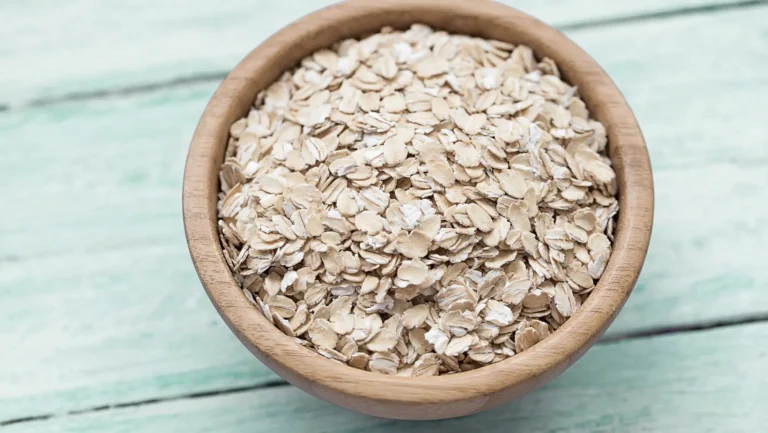
Stir a tablespoon of chopped cashews into your morning oatmeal. It adds crunch, healthy fat, and protein, making oatmeal more filling for longer. The same trick works with plain Greek yogurt. Cashews with a drizzle of honey over yogurt keep you full well into mid-morning without a blood sugar crash.
Using Cashews in Salads and Stir-Fries
Whole or halved cashews add texture and minerals to salads without overpowering the flavor. In stir-fries, they absorb sauce while adding crunch. Asian-inspired dishes commonly use cashews this way. You get added protein and copper without changing the overall taste profile of the dish.
Cashew Butter and Dairy-Free Recipes
Cashew butter is smoother and milder in flavor than peanut butter. Spread it on whole-grain toast or blend it into smoothies for added creaminess. Soaked cashews blended with water also make cashew milk, which many people use as a dairy-free alternative in coffee, cereal, or baked goods.
Can Cashews Help With Weight Management?
Cashews are good but be aware of portions if you watch your weight. Cashews are calorie-dense, meaning a small amount carries significant calories. But that density also means they satisfy hunger quickly and reduce overall calorie intake across the day.
Healthy Fats Supporting Fullness
The monounsaturated fat in cashews signals your brain to reduce appetite. This is why people who snack on nuts regularly tend to eat fewer total calories during the day, not more. The satiety effect is real and measurable.
Portion Awareness and Calorie Density
One ounce is the right serving size. That is about 18 cashews and 157 calories. Eating directly from a large bag makes portion control much harder. Pre-portioning into small cups or bags each week helps you stop at one serving naturally without relying on willpower.
Replacing Unhealthy Snack Habits
If your current snacks are chips, cookies, or fast food, switching to cashews improves calorie quality even if the calorie numbers look similar. The nutrients in cashews feed your cells. Empty-calorie snacks do not provide the same biological value.
Possible Downsides of Eating Too Many Cashews
Cashews are not good in unlimited amounts. Moderation matters, and there are a few real downsides worth knowing.
Excess Calorie Intake
Cashews have 157 calories per ounce. Two or three handfuls is over 400 calories from snacking alone. Eating cashews on top of your regular meals without adjusting elsewhere can lead to gradual weight gain over time.
Salted Cashews and Sodium Concerns
Many packaged cashews are heavily salted. One serving of salted cashews can carry 100 to 200 mg of sodium. People with high blood pressure should choose unsalted varieties specifically and check the label before buying any packaged version.
Nut Allergies and Sensitivities
Cashews belong to the tree nut family. Tree nut allergies can cause reactions ranging from mild skin itching to severe anaphylaxis (a life-threatening allergic reaction requiring immediate medical care). If you have a known tree nut allergy, avoid cashews entirely and speak with your doctor before trying them.
FAQs
Are Cashews Healthier Than Other Common Snack Foods?
Yes. Cashews are good compared to chips. One ounce of cashews provides 67% of your daily copper, 20% of magnesium, and 5 grams of protein. Chips offer none of that. Per calorie, cashews deliver more functional nutrients than nearly any packaged snack sold in American grocery stores.
Can Cashews Help Stabilize Blood Sugar Levels?
Yes. Cashews for blood sugar balance work because of their low glycemic index (22) and anacardic acid content. Their fat and protein also slow glucose absorption into your bloodstream. Eating one ounce of cashews alongside a higher-carb meal measurably reduces the blood sugar spike from that meal.
How Many Cashews Can Be Eaten Daily Safely?
One ounce (18 cashews) daily is appropriate for most healthy adults. This amount gives you the full health benefits of cashews, including copper, magnesium, and healthy fat, without pushing your calorie intake beyond your daily needs. People managing diabetes or high blood pressure should measure carefully.
Are Roasted Cashews Less Healthy Than Raw Cashews?
Dry-roasted cashews without added oil are nutritionally almost identical to raw ones. The main difference is texture and flavor. Oil-roasted cashews add extra fat from the oil used. Salted roasted cashews add sodium. For maximum benefit, choose dry-roasted or raw, unsalted cashews.
Why Are Cashews Considered Good for Heart Health?
Cashews lower LDL cholesterol through oleic acid and supply arginine, which relaxes blood vessel walls. The nutritional value of cashew nuts also includes zero dietary cholesterol and a favorable fat profile. Long-term nut consumption in large dietary studies links to a 28% lower risk of cardiovascular disease.
Can Cashews Support Weight Management Despite Being Calorie-Dense?
Yes. Cashews are good for weight control. Research consistently shows nut eaters weigh less on average than nut avoiders. The fat and protein in cashews increase fullness and cut appetite at the next meal. Eating one ounce daily as a snack replacement, not an addition, is what makes the difference.
What Nutrients Make Cashews Beneficial for the Body?
The nutritional value of cashew nuts centers on copper (67% DV per ounce), magnesium (20% DV), zinc, iron, oleic acid, plant protein, and antioxidants like lutein and zeaxanthin. Together, these nutrients support your heart, bones, immune system, eye health, and energy metabolism simultaneously.
Are Salted Cashews Harmful When Eaten Regularly?
Not harmful occasionally, but daily salted cashew consumption adds meaningful sodium over time. One serving can add 100 to 200 mg of sodium to your day. For people with hypertension or kidney disease, that matters. Always check the sodium content on the label and choose unsalted when possible.
Can People With Diabetes Include Cashews in Their Diet?
Yes. Cashews for blood sugar balance make them a suitable snack for people with type 2 diabetes. Their GI of 22 and fat content prevent glucose spikes. Doctors generally suggest one ounce per serving, paired with a fiber-rich food. Always check with your healthcare provider to fit cashews into your specific meal plan.
What Is the Healthiest Way to Eat Cashews Daily?
Eat one ounce of raw or dry-roasted, unsalted cashews. Pair them with a piece of fruit for a balanced snack. The best ways to include cashews in diet involve pre-portioning servings, using cashew butter as a spread instead of processed alternatives, and stirring chopped cashews into meals rather than eating them alone from the bag.