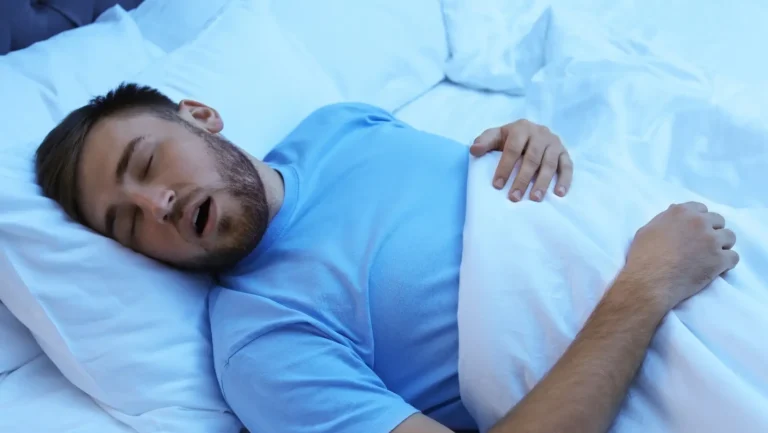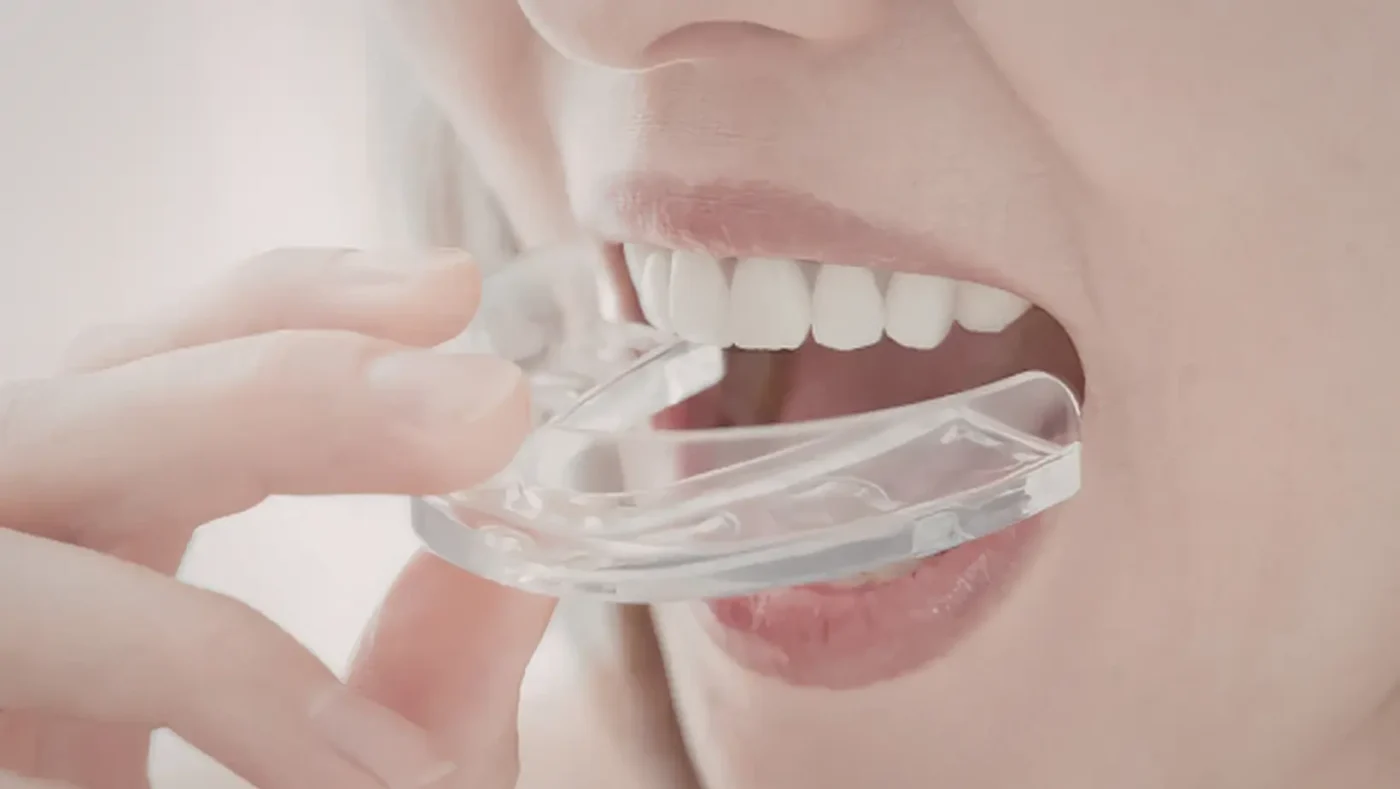

The best mouthguard for sleep apnea is a custom-fitted mandibular advancement device prescribed by a dentist trained in dental sleep medicine. Oral appliances treat obstructive sleep apnea (OSA) by repositioning the jaw to keep the airway open.
The American Academy of Dental Sleep Medicine (AADSM) recommends them for mild-to-moderate OSA and CPAP-intolerant patients in the USA. This guide covers how these devices work, the types of sleep apnea, side effects, and how to choose one.
What Is a Mouth Guard for Sleep Apnea?
A mouth guard for sleep apnea repositions the jaw or tongue during sleep to prevent airway collapse. Unlike a standard night guard for teeth grinding, it treats a breathing disorder, not just dental wear. The FDA classifies these as Class II medical devices requiring a prescription.
How Mouth Guards Keep the Airway Open
The device pulls the lower jaw slightly forward. This tightens soft tissue at the back of the throat and pulls the tongue base away from the airway wall, creating more space for air to pass.
Who May Benefit From Oral Appliances?
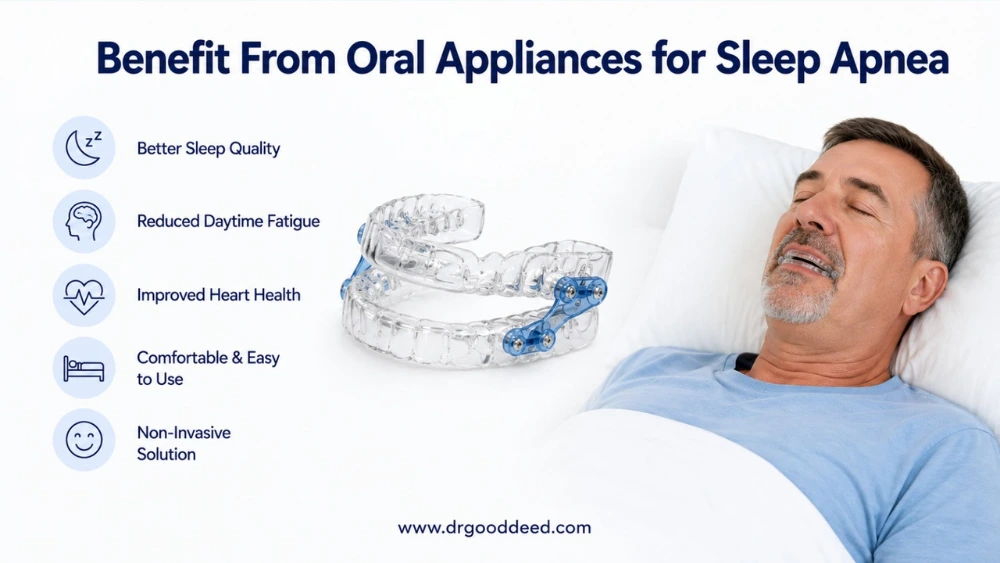
- Adults with mild-to-moderate OSA (AHI 5-30 events per hour)
- People who cannot tolerate CPAP masks
- Frequent snorers without diagnosed OSA
- Patients with a recessed jaw (retrognathia)
Mouth Guards vs Traditional Night Guards
| Feature | Sleep Apnea Mouth Guard | Standard Night Guard |
| Purpose | Treats airway obstruction | Protects teeth |
| Jaw position | Advances jaw forward | Keeps jaw resting |
| Prescription required | Yes (FDA Class II) | No |
| Treats snoring/apnea | Yes | No |
How Mouth Guards Help Airway Obstruction and Sleep Apnea
Airway obstruction and sleep apnea share a direct mechanical cause: soft tissue collapsing into the throat during sleep. Mouth guards change jaw and tongue signs, creating more space for airflow. Imaging studies confirm increased airway volume with device use.
Jaw Repositioning and Airway Space
A 2019 CT imaging study published in the Journal of Clinical Sleep Medicine by Sutherland, Cistulli, and colleagues at the University of Sydney found mandibular advancement increased retroglossal airway space by 3.4mm on average.
During sleep, throat muscle tone decreases, and without support, the tongue and soft palate fall backward and block airflow. Jaw advancement pulls these structures forward, preventing that collapse.
Improving Airflow and Reducing Sleep Disruptions
A 2013 randomized controlled trial in the American Journal of Respiratory and Critical Care Medicine by Phillips, Grunstein, Darendeliler, and colleagues compared mandibular advancement devices with CPAP. Both improved oxygen saturation and reduced AHI significantly.
Each apnea event also causes a micro-arousal, a brief awakening that fragments sleep without the person remembering it. Open airways reduce these arousals, allowing more deep and REM sleep.
Types of Mouth Guards for Sleep Apnea
Picking the best mouthguard for sleep apnea starts with understanding two device categories: mandibular advancement devices and tongue retaining devices.
Mandibular Advancement Devices (MADs)
MADs are the most prescribed oral appliance for sleep apnea in the USA, per AADSM data. The device holds the lower jaw forward by 4-10mm using connected upper and lower trays, with most allowing gradual titration over several weeks.
Benefits and Limitations
- Effective for mild-to-moderate OSA (AHI 5-30)
- Non-inferior to CPAP for cardiovascular outcomes per the 2013 Phillips et al. trial
- Portable, requires no electricity
- Less effective than CPAP for severe OSA (AHI over 30)
- Not suitable for fewer than 6-8 healthy teeth per arch
Tongue Retaining Devices (TRDs)
A TRD uses a suction bulb that holds the tongue forward, away from the throat, without moving the jaw. This suits people without enough teeth to anchor a MAD, those with TMJ problems, and patients whose OSA stems mainly from tongue-base collapse.
Hybrid Oral Appliances
Newer designs combine jaw advancement with tongue stabilization. These are typically reserved for patients who showed partial improvement with a standard MAD but need additional airway support.
Custom Mouth Guard for Sleep Apnea
A custom mouth guard for sleep apnea is built from a dental impression or 3D scan, unlike boil-and-bite devices sold online. The effectiveness gap between custom and over-the-counter devices is significant and often overlooked.
Custom Devices and Compliance
Custom devices are milled or molded to match the exact shape of a person’s teeth and bite, allowing jaw advancement adjustments measured in fractions of a millimeter, something boil-and-bite devices cannot replicate.
A dentist verifies the device does not worsen existing TMJ disorders and titrates advancement based on follow-up sleep studies. A 2017 study in the Journal of Dental Sleep Medicine by Vanderveken and colleagues found compliance rates above 75% at one year with custom devices, compared to roughly 50% with over-the-counter alternatives.
A custom mouth guard for sleep apnea also allows millimeter-level titration based on follow-up testing, directly affecting whether AHI drops to target levels, something fixed store-bought devices cannot offer.
Mouth Guard for Snoring and Sleep Apnea
A mouth guard for snoring and sleep apnea addresses both conditions because they share the same root cause: vibration and obstruction of soft tissue in the throat during sleep. For snorers without diagnosed OSA, the same device often resolves the issue completely.
How Snoring and Sleep Apnea Are Connected
Snoring is the sound of airflow vibrating relaxed throat tissue. When that tissue fully blocks airflow, it becomes an apnea event. Snoring without apnea is primary snoring; snoring with apnea events is OSA.
Can Oral Appliances Reduce Snoring?
Yes. A 2013 meta-analysis in Sleep Medicine Reviews by Ahrens, McGrath, and Hagg found mandibular advancement devices reduced snoring intensity and frequency in 85-90% of users, with partner-reported snoring eliminated in over half of cases.
Limitations for Severe Sleep Apnea
For an AHI above 30 events per hour, a mouth guard for snoring and sleep apnea reduces but rarely normalizes breathing completely. CPAP remains first-line for severe OSA per AASM guidelines.
Who Is a Good Candidate for Oral Appliance Therapy?
Finding the best mouthguard for sleep apnea starts with knowing your OSA severity. Not everyone responds the same way to oral appliance therapy.
Mild and Moderate OSA
Mild OSA (AHI 5-15) responds well to oral appliances as first-line therapy per AASM guidelines, often reducing AHI to normal range (under 5) in 60-70% of cases. Moderate OSA (AHI 15-30) remains effective but needs closer follow-up with a repeat sleep study.
CPAP-Intolerant Patients and Frequent Snorers
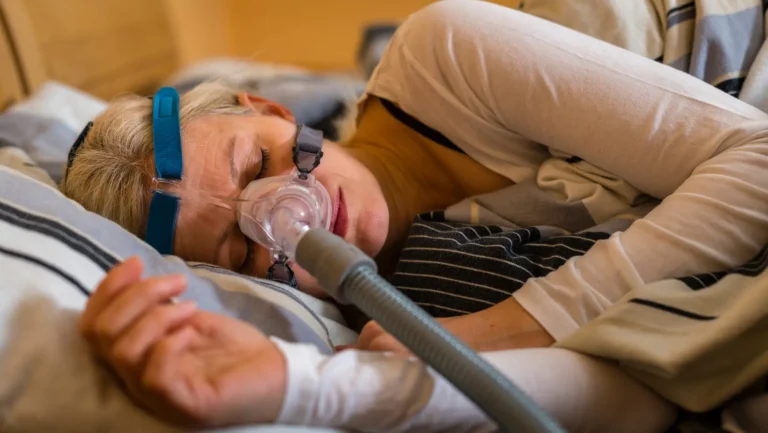
Roughly 30-50% of patients prescribed CPAP stop using it within the first year, per the American Thoracic Society. Oral appliances offer a second-line option. People whose sleep studies show primary snoring but disruptive noise levels also benefit from the snoring reduction effect of MADs.
Patients With Specific Airway Anatomy
People with a recessed lower jaw (Class II malocclusion) often see greater benefit, since jaw advancement directly corrects the anatomical narrowing contributing to airway obstruction and sleep apnea.
Potential Side Effects of the Best Mouthguard for Sleep Apnea
Temporary jaw joint (TMJ) soreness occurs in 20-30% of new users during the first 2-4 weeks, per AADSM clinical data, and typically resolves as the jaw adapts. Mouth breathing around the device can cause dryness, while some users experience increased saliva initially. Both usually decrease within the first month.
Tooth Movement and Bite Changes
Long-term MAD use (over 5 years) can cause minor tooth tipping. A 2018 long-term study in the Journal of Oral Rehabilitation by Marklund and Franklin found measurable bite changes in 30% of patients after 5 years of nightly use, though most changes were minor and did not require correction.
Managing Side Effects
- Use morning repositioning exercises to return the jaw to its normal position
- Schedule annual dental visits to monitor bite and tooth position
- Report persistent jaw pain lasting more than 4 weeks to the prescribing dentist
- Stay hydrated before bed to reduce dry mouth
Choosing the Best Mouth Guard for Sleep Apnea
Selecting the best mouthguard for sleep apnea requires matching device type to OSA severity, dental anatomy, and lifestyle. A sleep study and dental exam together determine the right fit.
Custom vs Over-the-Counter Devices
Custom devices, fitted by a dentist trained in dental sleep medicine, offer titration and monitoring that over-the-counter devices cannot. The AADSM does not endorse over-the-counter devices for diagnosed OSA.
Comfort, Fit, and Maintenance
Look for a soft inner lining with a rigid outer shell, incremental titration screws, and a compact design that reduces gag reflex during the first week. Custom acrylic devices last 2-5 years with daily cleaning using a soft brush and non-abrasive cleanser, stored in a ventilated case.
Professional Evaluation and Follow-Up
A follow-up sleep study 3-6 months after fitting confirms whether the best mouthguard for sleep apnea for that person adequately reduced AHI. Without this step, a person may wear a device every night without knowing if it works.
When to See a Sleep Specialist
Anyone in the USA with loud snoring, witnessed breathing pauses during sleep, or daytime fatigue from sleep apnea should consult a board-certified sleep specialist before choosing any device. A formal sleep study (polysomnography or home sleep apnea test) is required to diagnose OSA severity and determine if an oral appliance is appropriate.
- Loud, frequent snoring reported by a partner
- Witnessed breathing pauses during sleep
- Morning headaches or dry mouth
- Daytime fatigue from sleep apnea affects work or driving safety
- Existing CPAP use with poor tolerance after multiple mask trials
- Jaw pain or clicking that could affect device suitability
FAQs
1. What is the best mouthguard for sleep apnea?
A custom-fitted mandibular advancement device prescribed by a dentist trained in dental sleep medicine. AADSM recommends MADs as first-line therapy for mild-to-moderate OSA, with titration based on follow-up sleep testing.
2. Does a custom mouth guard for sleep apnea work better than store-bought options?
Yes. A 2017 study found 75% one-year compliance with custom devices versus roughly 50% with over-the-counter options. Custom devices allow millimeter-level jaw adjustments boil-and-bite devices cannot replicate.
3. How does a mouth guard help with airway obstruction and sleep apnea?
It advances the lower jaw 4-10mm forward, pulling the tongue base and soft palate away from the throat wall. A 2019 CT imaging study showed this increases airway space by 3.4mm on average.
4. Can a mouth guard stop snoring completely?
Often, yes, for primary snorers. A 2013 meta-analysis found mandibular advancement devices eliminated partner-reported snoring in over half of users and reduced it significantly in 85-90% overall.
5. Is a mouth guard effective for severe sleep apnea?
No, not as a standalone treatment. For AHI above 30 events per hour, the best mouthguard for sleep apnea reduces but rarely normalizes breathing fully. CPAP remains first-line per AASM guidelines.
6. What is the difference between a mandibular advancement device and a tongue retaining device?
A MAD moves the entire lower jaw forward using dental anchors. A TRD uses a suction bulb to hold only the tongue forward without moving the jaw, suited for people lacking enough teeth for a MAD.
7. Can I use a mouth guard instead of CPAP therapy?
For mild-to-moderate OSA (AHI 5-30), yes, the best mouthguard for sleep apnea is an accepted first-line alternative per AASM guidelines. For severe OSA, CPAP remains more effective and should not be replaced without medical guidance.
8. How long does it take to adjust to a sleep apnea mouth guard?
Most users report full adjustment within 2-4 weeks. Jaw soreness during this period affects 20-30% of new users and typically resolves as jaw muscles adapt to the new position.
9. Can oral appliances help relieve daytime fatigue from sleep apnea?
Yes. By reducing nightly apnea events and micro-arousals, the best mouthguard for sleep apnea increases time spent in deep and REM sleep, directly reducing daytime fatigue from sleep apnea within 1-2 weeks of consistent use.
10. Are there side effects of wearing a sleep apnea mouth guard?
Yes. Temporary jaw soreness affects 20-30% of new users. Long-term use (5+ years) causes measurable bite changes in about 30% of patients, most minor, per a 2018 study in the Journal of Oral Rehabilitation.
Sources
- Phillips CL, Grunstein RR, Darendeliler MA, et al. Health outcomes of CPAP versus oral appliance treatment for OSA. American Journal of Respiratory and Critical Care Medicine. 2013.
- Ahrens A, McGrath C, Hagg U. A systematic review of the efficacy of oral appliance design for snoring reduction. Sleep Medicine Reviews. 2013.
- Vanderveken OM, et al. Adherence to oral appliance therapy for obstructive sleep apnea. Journal of Dental Sleep Medicine. 2017.
- Marklund M, Franklin KA. Long-term effects of mandibular advancement devices on dental occlusion. Journal of Oral Rehabilitation. 2018.
- American Academy of Sleep Medicine (AASM): Clinical Practice Guidelines for Oral Appliance Therapy
DISCLAIMER: This article is for informational purposes only and does not replace professional medical advice, diagnosis, or treatment. Always consult a qualified healthcare provider or dentist before starting any oral appliance therapy.