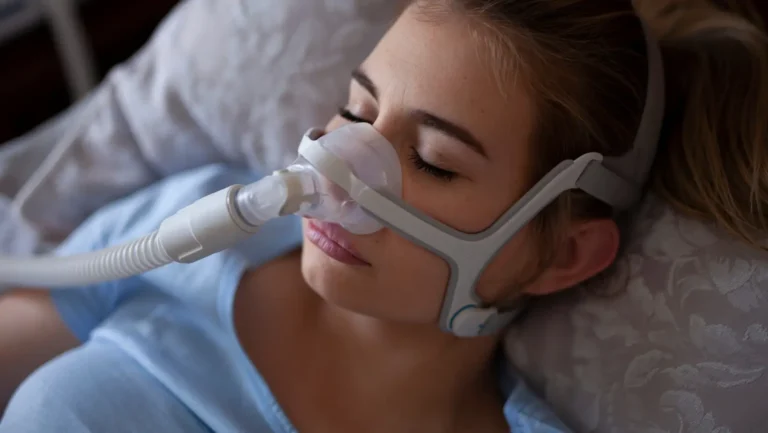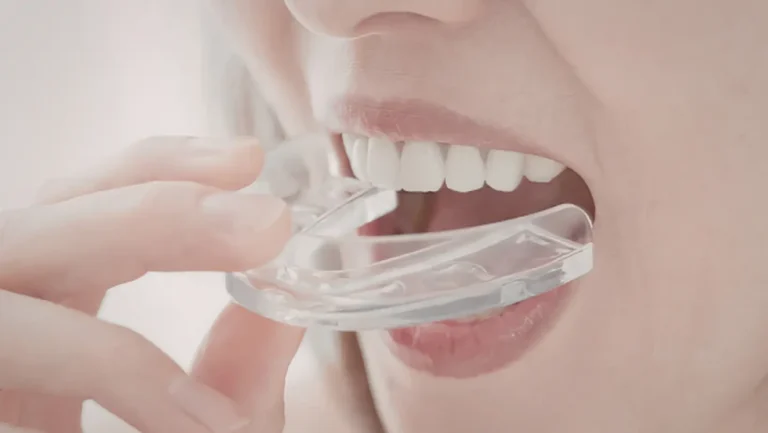

In the United States, sleep apnea is not automatically classified as a disability. However, severe cases can qualify for disability benefits when symptoms or related health problems significantly limit a person’s ability to work and function daily. Social Security Administration evaluations focus on medical evidence, work limitations, treatment outcomes, and long-term impairment.
This guide explains disability qualification, work-related limitations, available benefits, claim requirements, and how treatment affects eligibility.
Is Sleep Apnea a Disability?
For most people, whether sleep apnea is a disability depends on severity rather than diagnosis alone. A sleep apnea diagnosis does not automatically qualify someone for disability benefits. Decision-makers examine how the condition affects daily activities and employment.
When Sleep Apnea May Qualify as a Disability
Sleep apnea may qualify when medical records show:
- Severe daytime sleepiness
- Repeated oxygen deprivation during sleep
- Cognitive problems affecting work
- Pulmonary hypertension
- Heart complications linked to sleep apnea
- Persistent symptoms despite treatment
- Inability to maintain full-time employment
Factors That Influence Disability Determinations
Several factors affect approval decisions:
- Sleep study results
- Symptom severity
- Treatment adherence
- Physician evaluations
- Functional capacity assessments
- Employment history
- Age and education level
- Presence of related medical conditions
Sleep Apnea and Disability Eligibility
Sleep apnea and disability eligibility depend on documented evidence showing that symptoms create measurable limitations. Disability reviewers look beyond the diagnosis and focus on real-world impairment.
Medical Criteria Considered During Evaluation
Medical evidence commonly includes:
- Polysomnography sleep study results
- Oxygen saturation measurements
- Apnea-Hypopnea Index (AHI)
- Pulmonary testing
- Cardiology evaluations
- Physician treatment records
Current diagnostic standards continue to rely on sleep studies as the primary method for confirming obstructive sleep apnea.
Severity of Symptoms
Symptoms that strengthen a claim include:
- Excessive daytime sleepiness
- Frequent morning headaches
- Severe fatigue
- Poor concentration
- Memory problems
- Mood changes
- Reduced alertness
Treatment Compliance and Outcomes
Reviewers examine whether treatment improves symptoms. Evidence may include CPAP usage records, follow-up sleep specialist visits, medication records, and surgical treatment history
Impact on Daily Activities
Limitations often include falling asleep unintentionally, difficulty completing routine tasks, reduced physical endurance, poor attention span, and need for daytime naps
Impact on Employment
Work-related limitations carry significant weight during evaluations. Examples include reduced productivity, safety concerns, frequent mistakes, difficulty maintaining schedules, and inability to perform essential duties.
Functional Limitations Caused by Sleep Apnea
Functional limitations caused by sleep apnea often matter more than the diagnosis itself during disability reviews.
Common limitations include:
| Functional Area | Possible Impact |
| Attention | Reduced focus during tasks |
| Memory | Difficulty retaining information |
| Driving | Increased accident risk |
| Endurance | Faster physical exhaustion |
| Decision-making | Slower processing speed |
| Communication | Difficulty following conversations |
| Safety awareness | Delayed reactions |
Research and clinical guidelines consistently associate untreated OSA with increased driving risks and daytime impairment. Effective treatment can significantly reduce those risks.
Sleep Apnea Causing Inability to Work
Sleep apnea causing inability to work becomes a disability concern when symptoms prevent reliable job performance on a sustained basis.
Jobs Requiring Constant Alertness
High-risk occupations include air traffic personnel, emergency responders, security personnel, and healthcare workers. Even brief lapses in attention can create serious safety concerns.
Operating Vehicles and Heavy Machinery
Commercial drivers and equipment operators face unique challenges. Sleep apnea can cause delayed reaction times, microsleep episodes, reduced situational awareness, and increased crash risk. Multiple sleep medicine guidelines identify untreated sleep apnea as a driving safety concern.
Physically Demanding Occupations
Workers may struggle with construction work, manufacturing jobs, warehouse positions, and utility services. Fatigue often reduces physical stamina.
Cognitive Demands and Workplace Performance
Office-based jobs may also become difficult. Common challenges include concentration deficits, missed deadlines, poor memory retention, and reduced problem-solving ability.
When Symptoms Significantly Affect Employment
A disability claim becomes stronger when records show:
- Repeated work absences
- Job loss due to symptoms
- Workplace accommodations
- Reduced hours
- Inability to maintain competitive employment
Symptoms That May Contribute to Disability Claims
In the United States, disability evaluators focus heavily on symptoms that create measurable work limitations. For sleep apnea and disability eligibility, symptom documentation often becomes as important as sleep study findings.
Symptoms that commonly support claims include:
- Excessive daytime sleepiness
- Chronic fatigue
- Morning headaches
- Brain fog
- Memory impairment
- Reduced concentration
- Irritability
- Depression
- Anxiety linked to sleep disruption
- Frequent nighttime awakenings
- Shortness of breath
- Reduced physical stamina
Detailed symptom tracking often strengthens medical evidence.
Disability Benefits for Sleep Apnea
Disability benefits for sleep apnea vary depending on the program involved and the individual’s work history, income level, and insurance coverage.
Understanding Available Disability Programs
Potential sources of benefits include:
- Social Security Disability Insurance (SSDI)
- Supplemental Security Income (SSI)
- Employer disability plans
- Private long-term disability policies
Social Security Disability Insurance (SSDI)
SSDI serves workers who have accumulated sufficient work credits. Approval generally requires a severe medical impairment, inability to perform substantial work, and expected impairment lasting at least 12 months.
Supplemental Security Income (SSI)
SSI assists individuals with limited income and resources. Medical disability standards remain similar to SSDI requirements.
Employer-Sponsored Disability Benefits
Some employers offer:
- Short-term disability coverage
- Long-term disability coverage
- Income replacement benefits
Long-Term Disability Insurance Policies
Private policies often evaluate:
- Occupational duties
- Functional limitations
- Physician opinions
- Treatment compliance
How to Apply for Disability With Sleep Apnea
How to apply for disability with sleep apnea involves building strong medical evidence that demonstrates real-life limitations.
Gathering Medical Documentation
Important records include:
- Sleep study reports
- CPAP compliance data
- Specialist evaluations
- Hospital records
- Cardiology reports
- Medication history
Completing Disability Applications
Applications should clearly explain symptoms, work limitations, daily activity restrictions, and treatment history.
Demonstrating Functional Limitations
Strong evidence may include:
- Employer statements
- Attendance records
- Functional assessments
- Physician narratives
Working With Healthcare Providers
Doctors can provide objective findings, treatment history, work restriction opinions, and functional capacity evaluations
Understanding the Review Process
Most applications undergo:
- Initial review
- Medical evaluation
- Functional assessment
- Decision stage
- Appeal process if denied
Common Reasons Disability Claims Are Denied
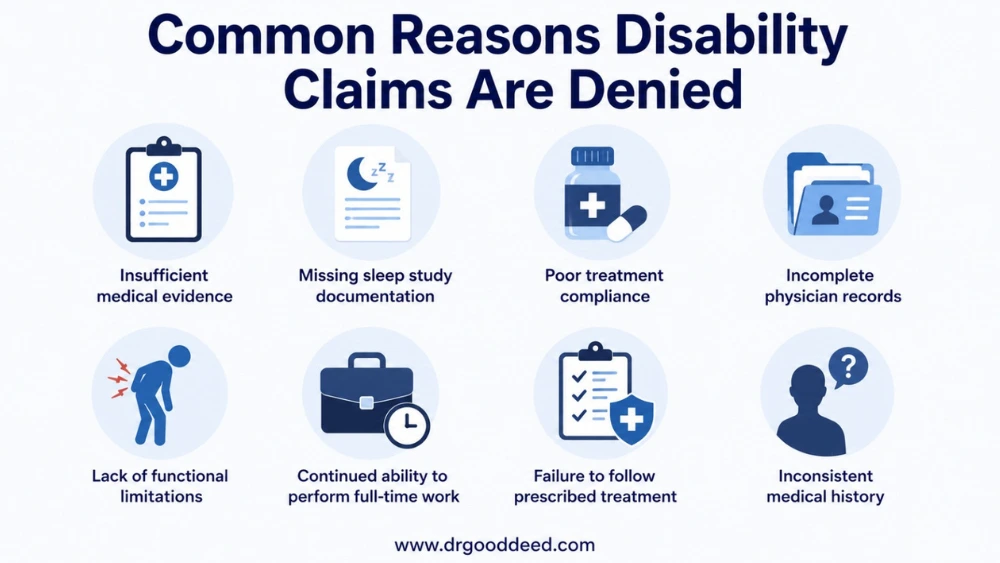
Many sleep apnea claims fail because evidence does not clearly connect the condition to work-related limitations. Disability reviewers require objective findings, treatment records, and documented functional impairment.
Common denial reasons include:
- Insufficient medical evidence
- Missing sleep study documentation
- Poor treatment compliance
- Incomplete physician records
- Lack of functional limitations
- Continued ability to perform full-time work
- Failure to follow prescribed treatment
- Inconsistent medical history
Claims supported by detailed records generally receive stronger consideration. Documentation matters more than diagnosis alone.
Can CPAP Therapy Affect Disability Eligibility?
CPAP therapy frequently becomes a major factor during disability reviews because it is considered the standard treatment for obstructive sleep apnea.
Reviewers assess symptom improvement, sleep quality, functional recovery, and ability to work. When CPAP successfully controls symptoms, disability eligibility may become more difficult to establish.
Some individuals continue experiencing:
- Daytime sleepiness
- Fatigue
- Cognitive impairment
These ongoing limitations may remain relevant during evaluations.
FAQ
1. Is sleep apnea considered a disability?
Yes, sleep apnea is a disability when severe symptoms or complications prevent sustained employment and medical evidence supports the limitation.
2. Can I receive disability benefits for sleep apnea?
Yes. Disability benefits for sleep apnea are possible when documented symptoms significantly limit work capacity despite appropriate treatment.
3. What are the disability eligibility requirements for sleep apnea?
Sleep apnea and disability eligibility typically require objective testing, ongoing treatment records, physician documentation, and evidence of work-related impairment lasting at least 12 months.
4. Can sleep apnea cause an inability to work?
Yes. Sleep apnea causing inability to work often involves severe daytime sleepiness, cognitive impairment, safety risks, or reduced productivity.
5. What functional limitations can sleep apnea cause?
Functional limitations caused by sleep apnea include poor concentration, memory problems, fatigue, slower reactions, reduced endurance, and impaired workplace performance.
6. How do I apply for disability with sleep apnea?
How to apply for disability with sleep apnea starts with collecting sleep studies, treatment records, physician opinions, and evidence showing work limitations.
7. Does a sleep study help support a disability claim?
Yes. Sleep studies provide objective evidence of breathing disruptions, oxygen reduction, and apnea severity.
8. Can CPAP therapy affect disability eligibility?
Yes. Reviewers assess whether CPAP improves symptoms and restores work capacity.
9. What medical evidence is needed for a sleep apnea disability claim?
Sleep studies, CPAP records, physician notes, specialist reports, symptom documentation, and functional assessments provide the strongest support.
10. Why are some sleep apnea disability claims denied?
Most denials involve missing medical evidence, poor treatment compliance, weak functional documentation, or insufficient proof of work limitations.