Home remedies for rashes reduce itching, calm skin inflammation, and support the skin barrier while the underlying cause resolves. Skin rashes, clinically categorized under dermatitis, urticaria, and tinea infections, affect over 85 million Americans annually, according to the American Academy of Dermatology (AAD).
Most mild rashes result from allergic contact reactions, heat, or disrupted skin barrier function and resolve within 2 to 4 weeks with proper home care. Understanding the specific rash type determines which home strategy works fastest.
How to Treat Rashes at Home
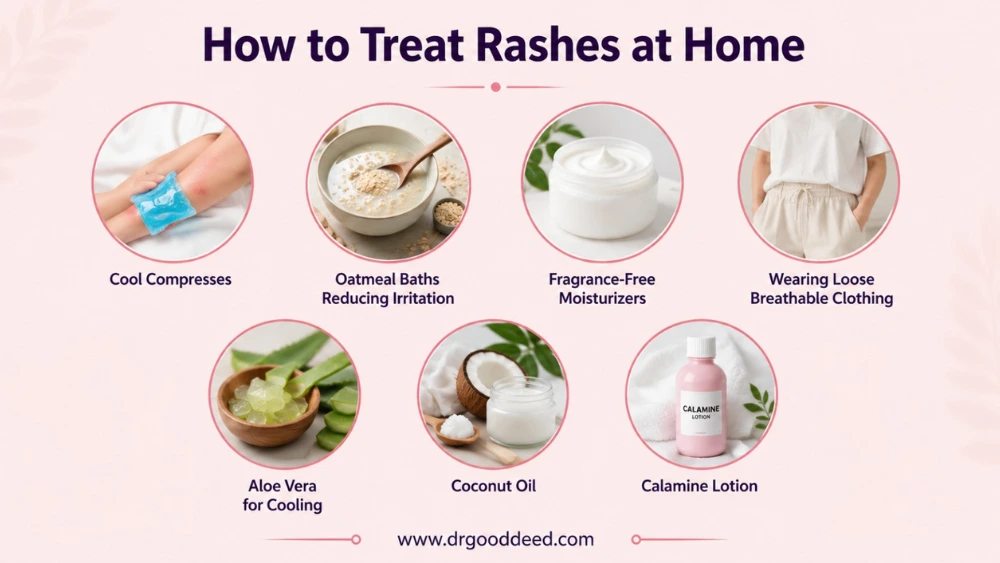
To treat rashes at home effectively, the first step is stopping further irritation. Continuing to expose inflamed skin to the original trigger, whether a soap, fabric, or allergen, prevents healing regardless of what remedy is applied. Remove the trigger first, then apply a soothing remedy.
Cool Compresses for Skin Soothing
Cold temperature constricts the blood vessels feeding the inflamed rash area. This reduces histamine release, slows fluid leakage into skin tissue, and numbs surface nerve endings within 2 to 3 minutes of contact.
Soak a clean cloth in cold water. Wring it out and apply to the rash for 10 minutes. Repeat every 2 to 3 hours during acute flares. Do not use ice directly on skin; ice causes cold burns on already-compromised skin.
Oatmeal Baths Reducing Irritation
Colloidal oatmeal is the only plant-derived ingredient with FDA-approved status as a skin protectant. It contains avenanthramides, polyphenols specific to oats that inhibit histamine release and reduce NF-kB, the protein complex that activates skin inflammatory pathways.
A 2012 study in the Journal of Drugs in Dermatology confirmed that colloidal oatmeal reduced itch, scaling, and redness in atopic dermatitis patients within 2 weeks of daily use. Add 1 cup of finely ground colloidal oatmeal to a lukewarm bath. Soak for 15 to 20 minutes. Pat skin dry gently; do not rub.
Fragrance-Free Moisturizers and Skin Barrier Support
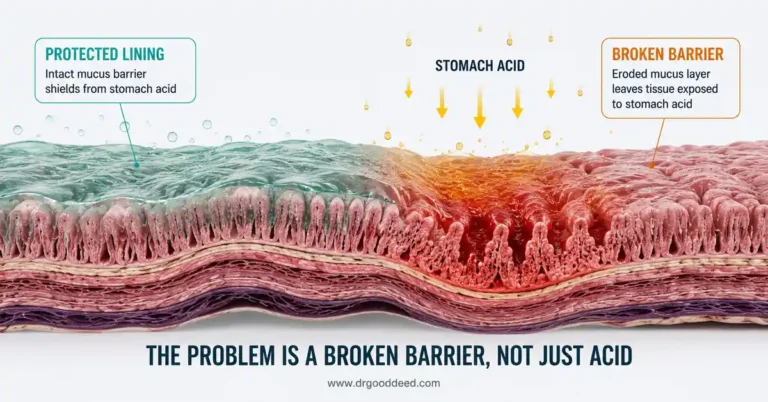
A damaged skin barrier allows allergens, bacteria, and irritants to penetrate deeper skin layers. This prolongs inflammation. Ceramide-based moisturizers restore the barrier by replacing the lipids naturally lost in eczematous and irritated skin.
Apply within 3 minutes of bathing while skin is still slightly damp. This traps moisture inside the skin instead of allowing it to evaporate. CeraVe, Vanicream, and Eucerin Eczema Relief are commercially available ceramide-based options recommended by the AAD.
Wearing Loose Breathable Clothing
Tight fabric against a rash creates friction. Friction physically disrupts already-fragile skin cells and triggers further mast cell degranulation, releasing more histamine into the affected area. Wear 100% cotton or bamboo fabric directly against rash-affected skin. Wash new clothing before wearing; manufacturing chemicals and dyes in unwashed fabric act as contact allergens.
What Causes Skin Rashes?
Rashes have different causes and each responds to a different type of treatment. Using an itchy rash home remedy designed for allergic contact dermatitis on a fungal rash will not work and can worsen symptoms.
Immune Reactions and Skin Inflammation
Allergic rashes (urticaria, contact dermatitis) happen when the immune system releases IgE antibodies in response to an allergen. These antibodies trigger mast cells in skin tissue to release histamine, which causes redness, swelling, and itching within minutes to hours of exposure.
Allergies and Irritant Exposure
Contact dermatitis splits into two types. Allergic contact dermatitis requires prior sensitization; the rash appears 24 to 72 hours after re-exposure. Irritant contact dermatitis happens without prior sensitization; the rash appears immediately after contact with a strong irritant like bleach, acidic cleaners, or certain metals.
Nickel in jewelry and belt buckles is the most common metal contact allergen in the US, affecting approximately 17% of women and 3% of men, per the AAD.
Fungal Infection Skin Rash Causes
Fungal infection skin rash causes involve dermatophyte fungi (ringworm, athlete’s foot, jock itch) and Candida yeast (skin fold infections). Dermatophytes feed on keratin, the protein in outer skin cells.
They produce enzymes that dissolve the skin surface, causing the characteristic scaly, ring-shaped border. Candida thrives in warm, moist skin folds: under breasts, in the groin, and between skin folds in overweight individuals.
Heat, Sweat, and Friction-Related Rashes
Miliaria (heat rash) occurs when sweat ducts become blocked. Trapped sweat leaks into surrounding skin layers and causes inflammation. It appears as tiny red bumps or clear blisters on the chest, back, neck, and skin folds. Intertrigo is a related rash that occurs in skin folds where heat, moisture, and friction combine.
Common Symptoms of Skin Rashes
Red Skin Rash Relief Naturally
Red skin rash relief naturally targets the dilated blood vessels causing redness. Cool compresses constrict those vessels within minutes. The redness pattern helps identify the rash type: a uniform red patch suggests allergic contact dermatitis; a ring-shaped red border suggests a fungal rash; scattered red hives (wheals) suggest urticaria.
Itching and Burning Sensations
Itching in rashes comes from histamine stimulating C-fiber nerve endings in the skin. Burning sensations indicate deeper skin irritation reaching the dermis layer. Itching without burning usually indicates an allergic or eczematous cause. Burning without itching more often signals an irritant contact or chemical exposure.
Dry, Flaky, or Peeling Skin
Dry, scaly skin signals a compromised skin barrier. The outer skin layer (stratum corneum) has lost lipids and cannot hold moisture. This occurs in eczema, seborrheic dermatitis, and post-inflammatory skin changes after any rash heals.
Swelling and Skin Sensitivity
Swelling alongside a rash signals active fluid leakage from blood vessels into skin tissue (edema). Swelling limited to the rash area indicates local inflammation. Swelling spreading beyond the rash, especially around the face, lips, or throat, signals angioedema, a medical emergency.
Small Bumps or Patches on the Skin
Papules (solid bumps) suggest eczema or contact dermatitis. Vesicles (fluid-filled bumps) suggest shingles or dyshidrotic eczema. Pustules (pus-filled bumps) suggest bacterial or fungal infection. Identifying bump type helps determine whether a home remedy or prescription antifungal or antibiotic is needed.
Itchy Rash Home Remedy
An itchy rash home remedy works by either blocking histamine activity at the skin surface, cooling nerve endings, or restoring the damaged skin barrier. The fastest-acting options address the itch signal directly.
Aloe Vera for Cooling Relief
Aloe vera gel contains aloin, barbaloin, and acemannan. These compounds reduce prostaglandin E2 and thromboxane B2, both inflammatory mediators that increase skin nerve sensitivity and itching.
A 2008 review in the Indian Journal of Dermatology confirmed aloe vera’s anti-inflammatory properties for skin conditions including minor rashes and sunburn. Apply pure aloe gel (no alcohol or fragrance additives) directly to the rash. Leave for 15 minutes before rinsing. Use 3 times daily.
Coconut Oil and Skin Hydration
Virgin coconut oil contains lauric acid, a medium-chain fatty acid with documented antimicrobial properties against Staphylococcus aureus, a bacterium that colonizes eczema skin and worsens flares.
A 2014 study in the International Journal of Dermatology found that virgin coconut oil reduced S. aureus colonization on atopic dermatitis skin. Apply a thin layer after bathing. It also fills gaps in the skin barrier lipid structure, reducing water loss from irritated skin.
Calamine Lotion and Itch Reduction
Calamine (zinc oxide and ferric oxide) works as an antipruritic by creating a mild astringent effect on inflamed skin surface. It reduces the sensation of itching within 5 to 10 minutes of application.
It works best for itchy rash home remedy management in contact dermatitis, chickenpox rashes, and mild poison ivy reactions. Do not apply to open, weeping skin lesions; calamine dries the skin excessively on broken-skin surfaces.
Avoiding Scratching and Skin Damage
Scratching activates more mast cells in surrounding skin, releasing additional histamine and extending the itch beyond the original rash boundary. This is called the itch-scratch cycle.
Scratching also introduces fingernail bacteria (including S. aureus) into skin micro-tears, which can cause secondary infection. Cut fingernails short. Apply a cold compress immediately when the urge to scratch peaks; cold blocks histamine-activated nerve signals faster than any topical remedy.
Eczema and Dermatitis Rash Symptoms
Eczema and dermatitis rash symptoms affect over 31 million Americans, making atopic dermatitis (eczema) the most common inflammatory skin condition in the United States, per the National Eczema Association (NEA). Eczema and contact dermatitis look similar but have different triggers and treatment responses.
Key distinguishing symptoms:
- Atopic dermatitis (eczema): Chronic, recurring dry patches; typically on elbow creases, knee creases, and neck; associated with asthma and allergic rhinitis; starts in childhood in 60% of cases
- Allergic contact dermatitis: Appears 24 to 72 hours after allergen contact; confined to the contact area; common triggers are nickel, fragrance, latex, and poison ivy
- Irritant contact dermatitis: Appears immediately after irritant contact; common triggers are bleach, detergents, and cutting fluids; usually burns more than it itches
- Seborrheic dermatitis: Greasy, yellowish scales on the scalp, eyebrows, and sides of nose; caused by overgrowth of Malassezia yeast; responds to antifungal shampoos, not regular moisturizers
Treating eczema requires ceramide-based moisturizers and avoidance of known triggers. Treating seborrheic dermatitis requires antifungal treatment, not moisturizers alone.
Fungal Infection Skin Rash Causes
Fungal infection skin rash causes differ significantly from allergic rashes, and home remedies for rashes designed for allergic reactions do not address the fungal organism causing the skin damage.
Fungal infection skin rash causes include:
- Tinea corporis (ringworm): Ring-shaped scaly patch caused by Trichophyton rubrum; spreads through direct skin contact or shared towels and clothing; treated with topical terbinafine or clotrimazole for 2 to 4 weeks
- Tinea pedis (athlete’s foot): Scaling, cracking, and itching between the toes; T. rubrum and T. mentagrophytes are the most common causes; spreads in wet public floors (pools, locker rooms)
- Tinea versicolor: Caused by Malassezia furfur yeast; produces light or dark patches on the chest and back; worse in humid climates; treated with selenium sulfide shampoo applied to skin
- Candidal intertrigo: Red, raw-looking rash in moist skin folds; often has satellite pustules around the border; treated with topical nystatin or clotrimazole
All fungal rashes require antifungal treatment. Coconut oil (lauric acid) shows activity against Candida in lab studies, but over-the-counter topical antifungals (terbinafine, clotrimazole) are faster and more reliable for confirmed fungal rashes.
Foods and Habits That Worsen Skin Rashes
Harsh Soaps and Fragrances
Soap with a pH above 8 disrupts the skin’s natural acid mantle (pH 4.5 to 5.5). This strips protective skin lipids and allows allergens to penetrate. Fragranced products are the top cause of allergic contact dermatitis from skincare products in the US. Switch to pH-balanced, fragrance-free cleansers during any active rash.
Heat and Excessive Sweating
Heat dilates skin blood vessels, increases histamine release, and worsens itching in eczema and urticaria within minutes of temperature rise. This is why eczema and hives consistently worsen after hot showers, exercise, or in summer heat. Cool or lukewarm showers (below 98°F/37°C) prevent this histamine spike.
Allergic Food Triggers in Sensitive Individuals
In people with atopic dermatitis, food allergens (eggs, milk, peanuts, wheat, soy, fish) trigger systemic IgE responses that worsen skin inflammation. The AAD notes that 30% of children with moderate-to-severe eczema have a confirmed food allergy.
Food restriction without confirmed allergy testing is not recommended; elimination diets without guidance worsen nutrition without reliably improving rash.
Tight Clothing and Skin Friction
Synthetic fabrics (polyester, nylon) do not absorb sweat. Trapped sweat raises skin surface pH and increases friction simultaneously. Both worsen miliaria, intertrigo, and eczema. Cotton absorbs up to 27 times its weight in moisture.
Skin Care Habits That Support Rash Healing
Gentle Cleansing Without Irritation
Wash rash-affected skin once daily with lukewarm water and a fragrance-free, sulfate-free cleanser. Avoid scrubbing with washcloths or loofahs. Friction disrupts the fragile new skin cells forming at the rash edge during healing.
Moisturizing After Bathing
Apply moisturizer within 3 minutes of bathing. This is called the “soak and seal” method recommended by the NEA. Bathing hydrates the outer skin layer; sealing immediately prevents water from evaporating. Moisturizing 30 minutes after bathing allows significant water loss before the product is applied.
Keeping Affected Skin Cool and Dry
Heat increases histamine production in skin mast cells. Keeping affected areas cool reduces this cycle. Use a small fan directed at itchy skin for 5-minute intervals. In skin folds where moisture accumulates, apply fragrance-free talc-free powder to absorb sweat after moisturizing.
Protecting the Skin Barrier Naturally
Zinc oxide ointment (the same ingredient in diaper rash cream) creates a physical barrier over irritated skin. It blocks direct contact with friction, moisture, and secondary irritants while the skin heals underneath. Apply a thin layer over any fragrance-free moisturizer.
Common Mistakes People Make With Skin Rashes
Most people slow rash healing through these specific errors, even while consistently using home remedies for rashes.
- Applying hydrogen peroxide to a rash: Hydrogen peroxide kills fibroblasts (skin repair cells) at concentrations above 0.5%. The standard 3% drugstore concentration damages new tissue growth and delays healing by 3 to 5 days compared to leaving the area clean and covered
- Using hydrocortisone cream on fungal rashes: Hydrocortisone is a steroid that suppresses immune responses. On a fungal rash, it removes the immune defense fighting the fungus. The rash appears temporarily better but the fungal infection spreads, sometimes causing tinea incognito, a deeply invasive fungal infection that is much harder to treat
- Using alcohol-based hand sanitizer on rashes: Alcohol dissolves skin lipids, removes barrier protection, and burns inflamed nerve endings. It provides no benefit for skin rashes and significantly worsens barrier function
- Wrapping a rash tightly: Occlusive bandaging over a moist, inflamed rash without proper wound care traps bacteria and raises skin temperature, both of which accelerate secondary infection
- Assuming all rashes are the same: Treating a fungal rash with moisturizer or treating eczema with antifungal cream both delay recovery by weeks
When Skin Rashes Need Medical Attention
Home remedies for rashes are appropriate for mild allergic reactions, minor contact dermatitis, and early eczema flares. Certain signs indicate a rash has moved beyond safe home management.
Seek medical care promptly if:
- A rash spreads rapidly across large body areas within hours
- Swelling appears on the face, lips, tongue, or throat alongside any rash
- Difficulty breathing or swallowing develops
- Fever above 101°F (38.3°C) accompanies the rash
- The rash produces pus, crusting with honey-colored discharge (signals impetigo), or increasing warmth and pain at the site
- Red streaks extend outward from the rash (signals cellulitis spreading through lymph vessels)
- A ring-shaped rash appears after a tick bite (signals Lyme disease, caused by Borrelia burgdorferi)
- A blistering rash follows a band-like pattern on one side of the body (signals shingles)
- The rash has not improved after 2 weeks of consistent home remedies for rashes
The last two symptoms above require prescription treatment: oral antibiotics for Lyme disease and antiviral medication (acyclovir or valacyclovir) for shingles. Both worsen significantly with delayed treatment.
FAQs
What are the best home remedies for skin rashes?
The most evidence-backed home remedies for rashes are colloidal oatmeal baths (FDA-approved skin protectant; confirmed in a 2012 Journal of Drugs in Dermatology study), cool compresses (reduces histamine within minutes), ceramide-based moisturizers applied within 3 minutes of bathing (soak-and-seal method), and calamine lotion for contact dermatitis and urticaria itching.
How can itching and redness from rashes be relieved naturally?
Red skin rash relief naturally starts with a 10-minute cool compress to constrict blood vessels and block histamine-activated nerve signals. Colloidal oatmeal applied topically or used in a bath reduces NF-kB inflammatory activity within the skin. Calamine lotion applied to dry, unbroken skin reduces both redness and itching within 5 to 10 minutes of application.
What causes fungal skin rashes and itching?
Fungal infection skin rash causes are dermatophytes like Trichophyton rubrum (ringworm, athlete’s foot) and Malassezia yeast (tinea versicolor, seborrheic dermatitis). Dermatophytes produce keratinase enzymes that dissolve outer skin cells. They spread through shared towels, wet floors, and direct skin contact. Over-the-counter terbinafine 1% cream treats most ringworm infections in 2 to 4 weeks.
How are eczema and dermatitis different from allergic rashes?
Eczema and dermatitis rash symptoms are chronic and recurring; allergic urticaria (hives) appears within minutes of allergen contact and clears within 24 hours. Eczema requires long-term ceramide moisturization and trigger avoidance. Allergic contact dermatitis takes 24 to 72 hours to appear after re-exposure and stays confined to the contact area. Urticaria spreads widely and moves across the skin.
Why does scratching make skin rashes worse?
Scratching physically ruptures mast cells in surrounding skin tissue. Each ruptured mast cell releases histamine, which extends the itch signal to a wider skin area. This is why a 3 cm rash can feel like it covers 10 cm after repeated scratching. Scratching also introduces Staphylococcus aureus bacteria from under fingernails into skin micro-tears, causing secondary infection within 24 to 48 hours.
Can oatmeal baths help soothe irritated skin naturally?
Yes. Colloidal oatmeal is FDA-approved as a skin protectant and is the strongest evidence-backed itchy rash home remedy for eczema and contact dermatitis. Its avenanthramide compounds reduce NF-kB, the protein that activates skin inflammatory pathways. A 2012 Journal of Drugs in Dermatology study confirmed measurable reductions in itch, scaling, and redness within 2 weeks of daily oatmeal baths.
Which skincare products commonly worsen rashes?
Fragranced moisturizers, alcohol-based toners, sodium lauryl sulfate (SLS) cleansers, and products containing propylene glycol are the most common rash-worsening skincare ingredients in the US. Fragrances alone cause allergic contact dermatitis in approximately 1% to 4% of the general population, per the AAD. Hydrocortisone cream applied to an undiagnosed fungal rash suppresses immunity and allows the fungus to spread unchecked.
How can heat and sweat trigger skin irritation?
Heat raises skin surface temperature, which dilates blood vessels and increases histamine release from mast cells in the skin. Sweat raises skin surface pH from its normal 4.5 to above 7.0, which disrupts the acid mantle protecting against bacteria and allergen penetration. Both happen simultaneously during physical activity or hot weather, which is why miliaria, eczema, and hives all worsen in summer.
What signs suggest a rash may be infected or serious?
Honey-colored crusting signals impetigo (bacterial infection from Staphylococcus or Streptococcus). Red streaks extending from the rash indicate cellulitis spreading through lymph vessels. Fever above 101°F (38.3°C) alongside any rash indicates systemic immune response. A band-like blistering rash on one side of the torso indicates shingles. All four require prescription treatment; no home remedies for rashes are adequate for these conditions.
When should skin rashes be medically evaluated?
See a doctor within 24 hours if facial swelling, throat tightness, or difficulty breathing accompanies any rash; these signal anaphylaxis requiring epinephrine. Seek care within 48 to 72 hours if fever is present, pus appears, red streaks extend outward, or a tick bite produced a ring-shaped rash. Any rash failing to improve after 14 days of consistent home remedies for rashes needs dermatological evaluation.