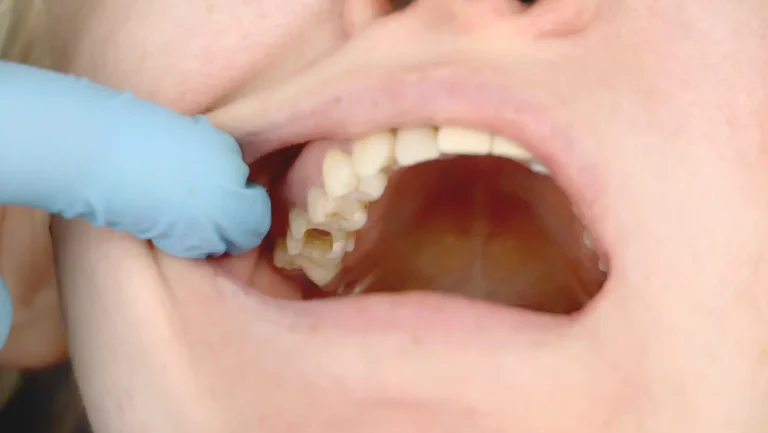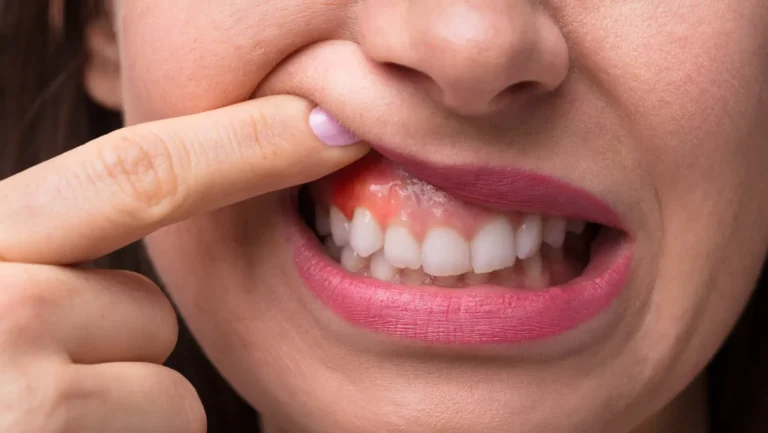
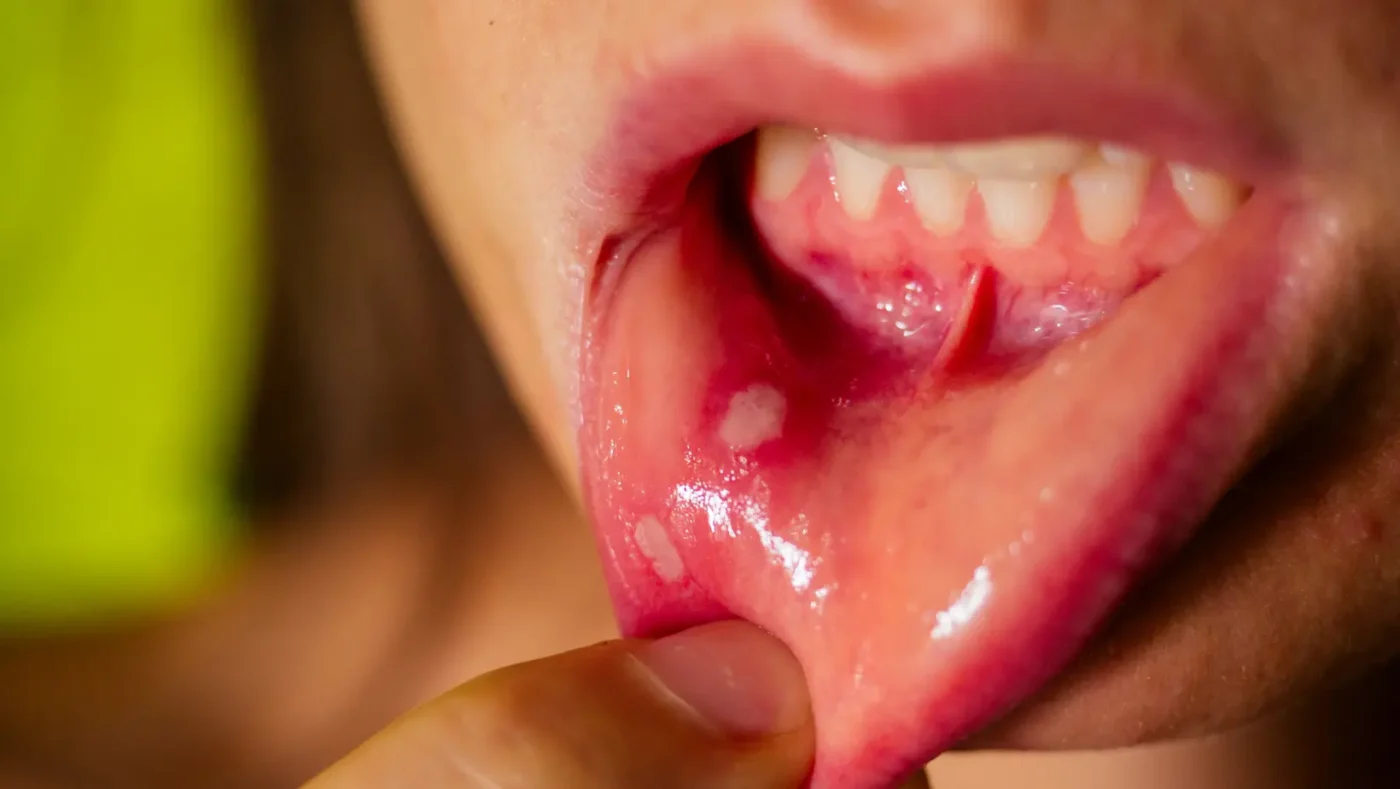

A canker sore treatment home remedy reduces pain, speeds healing, and lowers the chance of the sore getting infected, all without a prescription. Canker sores, clinically called recurrent aphthous stomatitis (RAS), affect approximately 20% of the US population at any given time, according to the American Academy of Oral Medicine (AAOM). They appear as white or yellow oval ulcers inside the mouth, surrounded by a red border, and are not contagious. Most minor canker sores heal in 7 to 14 days.
Home Remedies for Canker Sores
Home remedies for canker sores work by reducing inflammation, lowering bacterial load inside the mouth, and protecting the ulcer surface from further irritation. The remedies below have documented mechanisms, not just anecdotal use.
Saltwater Rinse for Oral Irritation
Saltwater is the most widely recommended first-line canker sore treatment home remedy. It draws fluid out of swollen tissue through osmosis and temporarily reduces pain. Mix one teaspoon of table salt in 8 ounces of warm water. Swish for 30 seconds, spit, and repeat 3 to 4 times daily. Do not swallow. Rinse gently; aggressive swishing reopens the sore surface and delays healing.
Ice and Cold Foods for Pain Relief
Cold temperature slows nerve conduction velocity, which reduces pain signal intensity at the ulcer site. Apply a small ice cube directly to the sore for 60 seconds. Eating cold foods like plain yogurt or cold applesauce also coats the ulcer surface and provides temporary numbness. Avoid flavored or sweetened versions since sugar increases bacterial activity inside the mouth.
Honey and Soothing Oral Tissues
Raw honey contains hydrogen peroxide, methylglyoxal, and bee defensin-1, three compounds with documented antibacterial properties. A 2014 study in the Quintessence International journal found that honey applied topically to canker sores reduced pain, ulcer size, and healing time compared to a steroid paste control group.
Apply raw manuka honey (UMF 10+ or higher) directly to the sore with a cotton swab. Leave it for 2 to 3 minutes before rinsing. Use 3 times daily. Regular store honey contains less active antibacterial compound but still provides a protective coating.
Aloe Vera and Mouth Ulcer Comfort
Aloe vera gel contains acemannan, a polysaccharide that reduces inflammation and promotes tissue repair. A 2016 study in the Journal of Clinical and Experimental Dentistry confirmed that aloe vera gel applied to aphthous ulcers reduced pain on day 4 and accelerated complete healing by day 8, compared to no treatment. Use pure aloe vera gel with no added alcohol or fragrance. Apply with a cotton swab directly on the sore, twice daily.
Common Symptoms of Canker Sores
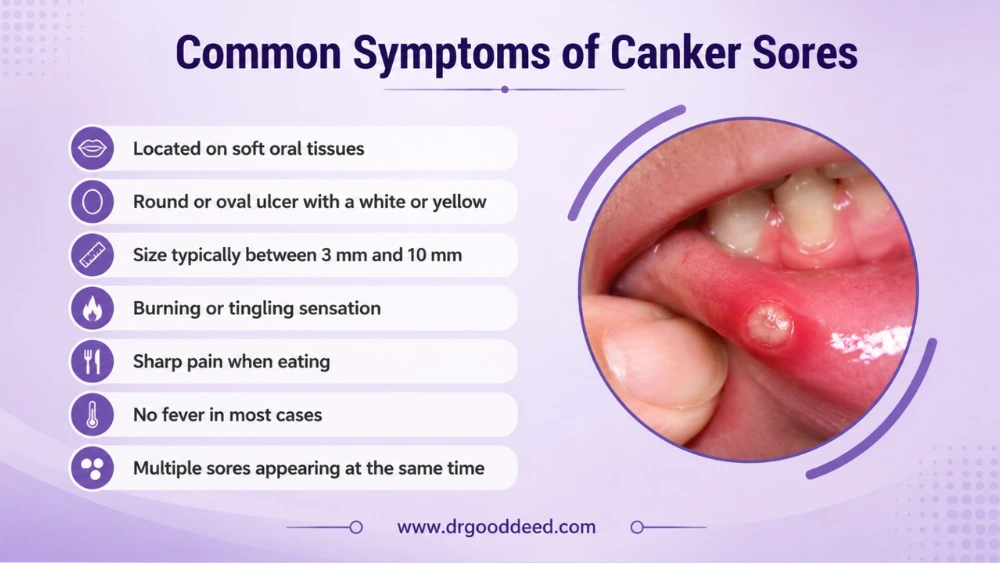
Canker sores are white sores inside mouth remedies that most people seek because they appear suddenly and cause intense localized pain. The symptom profile is specific enough to distinguish canker sores from other oral conditions without a lab test in most cases.
Key symptoms include:
- Round or oval ulcer with a white or yellow center and red border
- Size typically between 3 mm and 10 mm for minor canker sores
- Located on soft oral tissues: inner cheeks, inner lips, tongue, or soft palate
- Burning or tingling sensation 24 to 48 hours before the sore appears
- Sharp pain when eating, drinking, or talking
- No fever in most cases (fever suggests a different cause)
- Multiple sores appearing at the same time in some individuals
Major canker sores (herpetiform type) exceed 10 mm, take 6 weeks or more to heal, and often leave scarring. These require professional evaluation, not home management alone.
Baking Soda Remedy for Mouth Ulcers
A baking soda remedy for mouth ulcers reduces pain by neutralizing the acidic environment around the sore. Oral bacteria produce acid as a byproduct of metabolism. That acid drops local tissue pH, which worsens ulcer inflammation and delays healing.
How Baking Soda Reduces Irritation
Baking soda (sodium bicarbonate) is an alkaline compound with a pH of approximately 8.3. When it contacts acidic tissue around an ulcer, it neutralizes local acidity. This reduces the chemical irritation on exposed nerve endings at the ulcer base.
Mouth pH Balance and Ulcer Discomfort
A healthy mouth maintains a pH between 6.7 and 7.3. Canker sores disrupt this balance locally. Bacteria feeding on food debris lower the pH around the sore to 5.5 or below. The baking soda remedy for mouth ulcers raises that pH back toward neutral, slowing bacterial activity and reducing burning pain.
Safe Baking Soda Rinse Preparation
Mix one teaspoon of baking soda in half a cup (4 ounces) of warm water. Stir until fully dissolved. Swish for 30 seconds and spit. Do not mix baking soda with salt for a canker sore rinse; salt raises the rinse’s osmolality too high and may irritate exposed ulcer tissue further.
Frequency and Precautions for Use
Use the baking soda remedy for mouth ulcers 2 to 3 times daily, not more. Overuse disrupts the mouth’s natural pH and dries out the oral mucosa. Avoid swallowing. People on low-sodium diets should consult a physician before using baking soda rinses regularly.
Foods That Trigger or Worsen Canker Sores
Certain foods either trigger new canker sores or significantly worsen pain in existing ones. Knowing which foods to avoid speeds up healing time.
Spicy Foods Triggering Canker Sores
Spicy foods triggering canker sores is one of the most consistent dietary patterns reported by canker sore patients. Capsaicin in chili peppers activates TRPV1 pain receptors directly. On intact oral tissue, this creates a burning sensation. On an open ulcer, it causes severe localized pain and increases surface inflammation. Avoid hot sauce, chili, and spicy seasonings until the sore heals completely.
Acidic Foods and Citrus Irritation
Citrus fruits (oranges, lemons, grapefruits), tomatoes, vinegar-based foods, and pineapple have a pH between 2.0 and 4.5. Contact with an open ulcer at that acidity level chemically burns the exposed tissue. In people prone to canker sores, sodium lauryl sulfate (SLS), a foaming agent in most toothpastes, combined with citric acid has been linked to increased recurrence frequency.
Crunchy Foods Causing Friction
Hard crackers, chips, crusty bread, and raw carrots create friction against the soft oral mucosa. That friction reopens healing tissue. Even a sore in its final healing stage can tear open again from a sharp chip edge. Stick to soft foods until the white center disappears completely.
Very Hot Foods Increasing Discomfort
Hot liquids and foods above 140°F (60°C) increase blood flow to already-inflamed ulcer tissue. This causes throbbing pain and delays the formation of the protective fibrin layer that covers healing ulcers. Let all foods and drinks cool to below body temperature before consuming them during a canker sore flare.
Immune System and Oral Ulcers
Immune system and oral ulcers share a direct relationship. Most canker sores are not caused by a virus or bacteria. They result from the immune system attacking oral mucosal cells it mistakenly identifies as foreign. This makes immune regulation central to preventing recurrence.
Stress and Immune System Effects
Physical and psychological stress raises cortisol levels. Elevated cortisol suppresses T-cell activity and increases inflammatory cytokines, particularly TNF-alpha and IL-6. These cytokines trigger mucosal breakdown in susceptible individuals. A 2009 study in the Journal of Oral Pathology and Medicine found that students experienced significantly more canker sore episodes during exam periods compared to non-exam periods.
Nutritional Deficiencies and Mouth Sores
Iron, vitamin B12, folate, and zinc deficiencies are documented independent risk factors for recurrent canker sores. A 1986 study in the Journal of Oral Medicine found that 20% of recurrent aphthous stomatitis patients had at least one of these deficiencies. Correcting the deficiency reduced recurrence in a significant portion of those patients.
Hormonal Changes and Ulcer Flare-Ups
Some women experience canker sore flare-ups consistently before menstruation. Falling progesterone levels in the luteal phase alter oral mucosal immune responses. This pattern is different from a stress-triggered flare and often resolves after menstruation begins.
Illness and Recurrent Canker Sores
HIV/AIDS, Crohn’s disease, celiac disease, and Behcet’s disease all list recurrent oral ulcers as a clinical feature. Canker sores that appear monthly or more frequently warrant evaluation for an underlying systemic condition, not just a canker sore treatment home remedy approach.
Nutrients That Support Oral Healing
Vitamin B12 and Oral Tissue Health
A 2009 randomized controlled trial published in the Journal of the American Board of Family Medicine found that 1,000 mcg of sublingual vitamin B12 daily reduced canker sore frequency, duration, and pain intensity over 6 months compared to placebo. The sublingual form matters; oral B12 tablets absorb poorly in people with B12 deficiency caused by low intrinsic factor production.
Iron Deficiency and Mouth Ulcers
Iron supports epithelial cell repair. Low ferritin levels (below 12 ng/mL) impair mucosal regeneration and increase ulcer recurrence. A complete blood count and serum ferritin test identifies this deficiency in about 20 minutes at any standard lab.
Zinc and Wound Healing Support
Zinc supports keratinocyte migration, which is the process that closes a wound surface. A 2010 study in the Oral Surgery, Oral Medicine, Oral Pathology, Oral Radiology journal found that zinc sulfate supplementation (150 mg/day) reduced canker sore recurrence frequency compared to placebo over a 3-month period.
Hydration and Oral Moisture Balance
Dehydration reduces saliva production. Saliva contains immunoglobulin A (IgA), which coats and protects oral mucosa. Without adequate saliva, the protective mucosal layer thins and becomes more vulnerable to ulcer formation. Eight to 10 cups of water daily maintains salivary flow at protective levels.
Oral Care Habits That Help Canker Sores Heal
Gentle Toothbrushing Techniques
Use a soft-bristled toothbrush. Hold it at a 45-degree angle and use short circular strokes. Avoid scrubbing directly over the sore. Brushing the area causes mechanical trauma that delays healing by 2 to 3 days.
Alcohol-Free Mouthwash Options
Alcohol-based mouthwashes dehydrate oral mucosa and worsen ulcer pain. Switch to an alcohol-free mouthwash containing cetylpyridinium chloride or chlorhexidine 0.12% during a canker sore flare. Chlorhexidine rinses have shown reduced canker sore duration in clinical trials published by the ADA.
Avoiding Irritation From Dental Appliances
Braces, retainers, and ill-fitting dentures cause repeated friction against the same oral tissue spots. This physical trauma is a documented trigger for canker sores in susceptible individuals. Orthodontic wax applied over sharp brackets reduces friction and allows healing tissue to stay intact.
Maintaining Oral Hygiene Without Worsening Pain
Switch to an SLS-free toothpaste during active sores. SLS is the foaming agent in most standard toothpastes. A 1994 double-blind crossover study in the Journal of Clinical Periodontology found that SLS-free toothpaste users experienced 70% fewer canker sore episodes than standard toothpaste users over a 3-month period. Sensodyne Pronamel and Biotene are two commercially available SLS-free options.
Common Causes of Recurrent Canker Sores
Recurrent canker sores (3 or more episodes per year) have identifiable triggers in most patients. Random or unexplained recurrence without any trigger pattern warrants a medical workup.
Documented causes of recurrence include:
- Sodium lauryl sulfate in toothpaste (70% reduction in recurrence when SLS is eliminated, per the 1994 Journal of Clinical Periodontology trial)
- Iron, B12, folate, or zinc deficiency
- Celiac disease (undiagnosed gluten sensitivity causes oral mucosa damage and recurrent ulcers)
- Behcet’s disease (causes oral ulcers, genital ulcers, and eye inflammation together)
- Spicy foods triggering canker sores in people with TRPV1 receptor hypersensitivity
- Trauma from dental procedures or biting the inner cheek
- Hormonal imbalance tied to the menstrual cycle
- Emotional stress raising cortisol and inflammatory cytokines
When Mouth Ulcers Need Medical Attention
Most white sores inside mouth remedies manage standard canker sores effectively at home. Certain signs indicate a different condition or a complication that requires professional evaluation.
See a doctor or dentist if:
- The sore is larger than 10 mm (about the width of a pencil eraser)
- It has not healed after 14 days of consistent canker sore treatment home remedy use
- Fever above 100.4°F (38°C) accompanies the ulcer
- Sores appear on the hard palate, gums, or lips (more typical of cold sores, not canker sores)
- Multiple large sores appear simultaneously and spread
- Difficulty swallowing, speaking, or drinking water develops
- A sore bleeds without trauma
- Sores appear monthly or more often without any clear trigger
A non-healing oral ulcer lasting more than 3 weeks requires biopsy to rule out oral squamous cell carcinoma, particularly in adults over 40 who smoke or consume alcohol regularly.
FAQs
What are the best home remedies for canker sores?
The most evidence-backed canker sore treatment home remedy options are raw manuka honey (reduces ulcer size and healing time per a 2014 Quintessence International study), aloe vera gel (accelerates healing by day 8 per a 2016 Journal of Clinical and Experimental Dentistry study), and saltwater rinses (reduces surface bacteria and draws out swelling through osmosis).
How does a baking soda rinse help mouth ulcers?
The baking soda remedy for mouth ulcers neutralizes acid produced by oral bacteria around the sore. Baking soda has a pH of 8.3, which raises local pH from the damaging 5.5 range back toward neutral. Lower acidity means less chemical irritation on exposed nerve endings, which reduces burning pain within minutes of rinsing.
Why do spicy and acidic foods worsen canker sore pain?
Spicy foods triggering canker sores activate TRPV1 pain receptors directly on the open ulcer surface. Acidic foods at pH 2.0 to 4.5 chemically burn exposed submucosal tissue. Both mechanisms bypass normal skin protection because canker sores have no protective epithelial layer over them. Pain is immediate and lasts 15 to 30 minutes after contact.
Can stress and immune system problems trigger mouth ulcers?
Yes. Elevated cortisol from stress suppresses T-cell function and raises TNF-alpha and IL-6, two cytokines that trigger mucosal breakdown. Immune system and oral ulcers share this direct link, confirmed in a 2009 Journal of Oral Pathology and Medicine study showing students had significantly more canker sores during exam periods than non-exam periods.
How long do canker sores usually take to heal?
Minor canker sores (under 10 mm) heal in 7 to 14 days without treatment. With consistent home remedies for canker sores such as manuka honey and aloe vera, healing time shortens to 6 to 8 days in clinical studies. Major canker sores (over 10 mm) take 4 to 6 weeks and often leave a small scar.
What foods help support oral healing naturally?
Soft, zinc-rich foods like pumpkin seeds and chickpeas support wound closure. B12-rich foods like eggs, salmon, and fortified cereals address the most common nutritional deficiency linked to canker sores. Cold, plain yogurt coats the ulcer surface and provides probiotics that reduce oral Streptococcus levels. Avoid all citrus, spicy, and crunchy foods until the white center disappears.
How are canker sores different from cold sores?
Canker sores appear inside the mouth on soft tissue (inner cheek, tongue, soft palate) and are not contagious. Cold sores appear outside the mouth on or near the lips and are caused by herpes simplex virus type 1 (HSV-1), which is highly contagious. Cold sores start as fluid-filled blisters; canker sores start as open ulcers with no blister stage.
Can vitamin deficiencies contribute to recurring mouth ulcers?
Yes. A 1986 Journal of Oral Medicine study found 20% of recurrent aphthous stomatitis patients had iron, B12, folate, or zinc deficiency. Correcting the specific deficiency reduced recurrence. A canker sore treatment home remedy alone does not address the root cause in deficiency-driven cases. A serum B12, ferritin, and zinc test identifies the deficiency in a standard blood panel.
What oral hygiene habits help reduce irritation?
Switch to an SLS-free toothpaste. A 1994 Journal of Clinical Periodontology double-blind trial showed 70% fewer canker sore episodes in SLS-free toothpaste users over 3 months. Use alcohol-free chlorhexidine 0.12% mouthwash. Brush with a soft-bristled brush using light circular strokes. Avoid brushing directly over the active sore for the first 5 days.
When should mouth ulcers be medically evaluated?
See a dentist or doctor immediately if the sore exceeds 10 mm, persists past 14 days, comes with fever, or appears on the gums or lips (not inner cheek or tongue). Any non-healing ulcer lasting more than 3 weeks needs a biopsy to rule out oral cancer, especially in adults over 40 who smoke or drink alcohol regularly.