
Home remedies for allergies work by reducing the body’s allergic response, clearing airways, and calming irritated skin without a prescription. Over 100 million Americans experience allergies each year, making it one of the most common chronic health conditions in the United States, according to the Asthma and Allergy Foundation of America (AAFA). This guide covers what triggers allergic reactions, which natural strategies bring actual relief, and when symptoms require professional care.
Natural Remedies for Allergy Relief
Natural remedies for allergy relief target the most disruptive symptoms, such as nasal congestion, sinus pressure, and throat irritation, using methods that support your body’s own defenses. They work best when started early in allergy season and used consistently.
Saline Rinse for Nasal Allergies
A saline rinse for nasal allergies physically flushes pollen, dust, and other allergens out of your nasal passages. This reduces the allergen load before your immune system overreacts.
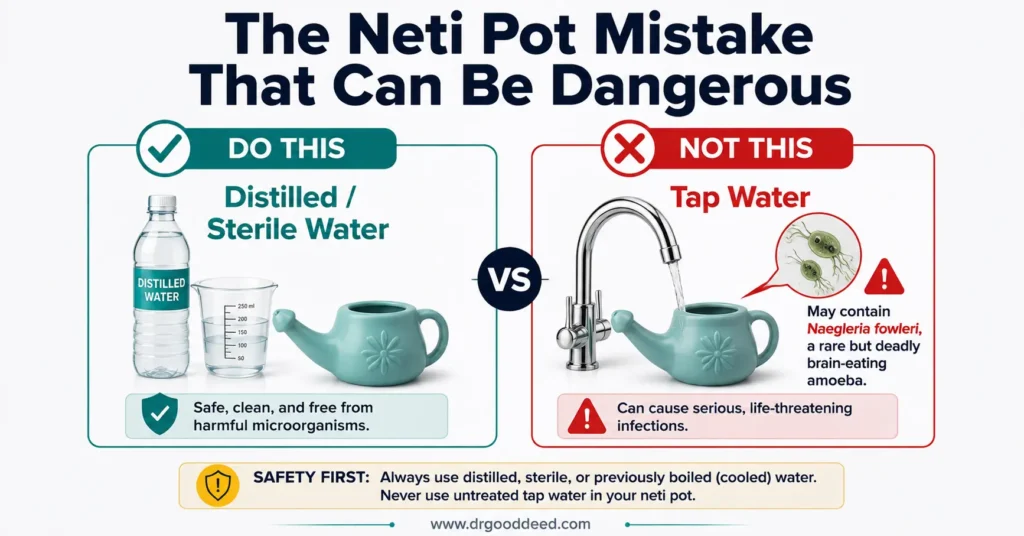
Use a neti pot or saline squeeze bottle with a sterile, distilled water solution. Tap water carries microorganisms that are unsafe for nasal irrigation. The American Academy of Allergy, Asthma & Immunology (AAAAI) recommends isotonic saline (0.9% sodium chloride) for daily nasal rinsing during high-pollen periods.
- Do it once in the morning after outdoor exposure
- Use pre-made saline packets to avoid incorrect salt ratios
- Rinse the neti pot with distilled water after every use
Steam Inhalation and Sinus Comfort
Steam opens swollen nasal passages by warming the mucous membranes. It does not eliminate allergens, but it relieves sinus pressure fast.
Fill a bowl with hot water. Drape a towel over your head and breathe through your nose for 5 to 10 minutes. Adding two drops of eucalyptus oil increases airway-opening effects. Eucalyptus contains 1,8-cineole, a compound studied for its ability to reduce airway inflammation in a 2009 paper published in Respiratory Medicine.
Hydration and Mucus Thinning
Thin mucus drains faster. Thick, dehydrated mucus traps allergens and bacteria inside your sinuses. Drink at least 8 cups of water daily during allergy flares. Warm water works faster than cold. Herbal broths and decaffeinated teas count toward that total.
Humidifiers and Indoor Air Moisture
Dry indoor air irritates already-inflamed nasal passages. A humidifier that keeps indoor humidity between 40% and 50% reduces this irritation significantly.
Do not go above 50% humidity. Mold and dust mites both thrive in high moisture. Clean your humidifier tank every 3 days. Stagnant water grows bacteria that can worsen respiratory allergies.
What Causes Allergies?
Allergies happen when your immune system treats a harmless substance, such as pollen or pet dander, as a dangerous invader. The body then launches a defense response that causes all the symptoms you feel. Understanding this helps explain why home remedies for allergies focus on reducing exposure and calming immune reactions.
Immune System Overreaction Explained
Your immune system produces IgE antibodies the first time it encounters an allergen. On future exposures, IgE signals mast cells to release histamine. Histamine is the chemical that causes sneezing, itching, and swelling. This is why antihistamine medications block histamine specifically.
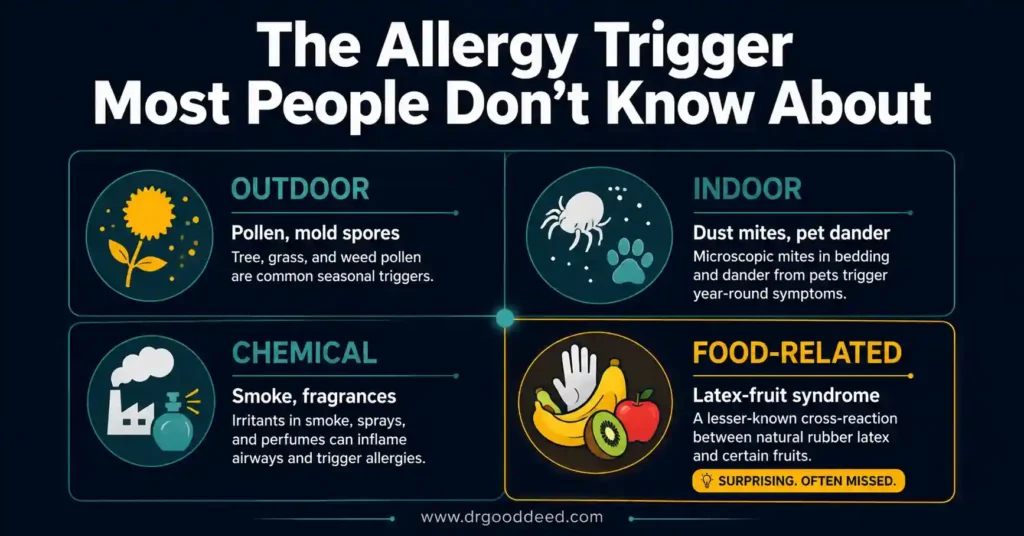
Common Indoor and Outdoor Allergy Triggers
| Trigger Type | Examples |
| Outdoor allergens | Tree pollen, grass pollen, weed pollen, mold spores |
| Indoor allergens | Dust mites, pet dander, cockroach droppings, mold |
| Chemical triggers | Tobacco smoke, perfumes, cleaning sprays |
| Food-related | Latex-fruit syndrome (banana, avocado in latex-sensitive people) |
Histamine Release and Allergy Symptoms
Histamine causes blood vessels to dilate and leak fluid into the surrounding tissue. That leaking causes swelling in nasal passages, redness in eyes, and skin hives. It also stimulates nerve endings directly, which is why itching feels so intense during allergic reactions.
Foods and Drinks That Help Allergies
Certain foods and drinks that help allergies also reduce systemic inflammation, support mucus clearance, and strengthen the mucosal barriers that keep allergens out of the bloodstream.
Vitamin C-Rich Foods and Immune Support
Vitamin C acts as a natural antihistamine. A 1992 study in the Journal of the American College of Nutrition found that 2,000 mg of vitamin C daily reduced histamine levels in the blood by 38%. Oranges, kiwi, bell peppers, and strawberries are the highest natural sources.
Warm Herbal Teas for Throat Irritation
Chamomile tea reduces airway inflammation. Licorice root tea soothes throat irritation. Both are caffeine-free and safe for daily use during allergy season.
Nettle leaf tea is worth noting specifically. Freeze-dried stinging nettle (Urtica dioica) was shown in a 1990 double-blind trial published in Planta Medica to reduce allergy symptoms in 58% of participants. Most health food stores carry it in capsule and tea forms.
Hydration Supporting Mucus Clearance
Mucus traps airborne allergens. When mucus is thin and flows freely, it carries those allergens away from sensitive tissues. Dehydration makes mucus sticky and less effective.
Anti-Inflammatory Foods and Allergy Symptoms
Omega-3 fatty acids found in salmon, walnuts, and flaxseed reduce inflammatory prostaglandins. Quercetin, found in apples, onions, and capers, stabilizes mast cells and reduces histamine release. These are not instant fixes, but consistent intake over weeks reduces allergy severity measurably.
Dust Allergy Triggers at Home
Dust allergy triggers at home are responsible for year-round allergy symptoms in millions of Americans. Unlike seasonal pollen, indoor allergens never go away on their own.
Dust Mites and Indoor Allergens
Dust mites are microscopic insects that live in bedding, carpet, and upholstered furniture. They feed on dead skin cells. Their feces and body fragments are the actual allergens, not the mites themselves. According to the American Lung Association, roughly 20 million Americans are allergic to dust mites.
Bedding, Carpets, and Upholstery Triggers
- Wash bedsheets weekly in water above 130°F (54°C) to kill dust mites
- Use allergen-proof mattress and pillow encasements
- Replace wall-to-wall carpet with hard flooring where possible
- Vacuum carpets twice weekly with a HEPA-filter vacuum
Air Circulation and Ventilation
Poor ventilation allows allergen particles to accumulate indoors. Run an air purifier with a true HEPA filter in bedrooms. HEPA filters capture 99.97% of particles 0.3 microns or larger, which includes dust mite fragments and mold spores.
Pet Dander and Allergy Flare-Ups
Pet dander is a protein found in an animal’s skin cells, saliva, and urine. It sticks to clothing and floats in air for hours. Keeping pets out of bedrooms reduces nighttime dander exposure significantly. Bathing dogs weekly reduces dander levels, but cats produce the Fel d 1 protein that bathing barely affects.
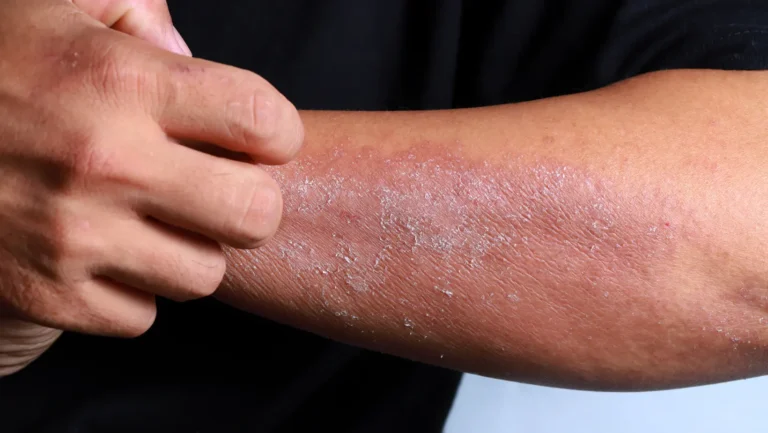
Skin Allergy Itching Home Remedies
Skin allergy itching home remedies target inflammation and moisture loss in the skin barrier. Scratching makes both worse by breaking the skin and triggering more histamine release.
Cool Compresses and Itching Relief
A cold, damp cloth applied for 10 minutes constricts blood vessels and numbs nerve endings. This stops the itch-scratch cycle without medication. Use it as a first response during hives or contact dermatitis flares.
Oatmeal Baths and Skin Soothing
Colloidal oatmeal is FDA-approved as a skin protectant. It binds to skin, forms a barrier, and reduces water loss. The National Eczema Association recommends 15 to 20-minute colloidal oatmeal baths for eczema and allergic skin reactions. Use lukewarm water, not hot. Hot water strips skin oils and worsens itching.
Moisturizers Supporting Skin Barrier Health
Apply a fragrance-free, ceramide-based moisturizer within 3 minutes of bathing. Ceramides are lipids that naturally exist in the skin barrier. Atopic dermatitis patients have a ceramide deficiency, which is why moisture escapes and allergens penetrate more easily.
Avoiding Harsh Soaps and Fragrances
Fragranced soaps, laundry detergents, and fabric softeners are among the top contact allergens in the US. Switch to fragrance-free, dye-free detergents. CeraVe, Vanicream, and Free & Clear are dermatologist-recommended fragrance-free options.
Lifestyle Habits That Reduce Allergy Symptoms
Keeping Indoor Air Clean
Run a HEPA air purifier in the room where you sleep. Change HVAC filters every 60 days during allergy season. Keep windows closed during high-pollen hours, typically 5 AM to 10 AM.
Washing Bedding Regularly
Weekly hot-water washing eliminates dust mite colonies before they rebuild. Use a dryer on high heat for at least 15 minutes. Air-drying outdoors redeposits pollen onto the fabric.
Showering After Outdoor Exposure
Pollen sticks to hair, skin, and clothing. A shower before bed stops pollen from transferring to your pillow. This single habit significantly reduces nighttime nasal symptoms.
Reducing Smoke and Pollution Exposure
Tobacco smoke contains over 7,000 chemicals. Many of them irritate the same nasal and bronchial tissues that allergens target. Even secondhand smoke worsens allergy-related airway inflammation.
Natural Remedies That Soothe Seasonal Allergies
Honey and Throat Comfort
Local raw honey contains trace amounts of local pollen. Some allergy practitioners suggest daily consumption might gradually desensitize the immune system to local pollen types. This is not equivalent to clinical immunotherapy, but a tablespoon of raw honey in warm tea does soothe throat irritation reliably.
Ginger and Inflammation Support
Gingerols and shogaols in ginger inhibit prostaglandin synthesis. That is the same mechanism used by some anti-inflammatory medications. Fresh ginger tea is more potent than powdered ginger supplements.
Peppermint and Sinus Relief
Menthol in peppermint creates a cooling sensation in nasal passages. It does not physically open airways, but it stimulates cold receptors that make breathing feel easier. Peppermint tea or a few drops of peppermint oil in steam inhalation both deliver this effect.
Rest and Immune Recovery Support
Sleep deprivation increases cortisol. High cortisol suppresses immune regulation and makes allergic reactions more severe. Eight hours of sleep consistently reduces the intensity of allergic responses over time.
Common Mistakes People Make With Allergy Relief
Most people manage allergy symptoms incorrectly by treating the reaction after it peaks instead of reducing allergen exposure beforehand. The result is that remedies feel ineffective even when the underlying strategy is sound.
- Starting remedies too late: Saline rinses and antihistamines work best before symptoms peak, not after
- Using tap water in neti pots: Tap water in nasal passages carries Naegleria fowleri risk. Always use distilled or sterile water
- Running humidifiers above 50% humidity: This promotes dust mite and mold growth, two of the top indoor allergens
- Assuming all natural remedies are safe: Chamomile can trigger reactions in people allergic to ragweed (they share similar proteins)
- Ignoring contact allergens in skincare: Fragranced lotions applied to allergic skin worsen rather than soothe symptoms
- Washing bedding in cold water: Cold water does not kill dust mites. Water must reach 130°F (54°C)
When Allergy Symptoms Need Medical Attention
Home remedies for allergies manage mild to moderate symptoms well. Certain signs indicate that the immune response has escalated beyond what home care can handle safely.
Seek medical attention if you notice:
- Wheezing or shortness of breath that does not resolve within minutes
- Throat tightness or difficulty swallowing after exposure to a known allergen
- Hives spreading rapidly across large areas of the body
- Swelling of the lips, tongue, or face (angioedema)
- Dizziness, fainting, or sudden drop in blood pressure after allergen contact
- Symptoms that last more than two weeks despite home management
- Recurring sinus infections triggered by uncontrolled nasal allergies
The last three symptoms on that list suggest either undiagnosed allergic asthma or anaphylaxis risk. Both require clinical evaluation and possibly prescription treatment or an epinephrine auto-injector (EpiPen).
FAQs
What are the best natural home remedies for allergies?
Home remedies for allergies with the strongest evidence are saline nasal rinses, colloidal oatmeal baths for skin reactions, quercetin-rich foods, and HEPA air purifiers indoors. Saline rinses show measurable allergen reduction after a single use. The others work over weeks of consistent use.
How do saline rinses help nasal allergy symptoms?
A saline rinse for nasal allergies physically removes pollen and dust from nasal passages before the immune system reacts. A 2012 Cochrane review confirmed that daily nasal irrigation reduces symptom severity and medication use in adults with allergic rhinitis.
Which foods and drinks help support allergy relief?
Foods and drinks that help allergies include quercetin-rich apples and onions (mast cell stabilizers), nettle leaf tea (proven in a Planta Medica 1990 trial), and vitamin C sources like kiwi. Results appear after 2 to 4 weeks of daily intake.
How can dust allergies be reduced inside the home?
Controlling dust allergy triggers at home starts with washing bedding weekly at 130°F, encasing mattresses in allergen-proof covers, and running a HEPA air purifier in the bedroom. These three steps together cut dust mite exposure by over 80%, per the American Lung Association.
What home remedies soothe itchy skin allergies?
Skin allergy itching home remedies that work fastest are cool compresses (10 minutes, immediate relief) and colloidal oatmeal baths (FDA-approved skin protectant). Apply ceramide-based moisturizer within 3 minutes of bathing to lock in moisture and rebuild the skin barrier.
Can steam inhalation help sinus congestion from allergies?
Yes. Steam inhalation warms and moisturizes swollen nasal membranes. Adding eucalyptus oil (which contains 1,8-cineole) increases the effect. Use for 5 to 10 minutes twice daily during allergy flares. It relieves pressure but does not remove allergens from the nasal lining.
How do antihistamines differ from natural allergy remedies?
Antihistamines block histamine receptors directly and work within 30 to 60 minutes. Natural remedies for allergy relief like quercetin and nettle work upstream by reducing histamine release. Natural options are slower but do not cause drowsiness or dry mouth like first-generation antihistamines.
What lifestyle habits reduce seasonal allergy symptoms?
Showering before bed, keeping windows closed between 5 AM and 10 AM (peak pollen hours), changing HVAC filters every 60 days, and washing bedding weekly. These habits cut allergen exposure before symptoms start. Prevention reduces symptom severity more than any remedy applied after symptoms peak.
How can allergy symptoms be distinguished from infections?
Allergy symptoms produce clear, watery nasal discharge, itchy eyes, and sneezing without fever. Infections produce thick yellow or green discharge, body aches, sore throat, and often fever above 100.4°F. If symptoms include fever, it is not a typical allergic reaction.
When should allergy symptoms become a medical emergency?
Call 911 immediately if throat tightness, tongue swelling, or difficulty breathing appears within minutes of allergen exposure. These are signs of anaphylaxis. Home remedies for allergies cannot reverse anaphylaxis. Only epinephrine injection stops this reaction.
This article is for informational purposes only and does not substitute professional medical advice, diagnosis, or treatment. Always consult a licensed healthcare provider about your symptoms.