
Headache and fatigue appearing together is one of the most common symptom combinations seen in primary care. They share overlapping causes, and treating one without addressing the other rarely works. Most people reach for painkillers and caffeine, which masks the problem temporarily. Identifying the root cause is what actually breaks the cycle.
16 Causes of Headaches and Fatigue
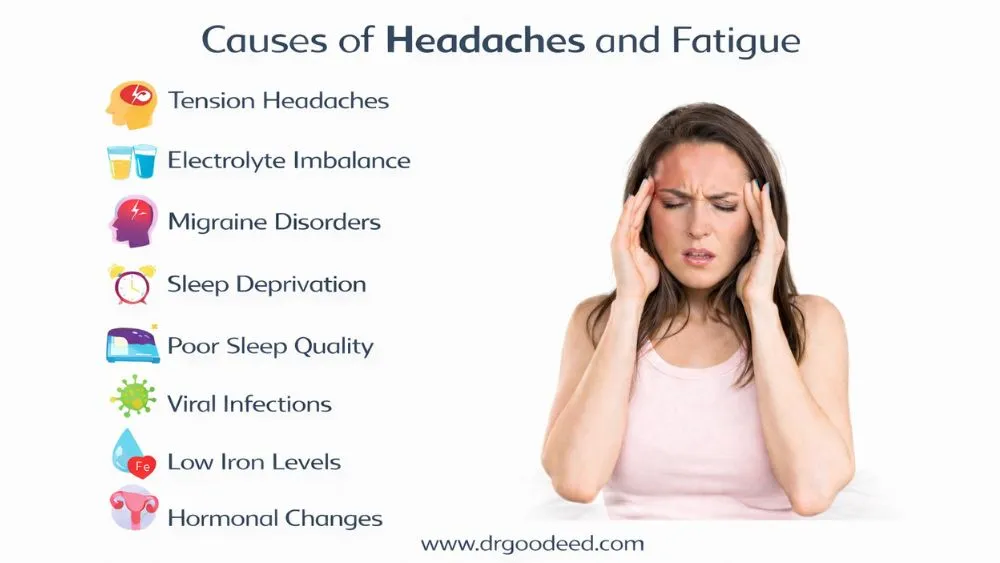
The 16 causes of headaches and fatigue listed here cover the full spectrum, from everyday lifestyle factors to conditions that need medical attention. Most cases fall into the first few categories. But knowing all of them helps you spot when something more serious is happening.
Dehydration and Electrolyte Imbalance
Even mild dehydration, at just 1 to 2% fluid loss, reduces brain volume temporarily, which pulls on the meninges (the lining around the brain) and triggers pain. Fatigue follows because every cellular process slows without adequate fluid.
Tension Headaches and Stress
Stress raises cortisol. Elevated cortisol tightens the muscles in the scalp, neck, and shoulders. That muscle tension causes a dull, pressing headache while simultaneously driving the mental exhaustion that makes fatigue worse.
Migraine Disorders
Migraines are neurological, not just severe headaches. The postdrome phase, which is the period after the main migraine attack, causes profound fatigue lasting 24 to 48 hours. Many people describe it as feeling hungover without drinking.
Sleep Deprivation and Poor Sleep Quality
One night of less than 6 hours of sleep raises pain sensitivity the next day. The adenosine buildup (a brain chemical that promotes sleep) that occurs during sleep deprivation directly lowers the pain threshold and causes both headache and fatigue.
Viral Infections (Cold, Flu, COVID)
The immune system releases cytokines to fight infections. Cytokines cause inflammation throughout the body, including in the brain’s lining, producing headache. The same immune response redirects energy away from normal body functions, creating heavy fatigue.
Anemia and Low Iron Levels
Low red blood cell count reduces oxygen delivery to the brain. The brain responds with vasodilation (blood vessels widening) to compensate, which creates a throbbing headache. Chronic fatigue is a direct result of reduced oxygen to muscles and organs.
Hormonal Changes (Menstruation, Pregnancy)
Estrogen drops sharply before menstruation, which lowers serotonin levels and activates pain pathways. Pregnancy increases blood volume by 50%, placing extra demand on iron stores. Both situations produce headache and fatigue through different but equally direct mechanisms.
Chronic Fatigue Syndrome
Chronic fatigue syndrome (also called ME/CFS) causes debilitating fatigue lasting more than 6 months alongside frequent headaches. Post-exertional malaise, where symptoms worsen after minimal physical or mental effort, is the defining feature.
Depression and Mental Health Conditions
Depression reduces serotonin and dopamine. Low serotonin activates the trigeminal pain pathway, causing headaches. The cognitive and physical exhaustion of depression creates fatigue that doesn’t improve with sleep.
Medication Side Effects
Beta-blockers, antihistamines, opioids, and statins commonly cause both headache and fatigue as side effects. Medication overuse headaches occur when pain relievers are used more than 10 to 15 days per month.
Excess Caffeine or Withdrawal
Caffeine narrows blood vessels. When caffeine wears off or is skipped, vessels dilate rapidly, causing a rebound headache within 12 to 24 hours of the last dose. Fatigue accompanies this because caffeine blocks adenosine receptors, and when caffeine clears, adenosine floods back.
Eye Strain and Screen Overuse
Focusing on screens for extended periods forces the eye muscles to work continuously without rest. This causes referred pain to the forehead and temples. The sustained visual effort also drains cognitive energy, producing fatigue.
Fibromyalgia
Fibromyalgia amplifies pain signals throughout the nervous system. About 50% of fibromyalgia patients report chronic headaches. The condition also causes non-restorative sleep, meaning people wake feeling as tired as when they went to bed.
Concussion or Head Injury
Post-concussion syndrome causes persistent headache and fatigue for weeks to months after even a mild head injury. These symptoms result from disrupted neurotransmitter function and impaired brain blood flow regulation.
Autoimmune Conditions
Lupus, multiple sclerosis, and rheumatoid arthritis cause systemic inflammation that crosses into the central nervous system. Headaches and fatigue are two of the earliest and most persistent symptoms in these conditions.
Poor Nutrition and Low Blood Sugar
Blood sugar drops below 70 mg/dL trigger the brain’s alarm response. The brain releases stress hormones to compensate, causing headache. Cells without glucose have no fuel source, producing immediate fatigue.
Dehydration Causing Headache and Fatigue
Dehydration causing headache and fatigue is the most correctable cause on this list, and also the most underestimated. Most adults are mildly dehydrated by mid-morning without realizing it.
How Fluid Imbalance Affects Brain Function
The brain is 73% water. At 2% dehydration, reaction time slows, concentration drops, and pain sensitivity increases. At 4% dehydration, cognitive performance drops by up to 25%.
Early Warning Signs of Dehydration
Dark yellow urine, dry mouth, and a mild dull headache appearing between 10 AM and 2 PM are the clearest early signs. Fatigue at this stage is often misread as a need for caffeine, which worsens dehydration.
Why Dehydration Worsens Headaches
The brain shrinks slightly with fluid loss. As it pulls away from the skull, the pain-sensitive meninges stretch. This creates the characteristic dehydration headache: dull, diffuse, and present on both sides of the head.
Quick Hydration Strategies
Drink 500 ml of water immediately at headache onset. Add a sodium source, like a pinch of salt or an electrolyte tablet, if the headache follows exercise or heavy sweating. Re-assess in 30 minutes. Most dehydration headaches resolve within 30 to 60 minutes of adequate rehydration.
Fatigue With Tension Headache Symptoms
Fatigue with tension headache symptoms is the combination most people experience during high-stress periods at work or school. The two amplify each other: pain increases fatigue, and fatigue lowers the pain threshold.
Tight Band-Like Pressure Around the Head
Tension headache pain wraps around both sides of the head, like a band squeezing the skull. It does not throb. It stays constant. Pressure typically sits at the forehead, temples, and back of the head simultaneously.
Neck and Shoulder Muscle Tension
The trapezius and suboccipital muscles at the base of the skull are the primary sources of cbd for tension headaches. Sitting at a desk for 6 to 8 hours without breaks locks these muscles into a sustained contraction that refers pain upward into the head.
Mental Exhaustion and Low Focus
Sustained mental effort depletes glucose in the prefrontal cortex faster than other brain regions. This creates cognitive fatigue that feels like brain fog, difficulty concentrating, and mental slowness, even when physical energy seems intact.
Stress-Related Triggers
Cortisol spikes during stress narrow blood vessels. When stress drops suddenly, such as at the end of a workweek, vessels dilate rapidly. This is the mechanism behind the well-documented “weekend headache” pattern.
Headache With Body Aches and Tiredness
Headache with body aches and tiredness appearing together almost always signals an active immune response. The body is fighting something.
Viral Infections and Immune Response
Interleukin-1 and interleukin-6, which are cytokines released during infection, cause both pain and fatigue directly. They also raise body temperature, which increases brain metabolic demand and intensifies headache.
Inflammatory Conditions
Conditions like lupus and polymyalgia rheumatica cause systemic inflammation that produces widespread muscle aches, persistent fatigue, and headaches that don’t respond to standard painkillers.
When It Could Indicate Flu or COVID
Flu causes sudden-onset headache and fatigue alongside fever above 100.4°F (38°C), muscle aches, and chills. COVID adds loss of smell and taste, shortness of breath, and sometimes chest tightness. Both conditions produce post-viral fatigue lasting weeks in some people.
Red Flags for Serious Illness
Headache with body aches, high fever, and a stiff neck is a medical emergency. This combination suggests bacterial meningitis, which requires same-day hospitalization and intravenous antibiotics.
How to Relieve Headache and Fatigue
Knowing how to relieve headache and fatigue depends on identifying which category of cause applies. Generic advice about rest and water helps some cases, but not all.
Hydration and Electrolyte Correction
Drink water with electrolytes, not plain water alone, if the headache and fatigue followed exercise, heat exposure, or alcohol. Plain water dilutes electrolytes further in those situations.
Rest and Sleep Recovery
Sleep in a dark, cool room (below 68°F or 20°C) for recovery. Avoid catching up with more than 90 extra minutes of sleep on weekends; larger shifts in sleep timing worsen next-week headaches.
Stress Reduction Techniques
Progressive muscle relaxation, which involves tensing and releasing each muscle group for 10 seconds, reduces tension headache pain within 20 minutes in clinical studies. It also lowers cortisol, which directly reduces fatigue.
Over-the-Counter Medications
Ibuprofen 400 mg works for tension headaches. Naproxen sodium 500 mg lasts longer and works better for migraines. Aspirin combined with caffeine (as in Excedrin) improves absorption and speeds pain relief, but limits use to no more than 10 days per month.
Nutrition and Energy Support
Eat every 3 to 4 hours to stabilize blood sugar. Magnesium glycinate at 400 mg daily reduces both headache frequency and fatigue in people with documented magnesium deficiency. Iron supplementation improves fatigue and headaches in women with ferritin below 30 ng/mL.
When to See a Doctor
Most cases of headache and fatigue resolve within 24 to 48 hours with rest, hydration, and basic pain relief. Some don’t, and those need evaluation.
See a doctor if:
- Headache and fatigue persist beyond 5 days without improvement
- The headache is the worst of your life or came on suddenly
- Fatigue is severe enough to prevent normal daily activity
- Symptoms follow a head injury
- Headache comes with stiff neck, fever above 103°F (39.4°C), or confusion
- Both symptoms are recurring every week for more than a month
- Fatigue does not improve after 8 hours of sleep, consistently
Prevention Strategies
Preventing headache and fatigue before they start is more effective than treating them after they arrive. The most consistent prevention comes from fixing four controllable factors: hydration, sleep, stress, and nutrition.
Proven prevention steps:
- Drink 2 to 2.5 liters of water daily, more on hot days or during exercise
- Maintain a fixed sleep and wake time, including weekends
- Eat every 3 to 4 hours; skipping meals drops blood sugar and triggers both symptoms
- Limit caffeine to one consistent daily dose; avoid sudden withdrawal
- Take screen breaks every 20 minutes using the 20-20-20 rule (look 20 feet away for 20 seconds)
- Exercise 30 minutes at least 4 times per week; this reduces migraine frequency by up to 40%
- Track menstrual cycle timing if hormonal headaches are a recurring pattern
- Check ferritin and magnesium levels annually if fatigue is chronic
Frequently Asked Questions
Why do I feel tired and have a headache at the same time?
Both symptoms share the same when lying down triggers: low blood sugar, dehydration, poor sleep, and high cortisol. When one trigger is strong enough, it activates both pathways simultaneously. Dehydration is the most common single cause of headache and fatigue appearing together without other symptoms.
Can dehydration cause both headache and fatigue?
Yes. At just 1 to 2% fluid loss, the brain shrinks slightly, pulling on its lining and causing headache. Every cell in the body slows its function without water, producing fatigue. Both symptoms often resolve within 30 to 60 minutes of drinking 500 ml of water with electrolytes.
Is headache with fatigue a sign of serious illness?
Rarely, but sometimes yes. Meningitis, anemia, autoimmune disease, and concussion all cause headache and fatigue together. The red flags are: high fever with stiff neck, symptoms after head injury, or fatigue lasting more than 6 months without relief from sleep.
How long should headache and fatigue last?
Dehydration-related cases resolve in 30 to 60 minutes. Tension headaches last 4 to 8 hours. Viral illness causes symptoms for 5 to 10 days. Post-concussion headache and fatigue last weeks to months. Anything beyond 2 weeks without improvement needs a medical evaluation.
Can stress cause both symptoms together?
Yes. Cortisol from stress tightens scalp and neck muscles, causing headache. The same cortisol disrupts deep sleep stages, which prevents physical recovery and causes next-day fatigue. Chronic stress is one of the top three causes of recurring headache and fatigue in adults under 45.
What deficiency causes headache and fatigue?
Iron deficiency is the most common nutritional cause. Low ferritin below 30 ng/mL reduces oxygen delivery to the brain, causing both symptoms. Magnesium deficiency, found in roughly 45% of Americans according to NHANES data, is the second most common and directly triggers migraines.
Should I rest or stay active when I feel this way?
Rest for the first 24 hours if symptoms are severe or follow illness. After that, light movement, specifically a 20-minute walk, increases blood flow, reduces cortisol, and shortens the headache and fatigue duration compared to complete bed rest. Avoid high-intensity exercise until fully recovered.
Can lack of sleep trigger headaches and fatigue?
Yes. Even one night below 6 hours of sleep raises adenosine levels in the brain, lowers serotonin, and increases pain sensitivity by the next morning. This is why headache and fatigue after poor sleep hit within the first 2 hours of waking, not later in the day.
When should I worry about these symptoms?
Worry when headache is sudden and severe, when fatigue is so bad that getting out of bed is impossible, when both symptoms come with fever and stiff neck, or when symptoms have worsened progressively over 2 or more weeks. These patterns need same-day or emergency evaluation.
What is the fastest way to recover?
Drink 500 ml of water with electrolytes immediately. Take ibuprofen 400 mg if the headache is moderate. Rest in a dark, quiet room for 60 to 90 minutes. Eat a small meal with protein and complex carbohydrates to stabilize blood sugar. Most uncomplicated headache and fatigue cases improve significantly within 2 hours using this sequence.