
Gout is a type of arthritis caused by too much uric acid in the blood. When uric acid builds up, it forms sharp needle-like crystals that settle in joints. The pain hits suddenly, usually at night, and it’s severe enough to wake people from sleep.
It affects over 41 million people worldwide. Men get it more often than women, and the numbers are rising alongside increasing rates of obesity and processed food consumption. Most people get their first attack between ages 30 and 50.
What is the root cause of gout?
The root cause is high uric acid in the blood, a condition called hyperuricemia. Uric acid forms when the body breaks down purines, natural compounds found in certain foods. When the kidneys can’t flush it out fast enough, it crystallizes in joints. Diet alone isn’t always the cause. Genetics plays a major role.
Is gout related to kidney disease?
Yes, directly. The kidneys are responsible for removing uric acid from the blood. When kidney function drops, uric acid builds up faster. People with chronic kidney disease have a significantly higher risk of gout. Long-term gout also damages the kidneys by depositing uric acid crystals in kidney tissue, creating a two-way problem.
What are the first signs of gout?
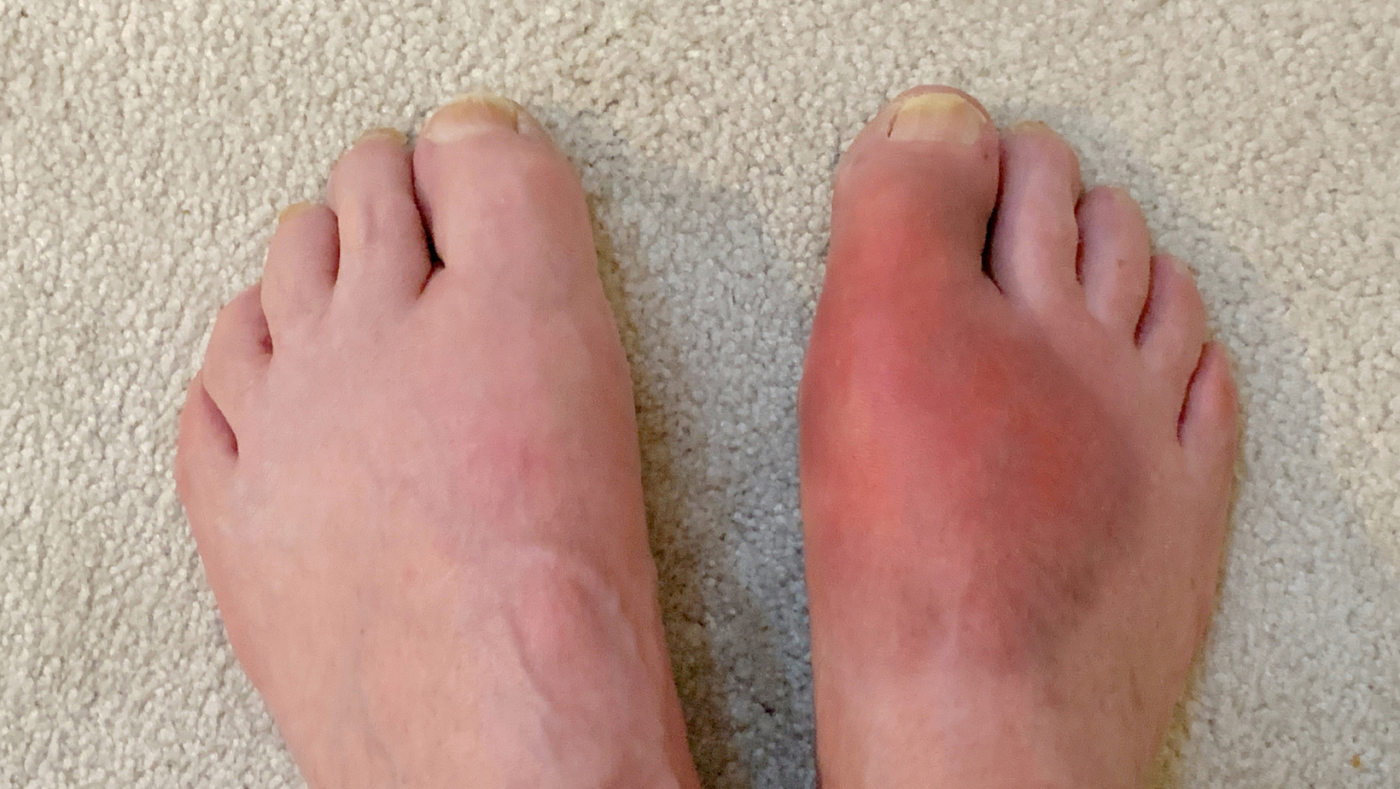
The first sign is sudden, intense joint pain, most often in the big toe. The joint turns red, swollen, and warm to the touch. Even the weight of a bedsheet on the toe feels unbearable. Some people notice mild joint discomfort or tingling hours before the full attack begins.
Is gout very serious?
Yes, if ignored. A single gout attack is painful but resolves within 7 to 10 days. Repeated attacks cause permanent joint damage. Uric acid crystals accumulate into lumps called tophi under the skin, deforming fingers and toes. Chronic gout also raises the risk of kidney stones and cardiovascular disease significantly.
Will gout go away?
A gout flare resolves on its own within 1 to 2 weeks without treatment. The pain disappears, but uric acid crystals remain in the joint. Another attack is almost certain without treatment. Gout doesn’t go away permanently unless uric acid levels drop and stay below 6 mg/dL consistently over time.
How to reverse gout?
Gout reverses when uric acid levels stay below 6 mg/dL long enough for crystals to dissolve. This takes 6 to 24 months of consistent treatment. Allopurinol is the most commonly used drug to lower uric acid. Combined with dietary changes and adequate hydration, most patients reach a point where attacks stop entirely.
How to remove gout crystals from joints?
Crystals dissolve slowly when uric acid levels drop below 6 mg/dL. Medication like allopurinol or febuxostat maintains those low levels. There’s no procedure to physically remove crystals from joints outside of surgery for large tophi. Staying on urate-lowering therapy consistently for 1 to 2 years is what dissolves them.
Does walking help gout?
Walking during an acute gout attack worsens pain and increases joint inflammation. Rest the affected joint during a flare. Between attacks, walking and low-impact exercise actually help by improving circulation, supporting kidney function, and aiding weight loss, all of which reduce uric acid levels over time. Timing matters here.
What foods destroy uric acid?
Cherries reduce uric acid levels and lower gout attack frequency. A 2012 study found cherry consumption cut gout attack risk by 35%. Low-fat dairy products actively help the kidneys excrete uric acid. Vitamin C from citrus fruits lowers uric acid. Coffee, even decaf, reduces gout risk in regular drinkers.
What are the 5 worst foods for gout?
- Organ meats like liver and kidney (extremely high in purines)
- Shellfish, especially shrimp, mussels, and scallops
- Red meat in large portions
- Alcohol, beer in particular (raises uric acid and blocks its excretion)
- Sugary drinks with high-fructose corn syrup, which raises uric acid faster than most foods
What drink flushes out gout?
Water is the most effective. Drinking 2 to 3 liters daily helps the kidneys flush uric acid through urine. Tart cherry juice reduces both uric acid levels and inflammation in multiple clinical studies. Avoid alcohol and sugary drinks completely during a flare. Coffee helps between attacks but doesn’t replace water intake.
What is the best medicine for gout?
For acute attacks, colchicine taken within the first 12 hours of a flare gives the fastest and most targeted relief. NSAIDs like indomethacin or naproxen also work well. For long-term management and prevention, allopurinol is the first-line medication. It lowers uric acid production and stops crystals from forming.
What is the best medication for gout?
Allopurinol is the best long-term medication for gout. It lowers uric acid production in the body and prevents future attacks when taken consistently. For patients who can’t tolerate allopurinol, febuxostat is the alternative. Both require regular blood tests to monitor uric acid levels and kidney function during treatment.
What is the first drug of choice for gout?
Colchicine is the first drug of choice for treating an acute gout attack, especially when taken within the first 12 hours of pain starting. Low-dose colchicine (1.2mg followed by 0.6mg one hour later) is as effective as high doses with far fewer side effects, according to the AGREE trial.
What stops gout pain immediately?
Ice packs applied to the joint for 20 minutes reduce swelling and numb pain quickly. Colchicine taken at the first sign of an attack cuts pain significantly within 12 to 24 hours. Indomethacin, a prescription NSAID, works faster than standard ibuprofen for gout pain. Elevating the joint above heart level also reduces swelling fast.
What is the quickest cure for gout?
No single cure works instantly. The fastest combination is: ice the joint immediately, take colchicine or a prescription NSAID within the first 12 hours, rest and elevate the joint, and drink 3 liters of water that day. Most patients see significant pain reduction within 24 hours using this approach consistently.
Can gout affect joints other than the big toe?
Yes. The big toe is the most common site, involved in about 50% of first attacks. Gout also affects the ankles, knees, wrists, and fingers. As the condition progresses without treatment, it spreads to more joints simultaneously. Multiple joint involvement usually signals years of untreated high uric acid.
Does stress trigger gout attacks?
Stress raises cortisol, which increases uric acid production and reduces kidney excretion of it. Surgery, illness, or major physical stress often triggers gout flares in people with existing high uric acid. Patients frequently report their first gout attack following a hospital stay, a long flight, or a period of illness.