
Ayurvedic treatment for migraine addresses the root cause, not just the pain, making it one of the oldest documented approaches to recurring headache management. Migraines affect roughly 39 million Americans, and many turn to Ayurveda when conventional medication stops being enough.
This guide covers Ayurvedic philosophy on migraines, herbal remedies, Shirodhara therapy, yoga and pranayama, diet, lifestyle adjustments, and when to seek conventional medical care.
How Ayurveda Views Migraines
Ayurveda identifies migraines primarily as a Pitta and Vata imbalance. Pitta governs heat and inflammation; Vata controls nerve activity and movement. When both are aggravated together, blood vessels in the head dilate, sensory sensitivity spikes, and pain becomes intense and throbbing.
This framework offers a different lens than neurology, one that considers digestion, sleep, emotional stress, and sensory overload as equal contributors.
- Pitta imbalance: produces burning, throbbing head pain, light sensitivity, nausea
- Vata imbalance: causes pulsating pain, dizziness, anxiety before or during attacks
- Kapha-type migraines: less common, present with dull heaviness, nasal congestion, fatigue
- Ama (toxic buildup from poor digestion) is considered a root trigger in Ayurvedic diagnosis
- Ayurvedic practitioners use pulse diagnosis (Nadi Pariksha) to identify which dosha dominates
Ayurveda views the liver as a secondary organ in migraine pathology. Excess Pitta accumulating in the liver creates systemic heat, which rises to the head and triggers attacks. That is why dietary liver support is a core part of ayurvedic treatment for migraine in classical texts like Charaka Samhita.
Common Migraine Symptoms Addressed in Ayurveda
Ayurveda recognizes the same symptom clusters that neurology does, but categorizes them under dosha-specific presentations, allowing for more individualized treatment decisions.
- Throbbing or pulsating pain on one side of the head
- Visual disturbances or aura before the headache starts
- Nausea, vomiting, or loss of appetite
- Extreme sensitivity to light (photophobia) and sound (phonophobia)
- Neck stiffness or shoulder tension before an attack
- Fatigue and mood changes 24-48 hours before the migraine (prodrome phase)
- Postdrome fatigue and brain fog after the headache fades
Ayurvedic practitioners treat the prodrome and postdrome phases, not just the headache itself.
Ayurveda Remedies for Migraine Relief
Ayurveda remedies for migraine relief target three core areas: lifestyle rhythm, stress response, and dietary triggers. They are corrective interventions designed to reduce dosha aggravation at its source.
Lifestyle Balance and Sleep Regulation
Inconsistent sleep is one of the strongest migraine triggers, and Ayurveda has documented this for centuries. The concept of Dinacharya (daily routine) directly addresses this.
- Sleep by 10 PM and wake before 6 AM. Staying up past 10 PM aggravates Pitta.
- Avoid sleeping during the day, which increases Kapha and sluggishness linked to dull migraines
- Use sesame oil self-massage (Abhyanga) before bathing to calm the nervous system
- Screen exposure after 8 PM raises Pitta and disrupts natural melatonin rhythms
Relaxation and Stress Reduction Practices
Stress is not just a psychological factor. In Ayurvedic physiology, emotional tension directly aggravates Vata, narrowing the Pranavaha Srotas (channels carrying prana or life energy) to the brain.
- Daily Shavasana (10-15 minutes) lowers cortisol without medication
- Trataka (candle gazing) is used in Ayurvedic clinics specifically for headache and eye strain
- Oil pulling with sesame oil is used to reduce oral-neural inflammatory load
Dietary Modifications to Reduce Triggers
- Avoid fermented foods, vinegar, aged cheese, and alcohol, all of which are high-Pitta aggravators
- Eat warm, freshly cooked food. Cold, raw food weakens Agni (digestive fire) and produces Ama
- Avoid skipping meals. Low blood sugar spikes Vata and is a well-documented migraine trigger
- Coriander, fennel, and coconut are Pitta-pacifying foods used in Ayurvedic migraine diets
Herbal Ayurvedic Remedies for Migraine
Herbal ayurvedic remedies for migraine have been used in India for over 3,000 years. Several of these herbs now have peer-reviewed research supporting their pharmacological activity.
Traditional Herbs Used in Ayurveda
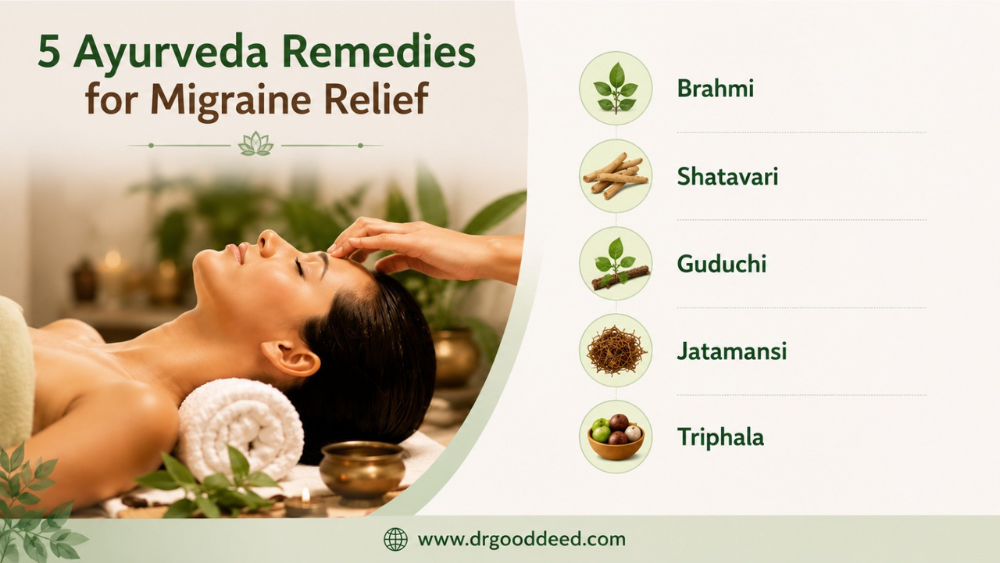
- Brahmi (Bacopa monnieri): Reduces neuroinflammation. A 2016 study in the Journal of Ethnopharmacology found Bacopa extracts modulate serotonin receptors involved in migraine
- Shatavari (Asparagus racemosus): Used for hormonal migraine in women. Balances estrogen fluctuation linked to menstrual migraines
- Guduchi (Tinospora cordifolia): Anti-inflammatory, supports liver detoxification, used to reduce Ama buildup
- Jatamansi (Nardostachys jatamansi): A central nervous system sedative in Ayurveda. Used for migraine with severe anxiety and insomnia
- Triphala: A three-herb blend for gut health, targeting the gut-brain axis in migraine management
Herbal Support for Relaxation and Digestion
Poor digestion and gut dysbiosis are now confirmed migraine aggravators in published neurological research. Ayurveda addressed this link millennia before modern gut-brain research did.
- Trikatu (ginger, black pepper, long pepper) improves digestion and reduces Ama
- Hingvastak churna is used for bloating and gas that precede migraine attacks in some patients
- Ashwagandha supports adrenal recovery in stress-induced migraines
Importance of Professional Guidance Before Herbal Use
Ayurvedic herbs interact with medications. Brahmi can enhance sedatives. Ashwagandha affects thyroid hormone levels. Anyone on antidepressants, anticoagulants, or blood pressure medication should consult a licensed Ayurvedic practitioner and their primary care physician before starting herbal protocols.
Best Ayurvedic Medicine for Migraine
The best ayurvedic medicine for migraine is a formulation chosen based on your dosha profile, migraine pattern, and comorbidities.
Individualized Treatment Approaches
- Shirashooladi Vajra Rasa: a classical Ayurvedic compound used for severe, chronic head pain
- Pathyadi Kwath: a decoction commonly prescribed for recurring migraines, particularly with nasal involvement
- Godanti Bhasma: a calcined gypsum preparation used to reduce heat-based head pain
Why Remedies Differ Between People
A person with Pitta-dominant migraines gets cooling herbs like Brahmi and Shatavari. A Vata-dominant migraine gets warming, grounding herbs like Ashwagandha and Bala. Giving the wrong type worsens the condition. This is why online “Ayurvedic migraine kits” sold without consultation carry real risk.
Safety Considerations and Interactions
- Heavy metal-containing Ayurvedic preparations (some Bhasmas) require professional supervision
- Herbal products sold in the US as supplements are not FDA-regulated for efficacy
- Always choose products with third-party testing certificates (USP or NSF certified)
Shirodhara Therapy for Migraine Relief
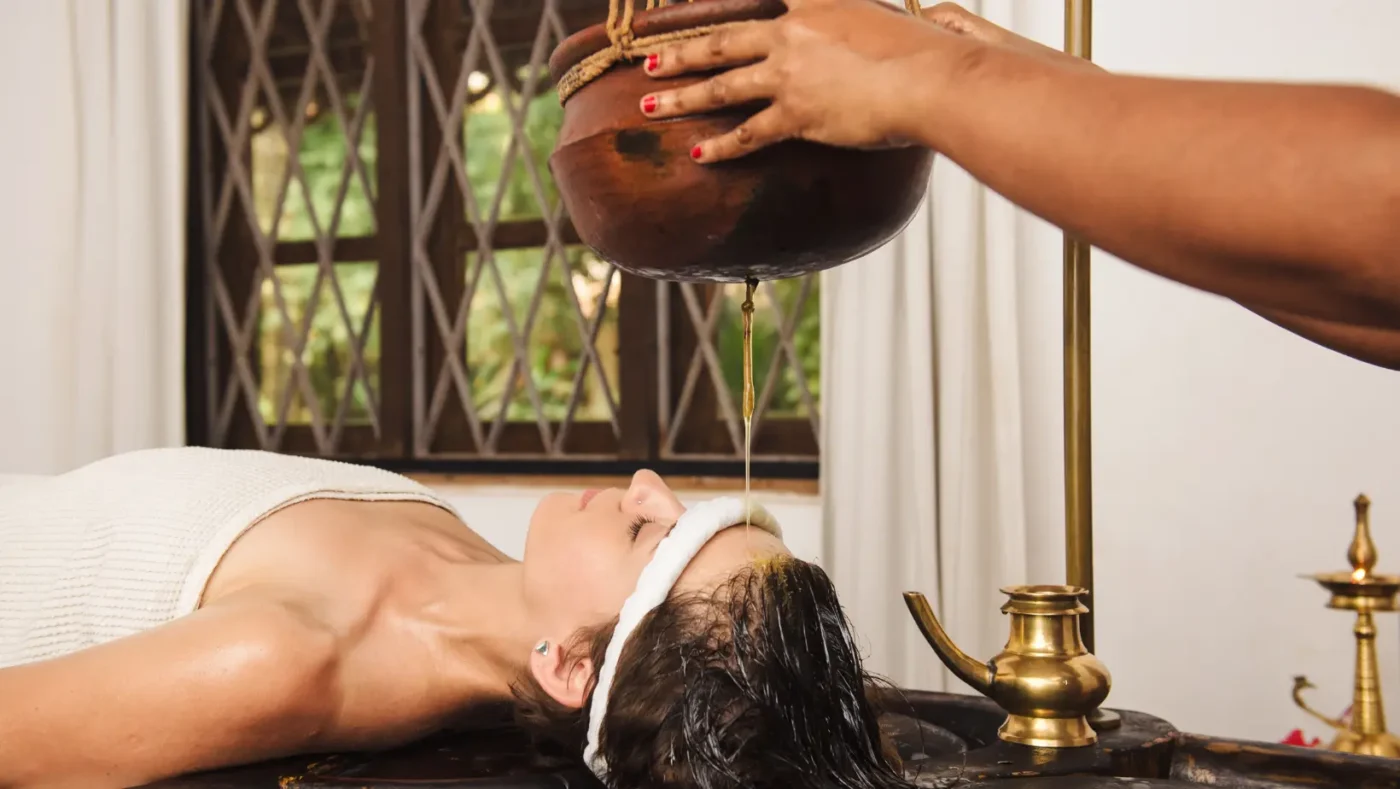
Shirodhara therapy for migraine relief involves a continuous, warm stream of medicated oil poured onto the forehead, specifically over the Ajna Marma (a vital pressure point between the eyebrows) for 30-60 minutes.
What Shirodhara Therapy Involves
- Warm sesame oil, Brahmi oil, or medicated buttermilk is used depending on dosha
- Sessions typically run 45-60 minutes, done in a series of 7 or 14 days
- The oil stream targets the hypothalamus-pituitary axis via sensory pathways in the forehead
Relaxation and Stress-Management Benefits
A 2013 study published in the Asian Pacific Journal of Tropical Biomedicine found Shirodhara significantly reduced anxiety and improved sleep quality, two direct migraine triggers. The therapy reduces serum cortisol levels measurably within a single session.
Evidence Limitations and Realistic Expectations
Shirodhara has strong anecdotal and moderate clinical evidence for stress reduction and sleep improvement. Direct evidence for migraine frequency reduction is limited to small-sample studies. It works best as a complementary therapy alongside dietary and herbal treatment, not as a standalone cure.
Yoga and Pranayama for Migraine Control
Yoga and pranayama for migraine control work through the autonomic nervous system. Specific postures and breathing techniques shift the body from sympathetic dominance (fight-or-flight) into parasympathetic activity, which directly reduces migraine frequency in clinical studies.
- Anulom Vilom (Alternate Nostril Breathing): Balances left and right brain activity. A 2014 RCT in India found 15 minutes daily reduced migraine frequency by 40% over 3 months
- Sheetali Pranayama (Cooling Breath): Reduces Pitta. Specifically used for heat-triggered migraines
- Child’s Pose (Balasana): Decompresses cervical spine and reduces tension headache overlap
- Legs-Up-The-Wall (Viparita Karani): Improves venous return and reduces intracranial pressure sensation
- Avoid inversions during an active migraine attack. Headstands and downward dog increase intracranial pressure and worsen active episodes
Ayurvedic Diet and Lifestyle for Migraine Prevention
Regular Meal Timing and Hydration
Eat at the same time every day. Ayurveda treats irregular meal timing as a Vata aggravator. The brain is glucose-dependent, and blood sugar dips below 70 mg/dL reliably trigger migraine in susceptible individuals. Drink warm water throughout the day. Cold water weakens Agni.
Avoiding Trigger Foods and Overstimulation
Foods high in tyramine, histamine, and artificial additives are migraine triggers confirmed by both neurology and Ayurveda:
- Avoid: red wine, aged cheese, processed meats, MSG, artificial sweeteners
- Avoid: excessive screen time, loud environments, strong perfumes during high-Pitta times (10 AM-2 PM)
Sleep Consistency and Daily Routines
Go to bed and wake up at the same time every day, including weekends. The brain’s circadian clock governs serotonin and melatonin production. Disrupting it by even 90 minutes shifts migraine threshold significantly lower.
Stress and Emotional Health in Migraine Management
Cortisol and Migraine Sensitivity
Cortisol does not directly cause migraines. But elevated cortisol lowers the pain threshold in the trigeminal nerve, which is the primary nerve pathway involved in migraine pain. Stress does not create a migraine from nothing. It lowers the threshold so that other triggers that would normally not matter, suddenly do.
Mental Fatigue and Headache Frequency
Mental overwork, decision fatigue, and emotional suppression all aggravate Vata and Pitta. Ayurvedic practitioners specifically assess work patterns and screen time alongside diet in migraine evaluation.
Relaxation Supporting Long-Term Migraine Control
Consistent meditation for 8 weeks reduces migraine frequency, per a 2020 study in Cephalalgia. The mechanism: meditation increases GABA levels in the brain, which dampens trigeminal nerve sensitization.
Limitations of Ayurvedic Migraine Treatment
Migraines Needing Neurological Evaluation
Migraines with aura carry a 2x higher stroke risk in women who smoke or use hormonal contraceptives. This risk is not managed by Ayurveda alone. Neurological evaluation and MRI imaging are necessary before starting any alternative therapy for frequent or severe migraines.
Severe Symptoms Requiring Urgent Care
Seek emergency care for:
- Sudden, severe headache described as “the worst of your life” (thunderclap headache)
- Migraine with one-sided facial drooping or arm weakness
- New migraine onset after age 50
- Headache following head injury
Importance of Combining Holistic and Medical Care Safely
Ayurvedic treatment works best alongside, not instead of, neurological care for moderate-to-severe migraine. Several Ayurvedic herbs interact with triptans and preventive migraine medications. Always disclose every supplement to your neurologist.
Warning Signs That Should Not Be Ignored
Some head pain symptoms look like migraines but are medical emergencies. Missing these signs by attributing them to migraine is dangerous.
- Thunderclap headache (peaks within 60 seconds) may indicate subarachnoid hemorrhage
- Headache with fever, stiff neck, and light sensitivity may signal bacterial meningitis
- Headache with vision loss in one eye requires immediate ophthalmological and neurological evaluation
- New severe headache in someone over 50 warrants CT scan before any treatment begins
- Headache worsening progressively over days or weeks (not episodic) suggests a structural cause
FAQs
How does Ayurveda explain migraine headaches?
Ayurvedic treatment for migraine attributes attacks to aggravated Pitta and Vata doshas, disrupting blood flow and nerve function in the head. Ama (toxic buildup from impaired digestion) accumulates in channels supplying the brain, triggering inflammation. The liver is considered a secondary site where excess heat builds before rising to the head.
What Ayurvedic therapies are commonly used for migraine relief?
Shirodhara therapy for migraine relief, Nasya (nasal oil instillation), Abhyanga (oil massage), and Virechana (controlled purgation to clear Pitta) are the four most commonly prescribed therapies. Nasya uses Brahmi oil inserted into the nostrils to calm the nervous system directly through the nasal-brain pathway.
Can yoga and pranayama help reduce migraine frequency?
Yes. A 2014 randomized controlled trial found yoga and pranayama for migraine control reduced attack frequency by 40% over 12 weeks. Anulom Vilom specifically balances autonomic nervous system activity. Sheetali pranayama lowers body heat, directly addressing Pitta-dominant migraines.
What is shirodhara therapy and how is it used for migraines?
Shirodhara therapy for migraine relief pours warm medicated oil, typically Brahmi or sesame-based, in a continuous stream over the forehead for 45-60 minutes. It targets the Ajna Marma point, calming the hypothalamic stress response. Studies confirm measurable cortisol reduction within a single session.
Are herbal Ayurvedic remedies safe for everyone with migraines?
No. Herbal ayurvedic remedies for migraine, like Ashwagandha affect thyroid hormones, and Brahmi amplifies sedative medications. People on antidepressants, blood thinners, or thyroid drugs must consult both a licensed Ayurvedic practitioner and their prescribing physician before using any herbal protocol.
How does stress affect migraines according to Ayurveda?
Stress aggravates Vata, which constricts Pranavaha Srotas (energy channels to the brain). This doesn’t independently cause migraines. It lowers the pain threshold enough that secondary triggers like screen light or a skipped meal become sufficient to start an attack.
Which lifestyle habits may help support migraine prevention naturally?
Fixed sleep and meal times are the highest-impact habits. Ayurvedic treatment for migraine consistently prioritizes Dinacharya (daily routine). Eating by 7 PM, sleeping by 10 PM, and eliminating cold raw food after sunset address three of the top five Ayurvedic migraine triggers simultaneously.
Can digestive health influence migraine symptoms?
Yes. Gut microbiome disruption raises histamine levels, a confirmed migraine trigger. Ayurveda remedies for migraine relief include Triphala and Trikatu specifically because they restore gut motility and reduce Ama buildup, targeting the gut-brain axis that modern neurogastroenterology now confirms.
When should migraines be medically evaluated despite using natural therapies?
Get a neurological evaluation if migraines occur more than 4 times per month, last over 72 hours, or include aura with speech difficulty or limb weakness. Ayurvedic treatment for migraine does not replace imaging or neurological assessment in these cases.
What warning signs during migraines require emergency care?
A thunderclap headache peaking within 60 seconds, headache with fever and neck rigidity, vision loss in one eye, or facial drooping alongside head pain all require emergency care. These symptoms are not migraines until a CT scan and neurological evaluation confirm otherwise.