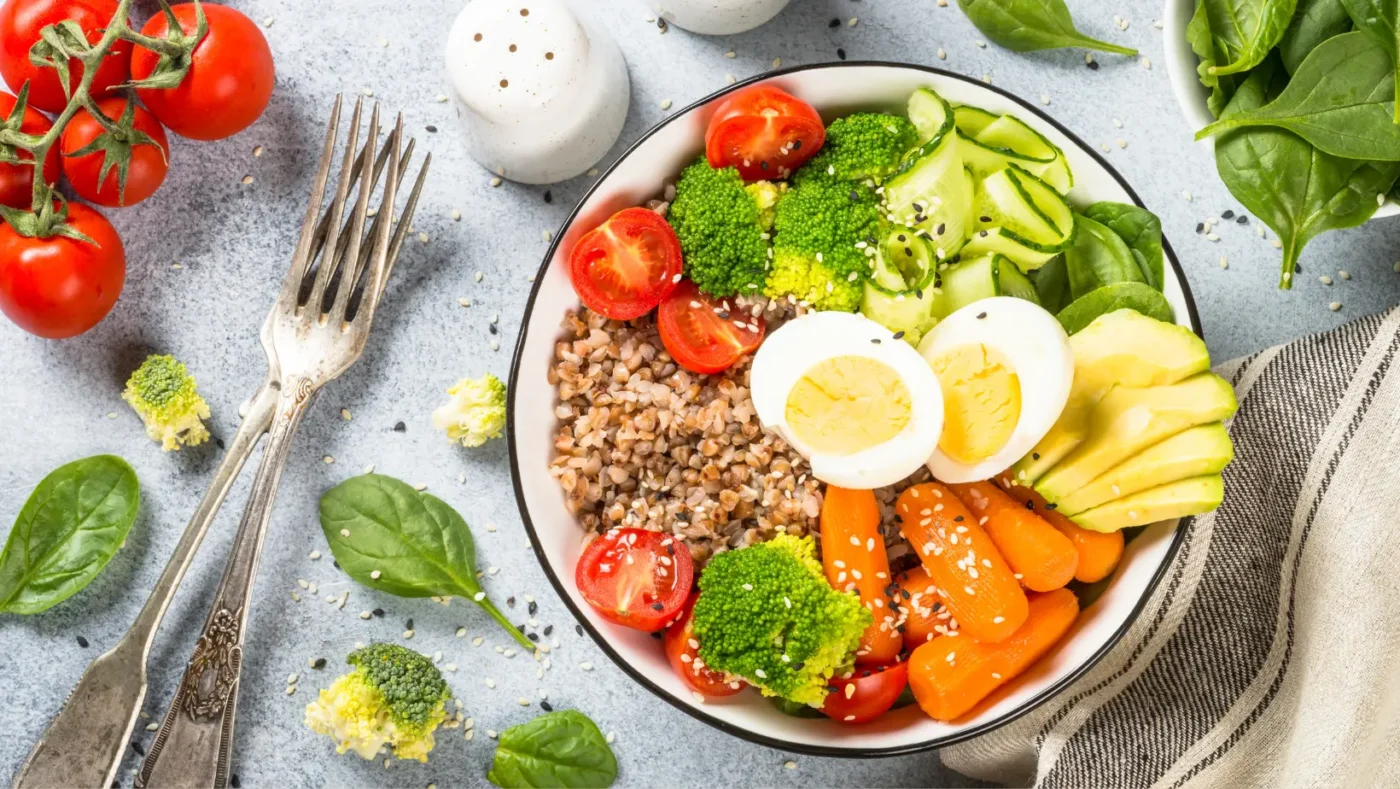

An anti-inflammatory meal plan is a food pattern that centers on whole foods, fiber, healthy fats, and less added sugar. In the United States, this style fits current USDA and American Heart Association advice because it limits refined grains, sodium, and ultra-processed foods.
The benefits of anti-inflammatory eating are practical, not mystical. People use this pattern to support better digestion, steadier energy, and healthier heart risk markers. It also fits a Mediterranean-style eating pattern, which Harvard and the AHA both link with better overall diet quality.
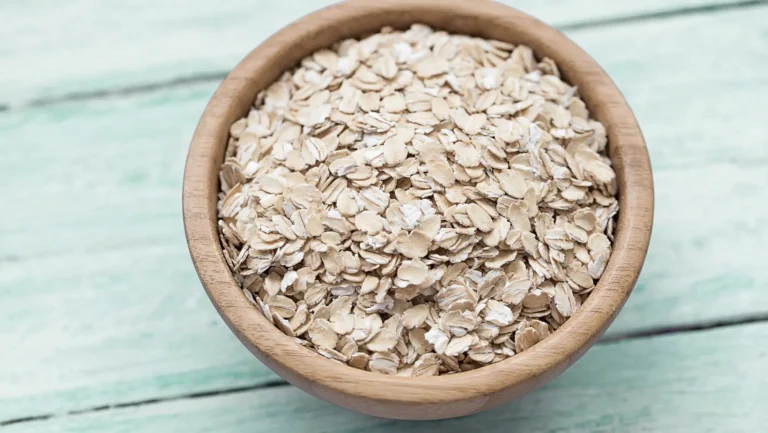
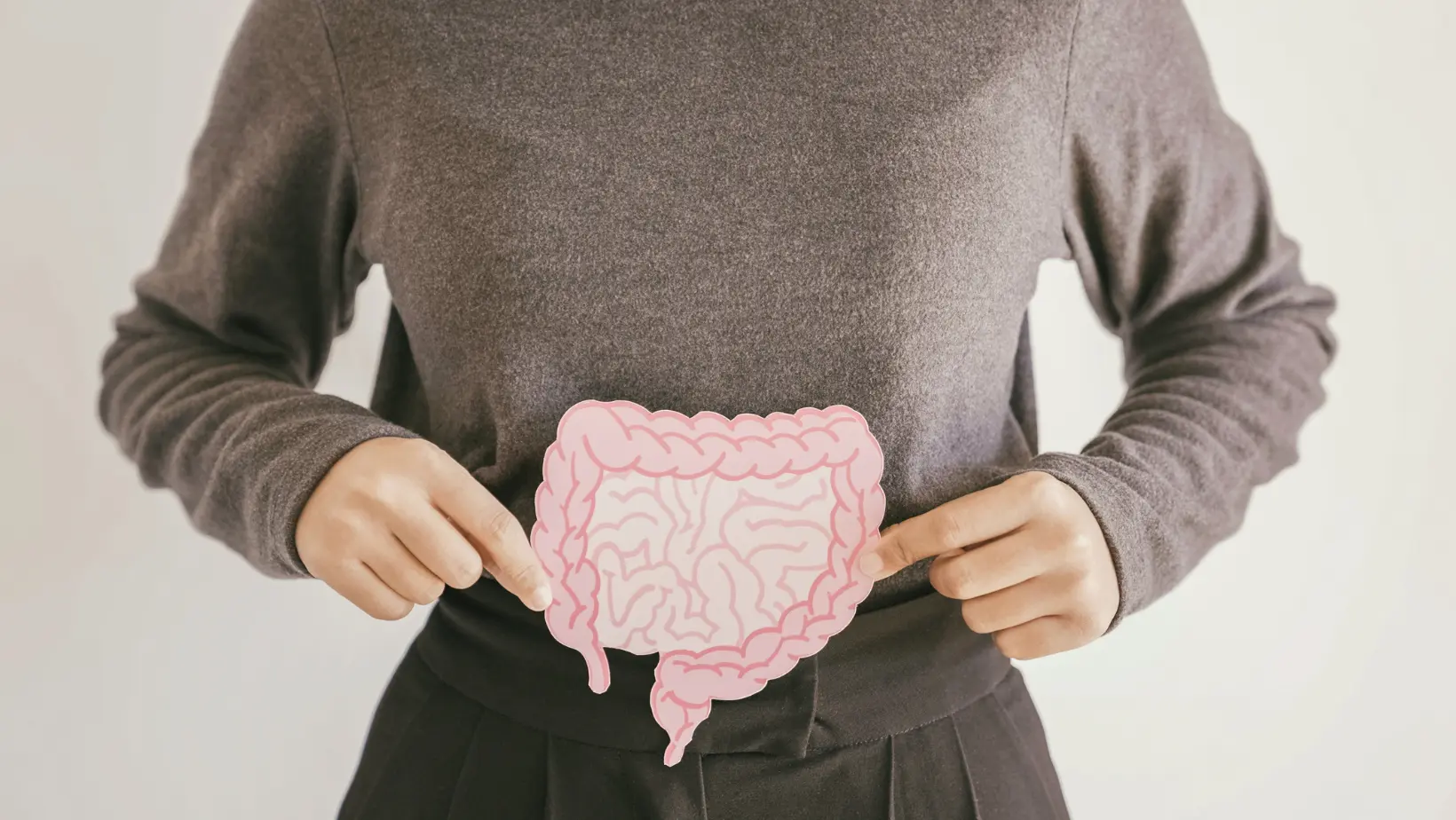
An anti-inflammatory diet for gut health choices focus on beans, oats, Blueberries, cooked vegetables, and enough water to help fiber work well. This guide covers foods, benefits, meal prep, 7-day gut plan, and common mistakes.
Benefits of Anti Inflammatory Eating
The anti-inflammatory meal plan works best when it lowers added sugar, raises fiber, and replaces fried foods with whole foods. The benefits of anti-inflammatory eating show up in the gut, energy, heart health, and daily hunger control.
Supporting gut and digestive health
Fiber feeds gut bacteria and helps stools move. It also helps prevent constipation when fluids rise with it. A slow increase works better than a sudden jump.
Improving energy and blood sugar balance
Meals with fiber, protein, and healthy fat slow sugar spikes. That usually means fewer crashes after lunch and less snack chasing. CDC and NIDDK both link fiber with better blood sugar control.
Supporting heart and metabolic health
A diet built around vegetables, fruit, whole grains, beans, nuts, seeds, fish, and olive oil supports . The AHA also advises limiting refined grains, saturated fat, and added sugar.
Reducing processed food intake
The easiest win is not a superfood. It is cutting back on packaged foods that replace real meals. Less packaged food usually means less sugar, sodium, and low-fiber calories.
Foods Commonly Included in an Anti-Inflammatory Meal Plan
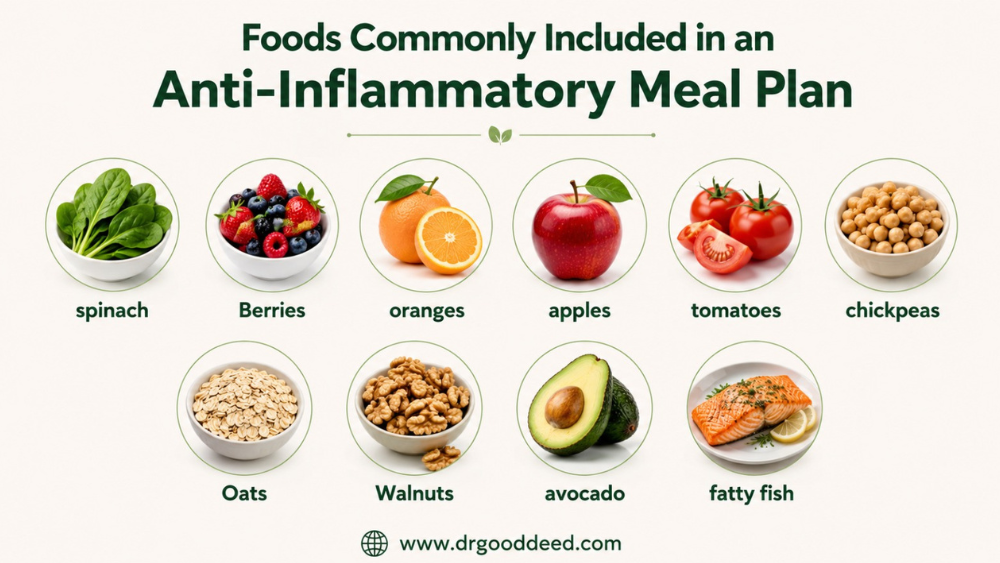
An anti-inflammatory meal plan usually centers on foods that bring fiber, unsaturated fat, and plant compounds. The best choices are simple: vegetables, fruit, beans, nuts, seeds, fish, olive oil, and whole grains. These are easy to find in U.S. supermarkets year-round.
- Leafy greens like spinach, kale, and romaine
- Berries, oranges, apples, cherries, and tomatoes
- Beans, lentils, chickpeas, and edamame
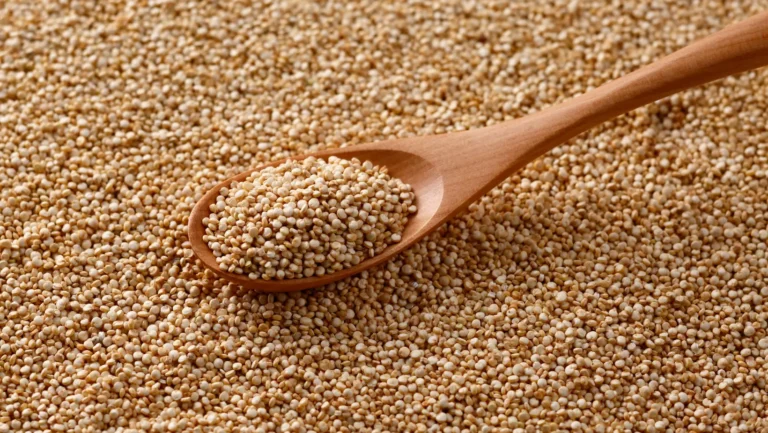
- Oats, brown rice, quinoa, and whole-wheat bread
- Salmon, sardines, trout, tuna, and other fatty fish
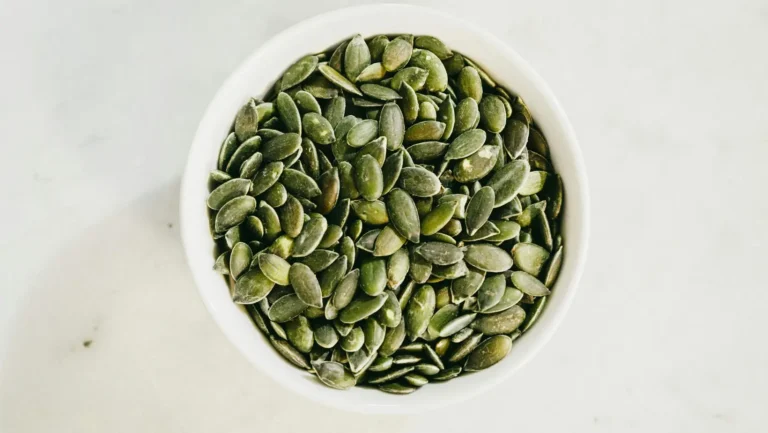
- Walnuts, almonds, chia seeds, flaxseed, and pumpkin seeds
- Olive oil, avocado, plain yogurt, and unsweetened tea
Processed Foods Causing Inflammation
An anti-inflammatory meal plan also cuts back on foods that push blood sugar up fast and crowd out fiber. Processed foods causing inflammation usually means items high in sugar, refined starch, salt, and low-quality fats. That pattern lines up with weaker diet quality in U.S. eating habits.
Excess sugar and refined carbohydrates
White bread, pastries, candy, and many boxed cereals spike glucose fast. They also leave you hungry again sooner.
Ultra-processed snacks and fried foods
Chips, cookies, frozen pizza, and fried fast food often pack sodium, sugar, and saturated fat into small portions. The AHA says these foods should be limited.
Excess sodium and artificial additives
High-sodium foods can crowd out better choices and work against heart health. Many canned soups, sauces, and instant meals carry more sodium than people expect.
Sugary drinks and inflammatory eating patterns
Soda, sweet tea, energy drinks, and juice cocktails add sugar without fiber. They make it easier to overeat and harder to stay full.
Anti-Inflammatory Diet Plan for Beginners
An anti-inflammatory meal plan for beginners works when it uses repeatable meals, not perfect meals. The anti-inflammatory diet plan for beginners should start with one breakfast, one lunch, and one dinner you can repeat. The 7-day anti-inflammatory meal plan below keeps shopping short and cooking simple.
| Step | Easy rule | Example |
| Build | Use 1 protein, 1 fiber food, 1 vegetable | Chicken, brown rice, broccoli |
| Swap | Replace white carbs with whole grains | Oatmeal instead of sugary cereal |
| Add | Put fruit or nuts into snacks | Apple with walnuts |
| Cut | Remove one sugary drink a day | Water instead of soda |
7 Day Anti-Inflammatory Meal Plan
An anti-inflammatory meal plan works better when the week uses the same core foods in different ways. This 7-day anti-inflammatory meal plan keeps breakfast, lunch, dinner, and snacks realistic for a U.S. grocery cart. It leans on fish, beans, vegetables, fruit, whole grains, and olive oil.
| Day | Breakfast | Lunch | Dinner | Snack |
| 1 | Oatmeal, blueberries, walnuts | Turkey and avocado wrap, side salad | Salmon, brown rice, broccoli | Apple, almond butter |
| 2 | Plain yogurt, chia, berries | Lentil soup, whole-grain toast | Chicken, sweet potato, green beans | Carrots, hummus |
| 3 | Eggs, spinach, whole-grain toast | Tuna salad bowl, quinoa | Bean chili, avocado | Pear, pumpkin seeds |
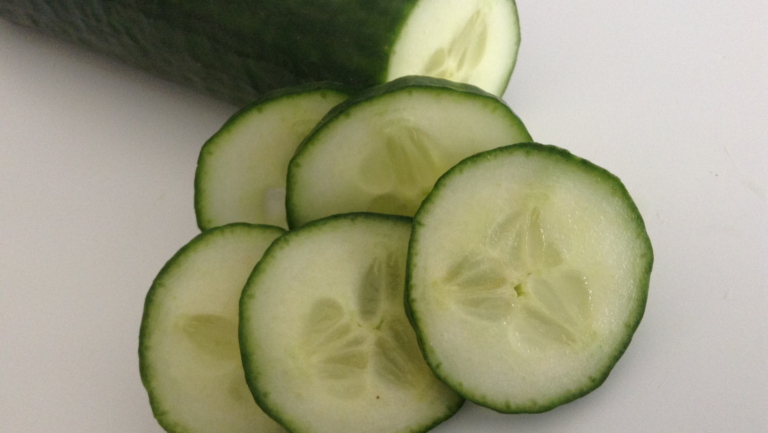
| 4 | Oats, flaxseed, banana | Chickpea salad, cucumbers | Trout, roasted carrots, rice | Plain yogurt |
| 5 | Smoothie with berries, yogurt, oats | Leftover chili, side greens | Turkey, cauliflower, brown rice | Orange, almonds |
| 6 | Eggs, tomatoes, toast | Salmon salad, beans | Lentil pasta, vegetables, olive oil | Celery, hummus |
| 7 | Oatmeal, cinnamon, berries | Chicken bowl, greens, beans | Baked fish, quinoa, asparagus | Walnuts, apple slices |
Anti-Inflammatory Diet for Gut Health
An anti-inflammatory meal plan helps the gut when it raises fiber slowly and adds enough water. The anti-inflammatory diet for gut health should include beans, oats, fruit, vegetables, and fermented foods like plain yogurt. This lowers constipation risk and may ease bloating.
- Add fiber in small steps, not all at once
- Drink more water when meals get higher in fiber
- Pick cooked vegetables if raw foods feel harsh
- Use yogurt or kefir if dairy feels fine
- Keep meals regular instead of skipping breakfast
Best Drinks for an Anti-Inflammatory Lifestyle
An anti-inflammatory meal plan works better when drinks match the food pattern. Water, unsweetened tea, and coffee without sugar fit well; soda and sweet drinks do not. Drinks should hydrate first and add little or no sugar.
Water and hydration support
Water helps fiber move through the gut and supports normal digestion. Plain water is the safest default.
Herbal teas and antioxidant drinks
Green tea, black tea, ginger tea, and turmeric tea fit well when unsweetened. Harvard lists tea and some spices among anti-inflammatory options.
Drinks to limit due to added sugar
Soda, sweet coffee drinks, bottled lemonade, and energy drinks add sugar fast. The Dietary Guidelines say to keep added sugars low.
Meal Prep Tips for Anti-Inflammatory Eating
An anti-inflammatory meal plan gets easier when the fridge does the work. The anti-inflammatory diet plan for beginners improves when meals are prepped in batches and snacks are ready before hunger hits. That prevents last-minute fast-food choices.
Planning meals ahead of time
Cook one grain, one protein, and two vegetables twice a week. Keep the same base foods and change sauces, herbs, and spices.
Healthy snack preparation
Wash fruit, portion nuts, and keep hummus or yogurt ready. Easy snacks stop the usual grab of chips or cookies.
Easy ingredient swaps for beginners
Use olive oil instead of butter, oats instead of sugary cereal, and beans instead of processed meat in some meals. These swaps fit the U.S. dietary pattern experts already recommend.
Common Mistakes People Make on Anti-Inflammatory Diets
An anti-inflammatory meal plan fails when people fixate on one “good” food and ignore the whole pattern. Processed foods causing inflammation still hide in sauces, snacks, bakery items, and sweet drinks.
- Buying “health” snacks with lots of sugar
- Skipping protein, then getting hungry fast
- Raising fiber without drinking enough water
- Relying on supplements instead of meals
- Using fried food as the main dinner habit
FAQs
What foods are most commonly included in an anti-inflammatory diet?
The main foods are vegetables, berries, beans, oats, nuts, seeds, olive oil, and fatty fish. These foods give fiber, healthy fats, and plant compounds that support a calmer inflammation pattern.
How do processed foods contribute to inflammation?
Processed foods causing inflammation usually pack sugar, refined flour, salt, and saturated fat into one meal. They raise calorie intake fast and crowd out fiber-rich foods that help balance blood sugar and gut health.
Why is fiber important for anti-inflammatory eating and gut health?
Fiber feeds gut bacteria, softens stool, and slows sugar spikes after meals. CDC and NIDDK both link fiber with better digestion and blood sugar control, especially when you drink enough water.
Can anti-inflammatory diets support energy and digestion?
Yes. Meals with fiber, protein, and healthy fat usually reduce crashes and keep the gut moving better. People often feel steadier when they stop using sugary drinks and low-fiber snacks as meal replacements.
What are simple beginner-friendly anti-inflammatory meal ideas?
Oatmeal with berries, salmon with rice and vegetables, bean chili, and yogurt with walnuts are easy starts. A 7-day anti-inflammatory meal plan can use the same foods in different combos all week.
Which drinks may help support lower inflammation levels?
Water, unsweetened green tea, black coffee, and herbal tea fit best. They hydrate without added sugar, which matters more than any “detox” drink ever sold in a store.
How can meal prep make anti-inflammatory eating easier?
Batch-cook a protein, a grain, and vegetables, then keep fruit and nuts ready. That turns an anti-inflammatory diet plan for beginners into a habit instead of a daily decision.
Why are omega-3 fats considered anti-inflammatory?
Omega-3 fats help shift inflammatory signaling in a better direction. NIH says EPA and DHA come mainly from seafood, while plant sources like flax and chia provide ALA, which the body converts only partly.
Can stress and poor sleep increase inflammation in the body?
Yes. NIH and CDC sources link chronic stress and sleep loss with higher inflammatory signaling and weaker immune balance. Poor sleep also makes high-sugar eating more likely the next day.
How long does it usually take to notice benefits from healthier eating habits?
In practice, bloating can improve in 1 to 2 weeks after more fiber and water. Blood sugar and cholesterol changes usually need 4 to 12 weeks of steady eating, sometimes longer.