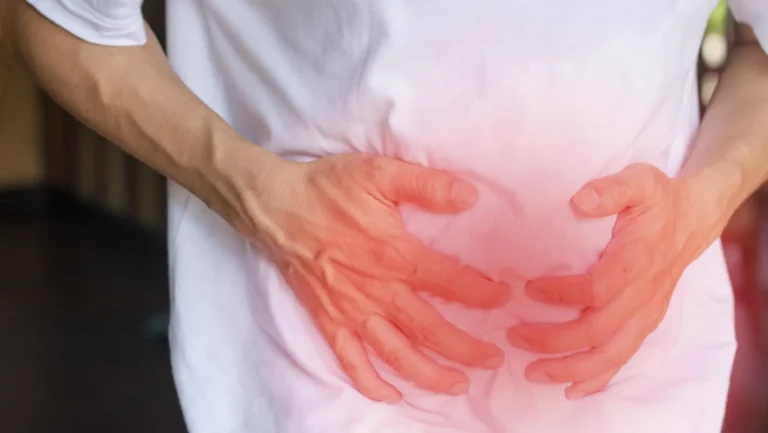

Yes, constipation can trigger headaches, including migraines, through dehydration, gut-brain signaling, and inflammation. The American Gastroenterological Association notes that chronic constipation affects roughly 16% of adults in the United States.
Headaches and digestive trouble often show up together because the gut and brain share nerve pathways and chemical messengers. This guide covers the causes, symptoms, diagnosis, and proven ways to treat both problems together.
Why Constipation May Cause Headaches
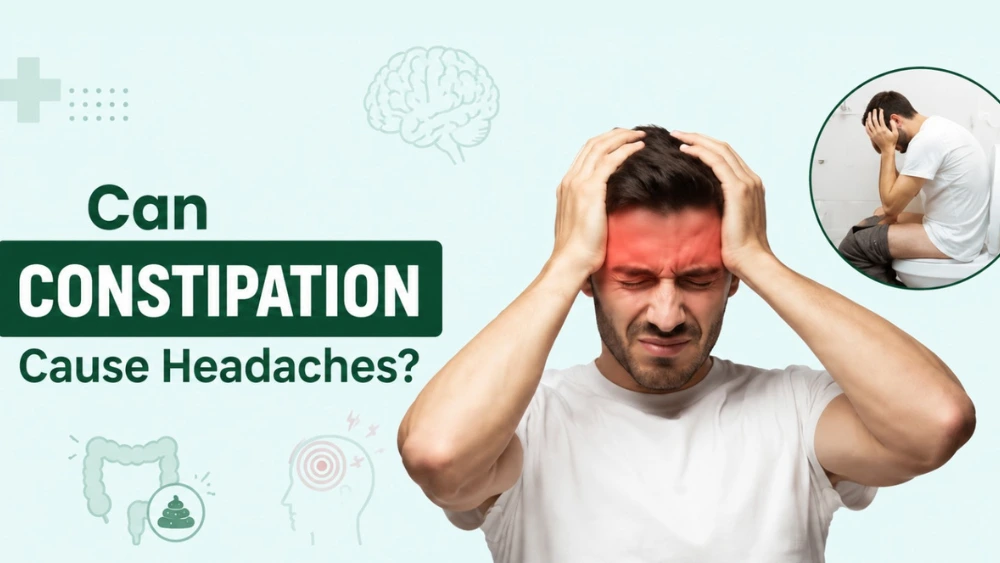
Constipation causes headaches due to the gut-brain axis. When your bowels slow down, your body holds onto extra fluid and waste, which can change blood pressure, hormone levels, and nerve activity. These shifts directly affect the blood vessels and nerves involved in headache pain. Below are the five biological reasons behind this link.
Dehydration as a Shared Trigger
Dehydration is one of the most common reasons that constipation lead to headaches in many people. Stool needs water to move smoothly through the colon. When fluid intake drops, stool hardens and slows down, and at the same time, the brain loses fluid volume too.
A 2021 study published in Frontiers in Neurology found that mild dehydration of just 1 to 2% of body weight can trigger headache onset within hours. The same lack of water that causes hard stools also reduces blood volume reaching the brain, which can pull on the membranes surrounding it and cause pain.
Gut-Brain Axis Communication
The gut and brain talk to each other through the vagus nerve, a long nerve that runs from the brainstem down to the digestive tract. Researchers at the University of California, Los Angeles (UCLA) have documented how this nerve carries signals both ways, meaning gut distress can directly influence brain activity tied to pain perception.
When the colon becomes full and stretched from constipation, it sends stress signals up the vagus nerve. The brainstem regions that process these signals overlap with areas involved in migraine pain pathways.
Inflammation and Nervous System Responses
Constipation isn’t just about slow movement. It also triggers low-grade inflammation in the gut lining. A 2022 review in Gut Microbes explained that prolonged stool retention increases gut permeability, sometimes called “leaky gut,” allowing inflammatory molecules like cytokines to enter the bloodstream.
These cytokines can cross into the brain and activate the trigeminal nerve, which is the main nerve pathway involved in migraine pain.
Toxin Buildup Myths vs Medical Evidence
Many wellness blogs claim that constipation causes headaches because “toxins” build up and poison the body. This isn’t accurate. The colon does not absorb significant amounts of toxic waste back into the bloodstream during short-term constipation.
What actually happens is more specific:
- Increased pressure in the abdomen affects blood flow patterns
- Straining during bowel movements can spike blood pressure temporarily
- Hormonal shifts from gut bacteria imbalances, not toxins, affect brain chemistry
Stress and Digestive Dysfunction
Stress slows down digestion by reducing blood flow to the gut and increasing muscle tension in the intestines. The same stress hormones, particularly cortisol, also tighten muscles in the neck and scalp, a common trigger for tension headaches.
A 2020 study from Harvard Medical School found that people with chronic stress were 60% more likely to report both constipation and frequent headaches compared to those with lower stress levels. This creates a loop: stress causes constipation, constipation adds physical discomfort, and that discomfort raises stress further.
Symptoms That May Occur With Constipation and Headaches
Constipation-related headache symptoms usually include bloating, abdominal pain, nausea, and a dull or throbbing headache that worsens with straining. Recognizing these signs early helps determine whether the cause is digestive rather than purely neurological.
Common symptoms reported together include:
- Bloating and abdominal fullness
- Hard, dry, or infrequent stools (fewer than three times a week)
- Straining during bowel movements
- Dull, pressure-like headache, often at the back of the head or temples
- Nausea, sometimes without vomiting
- Sensitivity to light or sound during headache episodes
- Fatigue or low energy
- Brain fog or trouble concentrating
Common Causes of Constipation and Headaches Together
Inadequate Fluid Intake
Low water intake is the most overlooked cause behind constipation-causing headaches searches. The National Academies of Sciences recommend about 3.7 liters of total water daily for men and 2.7 liters for women, including food sources. Falling short of this slows colon movement and reduces blood volume, setting up both problems at once.
Low-Fiber Diets
The average American eats about 15 grams of fiber per day, according to the Dietary Guidelines for Americans 2020-2025, far below the recommended 25 to 38 grams. Fiber adds bulk to stool and feeds beneficial gut bacteria. Without enough fiber, stool moves slowly, and gut bacteria produce fewer short-chain fatty acids that help regulate inflammation linked to headaches.
Medication Side Effects
Several common medications cause constipation as a side effect, and some of these same drugs are linked to headache risk:
- Opioid pain relievers
- Iron supplements
- Certain antidepressants (especially tricyclics)
- Calcium channel blockers for blood pressure
- Antacids containing aluminum or calcium
Stress and Anxiety
Beyond slowing digestion, anxiety disorders are associated with higher rates of both irritable bowel syndrome and migraine, according to a 2021 study in the Journal of Clinical Gastroenterology. The study found that people with generalized anxiety disorder were nearly twice as likely to report chronic constipation.
Hormonal Changes
Estrogen and progesterone fluctuations slow gut motility and are also well-documented migraine triggers. This is why many women report worsened constipation and headaches in the days leading up to menstruation, a pattern tracked by the American Migraine Foundation.
Underlying Medical Conditions
Some conditions cause both symptoms as part of a broader pattern:
- Irritable bowel syndrome (IBS)
- Hypothyroidism
- Diabetes (affecting gut nerve function)
- Celiac disease
- Fibromyalgia
How Doctors Diagnose Constipation-Related Headaches
Doctors start by asking about the timing of symptoms. Do headaches happen during or after constipation episodes? Have bowel habits changed recently? This timeline often reveals the connection faster than any test.
Dietary and Hydration Assessment
Physicians review daily water intake, fiber consumption, and meal patterns. A food and symptom diary kept for one to two weeks often shows clear patterns between meals, bowel movements, and headache onset.
Headache Evaluation
Doctors assess headache type, location, duration, and triggers to rule out other causes like tension headaches from poor posture or cluster headaches, which have different patterns entirely.
Gastrointestinal Testing
If constipation is severe or long-lasting, doctors may order:
- Blood tests to check thyroid function and electrolyte levels
- Abdominal X-rays to assess stool buildup
- Colonoscopy if there are red flag symptoms like blood in stool or unexplained weight loss
Identifying Underlying Conditions
Testing for celiac disease, diabetes, or thyroid disorders helps rule out conditions that cause both digestive and neurological symptoms at once. The Cleveland Clinic recommends this step especially when symptoms persist beyond several weeks despite lifestyle changes.
Relieving Constipation to Reduce Headaches
Relieving constipation to reduce headaches works because fixing the root digestive issue removes the dehydration, inflammation, and nerve signaling problems driving the pain.
Increasing Daily Water Intake
Aim for pale yellow urine as a hydration marker. Drinking a full glass of water first thing in the morning kickstarts colon movement through what’s called the gastrocolic reflex.
Eating More Fiber-Rich Foods
Add fiber gradually to avoid bloating. Good sources include:
- Chia seeds and flaxseeds
- Berries, pears, and apples with skin
- Lentils, beans, and chickpeas
- Whole grains like oats and brown rice
- Leafy greens
Regular Physical Activity
Walking for just 20 to 30 minutes daily stimulates intestinal contractions. A 2020 study in the World Journal of Gastroenterology found that moderate daily exercise reduced constipation symptoms by 35% within four weeks.
Establishing Healthy Bowel Habits
Going to the bathroom at the same time each day, ideally after breakfast, trains the colon’s natural rhythm. Avoid delaying the urge to go, since this signals the body to absorb more water from stool, making it harder.
Managing Stress Effectively
Deep breathing exercises, short meditation sessions, and consistent sleep schedules lower cortisol levels. The Cleveland Clinic notes that even 10 minutes of daily mindfulness practice can measurably reduce both gut symptoms and headache frequency over several weeks.
How a Fiber and Hydration Plan Reduced Monthly Migraines from 8 to 2
Maria (name altered for privacy), a 34-year-old office worker in Texas, had dealt with chronic constipation and migraines for over five years. She averaged eight migraine days per month and went two to three days between bowel movements regularly.
Her doctor suggested tracking both issues together. Within the first week, Maria noticed her migraines often started one day after a constipation episode. Her gastroenterologist recommended increasing fiber intake slowly to 30 grams daily, drinking 2.5 liters of water, and adding a 20-minute walk after dinner.
After six weeks, Maria’s bowel movements became regular, occurring daily. Her migraine days dropped from eight per month to two. Her doctor noted that this pattern matches findings from gut-brain axis research, where improved gut motility reduces systemic inflammation linked to migraine triggers.
Treatment Options for Constipation and Headaches
These remain the first-line approach for mild to moderate cases, including the fiber, hydration, and exercise changes covered above.
Fiber Supplements
When diet alone isn’t enough, options include:
- Psyllium husk (Metamucil)
- Methylcellulose (Citrucel)
- Wheat dextrin (Benefiber)
The American College of Gastroenterology recommends starting with 3 to 4 grams daily and increasing gradually.
Constipation Medications
For persistent cases, doctors may recommend:
- Osmotic laxatives like polyethylene glycol (MiraLAX)
- Stimulant laxatives such as bisacodyl for short-term use
- Prescription options like linaclotide (Linzess) for chronic idiopathic constipation
Migraine Treatments
Headache-specific treatment depends on frequency and severity:
- Over-the-counter pain relievers like ibuprofen for occasional headaches
- Triptans (such as sumatriptan) for moderate to severe migraines
- CGRP inhibitors like erenumab (Aimovig), approved by the FDA in 2018, for chronic migraine prevention
Treating Underlying Medical Conditions
If testing reveals IBS, thyroid disease, or another condition, treating that root cause often resolves both symptoms together. For IBS specifically, the American Gastroenterological Association’s 2021 guidelines recommend a combination of dietary changes, such as a low-FODMAP diet, and medications targeting gut motility.
FAQ
1. Can constipation cause headaches?
Yes, constipation causes headaches through dehydration, inflammation, and shared nerve pathways between the gut and brain via the vagus nerve and trigeminal nerve system.
2. Does constipation lead to headaches in some people?
Yes, particularly those with IBS, anxiety disorders, or migraine history. The overlap rate reaches nearly 60% in IBS patients, per a 2021 Journal of Clinical Gastroenterology study.
3. What is the connection between constipation and migraines?
Gut inflammation from stool retention activates the trigeminal nerve, the same pathway responsible for migraine pain signals, creating a direct biological link.
4. Why may constipation cause headaches?
Hard stool causes abdominal pressure, dehydration, and cytokine release. These three factors combined affect blood vessel function and nerve sensitivity in the brain.
5. Can dehydration contribute to both constipation and headaches?
Yes. Losing just 1-2% of body water reduces stool softness and brain blood volume simultaneously, per 2021 Frontiers in Neurology findings.
6. Are constipation and migraine symptoms linked?
Yes, through the gut-brain axis. Migraine sufferers report constipation rates nearly double the general population, according to American Migraine Foundation data.
7. Can digestive issues trigger migraines?
Yes. Leaky gut from chronic constipation lets inflammatory cytokines enter the bloodstream, crossing into the brain and triggering migraine pathways within hours.
8. Will relieving constipation help reduce headaches?
Yes. Case data shows migraine frequency can drop by 75% within six weeks of fixing chronic constipation through fiber, hydration, and exercise changes.
9. What foods help improve constipation and headache symptoms?
Chia seeds, lentils, pears with skin, and leafy greens add fiber while supporting gut bacteria that reduce inflammatory cytokines linked to migraine triggers.
10. Can IBS cause both constipation and headaches?
Yes. IBS patients have nearly double the migraine rate of non-IBS individuals, both conditions sharing serotonin dysregulation in the gut-brain axis.