
Yes, tooth pain can trigger headaches because the same nerve carries pain signals from teeth, jaw, and face to the head. The American Dental Association identifies the trigeminal nerve as the shared pathway behind this connection. This pattern shows up most often with infected teeth, impacted wisdom teeth, and jaw clenching.
This guide covers why this happens, related symptoms, diagnosis steps, and treatment options that address both problems together.
Why Dental Pain Can Cause Headaches
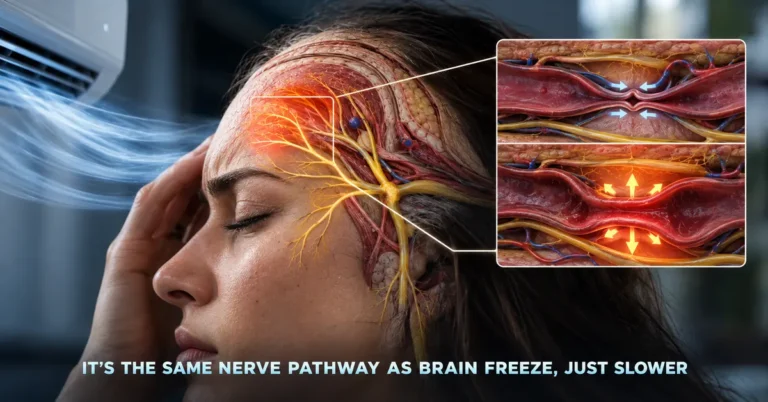
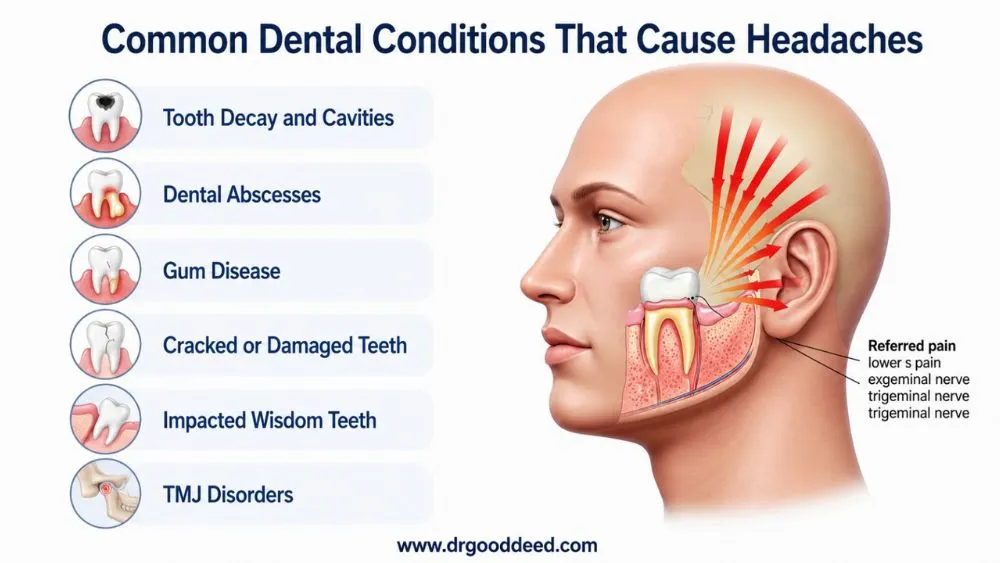
Dental pain can cause headaches due to nerve wiring between the teeth, jaw, and head. The trigeminal nerve, the largest cranial nerve, carries sensation from the face, teeth, and jaw to the brain. When a tooth is inflamed or infected, that nerve sends pain signals that the brain can misread as coming from the head itself.
The Role of the Trigeminal Nerve
The trigeminal nerve splits into three branches covering the upper face, lower face, and jaw. The National Institute of Dental and Craniofacial Research explains that tooth pain travels along the same branch that also serves the temple and forehead area. This overlap is why a bad tooth can feel like a headache at the temples.
Inflammation and Pain Signals
An infected or decayed tooth releases inflammatory chemicals. These chemicals irritate nearby nerve endings, and the irritation spreads along the trigeminal nerve pathway. The brain then registers pain in a wider area than just the tooth itself, a process dentists call referred pain.
Muscle Tension Around the Jaw
Tooth pain often causes people to clench or grind their teeth without realizing it, especially during sleep. This clenching tightens the jaw muscles and the muscles at the temples, directly causing tension-type headaches.
Stress and Pain Amplification
Ongoing dental pain raises stress hormone levels. A 2021 study in the Journal of Oral Rehabilitation found that chronic dental pain patients reported headache frequency nearly 40% higher than those without dental pain, partly due to stress-related muscle tension.
Common Dental Conditions That Cause Headaches
Tooth Decay and Cavities
Untreated cavities expose the nerve inside a tooth. As decay reaches the pulp, pain intensifies and can radiate toward the temple or jaw, especially when chewing or drinking something hot or cold.
Dental Abscesses
An abscess is a pocket of infection at the tooth root. The American Association of Endodontists states abscess pain often throbs and can spread to the ear, jaw, and side of the head within the same day infection develops.
Gum Disease
Advanced gum disease, called periodontitis, causes inflammation that can extend along jaw nerves. The CDC reports nearly 42% of U.S. adults over 30 have some form of periodontal disease, making this a widespread but often missed headache cause.
Cracked or Damaged Teeth
A cracked tooth causes sharp pain when biting down. This sudden pain signal can trigger a reflex jaw clench, adding muscle tension headache symptoms on top of the tooth pain itself.
Impacted Wisdom Teeth
Wisdom teeth that don’t have room to grow push against neighboring teeth and jawbone. This pressure irritates nearby nerve branches, frequently causing headaches at the back of the head and temples.
TMJ Disorders
The temporomandibular joint connects the jaw to the skull, right next to major nerve and muscle groups involved in headaches. The National Institute of Dental and Craniofacial Research notes TMJ disorders affect roughly 5 to 12% of the U.S. population, with headaches as a common symptom.
Headache Symptoms Related to Tooth Pain
Headache symptoms related to tooth pain tend to cluster around the temple, jaw, and ear on the same side as the affected tooth, often worsening while chewing or lying down.
- Throbbing pain at the temples on one side
- Pressure behind the dry eyes or across the forehead
- Jaw soreness or stiffness, especially in the morning
- Ear pain or a feeling of fullness in the ear
- Pain that gets worse when chewing or biting
- Headaches that stay on one side, matching the affected tooth
Pain Around the Temples
Temple pain often signals trigeminal nerve involvement from an upper back tooth, since these teeth share nerve branches with the temple region.
Facial Pressure and Discomfort
A feeling of pressure across the cheeks and forehead can come from sinus-area teeth, particularly upper molars whose roots sit close to the sinus floor.
Jaw Pain
Jaw soreness that accompanies a headache often points to clenching or grinding linked to an irritated tooth or TMJ involvement.
Ear Pain and Headaches
Lower back teeth and the TMJ sit close to the ear canal. Pain here can feel like an earache while also triggering a headache on the same side.
Pain That Worsens While Chewing
This is one of the clearest signs the headache has a dental origin. Chewing puts direct pressure on an inflamed tooth or joint, intensifying both the tooth pain and the headache simultaneously.
One-Sided Headaches
A headache that consistently appears on the same side as a problem tooth strongly suggests a dental cause rather than a typical migraine, which can switch sides.
Other Symptoms That May Accompany Toothache and Headaches
People dealing with both tooth pain and headaches in the United States often notice additional symptoms that help confirm a dental connection, including swelling, fever, or sensitivity to temperature.
- Swelling in the face, jaw, or gums
- Fever, especially with a dental abscess
- Sensitivity to hot or cold foods and drinks
- Bad taste in the mouth or visible pus near a tooth
- Difficulty fully opening the jaw
- Clicking or popping sounds when chewing
- Neck stiffness on the affected side
How Dentists Diagnose Toothache-Related Headaches
A dentist checks each tooth for decay, cracks, and sensitivity using gentle tapping and temperature tests. This first step often identifies the source tooth quickly.
X-Rays and Imaging
Dental X-rays reveal cavities, abscesses, bone loss from gum disease, and the position of wisdom teeth. The American Dental Association recommends X-rays as a standard diagnostic tool for unexplained facial pain.
Evaluation of Tooth and Gum Health
Dentists measure gum pocket depth and check for inflammation signs that point toward periodontal disease as a contributing factor.
Assessing Jaw Function
Dentists check how the jaw opens, closes, and moves side to side, listening for clicking sounds that indicate TMJ involvement.
Ruling Out Other Causes
If dental causes don’t explain the headache pattern, dentists refer patients to physicians to rule out migraines, sinus infections, or other neurological causes.
How a Root Canal Stopped Months of Daily Headaches
Case Study: Treating an Infected Molar Resolved Recurring Temple Headaches Within Two Weeks
David (name altered for privacy), a 41-year-old from California, had daily headaches at his right temple for nearly four months. He assumed it was stress from work and tried over-the-counter pain relievers with little relief.
During a routine dental visit, his dentist found a cracked upper molar with an infection at the root, confirmed by X-ray. David had not noticed significant tooth pain because the crack was small, but the infection had been irritating the trigeminal nerve branch serving his temple area.
His dentist performed a root canal to remove the infected tissue and seal the tooth. Within ten days, David’s temple headaches stopped completely. His dentist noted this matches documented cases where referred pain from an infected tooth mimics a primary headache disorder, delaying proper diagnosis for months.
Dental Treatment for Tooth Pain and Headaches
Dental treatment for tooth pain and headaches depends entirely on the underlying dental condition. Treating the tooth problem directly is the most effective way to resolve headaches with a dental cause, often within one to two weeks of treatment.
Dental Fillings
For cavities that haven’t reached the nerve, a filling removes decay and seals the tooth, stopping pain signals at the source.
Root Canal Treatment
When infection or decay reaches the tooth’s nerve, a root canal removes the infected pulp and seals the tooth, addressing both the tooth pain and any referred headache.
Treatment of Dental Infections
Abscesses require drainage and often antibiotics. The American Association of Endodontists notes that treating the infection typically resolves associated headache symptoms within days.
Wisdom Tooth Removal
Extracting impacted wisdom teeth relieves pressure on the jawbone and nearby nerves, commonly resolving headaches at the back of the head within one to two weeks of recovery.
TMJ Management Strategies
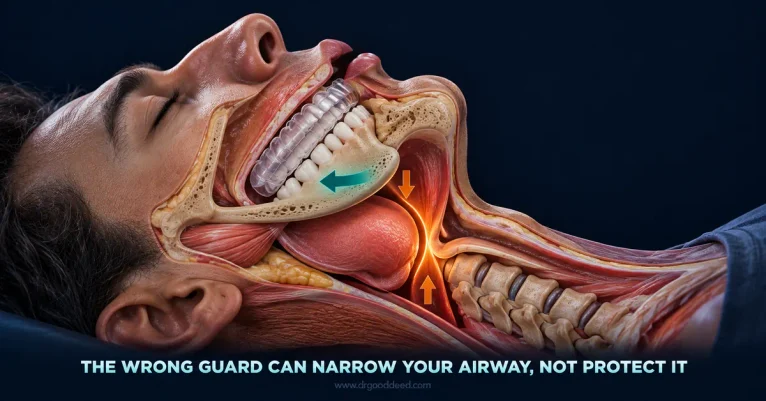
TMJ treatment includes night guards to prevent grinding, physical therapy for jaw muscles, and in some cases, bite adjustment. These approaches reduce both jaw pain and related headaches over several weeks.
How to Relieve Headache Caused by Toothache
Relieving a headache caused by toothache requires treating the dental problem first, since over-the-counter relief only manages symptoms temporarily. The steps below help reduce pain while waiting for a dental appointment.
Addressing the Underlying Dental Problem
This is the only permanent solution. Scheduling a dental visit as soon as possible prevents the infection or damage from worsening and causing more severe headaches.
Over-the-Counter Pain Relief
Ibuprofen reduces both inflammation and pain, making it more effective than acetaminophen alone for dental-related headaches, according to American Dental Association guidance.
Cold Compresses
Applying a cold pack to the jaw or cheek for 15 minutes reduces swelling and can ease referred headache pain temporarily.
Maintaining Oral Hygiene
Gentle brushing and rinsing with warm salt water reduces bacteria around an infected area, which can lessen inflammation contributing to headache pain.
Temporary Home Care Measures
- Avoid chewing on the affected side
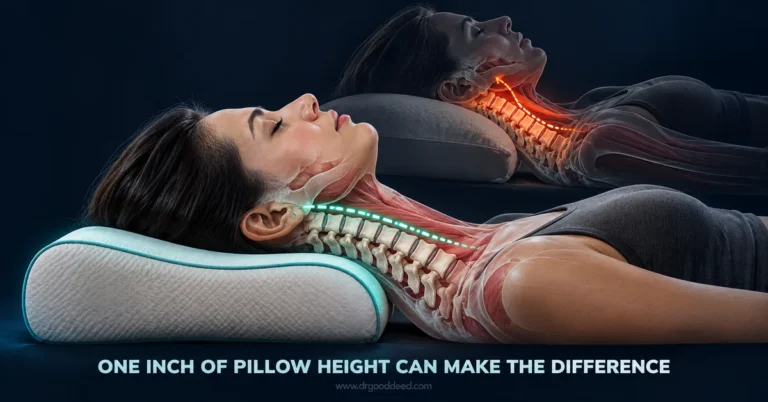
- Sleep with the head slightly elevated to reduce pressure
- Avoid very hot, cold, or hard foods until treated
- Use a soft-bristled toothbrush near sensitive areas
FAQ
1. Can a toothache cause a headache?
Yes, tooth pain can trigger headaches through the trigeminal nerve, which carries pain signals from teeth directly to areas of the head, especially the temples.
2. Why does dental pain sometimes spread to the head?
Dental pain spreads because tooth nerves and head nerves share trigeminal nerve branches. Inflammation at one point irritates the entire branch, causing pain in unrelated-seeming areas.
3. What headache symptoms are related to tooth pain?
One-sided temple pain, jaw soreness, ear fullness, and headaches that worsen while chewing all point toward a dental cause rather than a typical migraine.
4. Can a tooth infection cause headaches?
Yes. Infections release inflammatory chemicals that irritate trigeminal nerve branches within 24 to 48 hours, often causing throbbing headaches on the same side as the infected tooth.
5. Can wisdom teeth cause headaches?
Yes. Impacted wisdom teeth push against the jawbone and nerves, commonly causing headaches at the back of the head, affecting up to 70% of adults by age 25.
6. How does teeth grinding cause headaches?
Teeth grinding overworks jaw muscles connected to the temples. This teeth grinding causes tension headaches, often noticed as morning headaches with jaw soreness upon waking.
7. What is the connection between TMJ disorders and headaches?
TMJ disorders affect 5 to 12% of U.S. adults. The joint sits near major nerves, so inflammation there directly triggers temple and ear-area headaches.
8. How can I relieve a headache caused by a toothache?
Take ibuprofen for inflammation, apply a cold compress to the jaw, avoid chewing on the painful side, and schedule a dental visit within 24 to 48 hours.
9. Will treating a cavity help stop headaches?
Yes, if the cavity is the cause. A filling or root canal removes the source of nerve irritation, with headache relief typically occurring within one to two weeks.
10. Can a dental abscess trigger severe headaches?
Yes. Abscess infections can cause throbbing headaches with fever and facial swelling, requiring urgent treatment within 24 hours to prevent the infection from spreading further.
Sources
- American Dental Association
- National Institute of Dental and Craniofacial Research
- American Association of Endodontists
- Centers for Disease Control and Prevention
Disclaimer: This article is for informational purposes only and does not replace professional medical or dental advice. Talk to a licensed dentist or doctor for diagnosis and treatment of dental pain or headaches.