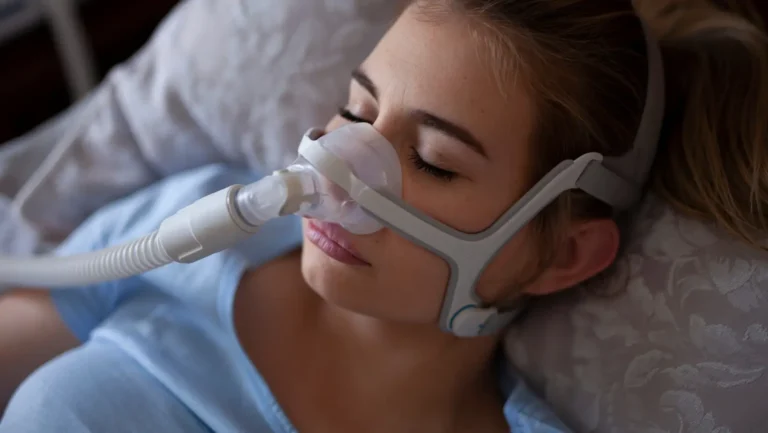


Sleep apnea can kill you. Sleep apnea causes breathing to stop repeatedly during sleep, sometimes hundreds of times per night. Over 30 million adults in the USA have it, yet most go undiagnosed. Left untreated, it destroys your heart, brain, and blood vessels over the years, turning a manageable condition into a life-threatening one.
Can Sleep Apnea Kill You?
Yes, sleep apnea kills you, though the damage is cumulative rather than instant. Sleep apnea rarely stops the heart mid-sleep. Instead, it erodes the cardiovascular system night after night until a heart attack, stroke, or arrhythmia (irregular heartbeat) becomes the outcome.
Can Sleep Apnea Cause Death Indirectly?
Every breathing pause drops blood oxygen, sometimes below 80%. The heart compensates harder each time. Over the years, this raises the risk of sudden cardiac death. These deaths most often happen between midnight and 6 AM, when apnea events are deepest and most frequent.
Why Untreated Sleep Apnea Is Dangerous
So, sleep apnea can kill you even without obvious symptoms. People with severe untreated sleep apnea face two to three times the cardiovascular death risk of those without it. Those with an AHI (Apnea-Hypopnea Index, breathing stops per hour) above 30 are at greatest risk.
How Sleep Apnea Affects the Body
Sleep apnea goes far beyond disrupted sleep. Every night, your body absorbs hundreds of oxygen crises, each quietly damaging the heart, arteries, and brain in ways that don’t surface until years later.
Repeated Drops in Oxygen Levels
Each breathing stop causes hypoxemia (dangerously low blood oxygen). The brain forces a partial awakening to restart breathing. This cycle repeats 30 to 100 times per hour without you ever fully waking up or remembering it.
Stress on the Cardiovascular System
Each forced awakening releases adrenaline (the stress hormone), spiking blood pressure and heart rate. When this happens dozens of times nightly for years, artery walls thicken and chronic hypertension (persistently high blood pressure) sets in.
Sleep Fragmentation and Recovery Problems
Deep sleep is when the body repairs tissue and resets hormones. People with sleep apnea rarely reach it. Inflammation stays elevated, the immune system underperforms, and metabolic processes fall out of balance, building the foundation for long-term disease.
Effects on Brain Function
Repeated oxygen drops injure brain cells directly. Memory, focus, and processing speed all decline. Long-term deprivation causes measurable brain tissue loss in memory regions, raising Alzheimer’s disease and dementia risk significantly.
Severe Sleep Apnea Symptoms
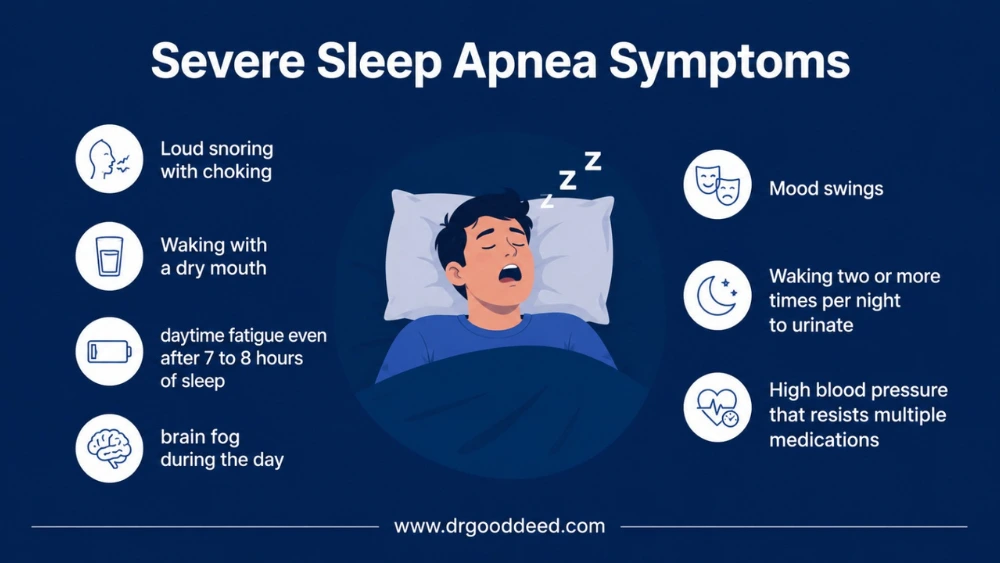
The reason sleep apnea can kill you is that severe sleep apnea symptoms get consistently dismissed as stress or aging. By the time most people seek help, years of cardiovascular damage have already accumulated.
Key warning signs:
- Loud snoring with choking or gasping sounds at night
- Waking with a dry mouth, sore throat, or persistent morning headache
- Extreme daytime fatigue even after 7 to 8 hours of sleep
- Difficulty concentrating, poor memory, or brain fog during the day
- Mood swings, irritability, or worsening depression
- Waking two or more times per night to urinate
- High blood pressure that resists multiple medications
Most of these signs occur during sleep. A bed partner often notices them first. Blood pressure that won’t respond to medication is one of the most overlooked signals that sleep apnea is the hidden driver.
Long-Term Risks of Sleep Apnea
Untreated sleep apnea does far more damage than most people realize. Every year without treatment stacks measurable harm onto the heart, brain, and metabolic system.
High Blood Pressure
Nearly 50% of people with treatment-resistant hypertension have undiagnosed sleep apnea underneath it. Treating sleep apnea often lowers blood pressure more than adding another medication.
Coronary Artery Disease
Nightly oxygen drops damage the inner walls of coronary arteries (the vessels feeding the heart), triggering plaque buildup. Narrowed arteries raise heart attack risk, sometimes without prior warning.
Heart Failure
Repeated low-oxygen events weaken the heart muscle over time. People with sleep apnea are 140% more likely to develop heart failure than those without it.
Cardiac Arrhythmias
Atrial fibrillation (AFib, an irregular rapid heartbeat) is far more common in people with sleep apnea. The combined effect of oxygen drops and adrenaline spikes disrupts the heart’s electrical system, and AFib independently raises stroke risk.
Type 2 Diabetes
Sleep apnea disrupts insulin sensitivity (how well cells respond to insulin). Blood sugar rises as a result. People with moderate to severe sleep apnea face significantly elevated type 2 diabetes risk, independent of body weight.
Cognitive Decline
Years of nightly oxygen loss cause detectable brain shrinkage in memory regions. Untreated sleep apnea is now a recognized modifiable risk factor for Alzheimer’s disease. Early treatment preserves long-term brain function.
Reduced Quality of Life
Depression rates are two to three times higher in untreated cases. Drowsy driving accidents, declining work performance, and strained relationships compound the damage well beyond physical health alone.
Stroke Risk From Untreated Sleep Apnea
People with sleep apnea face three times the stroke risk compared to those without it. Sleep apnea creates the exact biological conditions that trigger brain strokes, silently and without clear warning.
How Oxygen Deprivation Affects the Brain
Repeated oxygen drops destabilize blood flow to the brain. This injures small blood vessels, promotes clot formation, and sets the stage for ischemic stroke (a stroke caused by a blocked vessel).
Sleep Apnea and Stroke Risk Factors
Sleep apnea worsens every major stroke risk factor at once: blood pressure, atrial fibrillation, blood vessel inflammation, and blood thickening. When two or more co-exist, stroke risk multiplies rather than adds.
Recurrent Sleep Apnea and Stroke Outcomes
People recovering from a stroke who have untreated sleep apnea recover more slowly. Nightly oxygen drops interrupt brain healing and raise the risk of a second, more severe stroke.
Reducing Stroke Risk Through Treatment
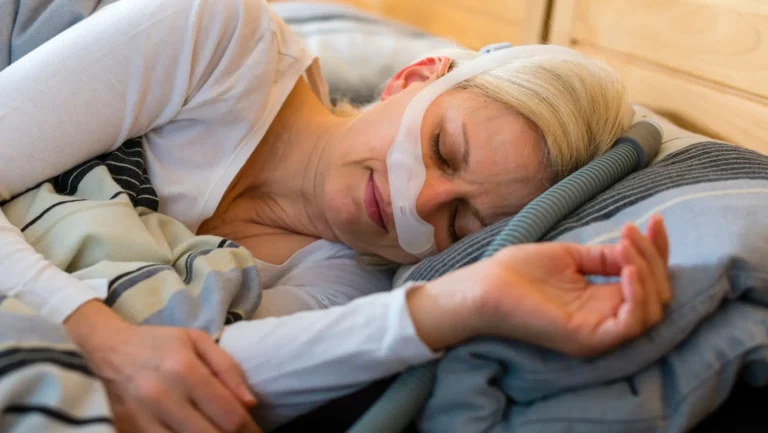
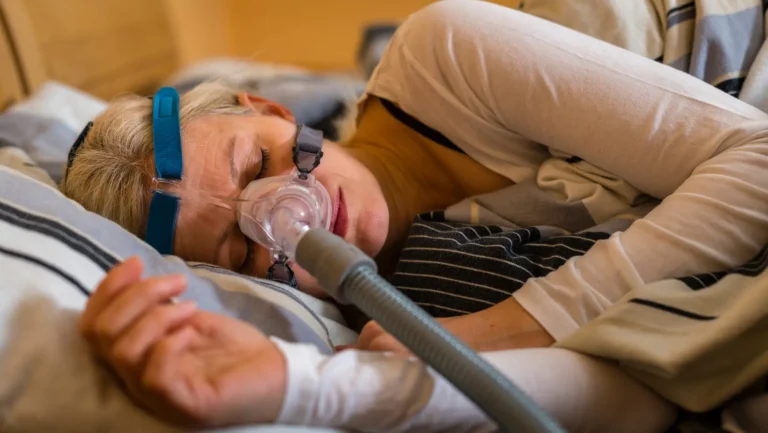
CPAP therapy for sleep apnea directly lowers stroke risk in sleep apnea patients. Consistent nightly use stabilizes blood oxygen, controls blood pressure, and corrects atrial fibrillation, protecting the brain on all three fronts.
How Sleep Apnea Is Diagnosed
Doctors use the STOP-BANG questionnaire, a validated 8-question tool covering snoring, tiredness, observed apneas, blood pressure, BMI, age, neck size, and gender. A score of 3 or higher signals moderate to high risk.
Home Sleep Apnea Testing
A portable device worn overnight records airflow, oxygen levels, heart rate, and breathing effort. It is accurate for most standard obstructive sleep apnea cases without requiring a hospital stay.
Overnight Sleep Studies
Polysomnography (PSG) is the gold standard. It simultaneously records brain waves, eye movements, muscle activity, oxygen levels, and breathing patterns, detecting all sleep apnea types including central sleep apnea.
Understanding the Apnea-Hypopnea Index (AHI)
| AHI Score | Severity |
| 5 to 14 | Mild sleep apnea |
| 15 to 29 | Moderate sleep apnea |
| 30 or above | Severe sleep apnea |
An AHI above 30 means breathing stops at least once every two minutes while sleeping. Treatment at this level is urgent.
Other Medical Treatments for Sleep Apnea
Oral Appliance Therapy
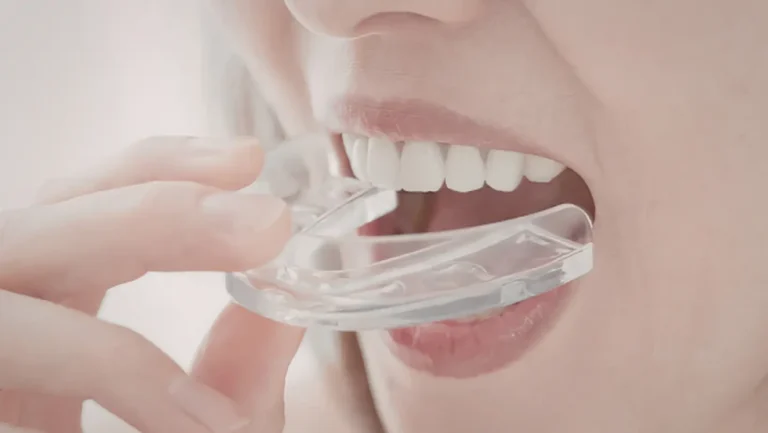
A custom mouthguard shifts the lower jaw forward to keep the throat open. It is effective for mild to moderate sleep apnea and suits people who find CPAP uncomfortable or impractical for nightly use.
Positional Therapy
Many people stop breathing only when sleeping on their back. Wearable positional devices or shaped pillows train the body to stay on its side all night, reducing events without any machinery.
Surgical Treatment Options
Options include UPPP (removing excess throat tissue), maxillomandibular advancement (jaw surgery that physically widens the airway), and hypoglossal nerve stimulation (an implant that prevents the tongue from blocking the airway during sleep).
Newer Sleep Apnea Technologies
The Inspire device is an FDA-approved implant that monitors breathing and stimulates the hypoglossal nerve (the nerve controlling tongue movement) to hold the airway open. It is designed for people who cannot tolerate CPAP long-term.
How to Treat Sleep Apnea Naturally
How to treat sleep apnea naturally is possible through targeted lifestyle changes. These reduce severity meaningfully, though moderate and severe cases still need medical treatment alongside them.
Weight Loss and Sleep Apnea
Fat deposits around the neck narrow the airway directly. Losing 10% of body weight reduces apnea events by up to 26%. Sustained weight loss resolves sleep apnea entirely in some mild cases.
Regular Physical Activity
Exercise lowers AHI scores even without major weight loss, strengthening upper airway muscles and reducing inflammation. Aim for at least 150 minutes of moderate activity per week.
Sleeping Position Adjustments
Sleeping on your side instead of your back significantly reduces airway collapse. This simple change costs nothing and works well as a standalone step for mild positional sleep apnea.
Limiting Alcohol Before Bed
Alcohol relaxes throat muscles, making airway collapse more likely. Avoiding alcohol at least 3 to 4 hours before bed reduces this risk directly.
Improving Sleep Hygiene
A consistent sleep schedule and a cool bedroom support deeper sleep stages. Better sleep consistency reduces the airway muscle relaxation that worsens apnea at night.
Managing Nasal Congestion
Blocked nasal passages force mouth breathing, raising collapse risk. Saline rinses, nasal strips, or allergy treatment can restore nasal airflow and reduce nighttime breathing events.
Lifestyle Changes That Support Better Sleep
Pairing daily habits with medical treatment produces the best long-term outcomes. Whether you use CPAP therapy for sleep apnea or manage through lifestyle changes, these habits cut cardiovascular and metabolic risk consistently.
- Set the same sleep and wake time every day, including weekends
- Avoid caffeine after 2 PM to protect deep sleep stages
- Keep bedroom temperature between 65 and 68°F
- Limit screens one hour before bed
- Practice slow breathing before sleep to lower cortisol (the stress hormone that elevates blood pressure)
- Limit fluids in the two hours before bed to reduce nighttime waking
Prevention Strategies for Sleep Apnea Complications
Knowing that sleep apnea can kill you is only useful if you act on it early.
- Get a sleep study if you snore loudly, wake exhausted daily, or stop breathing at night according to a partner
- Use your CPAP device every single night, since occasional skipping reverses blood pressure benefits
- Monitor blood pressure and blood sugar every 3 to 6 months
- Tell your cardiologist you have sleep apnea, since it changes how cardiac conditions are managed
- Schedule annual reviews with a sleep doctor to track AHI changes over time
- Avoid sedatives or sleeping pills without physician clearance, as they suppress breathing during sleep
FAQs
1. Can sleep apnea kill you if left untreated?
Sleep apnea can kill you when ignored. Untreated severe sleep apnea (AHI above 30) triples heart attack risk and is linked to nocturnal sudden cardiac death, peaking between midnight and 6 AM.
2. What are the long-term risks of sleep apnea?
The long-term risks of sleep apnea include heart failure, AFib, type 2 diabetes, treatment-resistant hypertension, stroke, and Alzheimer’s-related brain shrinkage. Each untreated year makes these harder to reverse.
3. Can sleep apnea increase the risk of heart disease?
Yes. Sleep apnea makes heart failure 140% more likely. Nightly oxygen drops damage coronary artery walls, triggering inflammation and plaque buildup that precedes heart attacks.
4. What is the stroke risk from untreated sleep apnea?
The stroke risk from untreated sleep apnea is three times the normal rate. Blood pressure spikes, atrial fibrillation, inflamed vessels, and clot formation all act as independent stroke triggers simultaneously.
5. What are the symptoms of severe sleep apnea?
Severe sleep apnea symptoms include waking up gasping, persistent morning headaches, extreme fatigue despite full sleep, blood pressure resistant to medication, and waking twice or more per night to urinate.
6. Can sleep apnea cause sudden death during sleep?
Sleep apnea can rarely kill you suddenly. Severe sleep apnea is associated with nocturnal sudden cardiac death, peaking between midnight and 6 AM due to oxygen-induced cardiac arrhythmias.
7. How does CPAP therapy help sleep apnea?
CPAP therapy for sleep apnea delivers continuous pressurized air to keep the airway open all night. It eliminates breathing pauses, restores blood oxygen, lowers blood pressure, and cuts heart attack and stroke risk significantly.
8. What happens if I stop using my CPAP machine?
Apnea symptoms return within one to two nights. Blood pressure rises within days. All cardiovascular and cognitive benefits from consistent CPAP use reverse rapidly, sometimes within a week of stopping.
9. How can I treat sleep apnea naturally?
How to treat sleep apnea naturally starts with side-sleeping, losing 10% of body weight (cutting apnea events by up to 26%), cutting alcohol before bed, and treating nasal congestion to restore proper nighttime airflow.
10. Can weight loss improve sleep apnea?
Yes. Every 10% drop in body weight reduces apnea severity by approximately 26%. For overweight individuals with mild sleep apnea, reaching a healthy weight sometimes eliminates the condition fully without any devices.
Sources: