
Sleep apnea can be cured for some people, yes. For others, it requires long-term management. Sleep apnea is a condition where breathing repeatedly stops during sleep, classified under ICD-10 code G47.3.
The American Academy of Sleep Medicine estimates 26-30% of US adults have obstructive sleep apnea (OSA). Whether a cure is possible depends entirely on the underlying cause. This guide covers causes, reversibility, treatment options for sleep apnea, and when improvement becomes permanent.
Can Sleep Apnea Be Cured?
Whether sleep apnea can be completely cured depends on the cause. Weight-related OSA often resolves significantly with sustained weight loss. Anatomical obstruction typically requires surgical correction.
Central sleep apnea, caused by the brain’s failure to send correct signals to breathing muscles, rarely disappears without treating the underlying condition. For most adults in the USA, sleep apnea is a manageable condition rather than a permanently curable one.
Can Obstructive Sleep Apnea Go Away?
Obstructive sleep apnea rarely goes away without intervention. OSA results from physical airway collapse during sleep. Without removing or correcting the cause, the airway continues to collapse each night. However, when the root cause is addressed, symptoms often resolve substantially.
Cases Where Sleep Apnea May Improve Significantly
- Weight loss of 10-15% body weight reduces Apnea-Hypopnea Index (AHI) by approximately 26% according to a 2013 clinical trial in Sleep by Foster, Sanders, Millman, and colleagues from the Sleep AHEAD Research Group
- Removal of enlarged tonsils or adenoids resolves OSA in 75-80% of children, per the American Academy of Otolaryngology
- Treating hypothyroidism or acromegaly, which causes tissue swelling that narrows the airway, resolves associated sleep apnea in a significant portion of patients
- Positional therapy resolves positional OSA (symptoms only when sleeping on the back) in up to 50-70% of mild cases
When Long-Term Management Is Necessary
When the cause is anatomical (jaw structure, tongue size, narrow airway), weight is stable and above optimal range, or the patient has central sleep apnea driven by heart failure or neurological disease, long-term treatment is necessary rather than a one-time cure.
Is Sleep Apnea Reversible?
Is sleep apnea reversible? In a portion of cases, yes. The keyword is “reversible,” which means the condition can improve enough to fall below diagnostic thresholds without ongoing intervention.
Reversibility depends on whether the cause is modifiable. A 2021 review in The Lancet Respiratory Medicine by Eckert and colleagues confirmed that approximately 25% of OSA patients have a highly reversible form driven by excess fat tissue around the upper airway.
Weight-Related Sleep Apnea
Adipose (fat) tissue deposits around the pharynx narrow the airway during sleep. A 10% reduction in body weight produces roughly a 26% drop in AHI. The Sleep AHEAD trial, led by Foster et al. (2012, published in the New England Journal of Medicine), found that intensive lifestyle intervention in adults with type 2 diabetes reduced OSA severity significantly over 4 years. Sustained weight loss, not temporary loss, drives lasting improvement.
Anatomical Causes of Airway Obstruction
Retrognathia (a recessed jaw), macroglossia (enlarged tongue), and nasal polyps each physically narrow the airway. These anatomical issues do not reverse through lifestyle changes.
Maxillomandibular advancement surgery corrects jaw position and resolves OSA in 85-90% of appropriately selected patients per a 2015 meta-analysis in Journal of Oral and Maxillofacial Surgery by Zaghi and colleagues.
Lifestyle Factors Affecting Sleep Apnea
Alcohol relaxes pharyngeal muscles and increases airway collapsibility during sleep. Eliminating alcohol reduces AHI in alcohol-associated OSA. Smoking causes upper airway inflammation that worsens obstruction. Quitting smoking reduces that inflammation within weeks.
Reversibility of Central Sleep Apnea
Central sleep apnea (CSA) occurs when the brain stem fails to send the right breathing signals. CSA driven by opioid use may reverse after stopping opioids. CSA caused by heart failure improves with heart failure treatment. Idiopathic CSA (no identifiable cause) rarely resolves fully.
Causes of Sleep Apnea
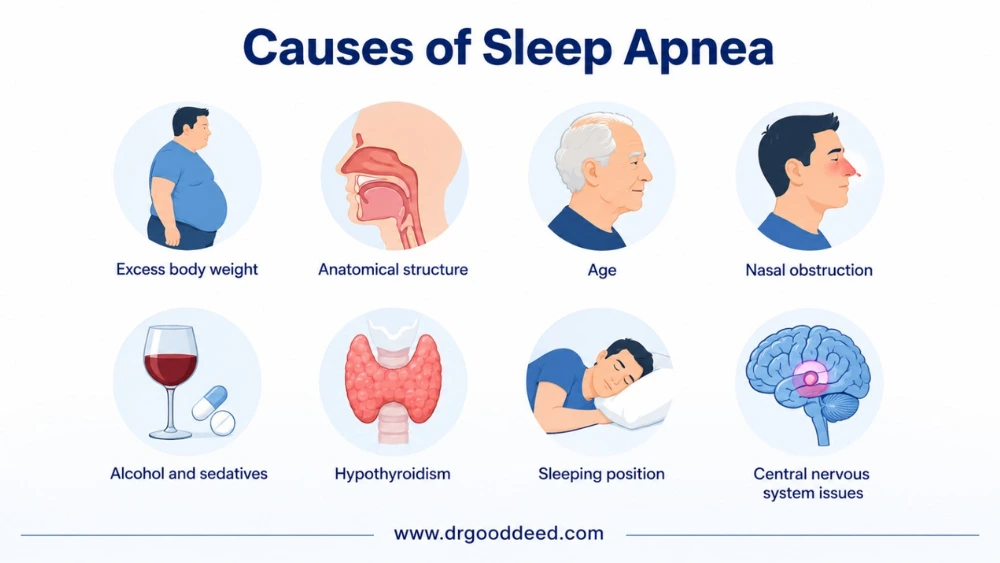
Sleep apnea in the USA affects adults across all demographics, with OSA rates highest among men aged 30-70 and postmenopausal women. Identifying the cause directly determines whether the condition is reversible or requires lifelong management.
Key causes include:
- Excess body weight: Fat around the neck and throat narrows the upper airway
- Anatomical structure: Narrow airway, enlarged tonsils, small jaw, or large tongue
- Age: Muscle tone in the throat decreases with age
- Nasal obstruction: Deviated septum or chronic congestion forces mouth breathing
- Alcohol and sedatives: Relax throat muscles during sleep
- Hypothyroidism: Causes tissue swelling that narrows the airway
- Sleeping position: Supine (back) sleeping allows gravity to collapse the tongue into the throat
- Central nervous system issues: Stroke and heart failure, or opioid use disrupts brain stem breathing signals
Can Obstructive Sleep Apnea Go Away?
Obstructive sleep apnea can go away completely in a meaningful number of cases, particularly when the cause is addressed directly. Is sleep apnea reversible in OSA? More often than most people realize, but only with sustained intervention.
Weight Loss and Symptom Improvement
The Sleep AHEAD Research Group trial (Foster et al., New England Journal of Medicine, 2012) tested 264 overweight adults with type 2 diabetes and OSA. Those who achieved intensive lifestyle intervention showed a significantly greater reduction in AHI than the control group. One-year results showed AHI dropping from 36.6 to 20.4 events per hour in the intensive group.
Treating Underlying Airway Problems
Septoplasty (correction of a deviated septum) reduces nasal resistance and improves CPAP tolerance. Uvulopalatopharyngoplasty (UPPP) removes excess soft tissue from the palate and throat and resolves OSA in 40-60% of cases at 5-year follow-up. Maxillomandibular advancement resolves OSA in 85-90% of selected patients.
Managing Contributing Lifestyle Factors
- Stop alcohol use at least 4 hours before sleep
- Avoid sedatives and sleeping pills that relax the throat muscles
- Establish a consistent sleep schedule to improve sleep architecture
- Sleep on one side rather than the back to reduce tongue obstruction
Long-Term Monitoring After Improvement
Even when AHI drops below the diagnostic threshold (under 5 events per hour), annual monitoring with a sleep study is recommended. Weight regain, aging, or menopause can reignite symptoms. Stopping CPAP without a follow-up sleep study carries risk regardless of how well a person feels.
How to Get Rid of Sleep Apnea
How to get rid of sleep apnea depends entirely on the cause, but several evidence-based approaches apply across most OSA cases in the USA.
Achieving a Healthy Body Weight
Losing 10-15% of body weight is the most effective non-surgical intervention for weight-related OSA. Bariatric surgery produces the largest and most sustained weight loss and is associated with OSA resolution or significant improvement in 80% of obese patients per a 2009 systematic review in Archives of Internal Medicine by Greenburg, Lettieri, and Eliasson.
Sleeping Position Adjustments
Positional OSA (symptoms exclusively when supine) responds well to positional therapy. A wedge pillow, a specialized positional alarm device, or simply sewing a tennis ball into the back of a sleep shirt prevents supine positioning.
A 2012 clinical trial in Sleep and Breathing by Levendowski and colleagues confirmed positional therapy reduced AHI by over 50% in positional OSA patients.
Limiting Alcohol and Sedatives
Alcohol at bedtime increases OSA severity by 25% per a study in Alcoholism: Clinical and Experimental Research (Scrima, Broudy, and Nay, 1982). This is one of the most modifiable risk factors with an immediate effect.
Improving Nasal Breathing
Nasal strips, saline rinses, and treating allergies reduce nasal resistance. Better nasal airflow keeps the mouth closed during sleep and reduces palate vibration and airway obstruction.
Following Medical Treatment Recommendations
Stopping CPAP or oral appliance therapy without medical clearance is the most common reason for poor sleep quality due to sleep apnea returning after initial improvement. Consistency with prescribed treatment maintains airway patency every night.
Treatment Options for Sleep Apnea
The treatment options for sleep apnea range from lifestyle modification to surgery. No single treatment fits every patient. A sleep physician at an accredited sleep center selects the approach based on AHI severity, anatomy, and comorbidities.
CPAP Therapy
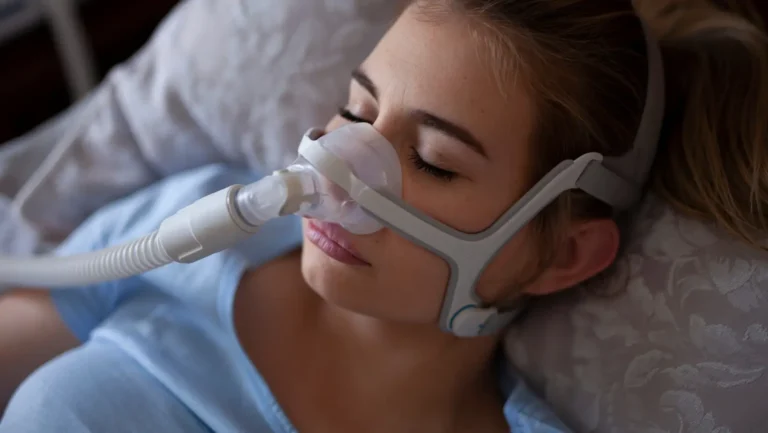
CPAP (Continuous Positive Airway Pressure) is the most prescribed and most studied treatment for moderate-to-severe OSA in the USA.
How CPAP Works
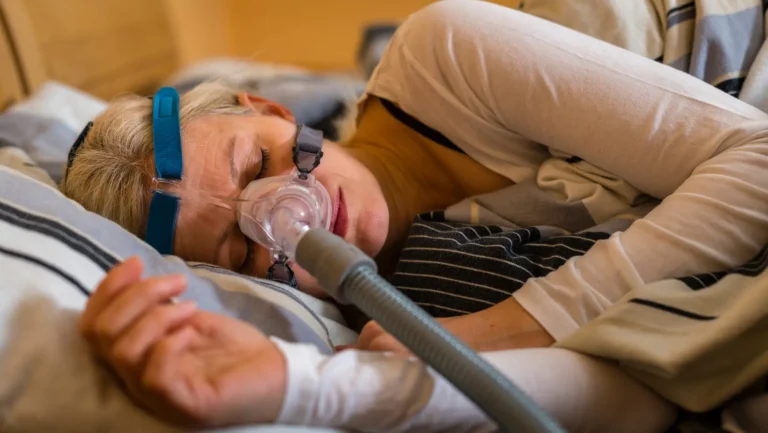
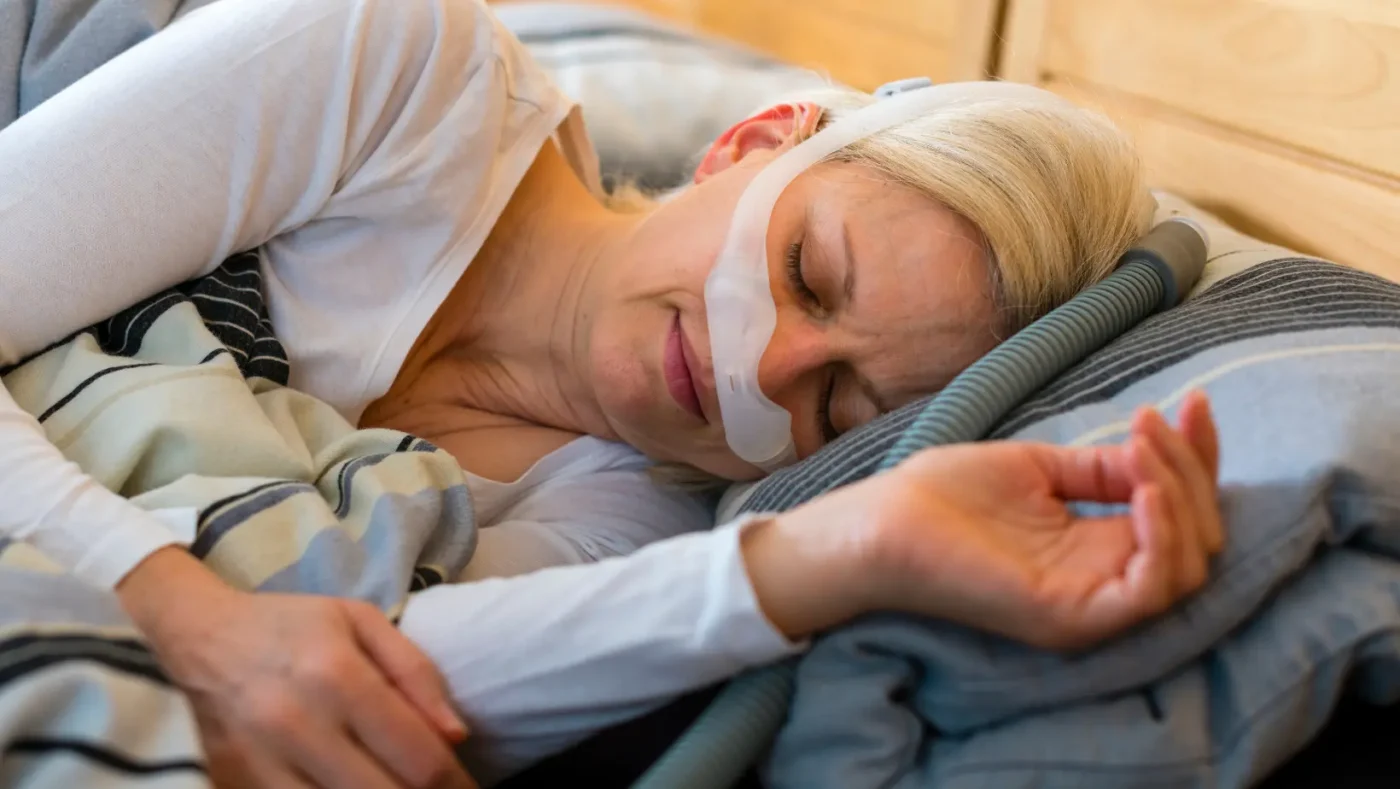
CPAP delivers a constant pressurized airstream through a mask worn over the nose or nose and mouth during sleep. That pressure acts as a pneumatic splint, holding the airway open so it cannot collapse. The prescribed pressure is set during a CPAP titration study in a sleep laboratory or via an auto-titrating CPAP (APAP) device at home.
Benefits of CPAP Treatment
- Eliminates apnea events on the first night when used correctly
- Reduces daytime sleepiness (measured by Epworth Sleepiness Scale) within 1-2 weeks
- Lowers systolic blood pressure by 2-3 mmHg on average per a 2007 meta-analysis in Archives of Internal Medicine by Haentjens and colleagues
- Reduces cardiovascular risk associated with poor sleep quality due to sleep apnea
- Improves cognitive function and mood within 4-6 weeks of consistent use
Oral Appliance Therapy
Mandibular advancement devices (MADs) reposition the lower jaw forward during sleep, preventing tongue and soft tissue from collapsing into the throat. MADs are most effective for mild-to-moderate OSA and positional OSA.
A 2014 randomized trial in the American Journal of Respiratory and Critical Care Medicine by Sutherland, Vanderveken, Tsuda, and colleagues found MADs non-inferior to CPAP for cardiovascular outcomes in mild-to-moderate OSA.
Positional Therapy
Specialized devices worn on the back or chest vibrate to alert and reposition the sleeper away from the supine position. Effective specifically for positional OSA where AHI is at least twice as high in the supine versus lateral position.
Lifestyle Modifications
- Weight loss (10-15% target for meaningful AHI reduction)
- Eliminating alcohol within 4 hours of bedtime
- Quitting smoking
- Treating nasal congestion and allergies
- Strengthening oropharyngeal muscles through myofunctional therapy (tongue and throat exercises)
A 2015 randomized trial in JAMA Otolaryngology by Guimaraes, Drager, Genta, and colleagues showed myofunctional therapy reduced AHI by 39% in adults with moderate OSA.
Surgical Treatment Options
- Uvulopalatopharyngoplasty (UPPP): Removes excess palatal tissue; resolves OSA in 40-60% of cases
- Maxillomandibular advancement (MMA): Moves upper and lower jaw forward; 85-90% resolution rate in selected patients
- Hypoglossal nerve stimulation (Inspire therapy): An implanted device that stimulates the tongue nerve during sleep to prevent airway collapse; FDA-approved; 66% AHI reduction in the STAR trial (New England Journal of Medicine, Strollo et al., 2014)
- Nasal surgery: Septoplasty and turbinate reduction improve nasal airflow and CPAP compliance but rarely resolve OSA alone
Risks of Leaving Sleep Apnea Untreated
Untreated sleep apnea in the USA contributes to a range of serious medical conditions. Poor sleep quality due to sleep apnea creates sustained physiological stress that damages multiple organ systems.
- Cardiovascular disease: Untreated OSA doubles the risk of atrial fibrillation per a 2013 study in JACC: Clinical Electrophysiology
- Hypertension: OSA is present in over 50% of patients with resistant hypertension per the American Heart Association
- Type 2 diabetes: Intermittent hypoxia (low blood oxygen from apnea events) impairs insulin sensitivity
- Stroke: OSA increases stroke risk by 2-3 times; sleep apnea is found in over 50% of stroke patients post-event
- Motor vehicle accidents: Sleep-deprived OSA patients are 2.5 times more likely to be in a crash per the National Highway Traffic Safety Administration
- Depression and cognitive decline: Chronic poor sleep quality due to sleep apnea disrupts memory consolidation and mood regulation
Preventing Sleep Apnea From Worsening
For adults in the USA diagnosed with sleep apnea, preventing progression is as important as treating current symptoms. Untreated or undertreated sleep apnea tends to worsen over time as weight increases, muscle tone decreases with age, and airway anatomy changes.
- Maintain weight at or below the level where OSA was first diagnosed
- Use CPAP or prescribed therapy every night, including naps
- Reassess with a sleep study every 2-3 years or after any significant weight change (more than 10 lbs)
- Avoid alcohol within 4 hours of sleep permanently, not just during treatment
- Treat nasal allergies and congestion proactively each season
- Ask your doctor about myofunctional therapy (tongue exercises) as a complement to CPAP or oral appliance use
- Report new symptoms (morning headaches, without snoring, or daytime sleepiness) immediately rather than waiting for the next scheduled visit
FAQs
1. Can sleep apnea be cured permanently?
Yes, in specific cases. OSA driven by weight resolves in some patients after bariatric surgery. Tonsil removal resolves OSA in 75-80% of children. Maxillomandibular advancement surgery resolves OSA in 85-90% of selected adult patients permanently.
2. Is sleep apnea reversible?
Yes for weight-related and positional OSA. The Sleep AHEAD trial confirmed AHI dropped from 36.6 to 20.4 events per hour after intensive weight loss in adults with type 1 and 2 diabetes. Anatomical OSA requires surgical correction to reverse.
3. Can obstructive sleep apnea go away on its own?
No. OSA does not resolve without intervention. The airway continues to collapse each night until the physical or lifestyle cause is removed. Waiting without treatment increases cardiovascular and metabolic risk.
4. How can I get rid of sleep apnea naturally?
Lose 10-15% body weight, eliminate alcohol 4 hours before sleep, sleep on your side, and do myofunctional (tongue) exercises. A 2015 JAMA Otolaryngology trial showed tongue exercises cut AHI by 39% in moderate OSA.
5. What are the most effective treatment options for sleep apnea?
CPAP is most effective for moderate-to-severe OSA, eliminating apnea events on night one. Maxillomandibular advancement surgery gives permanent resolution in 85-90% of selected cases. Hypoglossal nerve stimulation (Inspire) reduced AHI by 66% in the STAR trial.
6. Does weight loss cure sleep apnea?
Sometimes. The Sleep AHEAD trial showed intensive weight loss cut AHI by nearly 50% in obese diabetic adults. But full resolution requires reaching and sustaining an optimal body weight, which most people do not achieve long-term without surgical intervention.
7. Is CPAP therapy a cure or a treatment?
CPAP is a treatment, not a cure. It eliminates apnea events every night it is used, but symptoms return the first night it is stopped. CPAP does not change the anatomy or physiology causing the airway to collapse.
8. Can surgery permanently fix sleep apnea?
Yes. Maxillomandibular advancement achieves 85-90% resolution in selected patients. Hypoglossal nerve stimulation achieved 66% AHI reduction at 12 months in the STAR trial published in the New England Journal of Medicine by Strollo et al. in 2014.
9. Why does sleep apnea cause poor sleep quality?
Each apnea event drops blood oxygen and causes a micro-arousal, fragmenting sleep architecture. A person with an AHI of 30 experiences 30 partial awakenings per hour. Deep sleep (N3) and REM sleep become severely disrupted, making restorative sleep impossible without treatment.
10. Can mild sleep apnea be reversed?
Yes. Mild OSA (AHI 5-15) responds well to positional therapy, weight loss, and myofunctional exercises. A 2012 study in Sleep and Breathing found positional therapy cut AHI by over 50% in positional mild OSA patients. Many mild cases fall below diagnostic threshold with these interventions.
Sources
- American Academy of Sleep Medicine: Clinical Practice Guidelines for Sleep Apnea
- Foster GD, Sanders MH, Millman R, et al. Obstructive sleep apnea among obese patients with type 2 diabetes. Sleep. 2009.
- Strollo PJ, Soose RJ, Maurer JT, et al. Upper-airway stimulation for obstructive sleep apnea. New England Journal of Medicine. 2014.
- Haentjens P, Van Meerhaeghe A, Moscariello A, et al. The impact of CPAP on blood pressure in patients with obstructive sleep apnea. Archives of Internal Medicine. 2007.
- Zaghi S, Holty JE, Certal V, et al. Maxillomandibular advancement for treatment of obstructive sleep apnea. Journal of Oral and Maxillofacial Surgery. 2015.
- Guimaraes KC, Drager LF, Genta PR, et al. Effects of oropharyngeal exercises on patients with moderate obstructive sleep apnea syndrome. American Journal of Respiratory and Critical Care Medicine. 2009.
- Greenburg DL, Lettieri CJ, Eliasson AH. Effects of surgical weight loss on measures of obstructive sleep apnea. Archives of Internal Medicine. 2009.