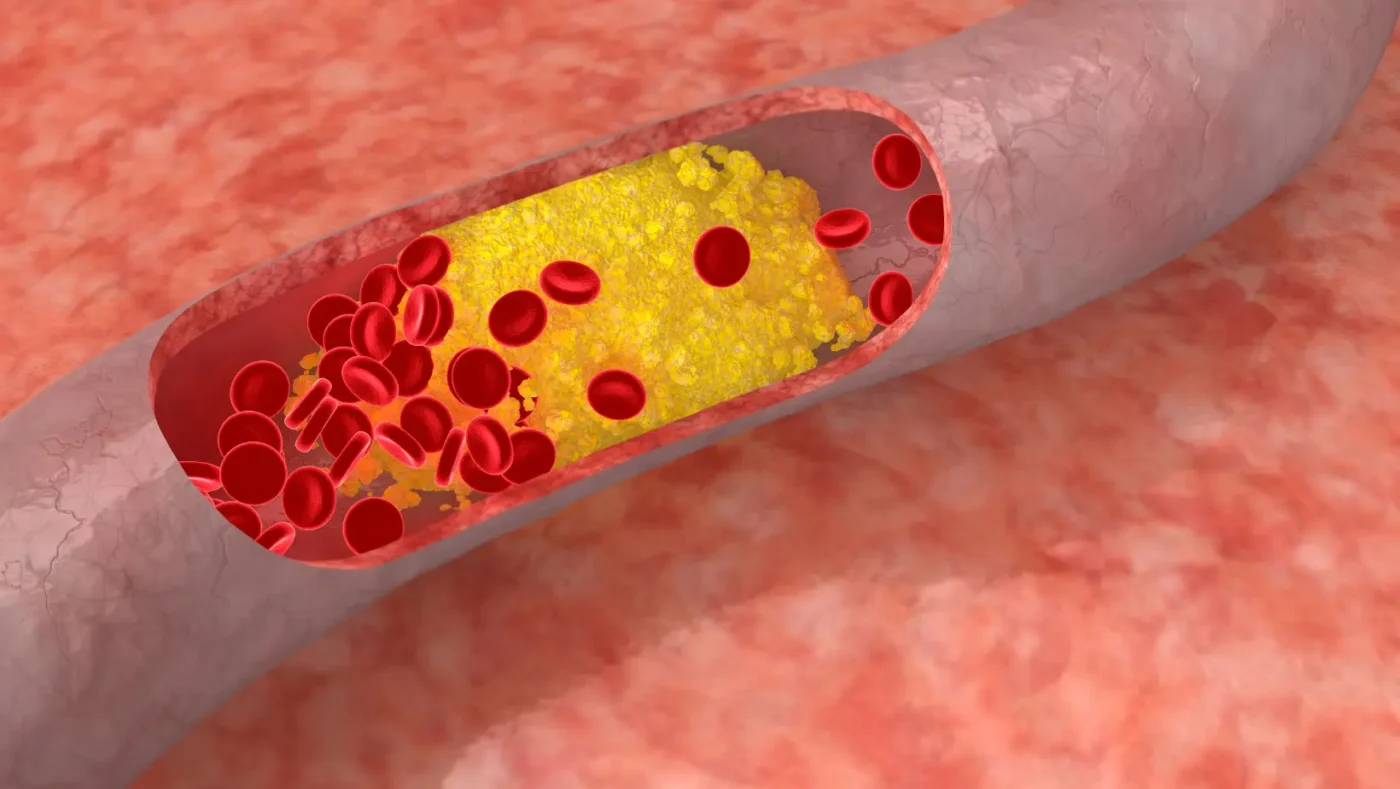

The warning signs of high cholesterol show no headache, no obvious pain, no early signal that tells you something is wrong. According to the CDC, nearly 86 million American adults have total cholesterol above 200 mg/dL, yet most of them feel completely normal.
This guide covers what cholesterol actually does inside your arteries, which physical clues to watch for, who is most at risk, and what tests and treatments can protect you before damage happens.
High Cholesterol Usually Has No Symptoms
The warning signs of high cholesterol almost never come from cholesterol itself. They come from what cholesterol is silently doing to your arteries over months and years.
LDL cholesterol, the “bad” kind, seeps into artery walls and triggers inflammation. The body tries to wall it off. Over time, this creates a plaque buildup that narrows the artery. Blood flow drops. Organs and muscles get less oxygen. That is when symptoms finally appear. By the time a person feels anything, significant arterial damage has usually already occurred.
The CDC confirms that high cholesterol has no symptoms on its own. A simple blood test is the only reliable way to detect it early. Most warning signs of high cholesterol are signs of what high cholesterol has already done to the arteries.
The Early Circulation Warning Signs of High Cholesterol
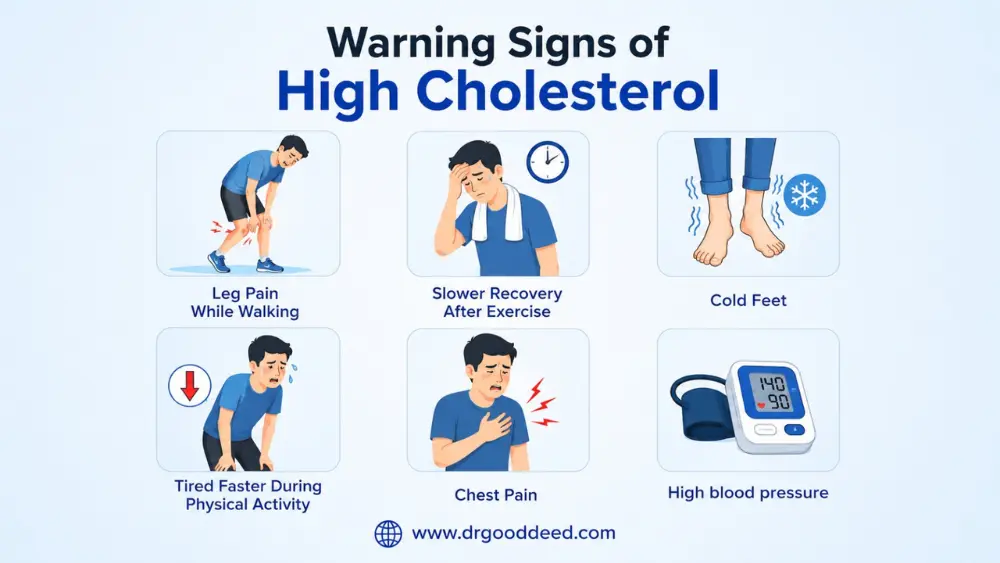
Most people associate high cholesterol with chest pain or heart attacks. But the body sends subtler signals long before that, all linked to reduced blood flow through narrowed arteries.
Getting Tired Faster During Physical Activity
Narrowed arteries deliver less oxygen to muscles. If you are getting winded on walks you used to handle easily, that reduced exercise capacity can reflect declining artery health. This is not normal aging fatigue. The decline is gradual, which is why many people dismiss it.
Leg Pain While Walking (Claudication)
Claudication is cramping, aching, or tightness in the calves, thighs, or buttocks during walking. It eases when you rest. Mayo Clinic confirms this is a classic symptom of peripheral artery disease (PAD), caused directly by cholesterol-driven plaque in the leg arteries.
Up to 40% of people with PAD feel no leg pain at all, making it even more dangerous. Claudication is one of the early signs of high cholesterol damage that most people mistake for a muscle problem.
Slower Recovery After Exercise
Healthy arteries dilate during exercise to push more blood to working muscles. When those arteries are narrowed by plaque, recovery takes longer. Muscles feel sore for days rather than hours. This is one of the early signs of high cholesterol that active adults often blame on aging or overtraining.
Cold Feet or Reduced Peripheral Circulation
Poor circulation to the extremities causes feet to feel persistently cold, even in warm environments. The CDC notes that cool skin on the legs, especially with walking pain, is a physical sign of PAD. If one foot is noticeably colder than the other, that asymmetry is one of the less-known warning signs of high cholesterol accumulation in the leg arteries and warrants medical evaluation.
What You Can Actually See: Physical Warning Signs
Some people with severely elevated cholesterol, particularly those with a genetic condition called familial hypercholesterolemia (FH), develop visible signs. These are rare but important to recognize as warning signs of high cholesterol.
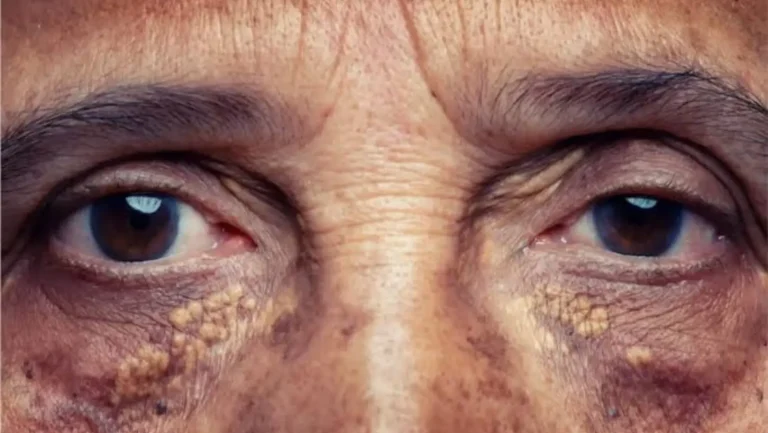
Xanthelasma Around the Eyes
Xanthelasma are soft, yellowish patches that appear on or around the eyelids. They form when cholesterol deposits build up just under the skin surface. Any doctor will order a lipid panel for anyone presenting with xanthelasma. They can appear even in people with borderline cholesterol, so their presence alone does not confirm severely high levels.
White Ring Around the Cornea (Corneal Arcus)
Corneal arcus is a grayish-white ring around the outer edge of the colored part of the eye. In adults over 60, it is common and often age-related. But in adults under 45, the NHLBI states it can signal very high cholesterol. A 2020 study in Atherosclerosis found that corneal arcus under age 45 combined with tendon xanthomas raises coronary artery disease risk by more than 11-fold in people with the FH gene mutation.
Tendon Xanthomas
These are firm lumps of cholesterol that form in the tendons, most often the Achilles tendon at the back of the heel. The Family Heart Foundation notes that affected tendons become thick, stiff, and sometimes painful, making it uncomfortable to wear shoes. About 75% of adults with untreated FH eventually develop tendon xanthomas.
Family History Clues
FH affects 1 in 250 Americans. If a parent, sibling, or child had a heart attack before age 55 (men) or age 65 (women), that family pattern is itself one of the warning signs of high cholesterol that warrants urgent lipid screening.
Symptoms of High Cholesterol After Arterial Damage Occurs
Once plaque has significantly narrowed arteries, the symptoms of high cholesterol become harder to ignore. These are downstream consequences, not direct effects of cholesterol itself.
Chest Pain and Angina
Angina is chest tightness or pressure that occurs when the heart muscle does not get enough blood. It often happens during exertion and eases with rest. Angina signals that coronary arteries are narrowed, usually from cholesterol-driven plaque, and that a heart attack may follow if LDL stays uncontrolled.
Stroke-Related Symptoms
Plaque in the carotid arteries can rupture and send clots toward the brain. Sudden numbness on one side of the body, confusion, slurred speech, or vision loss in one eye are stroke warning signs. These require an immediate call to 911. Recognizing these as potential symptoms of high cholesterol after years of undetected LDL elevation can be life-saving.
High LDL Cholesterol Risk Factors
Knowing your high LDL cholesterol risk factors determines how often to screen and how aggressively to treat.
| Risk Factor | Why It Raises LDL |
| Family history of FH or early heart disease | Inherited gene mutations impair LDL clearance |
| Obesity (BMI over 30) | Increases LDL production, lowers HDL |
| Sedentary lifestyle | Reduces HDL, impairs LDL metabolism |
| Diet high in saturated fat | Stimulates liver LDL production |
| Smoking | Lowers HDL, damages artery walls |
| Type 2 diabetes | Creates small dense LDL particles more likely to form plaque |
| Age (men over 45, women over 55) | Hormonal changes shift lipid balance |
| South Asian descent | Higher cardiovascular risk at lower LDL thresholds |
Diabetic dyslipidemia produces a particularly dangerous pattern: triglycerides go up, HDL goes down, and LDL particles become smaller and denser. These small dense particles cause more plaque formation even when total LDL looks only moderately elevated.
How to Know Before Symptoms Appear: Lipid Testing
A lipid panel measures total cholesterol, LDL, HDL, and triglycerides. The CDC recommends testing every four to six years for healthy adults starting at age 20. People with high LDL cholesterol risk factors should test more frequently.
What the numbers mean:
- LDL: Optimal below 100 mg/dL. High-risk patients target below 70 mg/dL.
- HDL: Below 40 mg/dL in men or 50 mg/dL in women raises risk.
- Triglycerides: Normal is below 150 mg/dL.
- Total cholesterol: High is 240 mg/dL or above.
Your doctor calculates a 10-year cardiovascular risk score combining LDL, blood pressure, age, smoking, and diabetes. This score determines whether lifestyle changes alone are enough, or whether medication is needed.
Treatment Options for High Cholesterol
The treatment options for high cholesterol is to reduce plaque buildup and protect arteries. Lowering LDL is the primary strategy. Identifying the warning signs of high cholesterol early enough to start treatment before a cardiac event is the entire point of screening.
How to Lower High Cholesterol Naturally: Lifestyle Changes
Lowering high cholesterol naturally starts with diet and movement.
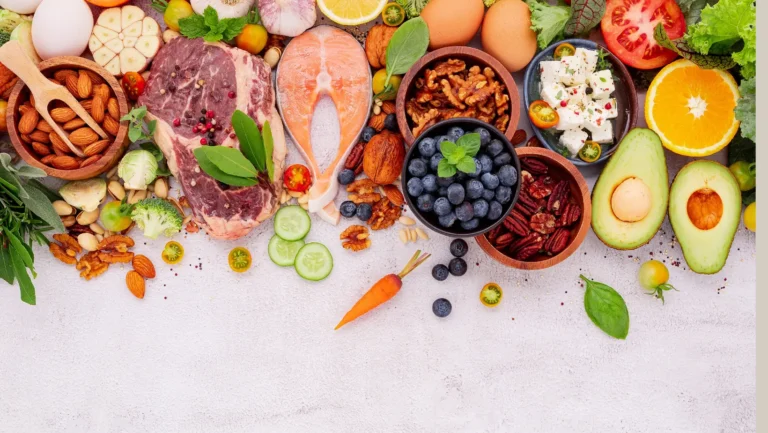
- Replace saturated fats (butter, red meat, full-fat dairy) with polyunsaturated fats (walnuts, fatty fish, flaxseed). Research published in Nutrients (2023) shows this substitution can lower LDL by more than 10%.
- Add 5-10 grams of soluble fiber daily through oats, barley, beans, and apples. Soluble fiber traps cholesterol in the gut before it enters the bloodstream.
- Use 2 grams of plant sterols daily. This reduces cholesterol absorption and can lower LDL by 10-15%.
- Do 150 minutes of moderate aerobic exercise weekly. Even a 30-minute daily walk raises HDL and helps the body clear LDL faster.
These changes are meaningful. But for people with FH or established heart disease, medication is nearly always required alongside them.
Medications: The Treatment Options for High Cholesterol When Lifestyle Is Not Enough
The 2026 ACC/AHA dyslipidemia guideline update confirms a clear medication hierarchy:
- Statins (atorvastatin, rosuvastatin): First-line therapy. High-intensity statins reduce LDL by 50% or more.
- Ezetimibe: Blocks cholesterol absorption in the gut. Reduces LDL by about 20%. Added when statins alone fall short.
- PCSK9 inhibitors (evolocumab, alirocumab): Injectable biologics given every two to four weeks. Reduce LDL by 50-60% on top of statin therapy. Used in very high-risk patients or FH.
- Bempedoic acid: An oral option for people who cannot tolerate statins. Lowers LDL by approximately 20-25%.
FAQs
Can high cholesterol affect the eyes or face?
Yes. Xanthelasma (yellow eyelid patches) and corneal arcus in adults under 45 are visible cholesterol deposits. Tendon xanthomas appear on the Achilles. These occur mainly in severe or genetic hypercholesterolemia.
Why is high cholesterol called a silent condition?
High cholesterol produces no pain, fatigue, or detectable feeling. Symptoms only appear after arterial plaque restricts blood flow, which can take decades. Blood testing is the only early-detection method.
Can high cholesterol cause headaches or fatigue?
Not directly. If plaque significantly narrows carotid arteries, reduced brain blood flow can cause cognitive sluggishness. But attributing headaches to cholesterol without a blood test is not clinically supported.
What happens if high cholesterol goes untreated?
Untreated high LDL accelerates atherosclerosis. People with FH who go untreated face a 20-fold higher heart attack risk before age 50 compared to the general population.
How can I lower high cholesterol naturally?
Replace saturated fats with polyunsaturated fats, add soluble fiber, use plant sterols, and do 150 minutes of aerobic exercise weekly. Lowering high cholesterol naturally through diet and exercise can reduce LDL by 20-30%. Medication is still needed if LDL stays above target after 12 weeks.
How often should cholesterol levels be checked?
Every four to six years for healthy adults starting at age 20, per CDC guidelines. Annually if you have diabetes, heart disease, or a family history of FH. Children with a family history of FH should be screened starting at age 2.
Sources
- CDC High Cholesterol Facts
- CDC NHANES Data Brief No. 515 — Total and HDL Cholesterol in Adults
- Mayo Clinic — Claudication: Symptoms and Causes
- Mayo Clinic — Familial Hypercholesterolemia
- Family Heart Foundation — Diagnosing FH
- American College of Cardiology — 2026 ACC/AHA Dyslipidemia Guideline Update
- CDC — About Peripheral Arterial Disease
- Vascular Disease Patient Information Page: PAD 2025 Update
- Atherosclerosis — Physical Signs in Familial Hypercholesterolemia (ScienceDirect)
- NCBI Bookshelf — Guidelines for the Management of Dyslipidemia (Endotext)