
The best food for healthy skin delivers specific nutrients your skin cells use to build collagen, control oil, and repair damage daily. Skin is the body’s largest organ, and it renews itself roughly every 28 to 40 days using raw materials that come straight from your plate.
A 2025 study from the University of Otago found that blood vitamin C levels track almost exactly with vitamin C levels inside the skin itself, more closely than in any other organ tested. That means foods for glowing skin naturally shape skin structure within weeks, not years.
The 7 Nutrients That Matter More Than “Superfoods” for Healthy Skin
Your skin runs on seven specific nutrients, and most diets are missing at least two or three of them without anyone noticing. Each nutrient does a distinct job inside skin tissue, from building structure to controlling oil. Among them, foods rich in vitamin C for glowing skin matter most, since collagen production depends on this one nutrient more than any other.
Vitamin C – The Collagen Builder
Collagen is the protein scaffold that keeps skin firm. Your body can’t build it without vitamin C, since vitamin C acts as a required helper molecule for two enzymes that stitch collagen fibers together.
Without enough vitamin C, the body still tries to make collagen, but the fibers come out weak and disorganized. This single nutrient is why vitamin C sources dominate almost every list of the best food for healthy skin. The Otago research found that people who increased their vitamin C intake through food, not supplements, showed measurably thicker, more hydrated skin within weeks.
Omega-3 Fatty Acids – The Inflammation Controller
Omega-3s, especially EPA and DHA, calm inflammatory signals that break down collagen and trigger breakouts. Skin with chronic low-grade inflammation ages faster and reacts more to acne triggers. Omega-3s also reinforce the skin’s natural oil barrier, which keeps moisture in and irritants out.
Zinc – The Sebum Regulator
Zinc controls how much oil your sebaceous glands produce and helps regulate the hormone pathways linked to acne flare-ups. Low zinc levels show up repeatedly in people with moderate to severe acne. Zinc also speeds wound healing, which matters for fading acne scars faster.
Polyphenols – The Cellular Protectors
Polyphenols are plant compounds that absorb damage from UV exposure and pollution before it reaches your skin cells. A 2024 systematic review of skin photoaging trials found that polyphenol and flavanol supplementation reduced visible sun damage and improved skin elasticity compared to placebo. Berries, green tea, and dark chocolate carry the highest concentrations.
Protein – The Structural Foundation
Collagen, elastin, and keratin are all proteins. Without enough dietary protein, your body prioritizes muscle and organ repair over skin renewal, leaving skin thinner and slower to heal. Aim for a palm-sized protein portion at each meal rather than loading it all into one sitting.
Vitamin A & Carotenoids
Vitamin A regulates how skin cells turn over and shed, which keeps pores from clogging. Carotenoids, the orange and red pigments in foods like carrots and tomatoes, convert into vitamin A and also act as antioxidants inside skin tissue. Too much preformed vitamin A from supplements can be toxic, so food sources are the safer route.
Ceramide-Supporting Nutrients
Ceramides are fat molecules that cement skin cells together, forming the barrier that locks in moisture. Foods rich in linoleic acid, like sunflower seeds and walnuts, supply the building blocks your skin uses to manufacture its own ceramides. A weak ceramide barrier shows up as dry, flaky, or easily irritated skin.
Best Food for Healthy Skin
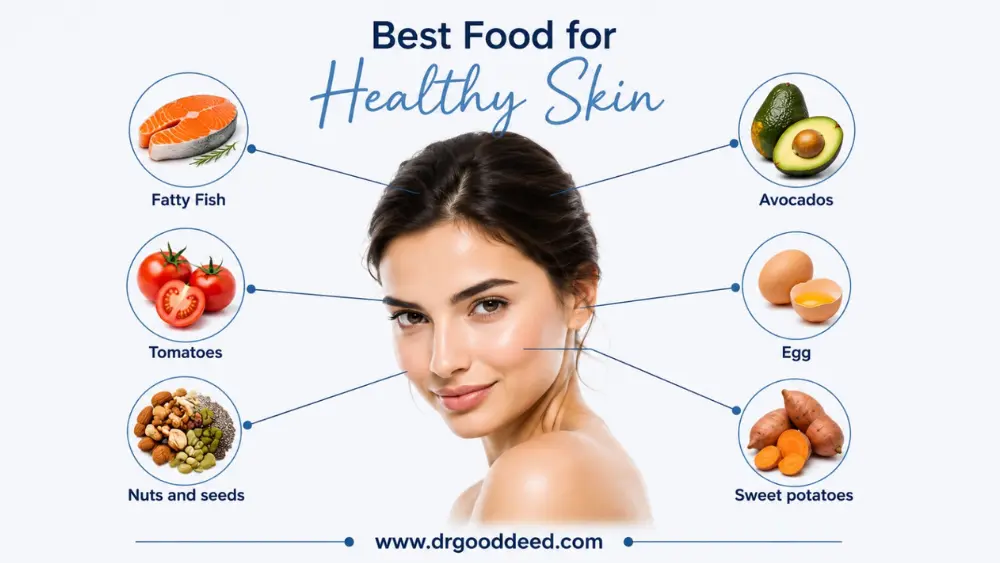
Five foods consistently outperform the rest because they deliver multiple skin nutrients at once instead of just one. The best food for healthy skin is food with repeated clinical backing for skin structure, hydration, and inflammation control. Add these first before chasing anything more obscure.
Fatty Fish
Salmon, mackerel, and sardines deliver omega-3s directly, along with vitamin D and high-quality protein. Two to three servings weekly is the amount most research ties to measurable skin benefits, making fatty fish a strong candidate for the title of best food for healthy skin.
Avocados
Avocados combine healthy monounsaturated fat with vitamin E, which works alongside vitamin C as an antioxidant pair inside skin cells. The fat content also helps your body absorb fat-soluble nutrients from other foods eaten in the same meal.
Tomatoes
Tomatoes are the top dietary source of lycopene, a carotenoid linked to reduced sunburn sensitivity in several small trials. Cooking tomatoes in olive oil increases lycopene absorption significantly compared to eating them raw.
Nuts and Seeds
Walnuts and almonds, sunflower seeds, and almonds supply zinc, vitamin E, and the linoleic acid your skin needs for its ceramide barrier. A small daily handful covers a meaningful share of your zinc requirement.
Leafy Green Vegetables
Spinach and kale carry vitamin A, vitamin C, and lutein, a carotenoid that helps protect skin from light-related oxidative stress. They’re also low in calories relative to their nutrient density, making them easy to eat in volume.
Best Fruits for Healthy Skin
Fruit gets dismissed as “just sugar,” but the right fruits deliver concentrated vitamin C, water content, and polyphenols that few other food groups match. The best fruits for healthy skin combine hydration with antioxidant density, a pairing your skin barrier specifically depends on, and they belong on any list of the best food for healthy skin overall.
Oranges
One medium orange delivers close to a full day’s vitamin C requirement, supporting collagen synthesis directly.
Papaya
Papaya contains papain, an enzyme that helps exfoliate dead skin cells, plus vitamin C and vitamin A for cell turnover.
Kiwi
Kiwifruit was the exact food used in the 2025 Otago vitamin C study, and it delivers more vitamin C per calorie than most citrus fruits.
Watermelon
Watermelon is over 90 percent water and contains lycopene, making it one of the few fruits that hydrates and protects against UV damage at the same time.
Pomegranate
Pomegranate ranks among the best fruits for healthy skin because its polyphenols, called punicalagins, have shown protective effects against UV-induced skin damage in laboratory studies, and these compounds are unique to this plant.
Berries
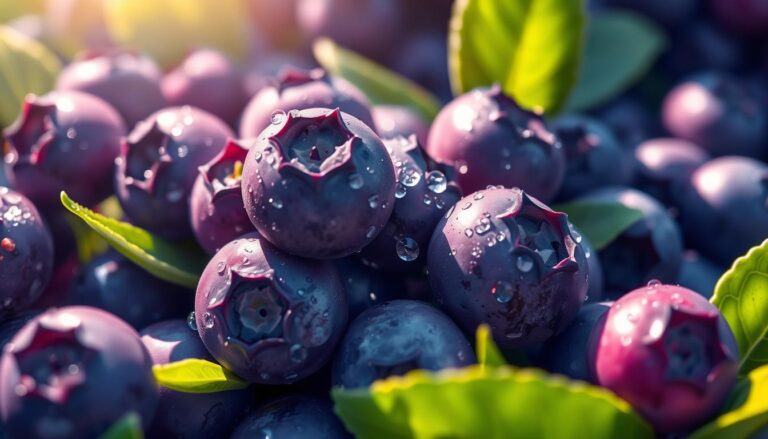
Blueberries, strawberries, and blackberries carry some of the highest polyphenol concentrations of any fruit, making them a standout among the best fruits for healthy skin and supporting the cellular protection described earlier in this guide.
Foods Rich in Vitamin C for Glowing Skin
Vitamin C is a hard biological requirement for collagen production, and most people fall short without realizing it. Foods rich in vitamin C for glowing skin work better than supplements because food-based vitamin C arrives with cofactors like flavonoids that improve how your body uses it, making citrus and produce some of the most reliable picks for the best food for healthy skin.
Citrus Fruits
Oranges, grapefruits, and lemons deliver fast-acting vitamin C with minimal prep needed.
Guava
Guava actually outranks oranges, delivering roughly four times the vitamin C per 100 grams compared to a typical orange.
Strawberries
Eight medium strawberries supply close to 100 percent of the daily vitamin C target, along with skin-protective polyphenols.
Bell Peppers
Red bell peppers carry more vitamin C, gram for gram, than most citrus fruits, and they hold up well in cooked dishes.
Broccoli
Broccoli pairs vitamin C with sulforaphane, a compound studied for its role in protecting skin cells from UV-related stress.
Best Foods for Acne-Prone Skin
Acne responds to diet more than dermatology advice from a decade ago suggested. A 12-week randomized controlled trial published in 2024 found that a low-glycemic-load diet measurably reduced acne severity and lesion counts compared to a standard diet.
The best foods for acne-prone skin target the same hormonal and inflammatory pathways researchers have mapped over the past two decades.
Fatty Fish Rich in Omega-3s
Omega-3s reduce the inflammatory compounds that turn a clogged pore into a swollen, red breakout.
Green Vegetables
Low in sugar and high in fiber, green vegetables help stabilize blood sugar swings that drive oil production.
Zinc-Rich Foods
Pumpkin seeds, chickpeas, and lentils belong on any list of the best foods for acne-prone skin, since they support the same oil-regulating pathway described in the nutrients section above.
Fermented Foods
Yogurt, kefir, and sauerkraut support gut bacteria that influence skin inflammation through what researchers call the gut-skin axis.
Low-Glycemic Foods
Replacing white bread, sugary cereal, and soda with whole grains and legumes is the single change among the best foods for acne-prone skin with the strongest trial evidence to date.
Practical Skin-Focused Eating Strategy
The best food for healthy skin only works if it shows up on your plate consistently, not occasionally. This section turns the science above into two simple tools: a plate formula for every meal and a weekly checklist for foods that need consistency rather than perfection.
The “Skin Plate Formula”
Build each plate using this ratio, the core structure behind the best diet for healthy skin:
- ½ colorful plants: Vegetables and fruits supply the vitamin C, carotenoids, and polyphenols your skin uses for collagen and antioxidant defense.
- ¼ quality protein: Fish, eggs, poultry, or legumes supply amino acids for collagen, elastin, and keratin production.
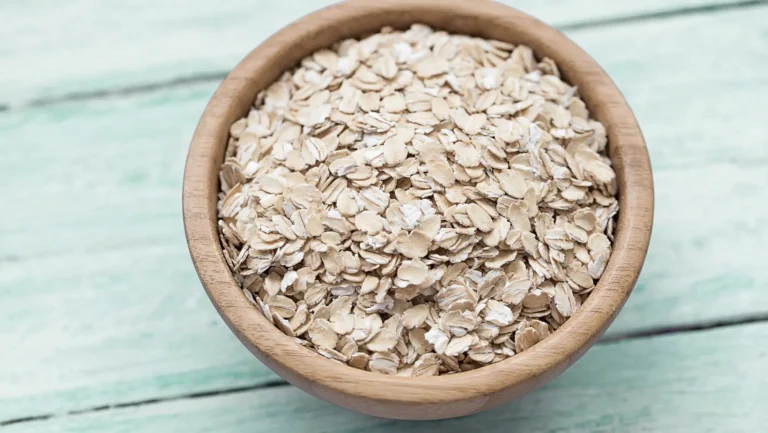
- ¼ whole-food carbohydrates: Oats, quinoa, and sweet potatoes provide steady energy without the blood sugar spikes linked to acne.
- 1 source of healthy fat: Olive oil, avocado, or nuts help your body absorb vitamin A, vitamin E, and lycopene from the other foods on the plate.
This ratio works because each component supports a different biological function. Skip the fat, and you lose absorption of several key nutrients. Skip the protein, and collagen production slows down regardless of how much vitamin C you eat.
The Weekly Skin Nutrition Checklist
Use this as a simple weekly target for foods for glowing skin naturally, rather than a strict daily rule, and it doubles as a shortcut to the best food for healthy skin without overthinking every meal:
- Fatty fish: 2 to 3 times per week
- Fermented foods: daily
- Vitamin C foods: daily
- Nuts or seeds: daily
- Deep-colored fruits and vegetables: daily
How Long Does It Take for Food to Improve Skin?
Skin cells at the surface turnover roughly every 28 to 40 days, depending on age, so visible texture changes typically take four to six weeks of consistent eating. Collagen-related improvements, like firmness and hydration, take longer, often eight to twelve weeks, since collagen remodeling happens deeper in the dermis at a slower pace.
Acne-related dietary changes can show partial improvement within two to four weeks, based on the timeline used in recent low-glycemic-load acne trials, though full results usually need the full 12-week period researchers typically study.
FAQs
Which foods help skin glow naturally?
Kiwi, citrus fruits, fatty fish, and red bell peppers top the list. They combine vitamin C for collagen with omega-3s for hydration, producing visible texture changes within four to six weeks of daily intake.
What is the best diet for healthy skin?
A Mediterranean-style pattern built on fatty fish, olive oil, colorful vegetables, and nuts ranks as the best diet for healthy skin in dermatology research, showing measurable gains in hydration, elasticity, and reduced inflammatory acne markers.
Can diet improve acne-prone skin?
Yes. A 2024 randomized controlled trial found a 12-week low-glycemic-load diet significantly reduced acne lesion counts compared to a standard diet, confirming diet’s direct role in acne severity.
Which vitamins are most important for skin health?
Vitamin C ranks first for collagen synthesis, followed by vitamin A for cell turnover and vitamin E for antioxidant protection. All three work better from food than from isolated supplements.
What foods help increase collagen production?
Citrus fruits, bell peppers, guava, and strawberries top the list of foods rich in vitamin C for glowing skin because vitamin C drives collagen synthesis directly. Pair them with eggs or fish for the needed amino acids.
Can drinking water improve skin appearance?
Yes, moderately. Adequate hydration supports skin elasticity and barrier function, but water alone can’t replace the vitamin C, zinc, and omega-3s skin needs for structural repair.
Which foods should I avoid for better skin?
High-glycemic foods like white bread, sugary cereal, and soda worsen acne by spiking insulin and oil production. Limiting them produced measurable lesion reduction in 2024 dietary trials.
Are nuts and seeds good for skin health?
Yes. Walnuts and sunflower seeds supply zinc and linoleic acid, both required for the skin’s ceramide barrier. A small daily handful covers a meaningful share of daily zinc needs.
Can healthy eating slow skin aging?
Yes. Diets rich in polyphenols and vitamin C reduced visible UV damage and improved skin elasticity in a 2024 meta-analysis of photoaging trials, confirming a measurable anti-aging effect from food alone.
Sources
- University of Otago: Dietary Vitamin C and Skin Collagen Study, Journal of Investigative Dermatology, 2025
- Effectiveness of Dietary Supplements for Skin Photoaging: Systematic Review and Meta-Analysis, 2024
- Effect of a Low-Glycemic-Load Diet on Acne Vulgaris Severity: Randomized Controlled Trial, Cureus, 2024
- Dietary Supplementation with Collagen and Vitamin C on Skin Density and Texture: Randomized Controlled Trial, Nutrients, 2024