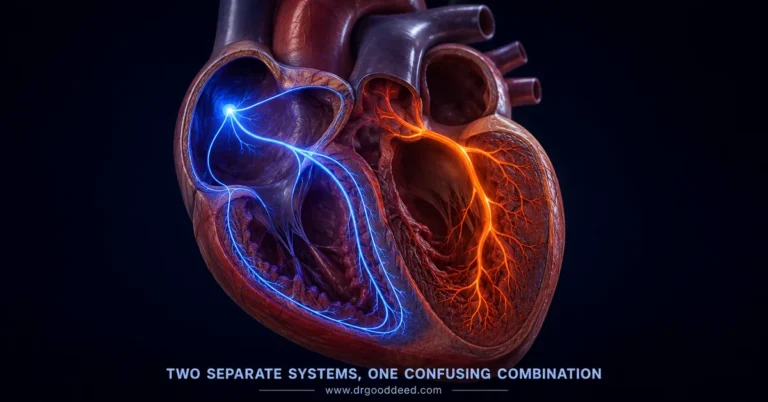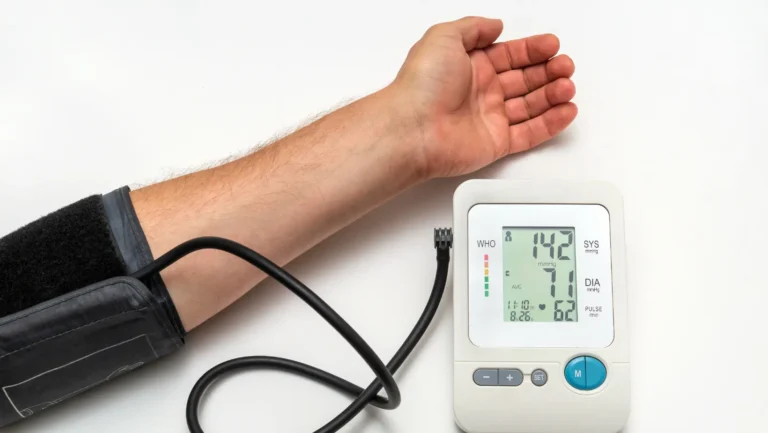

Yes, dehydration can cause high blood pressure. Mild to moderate dehydration usually triggers a short-term rise in blood pressure, not a drop. The World Health Organization classifies adequate hydration as essential for normal cardiovascular function, and low fluid volume forces the body into a hormone-driven survival response that tightens blood vessels.
This guide covers the exact mechanisms, the early warning symptoms, and rehydration steps that bring readings back to normal, all explained in plain language.
Does Dehydration Raise Blood Pressure?
It’s not a simple math problem. Less water in the body doesn’t automatically mean lower blood pressure, and treating it that way misses what’s actually happening hormonally. Dehydration cannot cause high blood pressure in every case, direction depends on severity and duration. The body fights mild fluid loss aggressively, and that fight changes your numbers before any volume crash sets in.
The same dehydration that raises pressure early can eventually lower it once compensation fails. Dehydration can cause high blood pressure and low blood pressure both, depending on which stage of fluid loss the body is in, not on dehydration as one fixed event.
Hormonal Responses to Dehydration
The brain detects dropping fluid levels within minutes and releases vasopressin, also called antidiuretic hormone (ADH). This hormone tells the kidneys to hold onto water immediately, and it also narrows blood vessels on its own, independent of its water-retention job. Both effects happen before a person even feels thirsty.
Activation of the Renin-Angiotensin System
Lower blood volume triggers the kidneys to release renin, an enzyme that starts a hormone chain reaction. Renin converts into angiotensin II, a powerful vessel-narrowing compound that also stimulates aldosterone and more vasopressin release. This is the same system ACE inhibitors and ARBs target to lower pressure in chronic hypertension.
Increased Vascular Resistance
When blood vessels narrow, the same amount of blood has to push through a smaller space. That added resistance is a direct, measurable contributor to higher blood pressure readings, and it shows up on a cuff within minutes.
Impact on Blood Pressure Regulation
These hormone systems exist to protect blood pressure from crashing when fluid is scarce. The tradeoff is that the same protection can push numbers higher than normal, especially in people who already have hypertension or kidney disease.
Current research suggests chronic mild dehydration is a contributing stressor on blood pressure control, not a standalone cause of diagnosed hypertension on its own. This is also a major reason dehydration raises blood pressure, showing inconsistent answers across different health websites, since most don’t separate mild dehydration from severe fluid loss.
What Happens Inside the Body When You Become Dehydrated?
Dehydration isn’t a single event. It’s a fluid conservation emergency state, where multiple organs react in sequence within minutes to protect blood flow to the brain and heart at the expense of everything else, including skin, digestion, and muscle tissue.
Blood Volume Drops
Less water in the bloodstream means less total blood volume circulating. The heart has less fluid to pump with each beat, which on its own can momentarily lower pressure before compensation kicks in. This brief dip is part of why some people feel lightheaded before their pressure rebounds upward.
The Brain Activates a Survival Response
The hypothalamus senses rising blood concentration and triggers thirst along with vasopressin release. This isn’t a gradual adjustment, it’s closer to an alarm system flipping on, often before a person consciously feels thirsty.
The Kidneys Switch Into Conservation Mode
Kidneys cut urine output and pull sodium and water back into the bloodstream instead of releasing them. Dark, concentrated urine is the visible result, and often the first physical sign people notice.
Blood Vessels Tighten
Angiotensin II and vasopressin both narrow blood vessels at the same time, working through separate pathways. This dehydration causing blood vessel constriction is why blood pressure often climbs rather than falls in the early hours of fluid loss, before volume loss becomes severe enough to overwhelm the system.
The 4 Biological Mechanisms That Can Cause High Blood Pressure During Dehydration
Each mechanism works on its own, not as one combined process. Understanding them separately explains why dehydration, causing blood vessel constriction affects different people’s blood pressure differently depending on age, kidney function, and existing heart conditions.
Increased Vasopressin (ADH)
Vasopressin acts directly on blood vessel walls through V1 receptors, causing constriction independent of its water-retention job through V2 receptors in the kidney. Research published in StatPearls confirms vasopressin’s blood-pressure role is distinct from its kidney function, meaning the two effects can be studied and even treated separately.
Activation of the Renin-Angiotensin-Aldosterone System (RAAS)
RAAS adds a second layer on top of vasopressin. Angiotensin II narrows vessels, triggers aldosterone release, and that aldosterone makes kidneys retain even more sodium and water, compounding the pressure increase over hours rather than minutes. This layered timing is part of why blood pressure during dehydration tends to climb gradually rather than spike instantly.
Elevated Stress Hormones
Dehydration activates the sympathetic nervous system, raising norepinephrine levels. A classic study on dehydrated rats found norepinephrine and vasopressin rose together and tracked closely with sustained blood pressure during fluid restriction.
Increased Blood Viscosity
Less plasma water makes blood thicker, adding mechanical resistance on top of the dehydration causing blood vessel constriction already underway. This combination is the clearest single proof that dehydration can cause high blood pressure through more than one pathway at once.
Symptoms of Dehydration
Catching dehydration early prevents it from compounding into a bigger blood pressure problem. These symptoms often appear in a predictable order, starting subtle and escalating if fluid intake doesn’t catch up.
- Thirst: the first obvious signal, though it often appears after fluid loss has already begun.
- Dry mouth: reduced saliva production as the body prioritizes water for vital organs.
- Dark urine: a direct visible marker of kidney conservation mode, and a reliable home indicator.
- Fatigue: lower blood volume means less oxygen delivery to muscles and the brain.
- Dizziness: a temporary drop in brain blood flow when standing up quickly.
- Headaches: reduced fluid cushioning and vessel tension changes both contribute, often worsening by midafternoon.
Rehydration Strategies for Healthy Blood Pressure
Rehydration strategies for healthy blood pressure work best when they’re specific to the cause of fluid loss, not just “drink more water” advice repeated everywhere online. Since dehydration can cause high blood pressure, it depends on the stage of fluid loss, the right rehydration approach has to match that stage rather than apply one generic fix.
Drinking Fluids Consistently
Spreading fluid intake across the day works better than drinking a large amount at once. Steady intake is one of the simplest rehydration strategies for healthy blood pressure, smoothing out the swings that come from irregular drinking habits.
Replacing Lost Electrolytes
Sodium and potassium loss through sweat or illness needs replacing alongside water. Plain water without electrolytes can dilute sodium levels further in cases of heavy fluid loss.
Monitoring Blood Pressure Before and After Rehydration
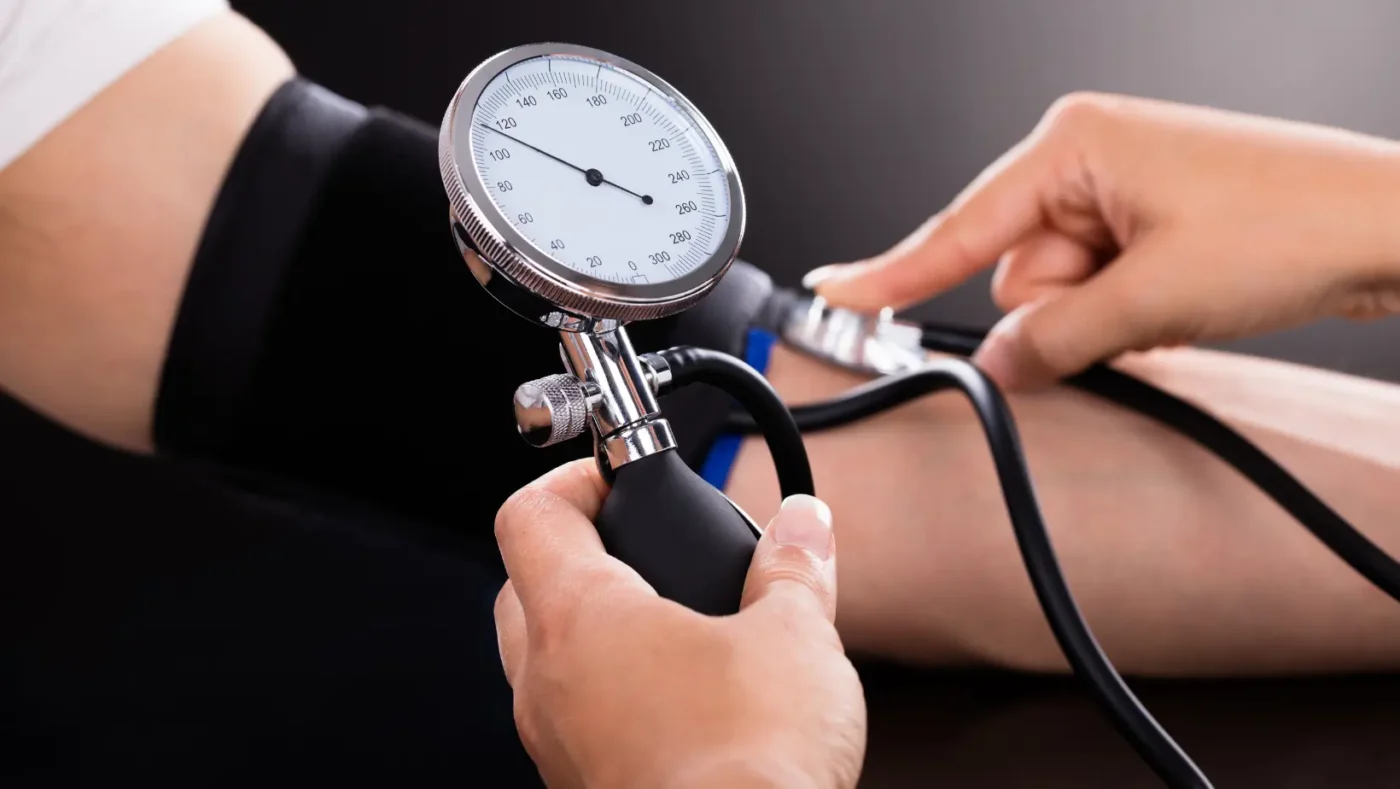
Checking readings before drinking fluids and again 30 to 60 minutes later shows individuals exactly how dehydration can cause high blood pressure plays out in their own body, since the link varies by person, medication use, and kidney function.
Identify the Cause of Fluid Loss
Sweating, vomiting, diarrhea, and frequent urination from medications each call for different rehydration approaches. One of the most effective rehydration strategies for healthy blood pressure is stopping the fluid loss at its source.
Create a Personal Hydration Threshold
Urine color, thirst timing, and energy dips can help build a personal baseline for how much water to drink for optimal hydration, rather than relying on a generic daily ounce target that ignores climate, activity, and body size.
Best Drinks for Hydration

The question of whether dehydration can cause high blood pressure also depends partly on what’s replacing the lost fluid, since sugary or caffeinated drinks don’t rehydrate the same way water does.
| Drink | Why It Helps |
| Water | The baseline standard, calorie-free and immediately absorbed |
| Oral Rehydration Solutions | Precise sodium-glucose ratios for fast absorption during illness |
| Milk | Contains protein, sodium, and potassium that slow fluid loss |
| Coconut Water | Naturally rich in potassium, useful after sweating |
| Electrolyte Beverages | Replace sodium and potassium lost through sweat during exercise |
Coffee and alcohol both have mild diuretic effects, meaning they increase fluid loss rather than prevent it, so they shouldn’t count toward daily hydration totals despite containing water.
Foods That Support Hydration
Water-rich foods contribute meaningfully to daily fluid intake, often without people realizing it. This is one overlooked answer to how much water to drink for optimal hydration, since roughly 20% of daily fluid intake comes from food rather than drinks.
- Watermelon: about 92% water by weight, plus potassium that supports healthy vessel tone.
- Cucumbers: nearly 95% water, among the highest of any common food.
- Oranges: combine water content with potassium and vitamin C for added vessel support.
- Strawberries: high water content alongside antioxidants linked to vascular health.
- Lettuce: mostly water, making salads a quiet hydration source most people underestimate.
- Celery: high water and natural sodium content, useful for replacing electrolytes after sweating heavily.
FAQ
Does dehydration raise blood pressure temporarily?
Yes, mild to moderate dehydration typically raises blood pressure within minutes through vasopressin and RAAS activation. The rise usually reverses within an hour of adequate rehydration in healthy adults.
Why does dehydration cause blood vessel constriction?
Vasopressin and angiotensin II both narrow blood vessels directly to protect blood flow to vital organs. This is a survival mechanism, not a malfunction, triggered specifically by low blood volume.
Can dehydration affect heart health?
Yes. Chronic dehydration increases blood viscosity, raises resting heart rate, and adds strain to arterial walls over time, contributing to long-term cardiovascular stress beyond a single blood pressure spike.
How much water should I drink daily?
The National Academies of Sciences recommend about 3.7 liters daily for men and 2.7 liters for women, including fluids from food. Activity level and climate raise this requirement.
Can dehydration cause headaches and dizziness?
Yes. Reduced blood volume lowers blood flow to the brain temporarily, especially when standing, causing dizziness. Headaches result from both reduced fluid cushioning and vessel tension changes.
Does dehydration always increase blood pressure?
No. Severe dehydration eventually drops blood pressure once compensation mechanisms fail. Mild dehydration raises pressure; advanced fluid loss without treatment causes a dangerous drop instead.
Can severe dehydration cause low blood pressure?
Yes. Once blood volume loss exceeds what vasopressin and RAAS can compensate for, blood pressure falls sharply, sometimes causing fainting. This is a medical emergency requiring immediate fluid replacement.
How can I tell if I am properly hydrated?
Pale yellow urine, infrequent thirst, and stable energy levels indicate proper hydration. Dark urine, persistent thirst, and dry mouth together signal it’s time to increase fluid intake.