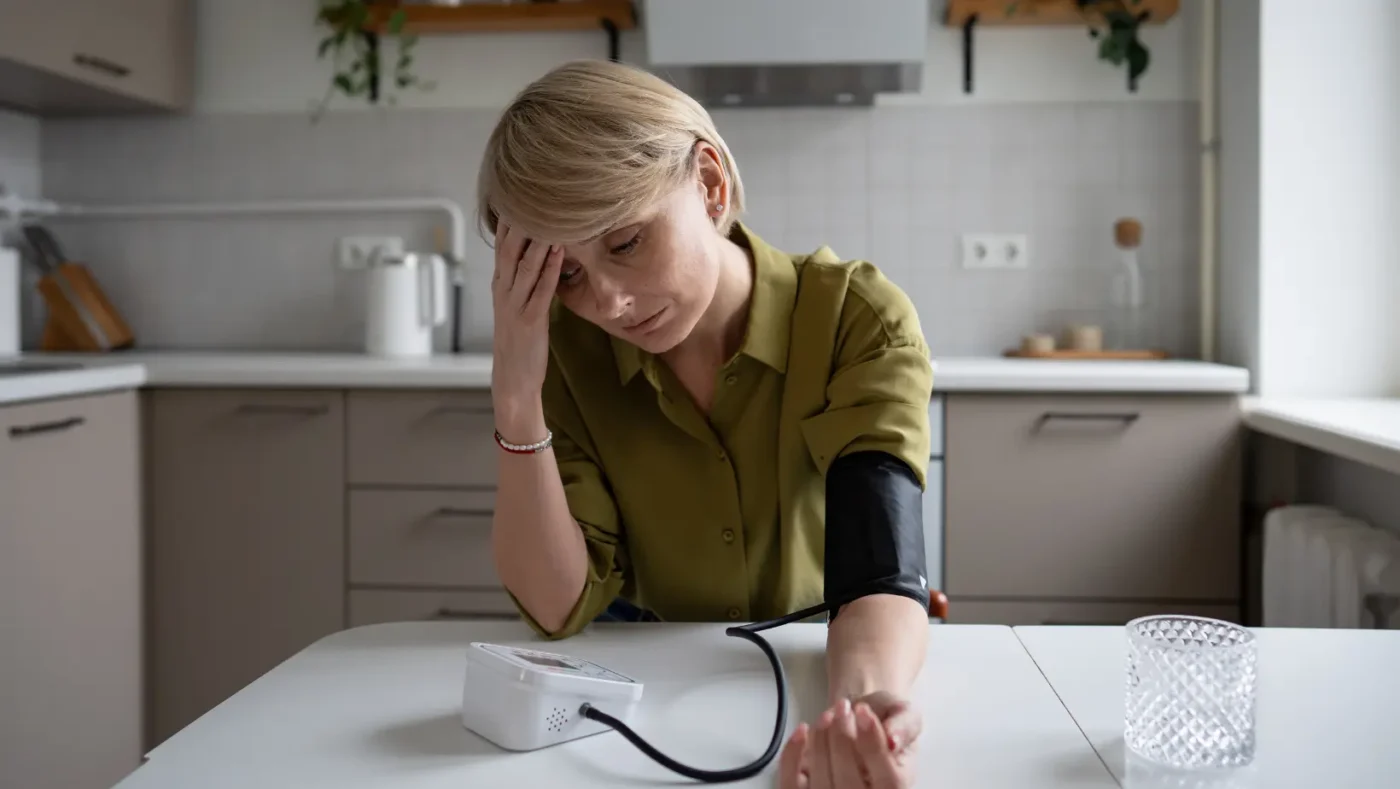

High blood pressure in the morning is one of the most common, and least discussed, patterns in cardiovascular medicine. Blood pressure naturally rises before you wake up, driven by hormones and the nervous system preparing your body for the day. But when that rise becomes exaggerated or stays elevated for hours, the risk of stroke, heart attack, and organ damage increases significantly.
According to the American Heart Association, the Ohasama study found that isolated morning hypertension (readings of 135/85 mmHg or higher in the morning) raised stroke risk by 2.66 times compared to normal readings.
A Morning Blood Pressure Rise Is Normal
Blood pressure follows a 24-hour circadian rhythm. It dips 10 to 20% during sleep, then begins rising in the early morning hours, typically between 4 AM and 10 AM. This rise is the body’s way of preparing for activity. Problems begin when the surge becomes exaggerated or when blood pressure fails to dip at night at all.
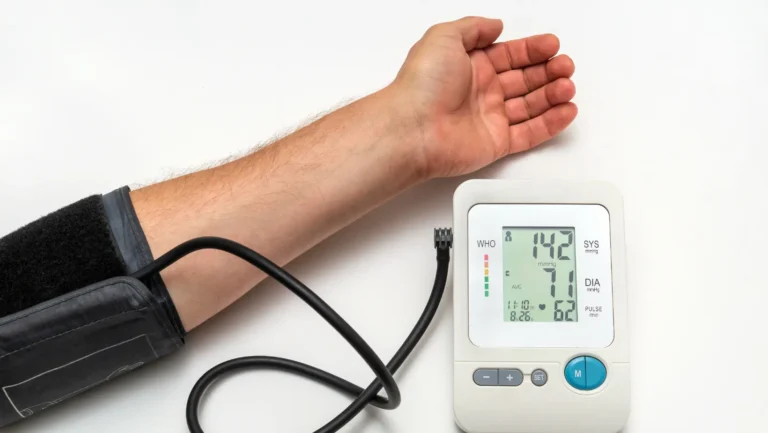
A healthy morning reading at home is below 135/85 mmHg. Consistently reading above this threshold before taking medication or caffeine signals a pattern worth discussing with a doctor.
Why Morning Blood Pressure Rises
Morning high blood pressure causes trace back to three overlapping biological events that happen simultaneously each morning.
The Cortisol Awakening Response
Cortisol levels surge 38 to 75% within the first 30 to 45 minutes after waking. This is called the Cortisol Awakening Response (CAR), well documented in research published in Frontiers in Neuroscience (2022). Cortisol tells blood vessels to constrict and primes the cardiovascular system for physical and mental demands. In people with exaggerated cortisol responses, morning blood pressure can spike dramatically.
Sympathetic Nervous System Activation
The sympathetic nervous system, your body’s “fight or flight” system, ramps up at waking. This releases adrenaline, which speeds the heart rate and narrows arteries. Both effects directly raise blood pressure. This is a normal mechanism, but it amplifies any pre-existing hypertension.
Blood Vessel Readiness for Daytime Activity
Arteries stiffen slightly overnight. At waking, they readjust to accommodate increased cardiac output. In people with arterial stiffness from aging or chronic hypertension, this transition is less smooth. The result is a sharper, more prolonged blood pressure spike.
7 Reasons Your Morning Blood Pressure May Be Higher Than Expected
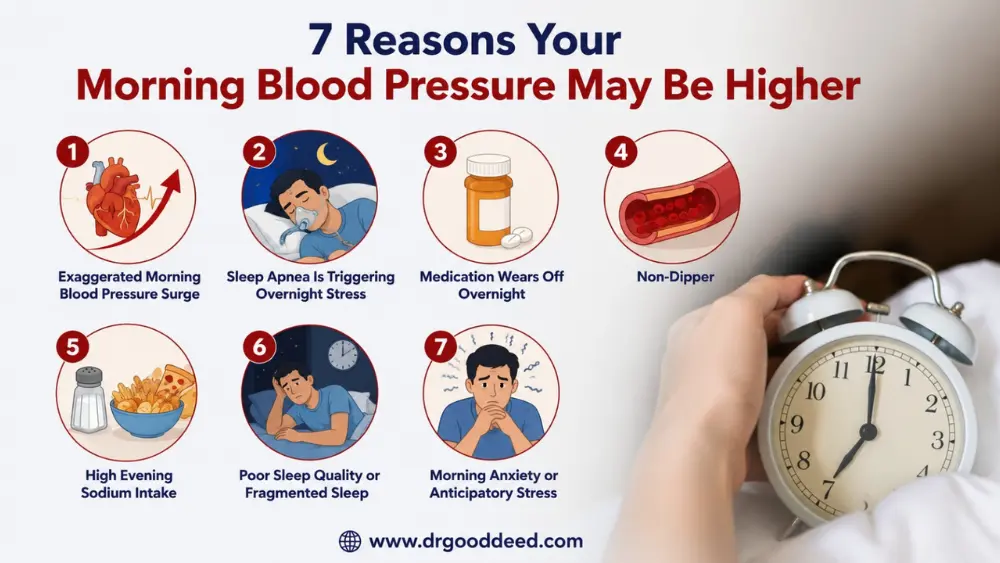
Morning high blood pressure causes are not always obvious. These are the seven most clinically significant ones.
You Have an Exaggerated Morning Blood Pressure Surge
Some people’s blood pressure climbs more than 55 mmHg above their nighttime trough reading. This is called an exaggerated morning surge. Research published in Scientific Reports (2026) confirmed this pattern significantly raises cerebrovascular risk, particularly in older adults with existing hypertension.
Sleep Apnea Is Triggering Overnight Stress Responses
Obstructive sleep apnea (OSA) causes repeated oxygen drops during sleep. Each episode activates the sympathetic nervous system and raises blood pressure. OSA patients are far more likely to be “non-dippers” (those whose blood pressure stays high through the night) and present with high blood pressure in the morning that does not respond well to standard medication.
Clinically, morning hypertension above 135/85 mmHg that resists treatment is a red flag for undiagnosed sleep apnea.
Your Blood Pressure Medication Wears Off Overnight
Most once-daily blood pressure medications lose effectiveness after 18 to 22 hours. If you take your medication in the morning, its protective effects may weaken before the next morning’s natural surge.
A 2026 meta-analysis in Scientific Reports found that evening medication dosing reduced morning blood pressure surge by an average of 7 mmHg compared to morning dosing, specifically in patients with documented morning surges.
You Are a “Non-Dipper”
In healthy individuals, blood pressure drops 10 to 20% during sleep. Non-dippers have less than 10% drop. Risers actually have higher blood pressure at night than during the day.
Both patterns strongly predict cardiovascular events. The 2022 HOPE Asia Consensus Statement recommends treating morning hypertension to below 135/85 mmHg in non-dippers regardless of office readings.
High Evening Sodium Intake
High sodium intake in the evening raises blood volume overnight. This effect is stronger in people who are sodium-sensitive, a pattern more common in older adults and Black Americans.
Higher blood volume means higher pressure when the morning surge kicks in. Cutting sodium at dinner specifically reduces morning readings in salt-sensitive hypertension.
Poor Sleep Quality or Fragmented Sleep
Each time you wake briefly during the night, your sympathetic nervous system activates. Fragmented sleep produces multiple small cortisol and adrenaline bursts overnight.
By morning, these have cumulatively elevated your baseline, contributing to high blood pressure in the morning even if you have no formal sleep disorder.
Morning Anxiety or Anticipatory Stress
The anticipation of a stressful day raises cortisol before you even get out of bed. Research in PLOS ONE confirmed that people who mentally review upcoming demands in the first minutes of waking show higher cortisol responses.
For people already prone to anxiety, this creates a cortisol-adrenaline-blood pressure chain reaction each morning.
Morning Blood Pressure Spikes Symptoms
Morning blood pressure spikes symptoms are often absent, which is why this pattern is called the “silent killer” phenomenon.
When symptoms do appear, they can include:
- Headaches after waking
- Dizziness
- Blurred vision
- Fatigue
- Heart palpitations
Headaches After Waking
A dull or pounding headache felt at the back of the head shortly after waking is a classic sign of high blood pressure in the morning. It often resolves within an hour as blood pressure normalizes.
Persistent or severe headaches with readings above 180/120 mmHg require immediate medical attention.
Dizziness
Dizziness with high blood pressure after waking up occurs when rapidly rising blood pressure shifts blood flow. Standing up quickly after waking makes this worse. This symptom is more common in older adults and people taking certain medications.
Blurred Vision
Sudden blurred vision at waking can result from high pressure affecting small blood vessels in the eyes. This should never be dismissed. Combined with a severe headache, it signals a possible hypertensive emergency.
Fatigue
Persistent fatigue upon waking, despite adequate sleep duration, can result from nocturnal hypertension disrupting restorative sleep stages. This is particularly common in non-dippers.
Heart Palpitations
Feeling the heart beat hard or fast at waking reflects the sympathetic nervous system surge. In people with high blood pressure in the morning, this can feel more pronounced because the cardiovascular system is working against higher resistance.
Often No Symptoms at All
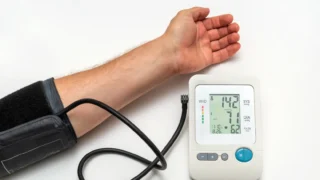
Most people with morning hypertension feel nothing. Readings can reach 160/100 mmHg or higher without any warning. This is why home blood pressure monitoring in the morning is the only reliable way to detect this pattern.
How to Lower Morning Blood Pressure Naturally
How to lower morning blood pressure naturally starts with the hours before sleep, not after waking.
Improving Sleep Quality
Seven to nine hours of quality, uninterrupted sleep stabilizes cortisol rhythms. People with sleep apnea should pursue treatment, as CPAP therapy in OSA patients reduces morning blood pressure by an average of 2 to 3 mmHg and normalizes non-dipper patterns in many cases.
Reducing Sodium Intake
Target less than 2,300 mg of sodium daily, and specifically avoid high-sodium foods at dinner. Soup, deli meats, soy sauce, and cheese are common hidden sources. In sodium-sensitive patients, this single change can reduce morning readings by 4 to 8 mmHg.
Maintaining a Healthy Weight
Each 2.2 lbs (1 kg) of weight loss reduces systolic blood pressure by approximately 1 mmHg. For people 20 lbs overweight, consistent weight loss is one of the most effective non-pharmacological interventions available.
Exercising Regularly
Moderate aerobic exercise (30 minutes, most days) lowers resting blood pressure and reduces arterial stiffness. Exercise in the late afternoon appears to produce the most favorable overnight and morning blood pressure patterns according to chronobiology research.
Managing Stress
Slow diaphragmatic breathing for 5 minutes before getting out of bed blunts the adrenaline spike at waking. Simple guided breathing apps programmed to start 10 minutes before your alarm can provide this benefit consistently.
Staying Hydrated
Mild dehydration overnight raises blood viscosity. Drinking a glass of water before bed reduces this effect for many people. Waking blood pressure is measurably lower in well-hydrated individuals compared to those who are mildly dehydrated overnight.
The Best Way to Measure Blood Pressure in the Morning
Dizziness with high blood pressure after waking up and other symptoms are only interpretable if measurements are accurate.
Recommended Sequence
- Wake up naturally.
- Use the bathroom.
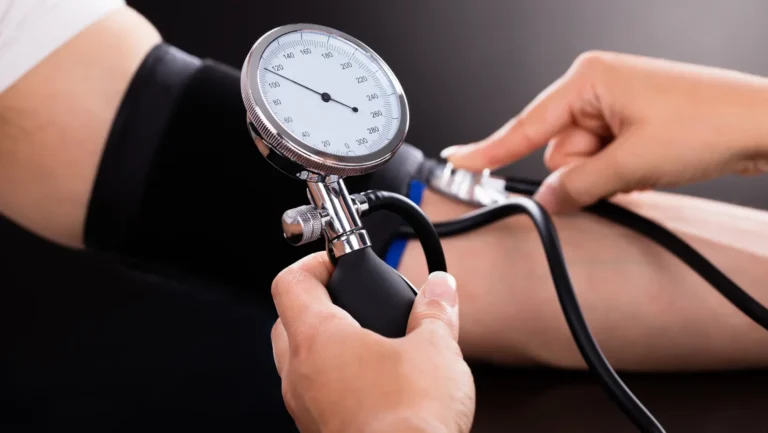
- Sit quietly for 5 minutes without talking or looking at your phone.
- Measure before caffeine.
- Measure before exercise or exertion.
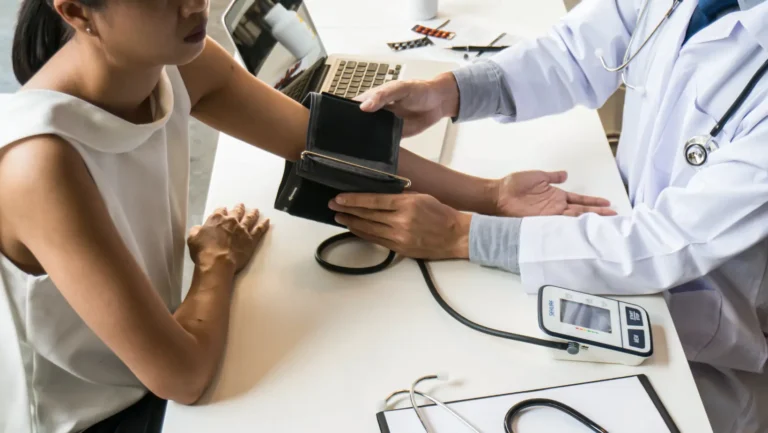
- Take two readings, 1 minute apart. Use the average.
Common Mistakes That Inflate Readings
- Measuring immediately after climbing stairs or walking
- Taking readings while talking or watching news
- Measuring after coffee (caffeine raises readings by 5 to 10 mmHg)
- Resting the cuff arm on a surface below heart level
- Crossing legs during measurement
For the most useful tracking, measure at the same time each morning for at least 7 consecutive days before drawing any conclusions.
FAQ
What causes morning blood pressure spikes?
The three main morning high blood pressure causes are the cortisol awakening response (38 to 75% cortisol surge in the first 45 minutes), sympathetic nervous system activation releasing adrenaline, and overnight arterial stiffening. In patients with hypertension, these combine to produce exaggerated spikes.
Is it normal for blood pressure to be higher after waking up?
Yes. A 10 to 20 mmHg rise above sleep-time readings is normal. High blood pressure in the morning becomes clinically significant when home readings consistently exceed 135/85 mmHg before medication or caffeine.
Can sleep apnea cause morning hypertension?
Yes. Sleep apnea causes repeated overnight oxygen drops that activate the sympathetic nervous system. This creates a non-dipper pattern where blood pressure stays high through the night and peaks at waking. Morning hypertension above 135/85 mmHg that resists medication should prompt a sleep apnea evaluation.
Are morning blood pressure spikes dangerous?
Yes. The Ohasama study found isolated morning hypertension raises stroke risk 2.66 times. The J-HOP study (Japan, 2023) linked peak home morning blood pressure above 173 mmHg to dramatically elevated stroke risk. Morning blood pressure spikes symptoms are often absent, which increases the danger.
Does dehydration affect morning blood pressure?
Yes. Mild overnight dehydration thickens the blood, forcing the heart to pump harder. This amplifies the morning surge. Drinking water before bed and immediately upon waking is a practical and inexpensive way to reduce this contribution to high blood pressure in the morning.
What is the best time to take blood pressure medication?
The best time to take blood pressure medication depends on your individual BP pattern. For most patients, the 2022 TIME trial (n = 21,104) found morning and evening dosing produce equivalent cardiovascular outcomes. However, for people with documented morning surges or non-dipper patterns, a 2026 meta-analysis found evening dosing reduced morning spikes by 7 mmHg. Ask your doctor before switching.
Should I check my blood pressure immediately after waking up?
No. Wait until you have used the bathroom and sat quietly for 5 minutes. Measuring immediately after standing raises readings by 5 to 15 mmHg due to postural blood pressure changes. The goal is a resting baseline, not a reflexive spike. This is the key to how to lower morning blood pressure naturally, starting with accurate data.
Can stress cause morning hypertension?
Yes. Anticipatory stress, thinking about upcoming demands before getting out of bed, raises cortisol beyond the standard awakening response. This amplifies morning blood pressure spikes symptoms and raises baseline readings. Slow breathing before rising measurably reduces this effect.
Sources
- American Journal of Hypertension (Ohasama Study): Prediction of Stroke by Morning vs. Evening Blood Pressure
- Scientific Reports: The Effect of Evening vs. Morning Medication on Morning Blood Pressure Surge (2026)
- PMC: Chronotherapy for Morning Blood Pressure Surge, Systematic Review and Meta-Analysis (2021)
- PMC: The Circadian System Modulates the Cortisol Awakening Response in Humans, Frontiers in Neuroscience (2022)
- Endocrine Society: The Cortisol Awakening Response (2024)
- American Journal of Medicine: Controversies in Hypertension III: Dipping, Nocturnal Hypertension, and the Morning Surge (2023)
- AHA Hypertension: Timing of Antihypertensive Drug Therapy, Systematic Review and Meta-Analysis (2022)
- PMC: Controversies in Hypertension Therapy: Bedtime vs. Daytime Dosing (2024)
- The Cardiology Advisor: Peak Home Systolic Blood Pressure and Stroke Risk, J-HOP Study (2023)
- Nature Hypertension Research: Obstructive Sleep Apnea Syndrome and Ambulatory Blood Pressure