

High blood pressure cannot make you tired. Hypertension alone rarely causes fatigue in its early stages. Most tiredness linked to high blood pressure comes from something else. It could be a strained heart, a sleep disorder, a medication side effect, or a hidden complication like kidney stress.
Nearly half of American adults have high blood pressure, and most feel nothing at all, per the CDC. That is the tricky part. If you feel drained every day, one reading will not explain it. Look at your numbers, your medications, and your sleep together.
Why People with High Blood Pressure Often Feel Tired Even When Hypertension Isn’t the Direct Cause
High blood pressure cannot make you tired and its a secondary effect. It is rarely the blood pressure number itself. Your heart strains under constant pressure. Your circulation slows over the years. Conditions like sleep apnea or anxiety often sit right alongside high readings. Together, these forces drain your energy long before hypertension causes obvious symptoms.
Your heart has to work harder over time
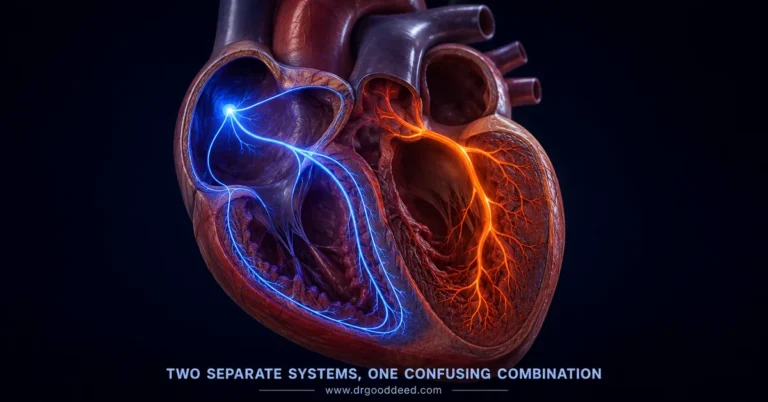
High blood pressure forces your heart to push blood against stiff, narrow arteries. Over time, the heart muscle thickens to keep up. A thickened heart needs more oxygen but pumps less efficiently.
Poor circulation may develop after years of uncontrolled hypertension
Years of high pressure damage the inner lining of blood vessels. Arteries narrow and stiffen. Less oxygen-rich blood reaches your muscles and organs. Your brain, legs, and digestion all run on a smaller oxygen supply. That shortage shows up as sluggishness or heavy legs by the afternoon.
Hypertension often coexists with conditions that cause fatigue
High blood pressure rarely travels alone. It shows up next to obesity, type 2 diabetes, thyroid problems, anemia, and depression. Each of those conditions causes fatigue on its own. When they stack on hypertension, tiredness gets blamed on blood pressure. Often, another condition is doing most of the damage.
Causes of Fatigue in People With Hypertension
Six factors explain nearly every case where high blood pressure make you tired turns out to be true. They are medication effects, heart strain, kidney damage, poor sleep, stress, and rare hypertensive crises.
Medication Side Effects
Beta blockers like metoprolol and propranolol slow your heart rate. They also blunt your adrenaline response. That effect treats high blood pressure well, but it lowers alertness too. Diuretics can flush out potassium and sodium, leaving muscles weak. Medication is a major answer to why high blood pressure makes you feel tired after a new prescription.
Heart Disease and Reduced Cardiac Function
Untreated hypertension can enlarge and weaken the heart over years. Doctors call this condition heart failure. A weak heart cannot pump enough blood to meet your body’s needs. Fluid backs up in your lungs and legs. You feel breathless, swollen, and exhausted even at rest.
Kidney Disease
Your kidneys filter waste using tiny blood vessels. High blood pressure damages those vessels over time. Damaged kidneys struggle to clear toxins from your blood. That buildup causes fatigue, confusion, and nausea. Kidney disease and hypertension often feed each other, notes the National Institute of Diabetes and Digestive and Kidney Diseases.
Poor Sleep and Sleep Apnea
Obstructive sleep apnea makes you stop breathing repeatedly at night. Mayo Clinic research links sleep apnea directly to higher blood pressure and daytime exhaustion. If you snore loudly or wake up gasping, sleep apnea deserves a real evaluation. Extra coffee will not fix it.
Stress and Anxiety
Chronic stress raises blood pressure and drains your energy at once. Constant worry keeps your nervous system on alert. That disrupts deep sleep and leaves you mentally worn out. Anxiety and hypertension share overlapping biology. Treating one often eases the other.
Hypertensive Crisis (Rare but Serious)
A reading of 180/120 mm Hg or higher is a hypertensive crisis. The American Heart Association says this level needs emergency care if paired with chest pain, confusion, or severe headache. Fatigue combined with these symptoms is not something to sleep off.
Could Your Blood Pressure Medication Be Making You Feel Tired?
Yes. The medications used to treat it can cause high blood pressure and make you tired. Several common drug classes list fatigue as a documented side effect. The effect usually fades within a few weeks as your body adjusts. Persistent tiredness is worth a medication review rather than silent suffering.
| Medication Class | Common Examples | Why It May Cause Fatigue |
| Beta blockers | Metoprolol, atenolol, propranolol | Slows heart rate and blunts adrenaline |
| Diuretics | Hydrochlorothiazide, furosemide | Can lower potassium and sodium levels |
| Central alpha agonists | Clonidine, methyldopa | Calms nerve signals from the brain |
| ACE inhibitors | Lisinopril, enalapril | Can cause fatigue if pressure drops too low |
| Calcium channel blockers | Amlodipine, diltiazem | May cause swelling and mild dizziness |
If fatigue started right after a new prescription, that timing is a strong clue. Never stop a blood pressure medicine on your own. Sudden withdrawal can spike your pressure dangerously.
How to Figure Out What’s Actually Causing Your Fatigue
High blood pressure cannot make you tired, for your own body takes a simple three-step self-check. It helps separate a medication issue from a sleep problem or a control issue. Many primary care doctors use this same framework during a first visit.
Step 1: Look at timing
Ask yourself when the tiredness hits hardest.
- Morning only? This often points to poor sleep quality or sleep apnea.
- Afternoon: This may reflect blood sugar dips or medication timing.
- After medication: Fatigue within hours of a dose suggests a drug effect.
- After exercise: This can mean a beta blocker is blunting your heart rate.
Step 2: Review blood pressure patterns
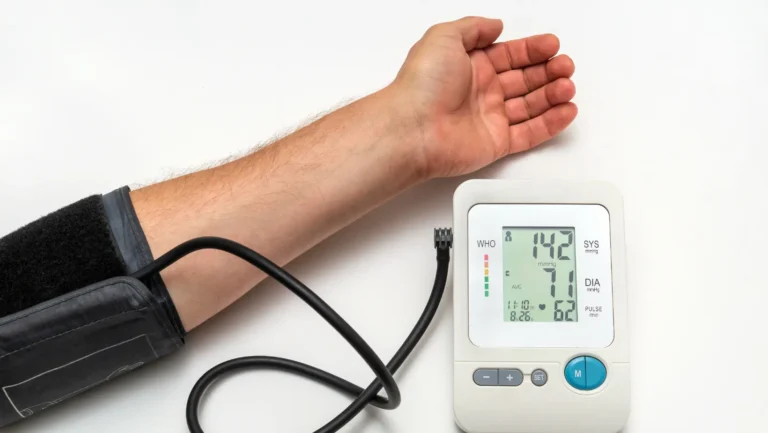
One isolated reading rarely explains fatigue. Track your numbers over two weeks instead. Look for consistent control, large swings, or drops after medication. A pattern tells a doctor far more than a single number ever could.
Step 3: Identify accompanying symptoms
Pair your fatigue with other clues before your appointment. Common symptoms of uncontrolled high blood pressure include snoring, weight gain, and leg swelling. Also watch for low-grade fever, palpitations, mood changes, and poor sleep. Bringing this list to your doctor speeds up diagnosis.
What You Can Do to Reduce Fatigue If You Have High Blood Pressure
The right fix depends on the cause you identified above. Once you know why high blood pressure makes you tired and it applies to you, act on it. These targeted steps show how to reduce fatigue caused by high blood pressure fast.
If medication is the likely cause
Ask your doctor about dose timing or switching drug classes. Many patients do well moving from a beta blocker to another first-line option. Never adjust your own dose.
If poor sleep is contributing
Request a sleep apnea screening if you snore or wake up gasping. Keep a consistent bedtime and limit screens before sleep. Avoid alcohol in the evening. Treating sleep apnea often lowers blood pressure on its own.
If blood pressure is poorly controlled
Work with your doctor to adjust treatment. This step in how to reduce fatigue caused by high blood pressure works alongside medication, not instead of it. Cut sodium below 2,300 mg a day. Walk for 30 minutes most days, and limit alcohol to one drink daily.
If fatigue persists despite controlled BP
Ask about bloodwork for thyroid function, iron levels, and vitamin B12. These deficiencies mimic hypertension fatigue closely. They are simple to test for. Persistent fatigue after ruling out blood pressure deserves its own full workup.
Learning to manage high blood pressure naturally, alongside any prescribed treatment, gives you the best shot at steady energy. Small, consistent habits beat drastic short-term changes.
FAQs
Is fatigue a common symptom of hypertension?
No. The direct link between high blood pressure making you tired is weak. Most people feel nothing until a complication like heart strain or sleep apnea develops.
Can blood pressure medications cause tiredness?
Yes, especially beta blockers and diuretics. They slow heart rate, reduce adrenaline, or lower potassium levels. Fatigue often eases within weeks as your body adjusts.
What are the symptoms of uncontrolled high blood pressure?
Severe headaches, nosebleeds, vision changes, and chest pain are real symptoms of uncontrolled high blood pressure. Most people with mildly high numbers notice nothing at all.
How can I reduce fatigue if I have hypertension?
The fastest path to how to reduce fatigue caused by high blood pressure starts with the cause. Review medication timing, screen for sleep apnea, cut sodium, and walk daily. This settles whether high blood pressure makes you tired for good.
Can sleep apnea cause both fatigue and high blood pressure?
Yes. Repeated breathing pauses spike stress hormones overnight. This raises blood pressure while blocking deep sleep. CPAP therapy often improves both problems within weeks.
Does lowering blood pressure improve energy levels?
Sometimes, not always. Learning to manage high blood pressure naturally helps energy recover when heart or kidney strain is the cause. Medication side effects may need a separate fix.
When should I see a doctor for fatigue and high blood pressure?
See a doctor if fatigue lasts more than two weeks or worsens quickly. Seek emergency care if it comes with chest pain or a reading above 180/120 mm Hg.
Can dehydration make fatigue worse in people with hypertension?
Yes. Dehydration is one overlooked answer to why high blood pressure makes you feel tired. Thick blood forces the heart to work harder, and it also affects how diuretics work.
The Bottom Line
High blood pressure makes you tired rarely on its own. But the conditions that travel with it, from sleep apnea to medication side effects, absolutely can. The fastest path to more energy is identifying which of these is happening in your body. Track your symptoms and review your medication timing. Add steps to manage high blood pressure naturally. Then bring real data to your next appointment instead of guessing.
Sources
- American Heart Association: Health Threats from High Blood Pressure
- American Heart Association: When to Call 911 for High Blood Pressure
- Centers for Disease Control and Prevention: About High Blood Pressure
- Mayo Clinic: High Blood Pressure Symptoms and Causes
- Mayo Clinic: Hypertensive Crisis, What Are the Symptoms?
- Mayo Clinic: Can a Lack of Sleep Cause High Blood Pressure?
- National Institute of Diabetes and Digestive and Kidney Diseases: High Blood Pressure and Kidney Disease
- GoodRx: Common and Rare Beta Blocker Side Effects
- World Health Organization: Hypertension Fact Sheet
- NCBI StatPearls: Hypertensive Emergency