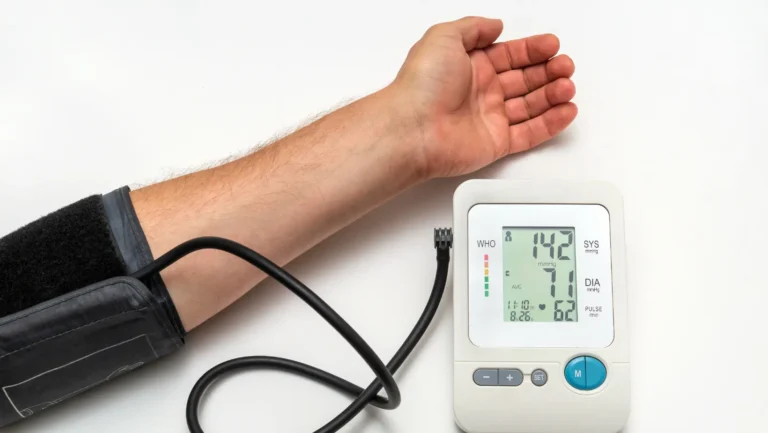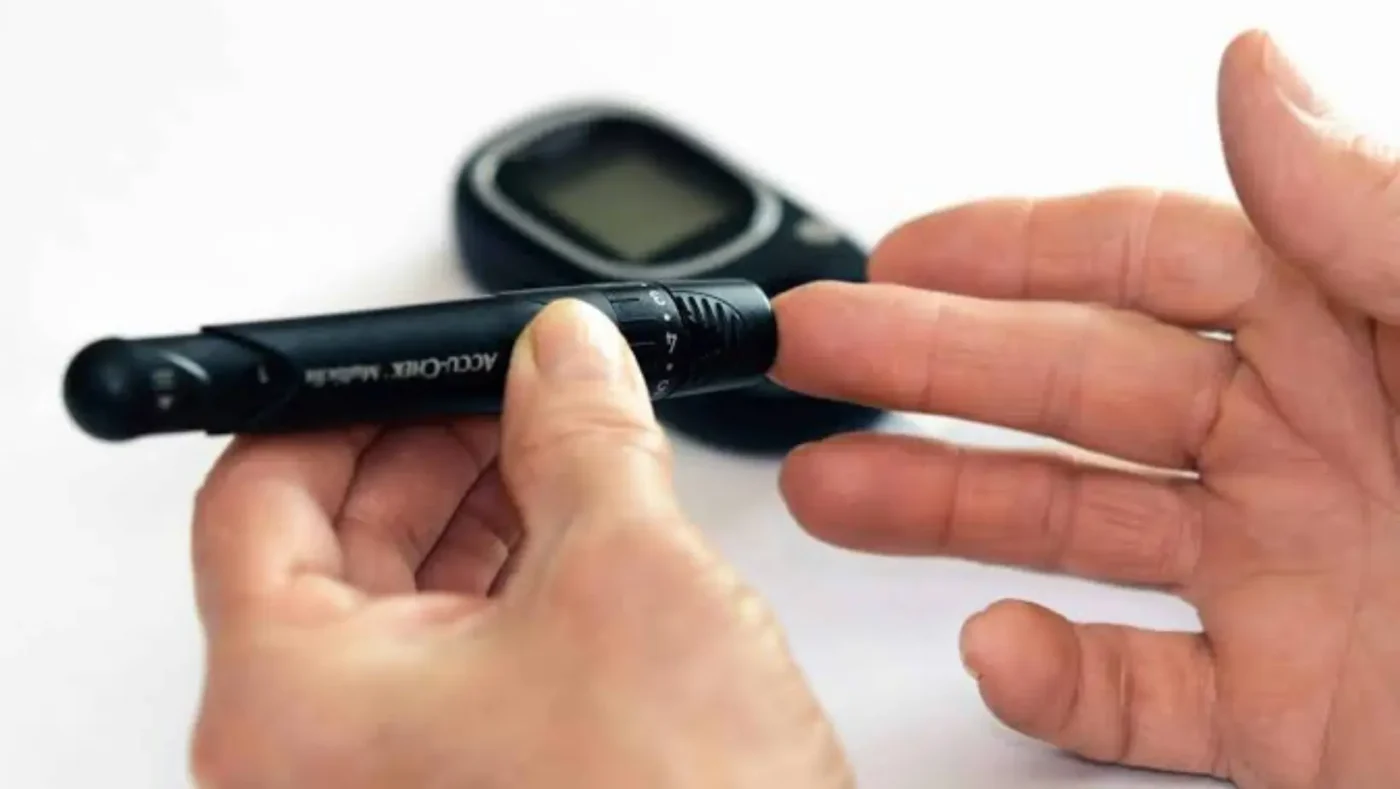

Xanax (alprazolam) is a benzodiazepine prescribed for anxiety and sepration disorder, not hypertension. Any drop in blood pressure typically happens as a secondary result of reduced anxiety, not because alprazolam treats the blood pressure itself.
A 2023 systematic review and meta-analysis published in Current Hypertension Reports found that benzodiazepines produce only a modest short-term reduction in systolic blood pressure, roughly 2.22 mmHg on average, with no cardiovascular mortality benefit.
This guide covers how Xanax affects the heart and nervous system, when it can cause blood pressure to drop too low, its drug interactions, and why doctors avoid using it as a hypertension treatment.
Can Alprazolam Reduce Blood Pressure?
Alprazolam can reduce blood pressure indirectly. The drop comes from how the drug calms the nervous system, not from any direct action on blood vessels or the heart. Xanax does not lower blood pressure through a direct mechanism.
Anxiety Activates the “Fight-or-Flight” Response
When anxiety spikes, the brain signals the adrenal glands to release adrenaline and cortisol. These hormones cause the heart to beat faster, blood vessels to constrict, and blood pressure to rise. Research published in Journal of Hypertension shows that panic attacks causing blood pressure spikes of 10 to 30 mmHg in systolic pressure are common. In severe attacks, systolic pressure can briefly reach 170 mmHg.
Xanax Interrupts That Stress Response
Alprazolam enhances the effect of GABA, a calming neurotransmitter in the brain. This is what produces the nervous system effects of Xanax: reduced nerve activity, slower heart rate, muscle relaxation, and an overall drop in the body’s alarm state. When that fight-or-flight response calms down, blood pressure tends to follow.
Temporary Changes in Blood Pressure
A 2021 study published in the Journal of Clinical Psychopharmacology (Costa et al.) found that alprazolam taken as a nightly hypnotic did not significantly affect ambulatory blood pressure or heart rate in patients with mild hypertension. This suggests the blood pressure effect is modest and tied to the anxiety state, not the drug itself.
Individual Differences in Response
Not everyone responds the same way. Several variables affect how much Xanax lower blood pressure in a given person:
- Baseline anxiety level: Higher anxiety before the dose means a larger potential drop afterward
- Dosage: Higher doses suppress the CNS more, increasing the chance of hypotension
- Age: Adults over 65 face greater blood pressure sensitivity
- Hydration status: Dehydration amplifies the hypotensive effect
- Existing heart conditions: Pre-existing cardiovascular disease increases risk
- Other medications: Blood pressure drugs, opioids, and sleep aids can compound the effect
- Tolerance: Long-term users experience less blood pressure effect over time
When Xanax Can Cause Blood Pressure to Become Too Low
When asking if Xanax lowers blood pressure too much, a moderate drop may feel like anxiety relief. But in some situations, the drop goes too far. Here are the key risk factors.
Dehydration reduces blood volume. Combined with Xanax’s CNS-depressant effect, this can cause a sharper drop than expected.
Adults over 65 face elevated risk. A 2025 clinical data review found older adults on long-term benzodiazepines have higher rates of orthostatic hypotension.
Orthostatic hypotension means blood pressure drops suddenly after standing up from a seated or lying position. Alprazolam reduces blood pressure enough to trigger this, especially in dehydrated or elderly patients.
Alcohol is dangerous when combined with Xanax. Both depress the CNS and lower blood pressure. Together, the effects multiply.
Blood pressure medications such as amlodipine (Norvasc) and losartan (Cozaar) can combine with Xanax’s effect and push pressure below a safe level.
Opioid pain medications carry an FDA boxed warning with alprazolam. The combination risks profound sedation, respiratory depression, and cardiovascular collapse.
Sleep medications such as zolpidem (Ambien) intensify CNS depression, increasing the risk of dangerously low blood pressure overnight.
Side Effects of Xanax
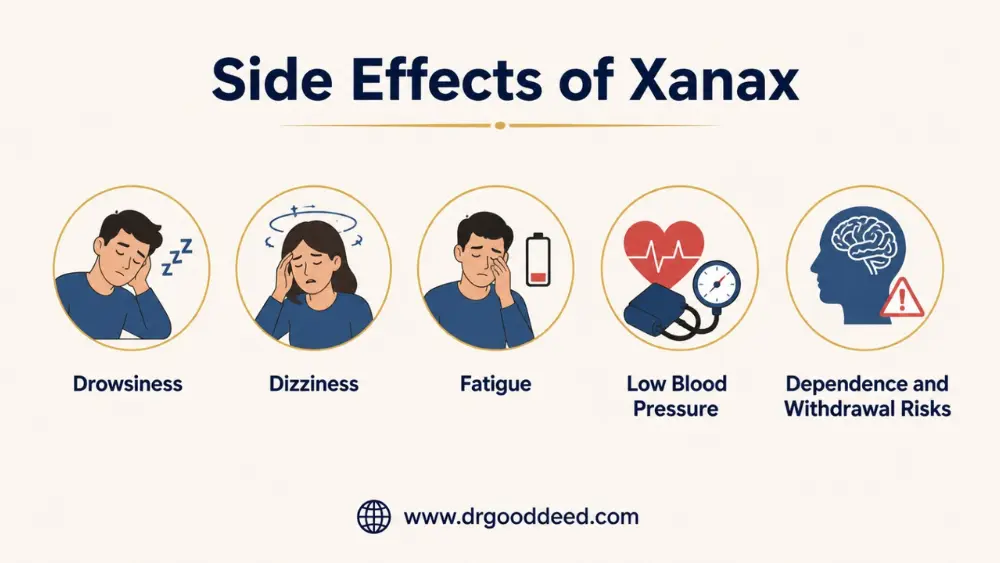
The nervous system effects of Xanax extend beyond anxiety relief.
Drowsiness
Drowsiness affects about 70% of benzodiazepine patients. GABA enhancement reduces brain activity broadly, not just in anxiety-linked areas.
Dizziness
Dizziness connects to blood pressure changes. Even a small post-dose drop can cause lightheadedness, especially on standing.
Fatigue
CNS depression slows the whole body. Fatigue typically appears within 30 to 60 minutes of a dose and persists for several hours.
Low Blood Pressure in Some Individuals
For people already taking antihypertensive drugs, Xanax can combine with their existing blood pressure-lowering effect and push readings below 90/60 mmHg.
Dependence and Withdrawal Risks
Physical dependence can develop within a few weeks of daily use. Abrupt stopping triggers a dangerous rebound. When Xanax’s half-life of approximately 11.2 hours runs out, the nervous system overreacts. Blood pressure and heart rate spike. In severe cases, abrupt withdrawal produces a hypertensive crisis exceeding 180/120 mmHg.
Does Xanax Affect Blood Pressure Readings at Home or in the Doctor’s Office?
This is one of the most clinically relevant yet underreported aspects of whether Xanax lowers blood pressure readings accurately.
White-coat hypertension is when anxiety about a medical visit drives blood pressure up in the office. If someone takes Xanax before an appointment, the reading may appear lower than their true daily baseline.
Home readings taken just after a dose may also appear artificially low. This does not reflect the person’s actual blood pressure through the day.
Between doses, especially as Xanax wears off overnight, blood pressure can spike. For long-term users, this creates misleading variability that makes Xanax for blood pressure management unreliable.
Physicians prefer:
- Multiple readings taken at different times of day
- Home BP logs recorded without Xanax interference
- 24-hour ambulatory blood pressure monitoring
Can Xanax Be Used to Treat High Blood Pressure?
Xanax is not enough to replace real antihypertensive treatment. Here is why doctors avoid it for this purpose:
- Xanax’s half-life is about 11 hours. Blood pressure control requires consistent around-the-clock medication
- Tolerance develops quickly, often within 4 to 6 weeks
- Dependence risk is significant; the FDA classifies alprazolam as a Schedule IV controlled substance
- Stopping triggers rebound spikes in both anxiety and blood pressure
- Temporary blood pressure increases from anxiety need proper anxiety treatment, not benzodiazepines
Treating anxiety and treating hypertension are separate medical goals. A doctor who addresses one while ignoring the other leaves real cardiovascular risk untreated. Xanax does not lower blood pressure long-term. Short-term sedation is not blood pressure treatment.
What Happens If You Take Xanax With Blood Pressure Medication?
| Medication Type | Example Drugs | Effect With Xanax |
| ACE inhibitors | Lisinopril, Enalapril | Additive BP drop, risk of hypotension |
| ARBs | Losartan, Valsartan | Additive BP-lowering effect |
| Calcium channel blockers | Amlodipine, Diltiazem | Dizziness, fainting, increased sedation |
| Beta blockers | Metoprolol, Atenolol | Compounded heart rate and BP reduction |
| Diuretics | Hydrochlorothiazide | Dehydration amplifies Xanax’s hypotensive effect |
| Opioids | Morphine, Hydrocodone | FDA boxed warning; risk of death |
| Sleep medications | Zolpidem (Ambien) | Severe CNS depression; respiratory risk |
| Alcohol | N/A | Combined hypotension, respiratory depression |
Always tell your prescriber and pharmacist every medication you take before starting alprazolam.
Risks of Long-Term Xanax Use
Tolerance Development
The brain adapts to constant GABA enhancement. Within 4 to 6 weeks of daily use, the original dose produces less effect, pushing toward dose increases.
Dependence
Physical dependence is not addiction, but it is serious. The body adjusts its neurochemistry around the drug. Stopping abruptly causes the nervous system to fire excessively.
Withdrawal Symptoms
Withdrawal begins within 6 to 12 hours of the last dose for heavy users. Symptoms include rapid heart rate, elevated blood pressure, sweating, tremors, and in severe cases, seizures. Medical supervision during taper is not optional; it is a safety requirement.
Cognitive Effects
Long-term benzodiazepine use links to measurable declines in memory, attention, and processing speed. Research confirms persistent cognitive impairment in long-term users, even after stopping.
Safe Medication Practices
- Never stop Xanax abruptly after weeks of daily use
- Taper doses slowly under physician supervision, typically reducing by 0.125 mg monthly
- Monitor home blood pressure during taper; rebound hypertension is a real risk
- Inform your cardiologist if you take Xanax alongside any blood pressure medication
FAQs
Is Xanax used to treat hypertension?
No. Xanax is FDA-approved only for generalized anxiety disorder and panic disorder. It produces an indirect and short-lived blood pressure drop through CNS sedation, but it has no role in hypertension management and carries serious dependence risks.
Can panic attacks increase blood pressure?
Yes. Adrenaline release during a panic attack causes panic attacks causing blood pressure spikes of 10 to 30 mmHg in systolic pressure. Severe episodes push systolic briefly to 170 mmHg. These spikes resolve within 20 to 30 minutes after anxiety subsides.
Can Xanax lower blood pressure too much?
Yes. Xanax can lower blood pressure, especially when combined with antihypertensives, alcohol, or opioids. Older adults face the highest risk, with orthostatic hypotension and fainting being documented concerns in clinical literature.
Is it safe to take Xanax if I have high blood pressure?
It depends on your medications. Xanax adds to the effect of most antihypertensive drugs, potentially causing excessive drops. Report all medications to your doctor before starting Xanax. Monitoring blood pressure at home during initial use is strongly advised.
Can stress and anxiety cause temporary hypertension?
Yes. Temporary blood pressure increases from anxiety are driven by the fight-or-flight stress response and adrenaline release. Chronic anxiety, when left untreated, contributes to sustained elevated readings over time.
What is the relationship between anxiety and blood pressure?
Anxiety activates the sympathetic nervous system, raising heart rate and constricting blood vessels. The nervous system effects of Xanax reduce this activation, temporarily dropping blood pressure. The relationship runs both ways; hypertension can also worsen anxiety symptoms.
Can lowering anxiety help improve blood pressure control?
Yes. Treating anxiety with SSRIs, CBT, or lifestyle changes reduces temporary blood pressure increases from anxiety. This approach is clinically preferred over Xanax for blood pressure management because it works on the root cause without creating dependence.
Should I monitor my blood pressure while taking Xanax?
Yes. Track readings at different times of day, including hours after each dose and before the morning dose. This shows your doctor your real blood pressure pattern, not just the artificially lowered readings from Xanax’s short-term sedative effect.
Sources
- Solanki B, Goel R, Gupta LK. Benzodiazepines Reduce Blood Pressure in Short Term: A Systematic Review and Meta-analysis. Current Hypertension Reports. 2023
- Costa A, et al. Effects of Oral Administration of Alprazolam and Lorazepam as Hypnotics on Cardiovascular Parameters in Hypertensive Patients. Journal of Clinical Psychopharmacology. 2021
- George TT, Juergens AL. Alprazolam. StatPearls Publishing. 2023
- Rivasi G, Kenny RA, Ungar A, Romero-Ortuno R. Effects of benzodiazepines on orthostatic blood pressure in older people. European Journal of Internal Medicine. 2020
- National Institute of Mental Health. Anxiety Disorders. 2023
- FDA Boxed Warning: Alprazolam (Xanax) and Opioid Concomitant Use Risk
- National Heart, Lung, and Blood Institute. What Is High Blood Pressure? 2022
- Drugs.com. Losartan and Xanax Interaction Checker
- Neuroscience and Biobehavioral Reviews. Association between anxiety and hypertension in adults: A systematic review and meta-analysis. 2021