
A structured 7-day diet plan for high blood pressure based on the DASH eating pattern, endorsed by the American Heart Association and the 2025 ACC/AHA guidelines, can reduce systolic blood pressure by 1 to 13 mmHg within weeks, without medication changes.
This guide covers a practical 7-day meal plan to lower blood pressure, the best potassium-rich foods for hypertension, what foods to avoid with high blood pressure, and answers to your most common questions.
7-Day Diet Plan for High Blood Pressure
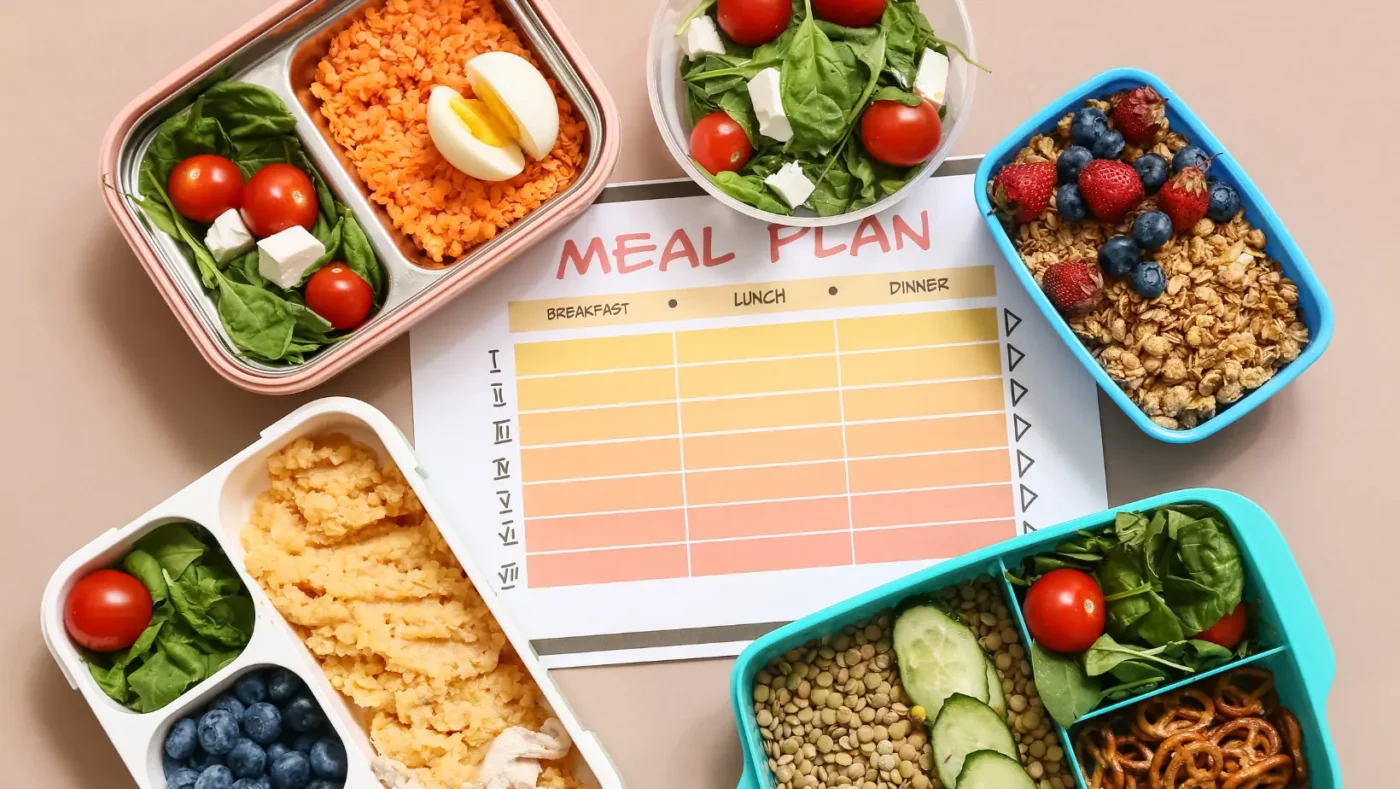
A 7-day diet plan for high blood pressure works by cutting sodium, boosting potassium, and choosing whole foods over processed ones. The AHA recommends staying under 1,500 mg of sodium per day. Each day follows the 7-day meal plan to lower blood pressure principles: lean protein, whole grains, low-fat dairy, and at least 4–5 cups of fruits and vegetables.
Quick Tip: A 7-day diet plan for high blood pressure isn’t about eating bland food. It’s about swapping high-sodium items for potassium-rich foods for hypertension that your body actually needs.
Day 1
Breakfast: Oatmeal with sliced banana and a handful of walnuts. Use no-salt oats. Pair with 1 cup of low-fat milk.
Mid-Morning Snack: A small handful of unsalted almonds (about 23) and a medium apple.
Lunch: Grilled chicken breast on whole-wheat bread with lettuce, tomato, and avocado. Skip the condiments or use a drizzle of olive oil and lemon.
Evening Snack: Low-fat plain Greek yogurt with a sprinkle of flaxseeds.
Dinner: Baked salmon fillet with steamed spinach and a side of brown rice. Season with garlic and herbs, not salt.
Day 2
Breakfast: Whole-wheat toast with mashed avocado. Add two poached eggs. No added salt.
Mid-Morning Snack: A medium orange and 10 unsalted cashews.
Lunch: Lentil soup made with low-sodium vegetable broth, carrots, celery, and turmeric.
Evening Snack: Sliced cucumber with hummus (choose a low-sodium brand, under 100 mg per serving).
Dinner: Turkey stir-fry with bell peppers, broccoli, and onions over quinoa. Use low-sodium soy sauce sparingly (no more than 1 tablespoon).
Day 3
Breakfast: Low-fat plain yogurt topped with berries (strawberries, blueberries) and a teaspoon of chia seeds.
Mid-Morning Snack: One medium banana, which contains about 422 mg of potassium per banana, according to the American Heart Association.
Lunch: Spinach salad with boiled eggs, chickpeas, cherry tomatoes, and olive oil-lemon dressing.
Evening Snack: A small pear and a few unsalted pumpkin seeds.
Dinner: Baked cod with roasted sweet potatoes and steamed green beans. Season with paprika and herbs.
Day 4
Breakfast: Whole-grain cereal (under 200 mg sodium per serving) with low-fat milk and sliced strawberries.
Mid-Morning Snack: Low-sodium cottage cheese with diced pineapple.
Lunch: Black bean and vegetable wrap in a whole-wheat tortilla with spinach, corn, and salsa.
Evening Snack: A small handful of unsalted sunflower seeds and a medium kiwi.
Dinner: Grilled chicken thighs (skinless) with roasted asparagus and a serving of farro.
Day 5
Breakfast: Two scrambled eggs with sautéed mushrooms and tomatoes. Serve with one slice of whole-wheat toast.
Mid-Morning Snack: A medium peach and 1 oz of unsalted mixed nuts.
Lunch: Tuna salad (canned tuna in water, drained) mixed with plain Greek yogurt instead of mayo. Serve on lettuce leaves or whole-grain crackers (low-sodium).
Evening Snack: Carrot and celery sticks with a light tahini dip.
Dinner: Shrimp and vegetable skewers over brown rice. Season with garlic, lemon, and cumin. Skip salt entirely.
Day 6
Breakfast: Smoothie with low-fat milk, frozen spinach, banana, and a tablespoon of almond butter. No added sugar.
Mid-Morning Snack: One hard-boiled egg and a handful of grapes.
Lunch: Tomato-based vegetable soup (homemade or low-sodium canned) with a side of whole-grain crackers.
Evening Snack: Sliced bell peppers and cherry tomatoes with low-fat ricotta.
Dinner: Pork tenderloin (lean cut) with a side of roasted Brussels sprouts and mashed sweet potato. Use olive oil and rosemary instead of butter and salt.
Day 7
Breakfast: Whole-grain pancakes made with oat flour. Top with fresh berries and a drizzle of honey. Skip the syrup.
Mid-Morning Snack: A medium apple sliced with 1 tablespoon of natural peanut butter (no-salt-added).
Lunch: Grilled salmon over mixed greens with cucumber, avocado, and a light lemon-olive oil dressing.
Evening Snack: Low-fat yogurt with a few walnuts.
Dinner: Chicken and vegetable soup with barley, made with homemade or low-sodium stock. Load up on carrots, celery, kale, and onions.
Potassium-Rich Foods for Hypertension
Potassium does two things for blood pressure: it tells your kidneys to flush out extra sodium, and it relaxes the walls of your blood vessels. The WHO recommends at least 3,510 mg of potassium per day for adults. The foods to reduce high blood pressure naturally that are highest in potassium include the following. Building a 7-day diet plan for high blood pressure around these foods is the most effective dietary step you can take.
Bananas
A medium banana delivers about 422–451 mg of potassium. Eat one as a snack or slice it into oatmeal. It’s one of the easiest potassium-rich foods for hypertension to add daily.
Sweet Potatoes
Half a cup of plain cooked sweet potato provides 286 mg of potassium. Unlike regular potatoes loaded with salt at restaurants, a home-baked sweet potato with olive oil and cinnamon keeps sodium near zero.
Spinach
One cup of cooked spinach has roughly 840 mg of potassium. It’s also rich in magnesium; a 2023 NHANES study (published in Hypertension Research) found that people with the highest magnesium intake had a 34% lower prevalence of hypertension than those with the lowest intake.
Avocados
Half an avocado has close to 345 mg of potassium, plus heart-healthy monounsaturated fat. This combination supports healthy cholesterol levels alongside blood pressure management.
Beans and Lentils
One cup of cooked black beans has around 610 mg of potassium. Lentils come in at 730 mg per cooked cup. Both are also high in fiber, which helps lower blood pressure through a separate mechanism from potassium.
Yogurt
Plain low-fat yogurt offers around 380 mg of potassium per cup, plus calcium. A low-sodium diet for hypertension that includes dairy two or three times daily fits the DASH model closely.
Foods to Avoid With High Blood Pressure
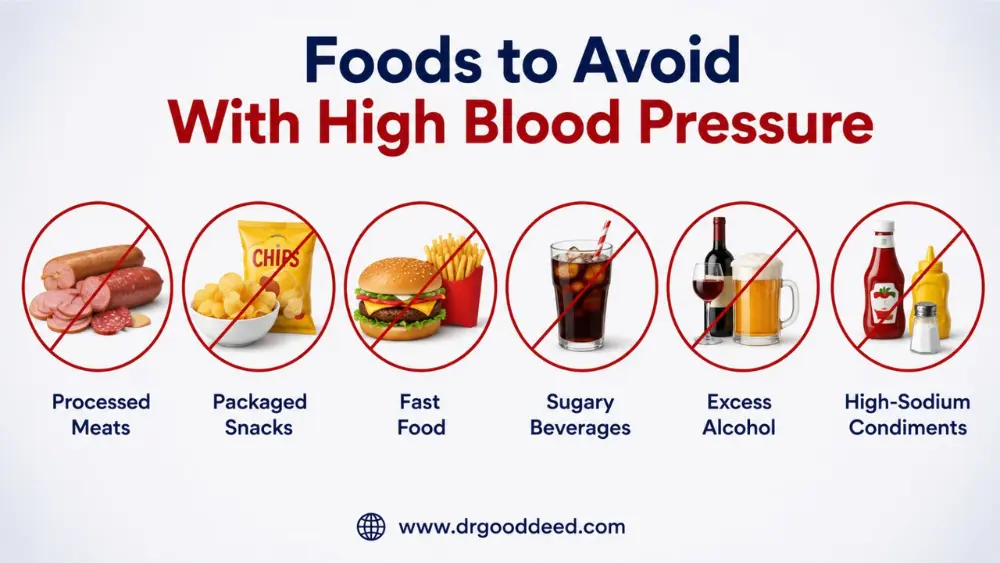
Foods to avoid with high blood pressure are mostly ultra-processed items that are heavy in sodium, added sugar, or saturated fat. A low-sodium diet for hypertension means checking labels carefully and cutting these out first.
Processed Meats
Deli turkey, bacon, sausage, and hot dogs carry 700–1,500 mg of sodium per serving. That’s nearly a full day’s worth from one meal. These rank among the worst foods to avoid with high blood pressure.
Packaged Snacks
Chips, pretzels, and crackers are loaded with hidden sodium. A single serving of standard potato chips can contain 170–200 mg of sodium, and few people stop at one serving.
Fast Food
A fast food meal can top 2,000 mg of sodium before you add ketchup. The combination of salt, saturated fat, and refined carbs creates a triple hit on blood pressure.
Sugary Beverages
Sodas and sweetened juices raise blood sugar, which in turn raises blood pressure over time. They also contribute to weight gain. Losing just 5% of body weight produces meaningful BP reduction, per the 2025 AHA/ACC guidelines.
Excess Alcohol
The AHA recommends no more than two drinks per day for men and one for women. Beyond that limit, alcohol directly raises blood pressure and reduces the effectiveness of medications.
High-Sodium Condiments
Soy sauce, ketchup, teriyaki sauce, and most bottled salad dressings add sodium quickly. One tablespoon of regular soy sauce carries about 900 mg of sodium.
FAQs
What is the best 7-day diet plan for high blood pressure?
The best 7-day diet plan for high blood pressure follows DASH: fruits, vegetables, whole grains, lean proteins, and low-fat dairy. Keep sodium under 1,500 mg daily. This cuts systolic BP by up to 13 mmHg, per 2025 AHA/ACC guidelines.
What foods should I avoid with high blood pressure?
Avoid processed meats, canned soups with over 400 mg sodium per serving, fast food, packaged snacks, sugary drinks, and high-sodium condiments like regular soy sauce. These are the core foods to avoid with high blood pressure.
How much sodium should people with hypertension consume?
The AHA recommends a maximum of 1,500 mg of sodium per day for people with high blood pressure. The average American consumes over 3,400 mg daily, more than double the ideal limit on a low-sodium diet for hypertension.
Is the DASH diet effective for hypertension?
Yes. Clinical trials show the DASH diet reduces systolic BP by 6.74 mmHg and diastolic by 3.54 mmHg on average. In confirmed hypertension, drops reach 11–13 mmHg systolic. Every 7-day meal plan to lower blood pressure should follow DASH.
Can diet alone lower high blood pressure?
Yes, in mild to moderate cases. A 7-day diet plan for high blood pressure combined with sodium reduction can lower systolic BP by up to 11 mmHg. Those with readings above 160/100 mmHg typically need medication alongside dietary changes.
Are bananas good for high blood pressure?
Yes. A medium banana contains 422–451 mg of potassium. Potassium tells kidneys to excrete excess sodium. Eating one daily is an easy step in any 7-day diet plan for high blood pressure that supports heart health.
What are healthy snacks for people with hypertension?
Unsalted almonds, plain Greek yogurt, apple slices with no-salt-added peanut butter, and fresh fruit are ideal. They’re high in potassium or magnesium and free from sodium. These are the best foods to reduce high blood pressure naturally between meals.
Can losing weight reduce blood pressure?
Yes. The 2025 AHA/ACC hypertension guidelines specify that losing at least 5% of body weight produces meaningful blood pressure reduction. Every 10 lbs of weight loss links to approximately a 4–5 mmHg drop in systolic blood pressure.
Sources
- American Heart Association — Sodium and Blood Pressure
- American Heart Association — How Potassium Helps Control High Blood Pressure
- NCBI/StatPearls — The DASH Diet: A Guide to Managing Hypertension Through Nutrition (2025)
- PMC — Blood pressure impact of dietary practices using the DASH method: systematic review and meta-analysis (2024)
- NEJM — A Clinical Trial of the Effects of Dietary Patterns on Blood Pressure (DASH Trial)
- WHO — Increasing potassium intake to reduce blood pressure and risk of cardiovascular diseases in adults
- Harvard Health — Can eating potassium-rich foods lower my blood pressure? (2023)
- PMC — Effects of the Modified DASH Diet on Adults With Elevated Blood Pressure or Hypertension: Meta-Analysis
- PMC — Nutrition and Hypertension Researches in 2023: focus on salt intake and blood pressure
- US Pharmacist — ACC/AHA Hypertension Guideline Update 2025
MEDICAL DISCLAIMER: This article is for informational purposes only. It does not replace professional medical advice, diagnosis, or treatment. Always consult your doctor or a registered dietitian before making significant changes to your diet, especially if you take blood pressure medications.