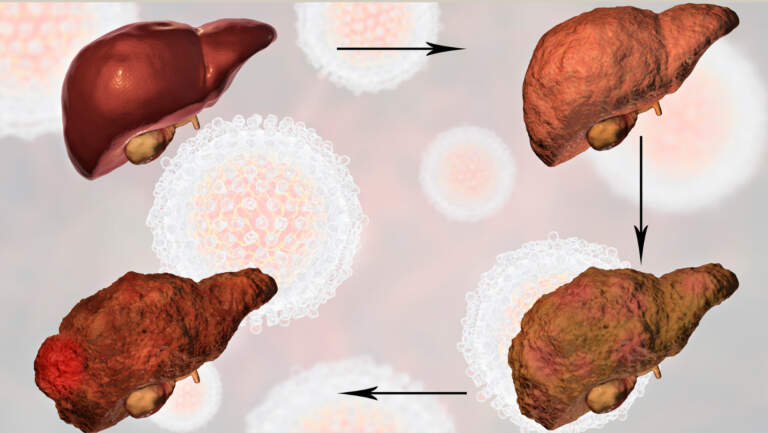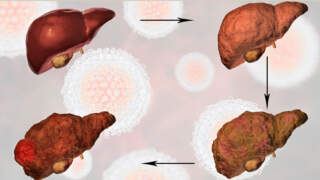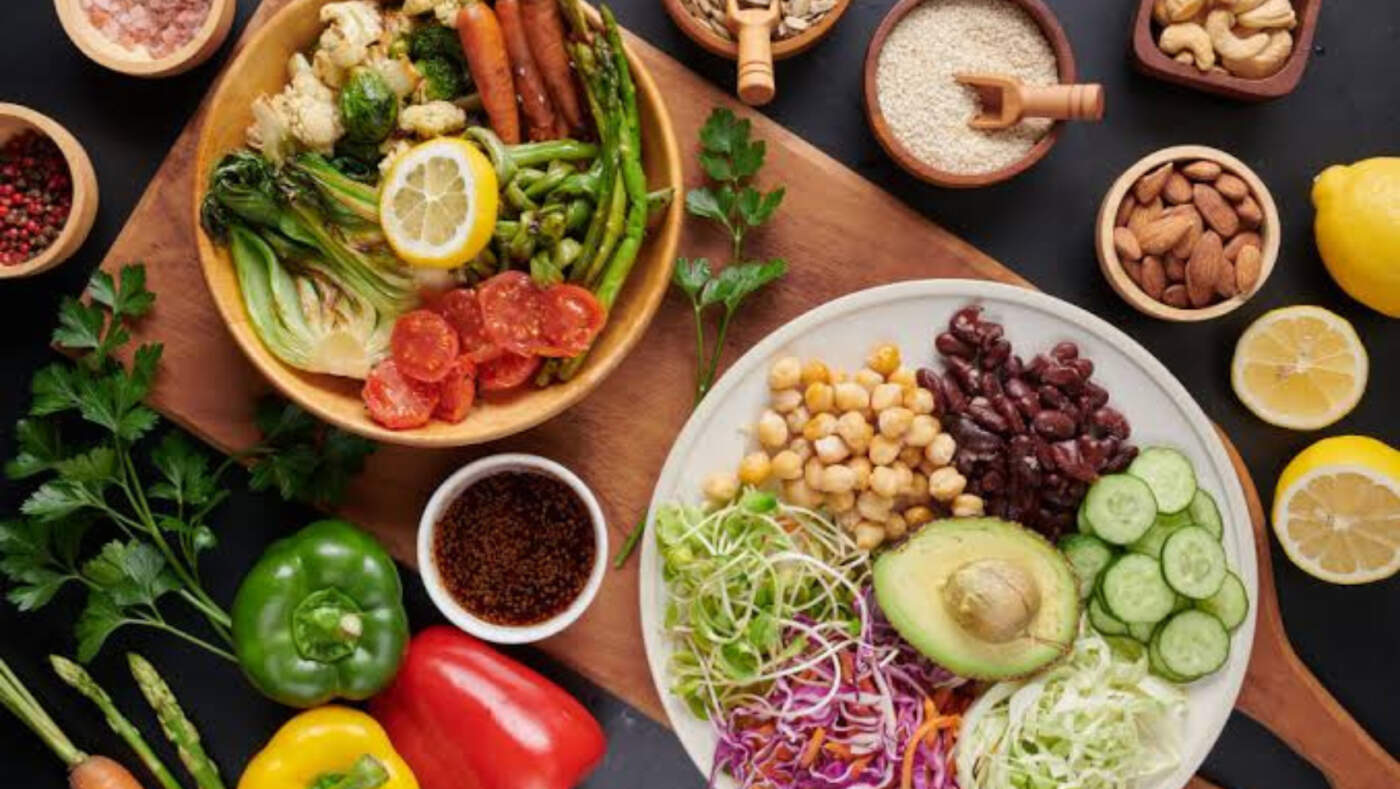

A 7-day meal plan for fatty liver can reduce liver fat in as little as 8 weeks. Fatty liver disease, clinically known as NAFLD (non-alcoholic fatty liver disease; a condition where fat accumulates in liver cells without alcohol as the cause).
When fat clogs liver cells, every one of those functions slows down. Research from 2021 to 2024 consistently confirms that dietary changes alone can reverse early-stage NAFLD. The key is focusing on foods that improve liver health while eliminating the ones that fuel fat buildup. This plan gives you exactly that.
7-Day Meal Plan for Fatty Liver
A complete 7-day meal plan for fatty liver reduces added sugar, increases fiber, and prioritizes anti-inflammatory fats. Every day below is built around foods that improve liver health and remove known liver stressors.
Day 1
Breakfast
Steel-cut oats with fresh blueberries, one teaspoon of ground flaxseed, and green tea.
Mid-Morning Snack
Ten to twelve walnuts and one medium apple.
Lunch
Grilled salmon over mixed greens with olive oil and lemon juice dressing.
Evening Snack
Sliced carrots and celery with two tablespoons of hummus.
Dinner
Baked chicken breast, steamed broccoli, roasted sweet potato, and brown rice.
Day 2
Breakfast
Two scrambled eggs with sautéed spinach and one slice of whole-grain toast.
Mid-Morning Snack
A pear with one tablespoon of almond butter.
Lunch
Lentil soup with turmeric, garlic, diced tomatoes, and a whole-grain roll.
Evening Snack
Plain Greek yogurt with a handful of fresh strawberries.
Dinner
Stir-fried tofu with bok choy, bell peppers, and brown rice.
Day 3
Breakfast
Whole-grain avocado toast with a poached egg and orange slices.
Mid-Morning Snack
A small handful of almonds and one cup of green tea.
Lunch
Quinoa salad with chickpeas, cucumber, red onion, and lemon-olive oil dressing.
Evening Snack
Sliced bell peppers with guacamole.
Dinner
Baked cod with roasted asparagus and farro (a fiber-rich whole grain similar to barley).
Day 4
Breakfast
Spinach-berry smoothie blended with banana, Greek yogurt, and flaxseed.
Mid-Morning Snack
Celery sticks with natural peanut butter (no added sugar).
Lunch
Grilled chicken salad with arugula, walnuts, and balsamic vinaigrette.
Evening Snack
A bowl of mixed berries.
Dinner
Turkey meatballs with zucchini noodles and fresh tomato basil sauce.
The first half of this 7-day meal plan for fatty liver focuses on building the habit of fiber-rich eating at every single meal.
Day 5
Breakfast
Overnight oats with chia seeds, almond milk, sliced banana, and cinnamon.
Mid-Morning Snack
One boiled egg and a few whole-grain crackers.
Lunch
Black bean tacos in corn tortillas with shredded cabbage, salsa, and avocado slices.
Evening Snack
One cup of air-popped popcorn.
Dinner
Baked salmon with roasted Brussels sprouts and wild rice.
Day 6
Breakfast
Two eggs fried in olive oil with sautéed mushrooms and fresh watermelon.
Mid-Morning Snack
Plain Greek yogurt with one tablespoon of mixed seeds.
Lunch
Lentil and vegetable soup with a whole-grain roll.
Evening Snack
Sliced cucumber with low-fat cottage cheese.
Dinner
Herb-baked chicken thighs with steamed green beans and roasted carrots.
Day 7
Breakfast
Oat-flour pancakes topped with fresh berries and a small drizzle of pure maple syrup.
Mid-Morning Snack
One orange and a small handful of cashews.
Lunch
Mediterranean bowl with falafel, hummus, tabbouleh (a parsley and bulgur wheat salad), and sliced cucumbers.
Evening Snack
Carrot sticks with tzatziki (a Greek yogurt-based dip with cucumber and garlic).
Dinner
Baked sea bass with quinoa, roasted zucchini, and a tomato salad dressed in olive oil.
Day 7 ends this 7-day meal plan for fatty liver on a high note. This structure repeats each week until liver fat drops measurably.
Best Diet for Fatty Liver
The best diet for fatty liver is about replacing liver-damaging foods with liver-supportive ones.
Mediterranean Diet Principles
The Mediterranean-style meal plan for fatty liver is the most research-supported dietary approach for NAFLD. Clinical data from 2021 to 2024 shows it can reduce liver fat by up to 39% in six months. It centers on olive oil, legumes, whole grains, fish, and fresh vegetables while limiting red meat and refined carbohydrates.
High-Fiber Foods
Fiber slows digestion and prevents blood sugar spikes. High blood sugar triggers migraine, and elevated insulin signals the liver to convert glucose into stored fat. Target 25 to 35 grams of fiber daily from lentils, oats, broccoli, and apples.
Lean Protein Sources
Protein supports liver cell repair. Eggs, salmon, tofu, lentils, chicken breast, and unsweetened Greek yogurt are your best sources. Limit processed meats. They contain TMAO (trimethylamine N-oxide; a compound linked to increased liver fat) and excess sodium.
Healthy Fats
Olive oil, avocados, walnuts, and fatty fish carry monounsaturated and omega-3 fats. These fats reduce liver inflammation at the cellular level and lower liver fat percentages visible on imaging.
Low-Glycemic Carbohydrates
Replace white rice, white bread, and regular pasta with quinoa, brown rice, barley, and sweet potato. Low-glycemic carbohydrates keep insulin stable and prevent the liver’s fat-production cycle from activating.
Foods to Avoid With Fatty Liver Disease
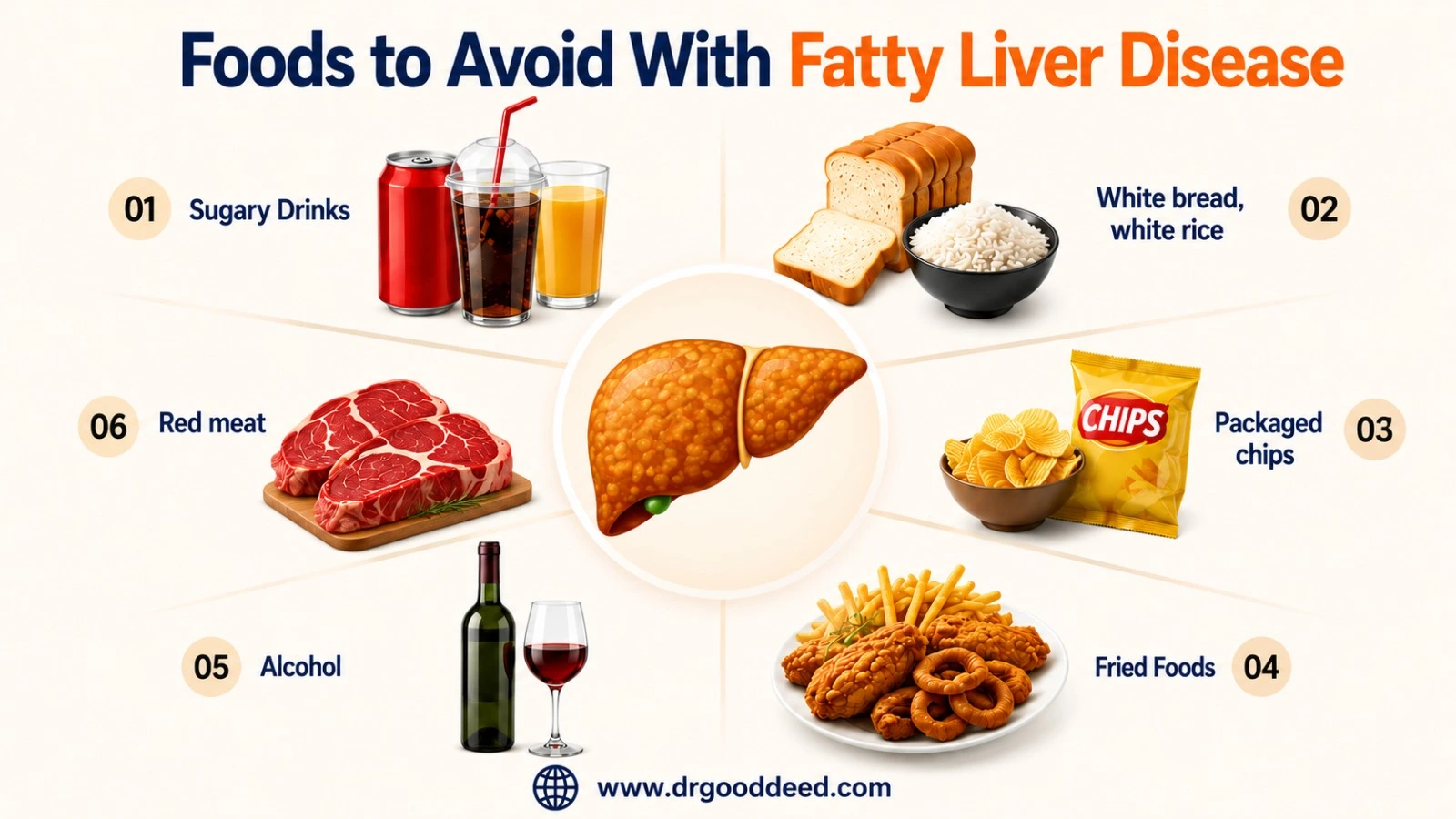
Knowing the foods to avoid with fatty liver disease is as important as eating the right things.
Sugary Drinks
Soda, fruit juice, energy drinks, and flavored coffees contain fructose, a type of sugar processed almost entirely in the liver. Fructose converts to fat faster than any other nutrient. Even 100% natural fruit juice triggers liver fat buildup when consumed daily.
Refined Carbohydrates
White bread, white rice, and boxed breakfast cereals digest rapidly, spiking blood sugar and triggering high insulin within hours of eating.
Processed Foods
Packaged chips, fast food, deli meats, and frozen meals contain trans fats, preservatives, and excess sodium. These compounds directly promote liver inflammation.
Excess Saturated Fat
Red meat and full-fat dairy raise LDL cholesterol (the harmful type) and increase fat deposits in liver cells. Aim for no more than two red meat servings per week.
Fried Foods
Frying oils at high heat produce aldehydes (toxic compounds the liver must filter). These reach your liver in concentrated amounts through the digestive bloodstream.
Excess Alcohol
Alcohol is processed almost entirely by the liver. Even moderate regular drinking can push NAFLD toward NASH (non-alcoholic steatohepatitis; a more severe form with active inflammation and early scarring). Complete alcohol avoidance is what liver specialists typically recommend for NAFLD patients.
Best Drinks for Liver Health
Water
Eight to ten glasses daily supports kidney filtration and reduces the total toxin load your liver processes.
Black Coffee
Two to three cups of black coffee daily lower liver enzyme levels and reduce the risk of fibrosis (liver scarring). Coffee polyphenols (plant-based antioxidants) reduce oxidative stress inside liver cells directly.
Green Tea
Green tea contains catechins (antioxidant plant compounds) that lower liver fat accumulation and improve insulin sensitivity. Two to three cups daily is a reasonable target.
Herbal Teas
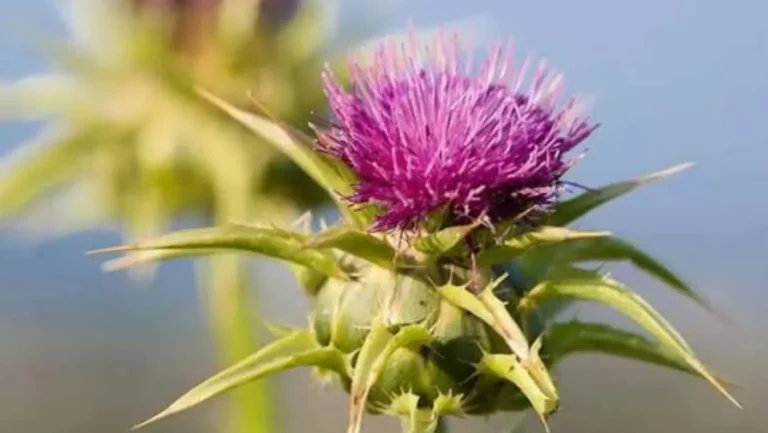
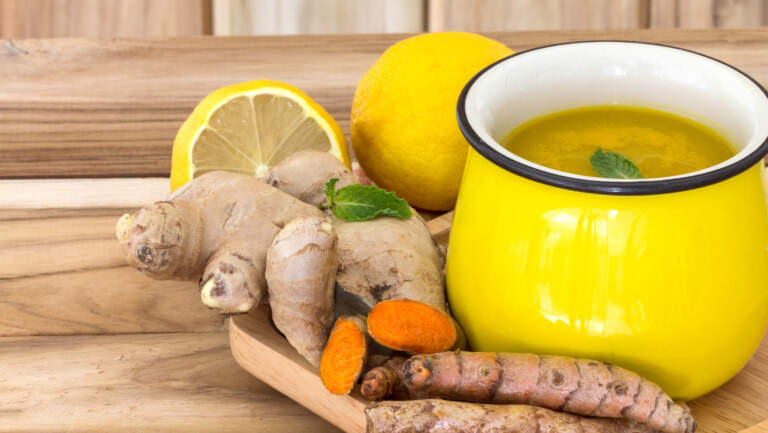
Milk thistle tea contains silymarin, a compound studied specifically for liver cell protection. Dandelion root tea supports bile production. Current evidence is promising but still growing.
Low-Sugar Smoothies
Blend spinach, frozen berries, Greek yogurt, and flaxseed with unsweetened almond milk. This is a perfect snack within a 7-day meal plan for fatty liver and avoids the fructose overload of store-bought smoothies.
Common Diet Mistakes That Can Worsen Fatty Liver
Skipping Meals
Long gaps between meals drop blood sugar. This triggers cortisol (a stress hormone) that pushes the liver into fat storage mode as a protective response.
Consuming Sugary Beverages
Many people cut solid junk food but continue drinking soda or juice. Liquid fructose reaches the liver faster than solid food. This is the most overlooked dietary mistake in NAFLD management.
Overeating Processed Foods
Low-fat packaged snacks often replace fat with sugar. High sugar content in a “healthy-labeled” product still triggers liver fat production. Always read the full nutrition label, not just the front packaging.
Following Extreme Diets
Crash diets cause rapid fat release from fat cells throughout the body. That fat floods the liver suddenly, temporarily worsening NAFLD. A gradual loss of 0.5 to 1 pound per week is the medically supported target.
Ignoring Portion Sizes
Even foods that improve liver health cause problems in excess. Olive oil, avocados, and nuts are calorie-dense. Overeating them adds to your total caloric load, which your liver eventually stores as fat. A structured 7-day meal plan for fatty liver removes this guesswork entirely by controlling portions automatically.
FAQs
Can Fatty Liver Disease Be Reversed With Diet?
Yes. Grade 1 and Grade 2 NAFLD are reversible through diet alone. A consistent 7-day meal plan for fatty liver for 8-12 weeks shows measurable liver fat reduction on ultrasound in most patients under age 60.
Can Weight Loss Reduce Liver Fat?
Yes. Each 1% of body weight lost removes roughly 1-2% of liver fat. A 10-pound loss in a 180-pound person reduces liver fat by up to 15% within 10-12 weeks of sustained dietary changes.
How Much Weight Should I Lose to Improve Fatty Liver?
Losing 7-10% of total body weight shows clear improvement. For a 200-pound person, that is 14-20 pounds. Achieving this through a 7-day meal plan for fatty liver over 3-6 months is the safe rate.
Are Eggs Good for Fatty Liver?
Yes. Two eggs daily are safe for NAFLD patients. Eggs supply choline, a nutrient that actively helps the liver export fat rather than store it. Boiled or poached without butter works best.
Is Coffee Beneficial for Liver Health?
Yes. Two to three cups of black coffee daily lower ALT enzyme levels and reduce fibrosis risk. The benefit comes from polyphenols, not caffeine itself. Skip added sugar and cream.
What Snacks Are Good for Fatty Liver?
Walnuts, raw almonds, carrot sticks with hummus, apple slices with almond butter, and air-popped popcorn are your best options. All of them fit within a 7-day meal plan for fatty liver without spiking insulin.
Can Exercise Help Reduce Fatty Liver?
Yes. 150 minutes of moderate weekly activity, like brisk walking or cycling, reduces liver fat independently of diet. Pairing exercise with the Mediterranean-style meal plan for fatty liver produces the fastest results on follow-up scans.
How Long Does It Take to Improve Fatty Liver?
ALT enzyme levels often normalize within 4-6 weeks. Ultrasound-visible fat reduction typically appears after 8-12 weeks. Consistency matters more than perfection.
What Drinks Support Liver Health?
Black coffee, green tea, water, milk thistle tea, and low-sugar smoothies all support liver recovery. Soda, alcohol, energy drinks, and juice are among the worst foods to avoid with fatty liver disease in liquid form.
Should I Avoid Carbohydrates If I Have Fatty Liver?
No. Cutting all carbohydrates is unnecessary and hard to maintain. The goal is swapping refined carbs for whole grains. The Mediterranean-style meal plan for fatty liver includes carbohydrates, just in whole, unprocessed form.
Sources
- National Institute of Diabetes and Digestive and Kidney Diseases (NIDDK): Nonalcoholic Fatty Liver Disease Overview
- American Association for the Study of Liver Diseases (AASLD): NAFLD Clinical Practice Guidance 2023
- Journal of Hepatology: Mediterranean Diet and NAFLD Clinical Outcomes
- Gut Journal: TMAO, Gut Microbiota, and Liver Fat Accumulation
DISCLAIMER: This article is for informational purposes only. It does not replace professional medical advice. Always consult your doctor or a registered dietitian before making significant changes to your diet, especially if you have a diagnosed condition like fatty liver disease.