
Breast milk for baby acne is not a proven cure, but baby acne itself is usually harmless and short-lived. It often starts at 2 to 4 weeks and fades without treatment. It usually comes from hormone shifts, clogged pores, or skin irritation.
Breast milk has immune active parts, like lactoferrin. That does not prove it clears acne faster than simple skin care. The safest approach is gentle washing. This guide covers infant facial acne causes, red bumps baby acne symptoms, breast milk for baby acne, skin care steps, warning signs, and doctor visits.
Why Newborn Acne Happens
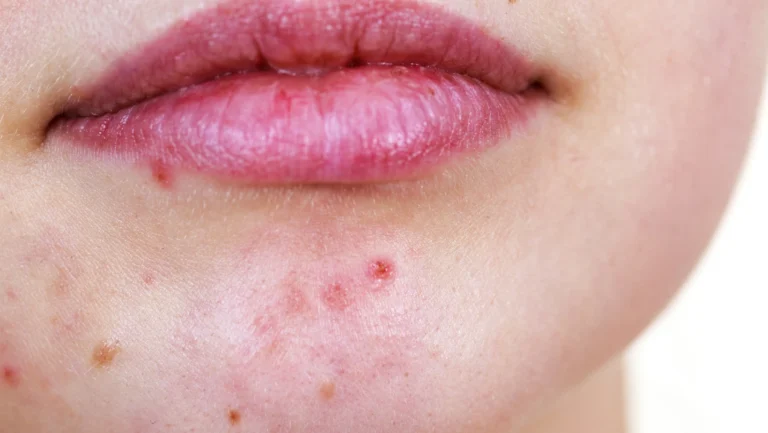
Newborn acne starts when a baby’s oil glands react to hormone changes. Most cases are mild and show as small red or pus-filled bumps on the face or chest. The main infant facial acne causes are hormones, sensitive skin, and sometimes yeast-related irritation.
- Red bumps, baby acne symptoms usually start around 2 weeks of age.
- The bumps may look worse when the baby cries.
- True newborn acne usually has no blackheads.
- If the rash begins after 6 weeks, a doctor should check it.
How to Use Breast Milk for Baby Acne
There is no standard medical rule that says to use breast milk for baby acne, but some parents try it as a home step. If a doctor has ruled out a different rash, keep it very light and stop if the skin gets redder or stickier. That is the safest way to use breast milk for baby acne. If a clinician approves it, using breast milk for baby acne should stay a one-step test, not a routine.
Applying small amounts gently
Use a tiny dab only. A clean finger or cotton ball is enough.
Keeping hands and skin clean
Wash hands before touching the face. Use freshly expressed milk, not milk that sat around too long. Expressed breast milk should be handled with clean hands and stored in clean food grade containers.
Avoiding excessive rubbing or irritation
Do not scrub, pinch, or keep reapplying product. Baby skin is thin, and extra rubbing can make red bumps baby acne symptoms look angrier. If the skin turns rough, sticky, or more inflamed, stop the home step and switch back to plain water care.
Does Breast Milk Actually Help Baby Acne?
Breast milk for baby acne sounds useful because human milk contains antibodies, lactoferrin, and other bioactive parts with antimicrobial and anti-inflammatory meal activity. Those ingredients help protect infants in general, but current medical sources do not list breast milk as a standard acne treatment. The benefit is possible, but unproven for the rash itself.
Antibacterial and soothing properties
Breast milk has compounds that can support immune defense. That is one reason people think breast milk for baby acne may calm the skin. The acne still often clears on its own.
Limited scientific evidence available
There are no strong baby acne trials showing that breast milk for baby acne works better than gentle cleansing. Major pediatric and dermatology sources focus on warm water, mild soap, and no oils or scrubbing.
Why improvement may happen naturally anyway
Most newborn acne fades on its own within weeks to months. If a parent starts breast milk for baby acne, the timing can fool people. The skin may improve because the baby is simply reaching the normal end of the rash.
Gentle Skincare for Newborn Acne
Gentle skincare for newborn acne is the part that has the best support. The skin should stay clean, dry, and free of heavy products. The simplest routine works best because newborn acne usually does not need medicine. If the bumps stay mild, this basic care is enough.
- Wash once a day with warm water.
- Use a mild baby soap only if a doctor says it is fine.
- Pat the skin dry.
- Skip lotions, oils, and thick ointments.
Most acne in infants clears without medicine, and rough products make the skin worse faster than the rash itself.
Natural Remedies for Newborn Acne
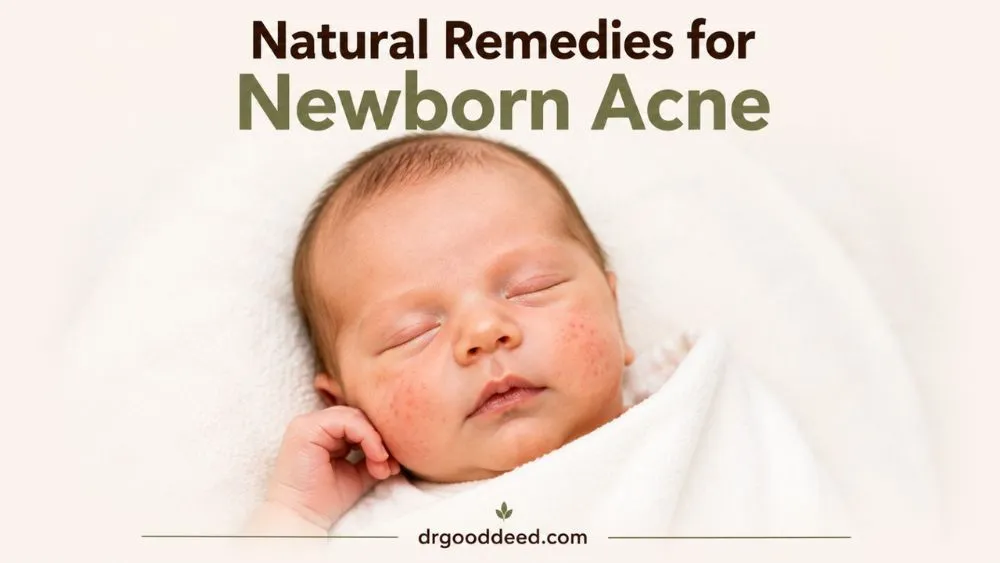
Some natural remedies for newborn acne are only simple skin care. The safest options are simple cleaning, soft clothing, and less friction. Anything oily, sticky, or harsh can trap sweat and clog the skin more.
Keeping baby skin clean and dry
Clean spit-up, milk, and drool off the face right away. This helps because residue can sit on sensitive skin and make bumps look worse. These basics help simple home care stay harmless instead of messy.
Choosing breathable fabrics
Use soft cotton near the face and neck. Tight collars, rough blankets, and hot rooms raise sweating and rubbing. Good fabric choice can actually lower irritation. These natural remedies for newborn acne work best when they stay simple.
Avoiding unnecessary home treatments
Skip toothpaste, oils, scrubs, and adult acne products. Those are not natural remedies for newborn acne. They are skin irritants. If a product is strong enough for adult acne, it is usually too harsh for a newborn.
What Can Make Baby Acne Worse?
Baby acne gets worse when the skin gets blocked, rubbed, or picked at. Heavy lotions and oils can clog pores. Sweat and friction can keep the bumps red. Picking can break the skin and raise infection risk.
Heavy lotions and oils
Avoid oily creams on acne spots because lotions and oils can make baby acne worse. This matters more when parents also try the milk and then layer other products on top.
Excess sweating and friction
Hot rooms, car seats, and rough blankets add friction. That can make the bumps stand out more. Keep the face cool, dry, and free from extra rubbing.
Picking or squeezing baby acne bumps
Never squeeze or scrub. That can cause tiny skin breaks and leave marks. This rule matters even when parents are trying breast milk for baby acne, because the rubbing can do more harm than the bump itself.
When Baby Acne Needs Medical Evaluation
Most baby acne is harmless, but not every newborn rash is acne. If the bumps start after 6 weeks, spread fast, leave scars, or look infected, get medical advice. A doctor can tell baby acne apart from eczema or a skin infection.
- Acne after 6 weeks needs a doctor visit.
- Blackheads, cysts, or scars need more attention.
- Fever, poor feeding, or a very sick baby needs urgent care.
- If a rash looks crusted, painful, or blistered, do not wait.
In this setting, infant facial acne causes are not the only issue. Some rashes are infections, and those need treatment fast. A quick exam prevents parents from treating the wrong problem at home.
How Long Does Baby Acne Last?
Baby acne often clears in a few days to a few weeks. Scarring is rare. If the rash lasts past 6 weeks or starts later in infancy, it may be infantile acne.
- Typical newborn acne fades by a few weeks or months.
- Some babies clear in days.
- Acne that begins after 6 weeks can last 6 months to 1 year.
- Earlier treatment matters more when scars appear.
Parents sometimes try this during the wait period. That is understandable, but the rash usually improves on its own. Time, not a home remedy, is the main reason the skin clears.
FAQs
Is baby acne normal in newborns?
Yes. Baby acne is common in the USA. It usually shows up around 2 weeks of age and fades without scars.
Can breast milk safely be applied to baby acne?
Yes, in small amounts on clean skin, but it is not a proven treatment.
How long does newborn acne usually last?
Usually, a few weeks, sometimes a few months. Acne that begins after 6 weeks can last 6 months to 1 year.
Why do babies develop acne after birth?
Hormone shifts before and after birth raise skin oil production. That can clog pores and cause bumps.
What skincare products should be avoided on baby acne?
Avoid lotions, oils, acne washes, scrubs, and ointments unless a doctor says to use them. These products can clog pores and make the bumps last longer.
Can oils or lotions make newborn acne worse?
Yes. Oils and thick lotions can block pores and keep the skin greasy. That can turn mild bumps into a longer rash.
How is baby acne different from eczema or heat rash?
Baby acne has red or pus-filled bumps. Eczema usually looks dry and itchy. Heat rash appears where sweat gets trapped. A doctor can tell them apart.
Should baby acne bumps ever be squeezed or scrubbed?
No. Squeezing or scrubbing can break the skin and raise infection risk. Gentle washing is enough for most cases, even when using home care.
When should parents worry about a newborn facial rash?
Worry if the rash starts after 6 weeks, spreads fast, looks painful, or comes with fever or poor feeding. Those signs point beyond simple baby acne and need medical care.
What is the safest daily skin-care routine for newborn acne?
Wash once a day with warm water, pat dry, and skip oils or heavy creams. That routine beats most gentle skincare for newborn acne plans because it keeps the skin calm and unclogged.