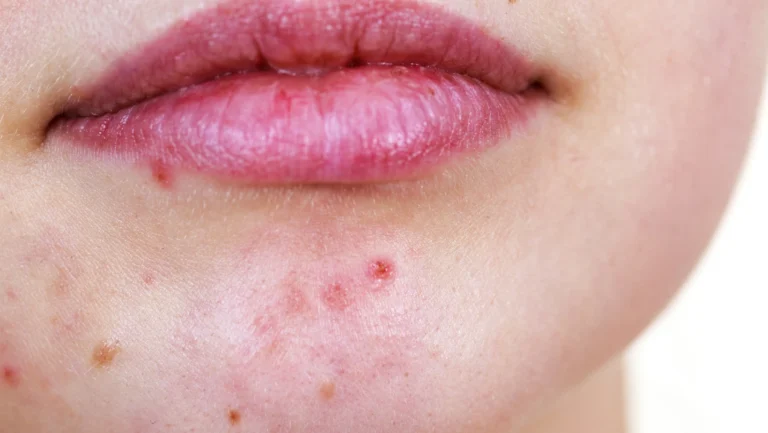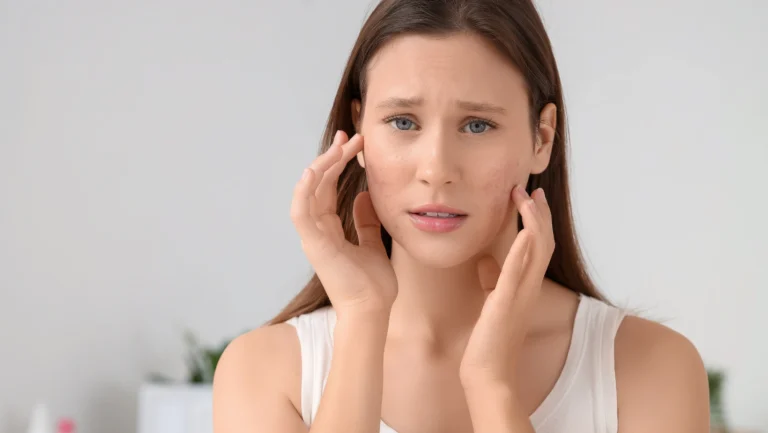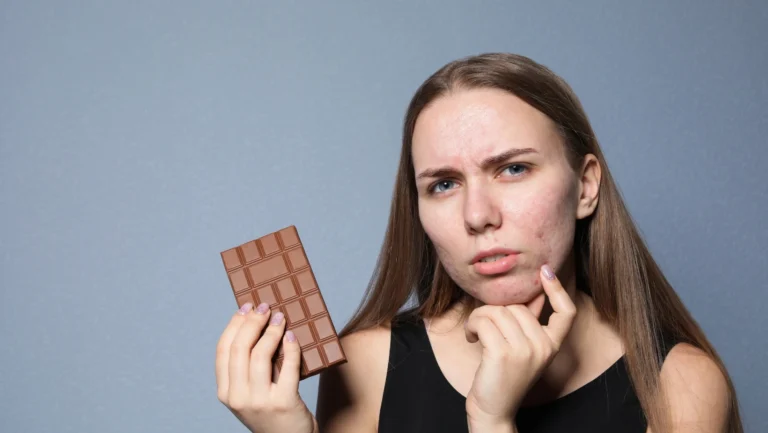
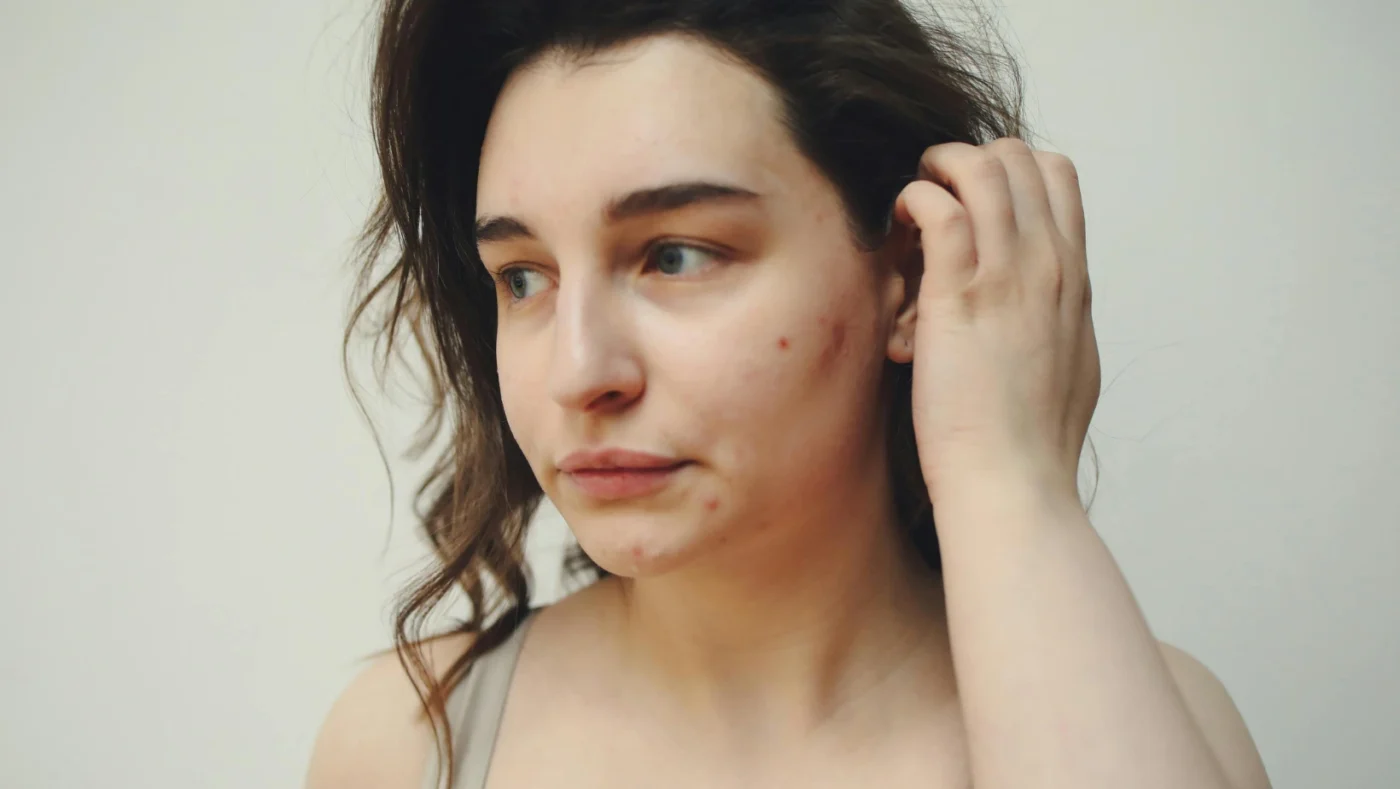

Smoking weed can cause acne. Research on this is still limited, but yes, smoking cannabis creates conditions that make acne more likely. Smoke exposure, cortisol spikes, disrupted sleep, poor hydration, and the lifestyle habits that often come with regular cannabis use all work against clear skin. Cannabis itself is not a confirmed direct acne trigger, but its indirect effects on skin are well-supported.
Smoking weed does not cause acne on its own. Not in the same way that high-glycemic foods or hormonal imbalances do. But the combination of smoke toxins, sleep disruption, and lifestyle factors tied to cannabis use creates a clear pathway to more frequent breakouts.
This guide covers how cannabis affects skin health, which specific mechanisms drive breakouts, and what habits make the biggest difference.
Does Smoking Cannabis Affect Skin?
Smoking cannabis can cause acne Combustion smoke from cannabis contains carbon monoxide, free radicals, and carcinogens (cancer-causing chemicals) similar to tobacco smoke. These compounds damage skin cells, reduce oxygen delivery to the skin, and trigger oxidative stress (cell damage from unstable molecules). The effects are not as severe as heavy tobacco smoking, but the skin impact is real with regular use.
Smoke Exposure and Oxidative Stress
Every time smoke comes into contact with skin, it deposits free radicals. Free radicals are unstable molecules that damage skin cells and break down collagen (the protein that keeps skin firm and smooth). This damage weakens the skin barrier.
A weaker skin barrier makes your skin more reactive, slower to heal, and more prone to clogged pores. Over time, consistent smoke exposure ages skin and increases inflammation, both of which drive acne.
Reduced Skin Oxygenation
Carbon monoxide in cannabis smoke binds to red blood cells, reducing the amount of oxygen they can carry. Skin cells need oxygen to function properly, repair damage, and regenerate.
When oxygenation drops, skin looks dull, heals slowly, and becomes more vulnerable to bacterial infections inside pores. That makes existing acne worse and creates a slower recovery cycle for breakouts.
Irritation From Smoking-Related Toxins
Smoke toxins from cannabis do not just affect your lungs. They settle on facial skin directly. For people with acne-prone skin, this surface-level irritation triggers localized inflammation (redness and swelling around pores).
That inflammation accelerates the clogging process. People who smoke near their face regularly often notice more breakouts around the mouth, chin, and cheeks, exactly the areas with highest smoke contact.
Smoking and Inflammation Causing Acne
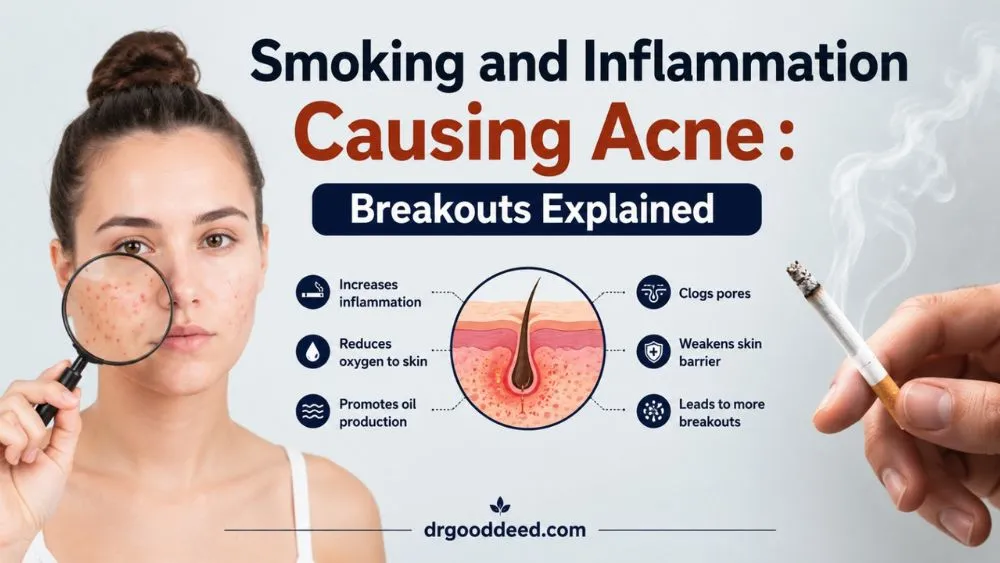
Smoking and inflammation causing acne is one of the most well-supported connections in the cannabis and skin discussion. Acne is fundamentally an inflammatory condition. Anything that drives body-wide inflammation makes acne more frequent and harder to resolve.
Chronic Inflammation and Skin Health
Regular cannabis smoking raises systemic inflammation (body-wide, low-level immune activity). Your immune system responds to smoke toxins the same way it responds to any foreign substance: with an inflammatory reaction.
Chronically elevated inflammation keeps your skin in a constant state of irritation. That means new breakouts form faster, and existing ones take longer to heal.
Stress Hormones and Oil Production
Cannabis affects the hypothalamic-pituitary-adrenal (HPA) axis, the system your body uses to manage stress responses. In some users, especially with high-frequency use, cannabis elevates cortisol. Cortisol tells sebaceous glands (oil glands in your skin) to produce more sebum (skin oil).
More sebum means more blocked pores and more breakouts. The effect depends heavily on the individual’s stress response to cannabis.
Delayed Skin Healing Processes
Healing acne requires a functioning immune response and good blood circulation. Regular smoking reduces both. Smoke toxins slow white blood cell activity (your infection-fighting cells), and reduced oxygenation slows cell repair. The result is that breakouts linger longer, leave marks more easily, and are more likely to become infected or cystic (deep, painful, under-skin pimples).
Hormones and Cannabis Skin Effects
Hormones and cannabis skin effects sit at the center of the skin health debate around cannabis. Cannabis interacts directly with your body’s endocannabinoid system (ECS), a network of receptors that regulates skin oil production, inflammation, and cell growth. That interaction has real implications for acne.
Endocannabinoid System and Skin Balance
Your skin has cannabinoid receptors. The ECS helps regulate sebum production, skin barrier function, and immune responses inside the skin. THC (tetrahydrocannabinol, the main psychoactive compound in cannabis) binds to these receptors.
Research suggests THC may increase sebum production in some users, while CBD (cannabidiol, another cannabis compound) may reduce it. The net effect depends on the ratio of compounds in what someone uses and their individual receptor sensitivity.
Possible Hormonal Fluctuations
Cannabis use affects testosterone levels in some users. Testosterone is a primary driver of sebum production. Higher testosterone means more oil production and more blocked pores.
Some studies show short-term testosterone spikes after cannabis use in certain individuals. This is one more mechanism connecting hormones and cannabis skin effects to breakouts, particularly in people who already have testosterone-driven acne.
Individual Differences in Skin Response
Not everyone who smokes cannabis breaks out. Genetics, existing hormone levels, skin type, frequency of use, and the specific cannabis product all determine skin response. Someone with dry skin and low baseline oil production will likely not notice any skin change.
Someone with already-oily, acne-prone skin and high sebum production will see a more obvious effect. Smoking weed cannot cause acne for everyone. It depends on your skin type and how your body responds to THC.
Lifestyle Habits Linked to Weed and Acne
Beyond direct skin effects, cannabis use often comes with habits that independently worsen acne. Smoking weed can cause acne through these indirect habits as much as through THC itself. Understanding these indirect triggers matters as much as the direct effects of THC and smoke on skin.
Regular cannabis-related habits that affect acne:
- Eating sugary or high-glycemic foods after cannabis use (“the munchies”) spikes insulin and increases sebum production. This is one of the more significant indirect acne drivers for cannabis users.
- Reduced water intake is common during cannabis use. Dehydration slows dead skin cell shedding and increases pore blockages.
- Poor sleep quality, despite cannabis often helping people fall asleep faster, reduces deep sleep stages that repair skin. Less deep sleep means less skin recovery overnight.
- Touching your face more frequently while relaxed or sedated transfers bacteria from hands to skin.
- Skipping a consistent skincare routine on days or nights of cannabis use leaves oil, sweat, and environmental debris on the skin overnight.
A skincare routine for acne-prone smokers needs to account for all of these habit-driven triggers, not just the smoke itself.
Can Weed Make Existing Acne Worse?
Smoking weed can cause acne to get worse when you already have breakouts. Cannabis does not just create new acne. It can amplify existing acne through oil buildup, physical irritation, and delayed healing.
Oily Skin and Sweat Buildup
THC raises body temperature slightly in some users. That increases sweating. Sweat combined with existing sebum creates a film over the skin that traps dead cells inside pores. For someone already managing oily or acne-prone skin, this sweating-and-oil combination directly feeds the clogging cycle.
Increased Touching or Picking of the Face
Cannabis relaxes inhibitions and increases tactile sensitivity in some users. That makes unconscious face touching more likely. Every time hands contact the face, bacteria from fingers transfer to skin. That bacteria feeds Cutibacterium acnes (the bacteria that causes acne) inside already-compromised pores and turns small blockages into active, inflamed breakouts.
Smoke Particles Irritating Acne-Prone Skin
Smoke particles that settle on skin are small enough to enter open pores and hair follicles. For someone with already-inflamed acne, these particles act as additional irritants.
They intensify local inflammation and push borderline pore blockages into active breakouts. This is why smoking and inflammation-causing acne is not just a theoretical connection. It shows up in the skin around areas of most smoke exposure.
Quitting Smoking and Skin Improvement
Quitting smoking and skin improvement are directly connected. When you stop exposing skin to smoke toxins, the body begins to repair oxidative damage. Skin oxygenation improves within days.
Collagen production picks up. Inflammation levels drop. Most people who quit smoking report noticeable improvements in skin clarity within four to eight weeks.
What improves when you stop smoking cannabis:
- Cortisol levels normalize, reducing excess sebum production
- Blood oxygen levels improve, speeding up skin cell repair
- Sleep quality improves, giving skin more recovery time overnight
- Inflammatory markers in the body decrease, reducing breakout frequency
- Skin barrier function strengthens, making skin more resistant to bacteria
For people who choose to continue using cannabis, switching from smoking to edibles removes all combustion-related skin exposure. Edibles deliver THC and CBD without the smoke toxins, carbon monoxide, or airborne particles that damage skin. The hormonal and ECS effects remain, but the direct skin irritation from smoke is completely eliminated.
FAQs
Why Do Some People Notice Acne Flare-Ups After Smoking Weed?
Cannabis smoke deposits free radicals on facial skin, triggering localized inflammation around pores. THC also raises cortisol in some users, increasing sebum (skin oil) production. Combined with the sugar cravings and reduced water intake that often follow cannabis use, skin conditions worsen within 24 to 48 hours of smoking.
Can Cannabis Affect Oil Production and Skin Inflammation?
Yes. THC binds to cannabinoid receptors in skin and stimulates sebaceous glands to produce more sebum. Hormones and cannabis skin effects on testosterone also increase oil production. More oil means more clogged pores. CBD, in contrast, may reduce sebum production, though the balance depends on the specific product used.
Does Smoke Exposure Worsen Acne-Prone Skin?
Yes. Smoking cannabis can affect skin in people with existing acne. Smoke particles settle into open pores, add to existing irritation, and slow healing. Carbon monoxide from cannabis smoke reduces skin oxygenation, which delays repair of active breakouts and increases their severity.
Can Quitting Smoking Improve Overall Skin Appearance?
Yes. Quitting smoking and skin improvement begins within days. Skin oxygenation increases as carbon monoxide clears from the blood (within 24 to 48 hours). Inflammation drops. Collagen repair resumes. Most people notice measurably clearer skin within four to eight weeks of stopping. Acne around the chin and mouth improves fastest.
How Does Poor Sleep Linked to Cannabis Use Affect Acne?
Cannabis suppresses REM sleep (the deep, restorative sleep stage where skin cell repair peaks). Less REM sleep means slower skin recovery, higher cortisol in the morning, and more oil production throughout the next day. Breakouts worsen in frequency and take longer to heal when deep sleep is regularly disrupted.
Is Vaping Cannabis Safer for Skin Than Smoking It?
Vaping reduces combustion toxins but does not eliminate all skin risk. Vapor still contains some irritants and THC still affects cortisol and the endocannabinoid system the same way. Smoking weed can cause acne more than vaping. Smoking produces more free radicals and skin-contact toxins. Vaping is a lower-risk option, but edibles are the safest choice for skin.
Can Sugary Cravings After Cannabis Use Worsen Breakouts?
Yes. The hunger increase from cannabis (often called “the munchies”) drives most people toward high-sugar, high-fat foods. These foods spike insulin and IGF-1 (Insulin-like Growth Factor-1), a hormone that directly increases oil production. This dietary trigger is often the biggest indirect driver of breakouts in regular cannabis users.
What Skin-Care Habits Are Important for Acne-Prone Smokers?
A skincare routine for acne-prone smokers should include: washing your face after every smoking session to remove surface particles, using a non-comedogenic (pore-safe) moisturizer, drinking at least eight cups of water daily, and applying a salicylic acid (BHA) cleanser to prevent pore buildup. Never skip washing before bed.
Are Hormones Affected by Regular Cannabis Use?
Yes. Regular cannabis use affects testosterone and cortisol levels. Hormones and cannabis skin effects include short-term testosterone spikes in some users, which increase sebum production. High-frequency use also suppresses the HPA axis, which disrupts cortisol regulation and keeps oil production elevated in acne-prone individuals over time.
When Should Acne Symptoms Be Evaluated Professionally?
See a dermatologist if acne involves cystic nodules (deep, painful, under-skin lumps), is spreading to your chest or back, is leaving permanent scars, or has not improved after eight to twelve weeks of consistent skincare and lifestyle changes. A dermatologist can test hormone levels and identify whether cannabis is a direct driver.