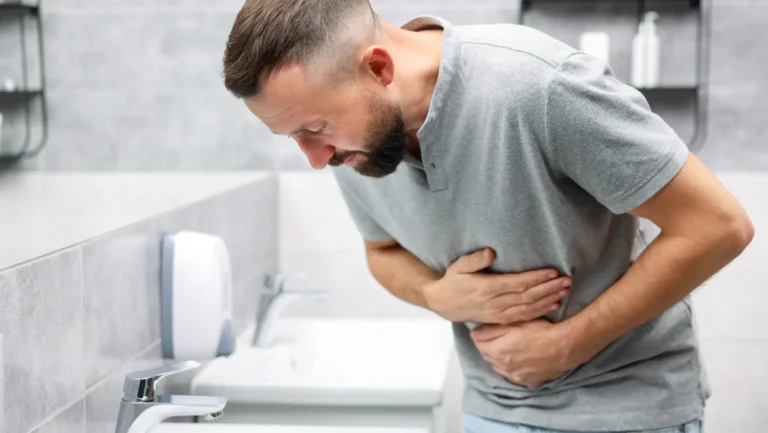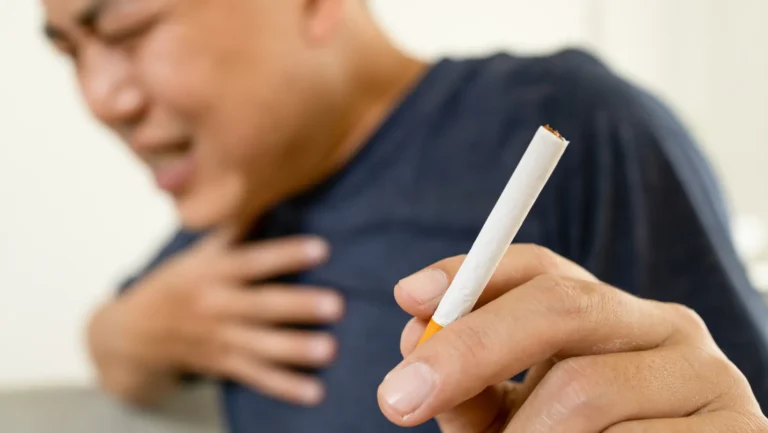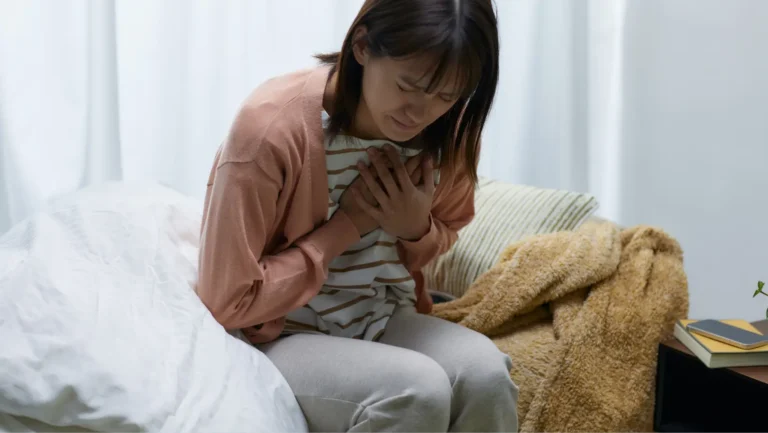

Alcohol can cause chest pain, and it does so through multiple distinct mechanisms, not just one. Alcohol irritates the esophagus, triggers acid reflux, dehydrates the body, raises heart rate, and in heavy drinkers, damages the heart muscle directly.
According to the National Institute on Alcohol Abuse and Alcoholism (NIAAA), alcohol-related cardiovascular and gastrointestinal complications are among the most common reasons adults in the US seek emergency care after drinking.
Alcohol-Induced Chest Pain Causes
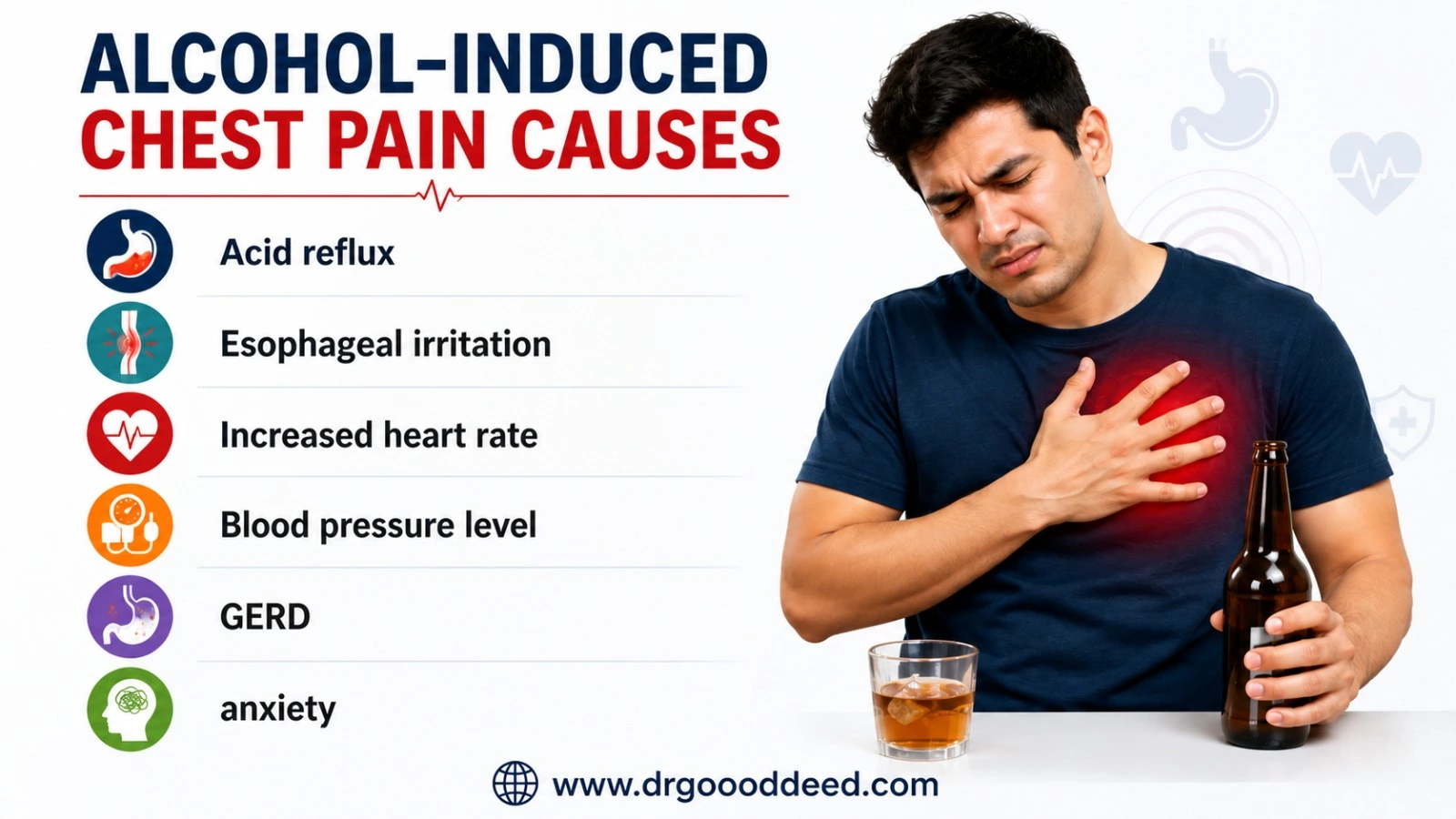
Alcohol-induced chest pain spans four body systems: the digestive tract, the cardiovascular system, the nervous system, and the musculoskeletal system. Most online articles pick one cause and stop there. The reality is more complicated.
Acid reflux and esophageal irritation
Alcohol relaxes the lower esophageal sphincter, which is the valve separating the stomach from the esophagus. When that valve relaxes too much, stomach acid flows back up. The result is a burning sensation in the mid-chest that worsens after drinking and intensifies when lying flat.
Dehydration from alcohol causing chest pain
Dehydration from alcohol causing chest pain is a direct physiological chain reaction. Alcohol is a diuretic. It forces the kidneys to excrete more water than the body takes in. Dehydration thickens the blood, reduces blood volume, and forces the heart to pump harder. That extra cardiac workload produces chest tightness and sometimes chest aching, especially in people who drink without eating or hydrating.
Increased heart rate and blood pressure
Even two to three standard drinks raises heart rate by 5 to 10 beats per minute. Blood pressure increases transiently. The heart pumping faster against higher resistance causes chest pain that many people mistake for a cardiac event.
Inflammation and irritation of tissues
Alcohol irritates the lining of the esophagus, stomach, and even the pericardium (the sac surrounding the heart) in chronic heavy drinkers. Inflammation of these tissues produces persistent chest discomfort that lingers well beyond the drinking episode.
The full picture of chest pain due to alcohol includes cardiac strain, dehydration, and tissue inflammation acting simultaneously. Understanding all four mechanisms explains why chest pain after drinking varies so much from person to person.
Burning Chest Pain After Alcohol Consumption
Burning chest pain after alcohol consumption is the most reported symptom among people who drink regularly. It is almost always GERD-related, but the severity depends on drinking volume and individual anatomy.
GERD triggered by alcohol
Alcohol triggers gastroesophageal reflux disease (GERD) by relaxing the esophageal sphincter and increasing stomach acid production simultaneously. The combination pushes acid further up the esophagus, creating a burning sensation behind the breastbone.
Acid irritation in the esophagus
Repeated acid exposure erodes the esophageal lining. Over time, the tissue becomes chronically inflamed, and even small amounts of alcohol produce burning chest pain after alcohol consumption that non-drinkers do not experience. This condition is called erosive esophagitis.
Pain worsens when lying down
Lying flat after drinking removes gravity’s help in keeping stomach acid down. The pain intensifies within 30 to 60 minutes of lying down. Sleeping with the head elevated 6 to 8 inches reduces the severity significantly.
Chest Discomfort With Hangover Symptoms
Chest discomfort with hangover symptoms is often dismissed as a minor inconvenience. It is not minor. It signals real physiological stress across multiple organ systems.
Dehydration and electrolyte imbalance
A hangover depletes sodium, potassium, and magnesium. These electrolytes regulate heart muscle contractions. When they drop, the heart beats irregularly and the chest feels tight or fluttery. This is why some people feel palpitations during a hangover.
Headache, fatigue, and chest tightness
The acetaldehyde buildup from alcohol metabolism causes widespread inflammation. Blood vessels dilate and then constrict. The heart compensates by increasing its workload. Chest discomfort with hangover symptoms is the body’s response to processing a toxin, not a sign of weakness.
Increased anxiety during hangover
Alcohol suppresses the central nervous system while drinking. During a hangover, the nervous system rebounds with heightened activity. This produces anxiety, rapid heart rate, and chest tightness that can last 6 to 12 hours after the drinking stops.
Effects of Alcohol on Heart Function
Alcohol can cause chest pain through direct damage to the heart, and this is the part most articles skip entirely.
Irregular heartbeat (palpitations)
“Holiday heart syndrome” is a documented clinical phenomenon in which binge drinking triggers atrial fibrillation (AFib) even in people with no prior heart disease. AFib causes irregular, rapid heartbeats and a sensation of the heart “flopping” in the chest. It typically appears the morning after heavy drinking and resolves within 24 hours in most first-time cases.
Increased cardiovascular strain
Alcohol raises systolic blood pressure within hours of consumption. For people with existing hypertension, even moderate drinking creates significant cardiovascular strain. The chest tightness that results is not imagined; it reflects the heart working against elevated resistance.
Alcohol-related heart conditions
Chronic heavy drinking, defined as more than 14 drinks per week for men and more than 7 for women by the American Heart Association, can cause alcoholic cardiomyopathy. The heart muscle weakens and enlarges. Chest pain while breath, and fatigue become persistent rather than occasional.
When Alcohol-Related Chest Pain Is Dangerous
Alcohol can cause chest pain severe enough to be a medical emergency. Knowing the difference between benign discomfort and a dangerous event is critical.
Call 911 immediately if chest pain after drinking is accompanied by:
- Pain radiating to the left arm, jaw, neck, or upper back
- Severe shortness of breath that does not improve with rest
- Fainting or near-fainting
- Cold sweat, pale skin, or confusion
- Chest pain that started before drinking began, not after
- Known history of coronary artery disease or heart failure with new-onset chest pain after alcohol
Holiday heart syndrome-related AFib that lasts more than 24 to 48 hours also requires emergency evaluation. Sustained AFib can cause blood clots to form in the heart, increasing stroke risk significantly.
How to Relieve Chest Pain After Drinking
Hydration and electrolyte balance
Drink at least 500 ml of water immediately. Follow with an electrolyte drink (Pedialyte or a sports drink with sodium and potassium) to restore the minerals lost through alcohol’s diuretic effect. This reduces heart palpitations and chest tightness within 30 to 60 minutes in most cases.
Antacids for acid reflux
Over-the-counter antacids like calcium carbonate (Tums) neutralize stomach acid within 5 to 10 minutes. H2 blockers like famotidine (Pepcid) work within 30 minutes and provide relief for up to 12 hours. These are appropriate for GERD-related burning chest pain after alcohol consumption.
Rest and avoiding further alcohol
Rest allows the heart to return to its resting rate. More alcohol delays recovery and prolongs chest discomfort. Stopping alcohol intake is the single most effective step.
Light meals and upright posture
Eating a small, bland meal (crackers, toast, or plain rice) absorbs residual stomach acid. Staying upright for at least 2 hours after eating prevents acid from flowing back into the esophagus.
Who Is More at Risk of Alcohol-Induced Chest Pain
Alcohol can cause chest pain more severely in certain groups. Specific risk factors make some people significantly more vulnerable.
People at higher risk include:
- Those with pre-existing GERD or hiatal hernia, where even one drink triggers significant acid reflux
- People with hypertension, where alcohol’s blood pressure spike creates immediate cardiovascular strain
- Anyone with a history of AFib or arrhythmias, where alcohol can reliably trigger an episode
- Women, who metabolize alcohol more slowly due to lower levels of alcohol dehydrogenase, resulting in longer exposure to acetaldehyde
- People taking NSAIDs or aspirin regularly, since these drugs combined with alcohol dramatically increase esophageal and stomach irritation
- Adults over 60, in whom the heart’s ability to compensate for alcohol-induced strain is reduced
Diagnosis: What Doctors Check
Heart evaluation (ECG, tests)
An ECG identifies arrhythmias including AFib, which may not be apparent from symptoms alone. Troponin blood tests rule out cardiac muscle damage. If coronary artery disease is suspected, a stress test or echocardiogram is ordered.
Digestive system assessment
An upper endoscopy directly visualizes the esophagus and stomach lining. It identifies erosive esophagitis, Barrett’s esophagus (a complication of chronic GERD), and esophageal varices in heavy drinkers with liver disease.
Lifestyle and alcohol history
Doctors ask about drinking frequency, volume per session, and the timing of chest pain relative to drinking. This history separates GERD-related pain from cardiac pain and guides the treatment plan.
When to Seek Medical Help
See a doctor within 24 hours if:
- Chest pain after drinking has occurred more than twice in the past month
- The pain is worsening with each drinking episode
- Antacids do not provide any relief
- The chest pain comes with persistent coughing, difficulty swallowing, or unexplained weight loss
Go to the ER immediately if the pain is crushing, radiates to the arm or jaw, or comes with fainting. Reducing alcohol intake to prevent chest pain is the most effective long-term strategy, but emergency symptoms require evaluation before lifestyle changes begin.
FAQs
Can alcohol cause chest pain the next day?
Yes. Alcohol can cause chest pain the next morning. It happens through two mechanisms: GERD-related acid irritation that persists 12 to 24 hours after drinking, and dehydration-driven cardiac strain that lingers until fluids and electrolytes are fully restored. Hangover-related AFib also causes morning chest pain in binge drinkers.
What are alcohol-induced chest pain causes?
Alcohol-induced chest pain can be caused by GERD due to esophageal sphincter relaxation, dehydration from alcohol leading to reduced blood volume, alcohol-triggered AFib resulting in chest fluttering, and acetaldehyde-driven inflammation affecting the esophageal lining. Each mechanism produces a distinct type of pain.
Why do I feel burning chest pain after alcohol consumption?
Burning chest pain after alcohol consumption comes from acid reflux. Alcohol relaxes the lower esophageal sphincter and increases stomach acid simultaneously. The acid contacts the unprotected esophageal lining and causes a burning sensation. Red wine and spirits trigger this more severely than beer.
Can dehydration from alcohol cause chest pain?
Yes. Dehydration from alcohol causing chest pain is real and measurable. Fluid loss reduces blood volume, causing the heart to beat faster and harder. This increases cardiac workload and produces chest tightness. Potassium and magnesium depletion also destabilize heart rhythm, adding to the discomfort.
What are chest discomfort with hangover symptoms?
Chest discomfort with hangover symptoms includes chest tightness from electrolyte imbalance, heart palpitations from nervous system rebound, and lingering GERD-related burning. These symptoms typically peak 6 to 8 hours after drinking stops and resolve within 24 hours with hydration and rest.
How to relieve chest pain after drinking alcohol?
Drink 500 ml of water immediately, follow with an electrolyte drink, take famotidine (Pepcid) for acid reflux, stay upright, and eat a bland small meal. These steps resolve most alcohol-related chest discomfort within 1 to 2 hours. Do not take ibuprofen or aspirin, as both worsen stomach irritation.
When should alcohol-related chest pain be serious?
Chest pain after drinking is serious when it radiates to the jaw or left arm, persists more than 30 minutes without improvement, comes with sweating or fainting, or occurs in someone with known heart disease. These are cardiac emergency signs. Call 911 and do not wait to see if the pain resolves.
Does alcohol affect heart health and cause pain?
Yes. Chronic heavy drinking causes alcoholic cardiomyopathy, a condition where the heart muscle weakens and enlarges. Even moderate drinking triggers AFib in susceptible people. Both conditions produce chest pain. The American Heart Association links regular heavy alcohol use to a measurably higher risk of heart failure.
Can reducing alcohol intake prevent chest pain?
Yes. Reducing alcohol intake to prevent chest pain is clinically supported. Cutting intake to fewer than 7 drinks per week reduces GERD episodes, lowers blood pressure, decreases AFib recurrence risk, and allows the esophageal lining to heal. Complete abstinence for 4 to 8 weeks often resolves acid-related chest pain entirely.
Should I see a doctor for chest pain after drinking?
Yes, if it happens repeatedly or worsens each time. A single mild episode that resolves with hydration and antacids is usually benign. Two or more episodes in a month, or any episode with radiating pain, shortness of breath, or palpitations, warrants a cardiac and gastrointestinal evaluation without delay.