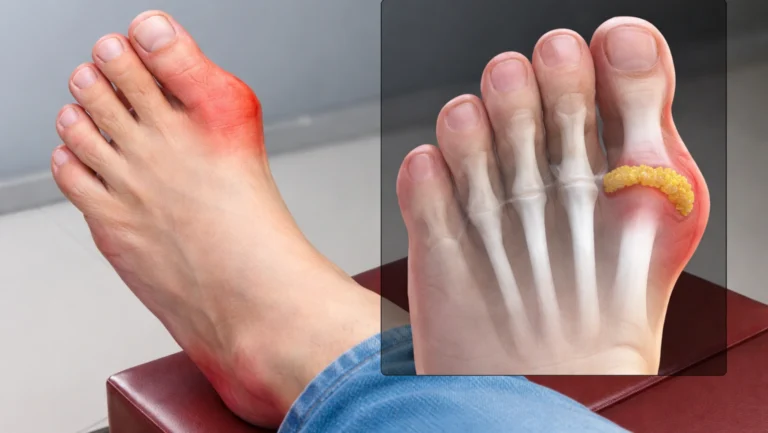

How long gout lasts depends on whether treatment starts early. Most gout attacks resolve in 3 to 10 days with proper medication. Without treatment, attacks stretch to 14 days or longer. Gout (ICD-10: M10) is a form of inflammatory arthritis affecting over 8 million adults in India, driven by elevated serum uric acid (hyperuricemia).
This article covers the full timeline of gout symptoms, what makes attacks last longer, how to get fast relief, and when untreated gout becomes a serious problem.
How Long Does a Gout Attack Last?
How long gout lasts varies based on treatment speed and the joint involved. With NSAIDs or colchicine started within 12 hours, pain improves noticeably within 24 to 48 hours. Full resolution takes 3 to 5 days. Without any treatment, the same attack lasts 7 to 14 days. A first-time attack tends to be shorter than repeat attacks because the crystal load in the joint is lower.
Quick reference:
- With treatment started within 12 hours: 1 to 3 days for significant relief; full resolution in 5 to 7 days
- With delayed treatment (after 24 hours): 5 to 10 days
- Without any treatment: 7 to 14 days, sometimes longer
- Severe or chronic gout: attacks can persist beyond 2 weeks
Timeline of Gout Symptoms
The timeline of gout symptoms follows a consistent pattern across most patients. Knowing each stage helps with faster action and better pain control.
Early Stage (0 to 24 Hours)
The attack begins suddenly, usually between midnight and 6 AM. Body temperature drops during sleep, which lowers the solubility of uric acid and accelerates crystal formation.
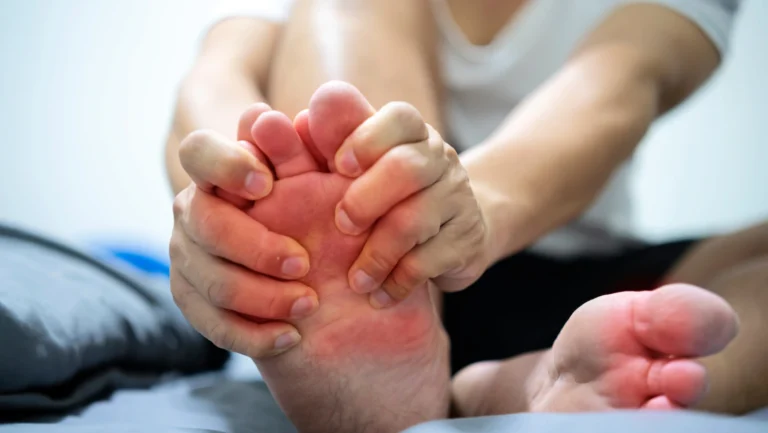
Within 6 to 12 hours of onset, the affected joint, most commonly the big toe, ankle, or knee, becomes red, hot, and swollen. The pain intensity during this phase is often described as unbearable. Even light contact with a bedsheet triggers sharp pain.
Peak Pain Phase (24 to 48 Hours)
Inflammation reaches its maximum at this point. The joint is severely swollen. Skin over the joint looks tight or shiny. Moving the joint feels impossible. This phase is driven by neutrophil activity; the immune system sends neutrophils to attack uric acid crystals, and this immune response causes most of the pain and swelling. Fever up to 38°C sometimes appears.
Recovery Phase (3 to 10 Days)
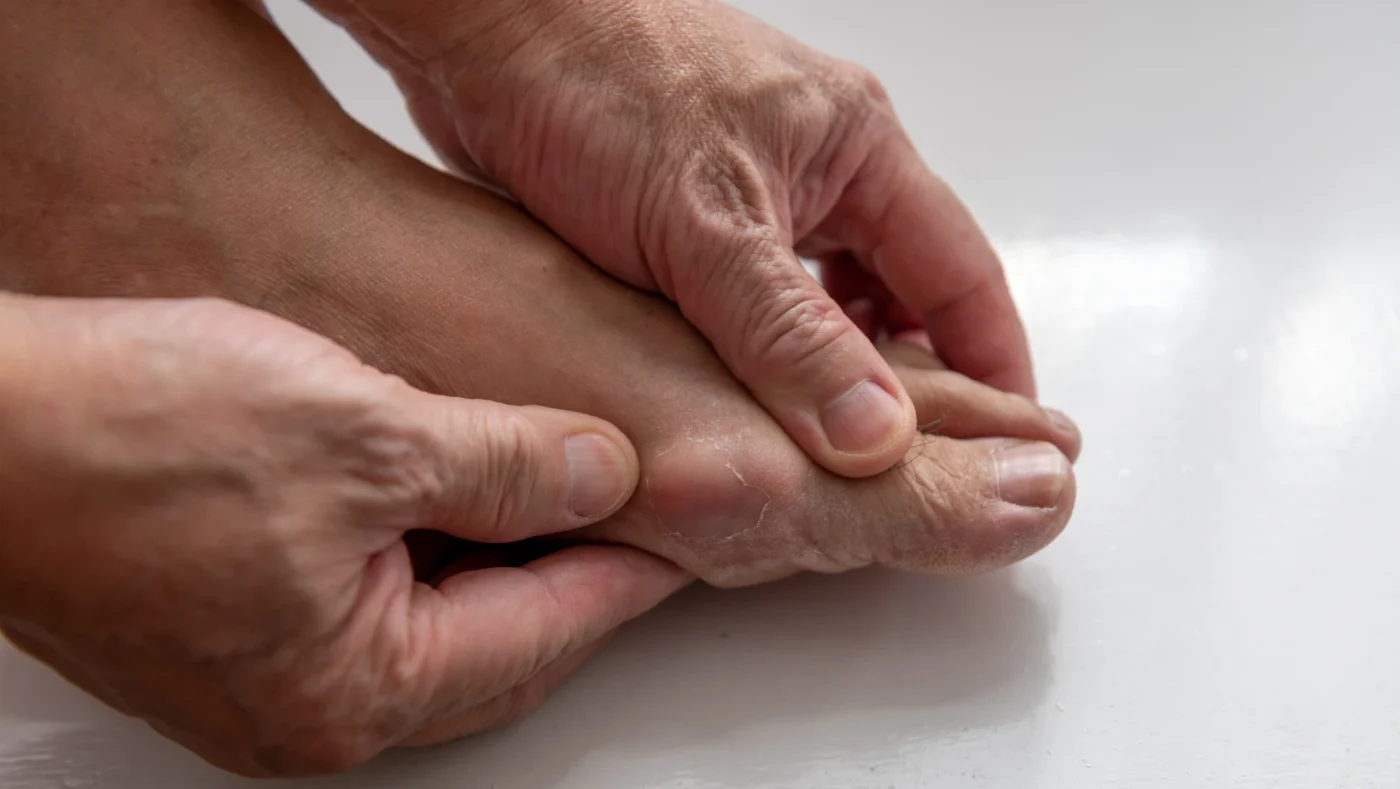
Pain gradually decreases. Swelling reduces over several days. As the attack resolves, the skin around the joint sometimes peels or itches; this is normal and results from fluid reabsorption. Joint function returns slowly. During this phase, uric acid crystals do not disappear. They remain in the joint and set up the next attack.
How Long Gout Flare-Ups Take to Heal
How long gout flare-ups take to heal depends heavily on whether medication is used and how fast it starts.
With Proper Treatment
Starting colchicine within 12 hours of symptom onset reduces attack duration significantly. The AGREE trial showed that low-dose colchicine (1.2mg followed by 0.6mg one hour later) produced pain relief comparable to high-dose regimens with fewer side effects. NSAIDs like naproxen 500mg twice daily also bring noticeable relief within 24 hours. Most treated attacks resolve fully in 5 to 7 days.
Without Treatment
Untreated gout flare lasts commonly 10 to 14 days. The immune response eventually winds down on its own, but the joint remains inflamed far longer. Each untreated attack causes slightly more cartilage damage than the last. People who skip treatment consistently develop chronic gout within 5 to 10 years, where low-level inflammation never fully clears between attacks.
What Affects How Long Gout Lasts
Severity of Uric Acid Buildup
Higher serum uric acid means more crystals in the joint. More crystals create a larger immune response. Attacks in people with uric acid above 9 mg/dL last longer and hurt more than attacks in people near 7 mg/dL.
Speed of Treatment Initiation
Every hour of delay matters. Starting medication within 6 hours of symptom onset produces the fastest recovery. Waiting 24 hours to start treatment roughly doubles the recovery timeline.
Joint Involved
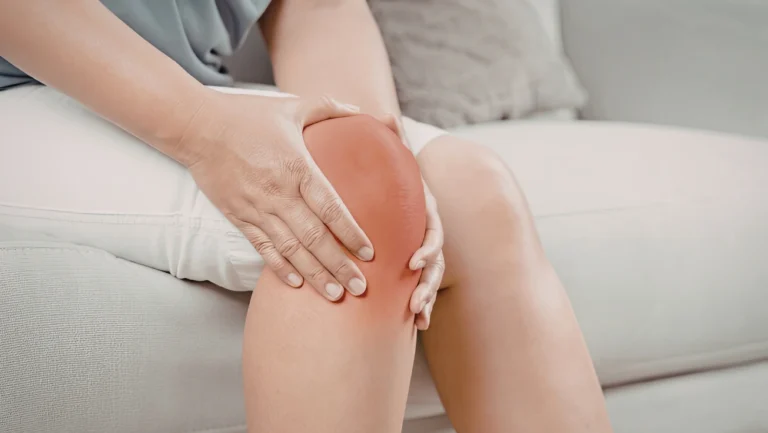
Big toe attacks tend to resolve faster than knee or ankle attacks. The knee joint holds more synovial fluid, which means more space for crystal accumulation and a larger inflammatory response. Knee gout attacks typically last 2 to 3 days longer than toe attacks under the same treatment conditions.
Underlying Conditions
Chronic kidney disease slows uric acid clearance, prolonging both the attack and the recovery. Obesity sustains higher baseline uric acid levels. People with type 2 diabetes have blunted immune regulation, which sometimes causes attacks to smolder longer than normal.
Triggers That Prolong Gout Symptoms
Triggers prolonging gout symptoms are mostly lifestyle-related and directly extend how long gout lasts beyond its normal course.
Alcohol and Sugary Drinks
Beer is the worst trigger because it contains both alcohol and purines from brewer’s yeast. Consuming alcohol during an active attack blocks kidney uric acid excretion and raises production simultaneously. Even one beer during a flare extends the attack by 1 to 3 days clinically.
High Purine Foods
Eating organ meats, shellfish, or red meat during a gout flare pushes serum uric acid higher. More uric acid means more crystals forming even as old ones are being cleared. This creates a feedback loop that sustains inflammation.
Dehydration
Dehydration concentrates uric acid in the blood. Less urine output means less uric acid leaving the body. Kidney uric acid excretion drops by roughly 30% when fluid intake falls below 1 liter per day.
Delayed Treatment
Waiting for the pain to pass without medication allows full neutrophil recruitment into the joint. Once maximum inflammation sets in (around 24 to 48 hours), it takes longer to clear regardless of what medication is started.
Certain Medications
Diuretics, low-dose aspirin (under 2g per day), and cyclosporine all raise uric acid by reducing kidney excretion. Taking these during a flare without medical guidance prolongs attacks. Do not stop prescribed medications without consulting a doctor first.
How to Reduce Gout Flare Quickly
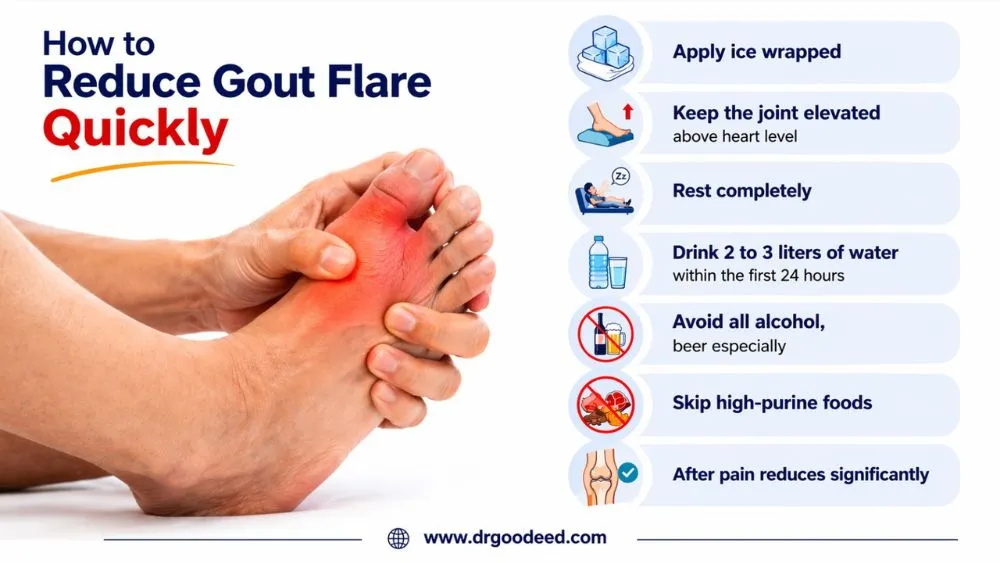
How to reduce gout flare quickly requires acting within the first 12 hours. The window for fastest recovery is narrow.
Immediate Pain Relief Steps
- Apply ice wrapped in a cloth to the joint for 20 minutes on, 20 minutes off
- Keep the joint elevated above heart level
- Rest completely; do not walk on an inflamed toe or knee
- Take an NSAID or colchicine immediately if prescribed
Medical Treatment
- NSAIDs: Indomethacin 50mg three times daily or naproxen 500mg twice daily for 5 to 7 days
- Colchicine: 1.2mg immediately, then 0.6mg one hour later; reduces attack intensity by up to 50% when started within 12 hours
- Steroids: Prednisone 30mg daily for 5 days works for people who cannot use NSAIDs or colchicine; a corticosteroid injection directly into the joint works faster for knee or ankle gout
Home Support Strategies
- Drink 2 to 3 liters of water within the first 24 hours
- Avoid all alcohol, beer especially
- Skip high-purine foods completely during the flare
- After pain reduces significantly (usually day 3 to 4), start light movement to prevent joint stiffness
How Often Do Gout Attacks Occur
First Attack vs Recurrent Gout
After a first attack, 62% of people experience a second attack within one year without treatment to lower uric acid. The interval between attacks shortens with each episode. First attacks are often isolated and short. By the third or fourth attack, duration and severity typically increase.
Increasing Frequency Over Time
Without uric acid-lowering therapy, attacks that start once a year progress to two or three times a year within 5 years. The crystal load in joints accumulates between attacks, making each new flare start faster and hurt more.
Chronic Gout Development
Chronic gout, where attacks occur more than three times per year and low-level joint inflammation persists between flares, develops in roughly 30% of people who do not control uric acid levels. At this stage, how long gout lasts becomes less meaningful because the joint never fully recovers between episodes.
Long-Term Outlook: Does Gout Go Away Completely
Can Gout Resolve on Its Own?
A single attack resolves on its own without medication. The underlying problem, elevated uric acid, does not. Without lowering serum uric acid below 6 mg/dL, crystals stay in the joint and attacks return.
Risk of Chronic Gout
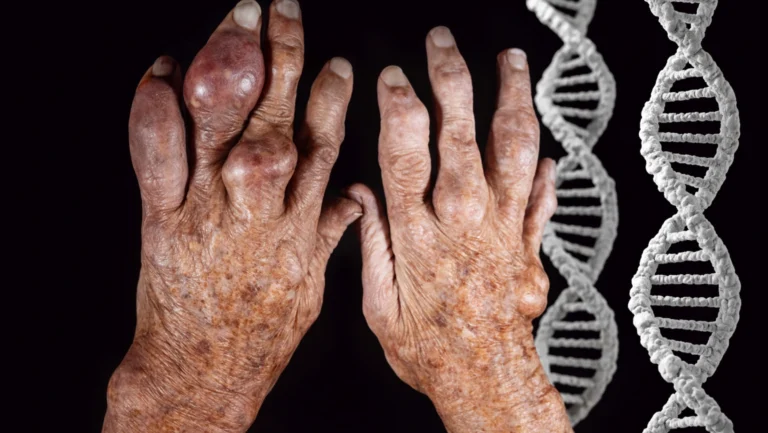
People with serum uric acid consistently above 9 mg/dL who never use urate-lowering therapy develop tophi (chalky uric acid deposits under the skin) within 10 years. Tophi cause permanent joint deformity and do not dissolve without sustained medical treatment.
Importance of Uric Acid Control
Allopurinol or febuxostat, taken daily, keep uric acid below the crystallization threshold. People who maintain uric acid below 6 mg/dL for two or more years see existing crystals dissolve gradually. Gout attacks stop entirely in most patients who reach this target consistently.
When to See a Doctor
First-Time Gout Symptoms
A first gout attack needs medical confirmation. Septic arthritis (bacterial joint infection) looks identical to gout but requires urgent antibiotics. A doctor differentiates using joint fluid analysis.
Severe or Prolonged Flare (More Than 10 Days)
An attack lasting beyond 10 days without improvement suggests either inadequate treatment, a misdiagnosis, or very high uric acid levels requiring medication adjustment.
Frequent Attacks
More than two attacks per year means diet changes alone are not enough. Urate-lowering therapy becomes necessary to prevent permanent joint damage.
Signs of Infection vs Gout
Fever above 38.5°C, rapidly spreading redness beyond the joint, and feeling systemically unwell (shaking, chills) suggest septic arthritis, not gout. This is a medical emergency requiring same-day evaluation.
Frequently Asked Questions
Can gout last only one day?
Rarely. A genuine gout attack lasting under 24 hours is unusual. Some very early attacks with minimal crystal load resolve quickly, but most persist at least 3 to 5 days even with medication. If pain fully disappears within a day, the diagnosis may not be gout.
Why does gout hurt more at night?
Body temperature drops during sleep, which lowers uric acid solubility and accelerates crystal formation inside joints. Cortisol (the body’s natural anti-inflammatory hormone) also reaches its lowest level between midnight and 4 AM, leaving inflammation less suppressed.
How long does gout last in the knee or foot?
Knee gout lasts 7 to 14 days on average, which is longer than foot gout (3 to 7 days). The knee holds more joint fluid, allowing larger crystal accumulation. How long gout last in the ankle falls between these two, typically 5 to 10 days with treatment.
Can walking worsen a gout attack?
Yes. Walking during a gout flare increases joint pressure, raises local temperature, and worsens crystal-induced inflammation. Rest for the first 24 to 48 hours shortens recovery. Light movement is appropriate only after pain drops significantly, usually from day 3 onward.
What is the fastest way to stop gout pain?
Colchicine 1.2mg taken within 6 hours of symptom onset produces the fastest pain reduction among oral medications. A direct corticosteroid injection into the joint works even faster, typically within 12 to 24 hours, for knee or ankle attacks.
Does drinking water shorten gout duration?
Yes. Drinking 2 to 3 liters daily increases kidney uric acid excretion by 30 to 40%. Higher urine output accelerates uric acid clearance from the blood, reducing the concentration driving crystal formation. Aggressive hydration in the first 24 hours measurably shortens attack duration.
Can gout become permanent?
Yes, if uric acid stays uncontrolled for years. Tophi form and cause permanent joint deformity. Cartilage erosion from repeated attacks becomes irreversible. But with uric acid maintained below 6 mg/dL for two or more years, existing crystals dissolve and attacks stop completely.
How long should I rest during a gout attack?
Rest the affected joint completely for the first 24 to 48 hours. After that, gentle movement helps maintain circulation without worsening inflammation. Full weight-bearing on an inflamed toe or knee should wait until swelling drops noticeably, usually around day 3 to 4.
What happens if gout is left untreated?
Untreated gout flare lasts for 14 days or more. Repeated untreated attacks cause cartilage erosion, tophi deposits, and chronic inflammation that never fully clears. Kidney stones develop in 20% of people with long-term uncontrolled gout. Joint deformity follows within 10 years.
Can diet alone shorten a gout attack?
No. Diet changes do not dissolve existing crystals inside the joint or suppress active immune inflammation. Diet lowers uric acid by roughly 1 to 1.5 mg/dL over weeks, which prevents future attacks. During an active flare, medication is the only effective way to shorten how long gout lasts.