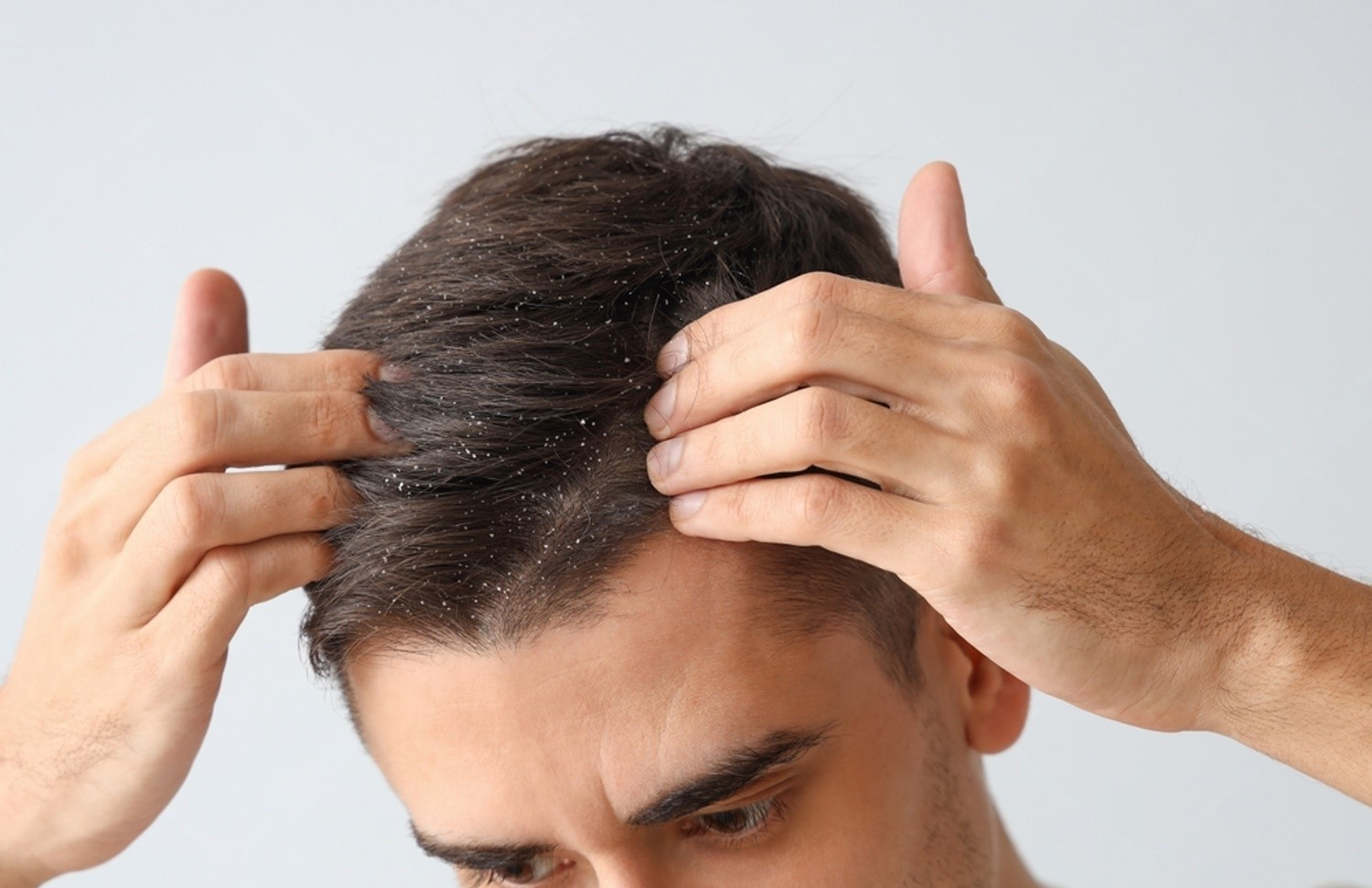
This is something out of the reach of our knowledge about diagnosing diseases. Well, not technically a disease, but a scalp issue. Dandruff could appear due to a variety of factors that combine to cause the buildup of flakes on your scalp.
Some of the factors are more common and hence considered the reason behind the buildup on the scalp. By understanding these common factors, you can follow preventive measures and stop it from happening again.
Plus, we have mentioned some ways to remove it effectively. Additionally, we have debunked some of the common myths surrounding dandruff.
Common Myths About Dandruff
Many people have misconceptions about this condition that are simply not true. Understanding the truth behind these myths can make managing them a lot less frustrating.
One of the most common beliefs is that it only affects people who don’t wash their hair often. In reality, that’s not the case. Many individuals who shower and shampoo regularly still struggle with flakes.
Another common mix-up is thinking that dandruff and dry scalp are the same thing. While both involve flaking, the first one is often linked to oily skin or irritation, and the latter typically lacks moisture, causing the skin to become flaky and peel.
There’s the idea that it can be cured permanently. While it can be managed effectively, for many people, it doesn’t go away for good. It tends to show up in cycles.
There’s also a lingering myth that dandruff is contagious. This simply isn’t true. You can’t catch it by sharing a brush or sitting next to someone who has it.
And this is what we decided to break down further in the form of causes of dandruff.
Top Causes of Dandruff
The exact cause is not clear. However, certain factors contribute to the production of flakes and exacerbation of symptoms.
These include, but are not limited to:
Malassezia Overgrowth:
This is considered the most common or even the primary cause. This is a naturally occurring yeast in our body. When this overgrows, it eats sebum oil. It then breaks down saturated acids, leaving unsaturated ones behind. Those acids result in the buildup of oil and flakes.
Oily or dry skin
Dandruff is often associated with oily skin, as sebum overproduction could lead to oil buildup and the formation of flakes. But dry skin could be a culprit in some cases.
However, the condition should be worse to cause a buildup of flakes. Your scalp needs a balanced oil production.
Sensitivity to Hair Products (Contact Dermatitis)
Many products marketed to solve this problem are loaded with ingredients that can quietly stir things up further. Strong detergents, synthetic fragrance, drying alcohols, they all sound fine in theory, but on the scalp, they can push things over the edge.
Even natural oils or herbal blends can cause trouble if they’re too heavy or too stimulating for already-sensitive skin.
Poor Hygiene or Infrequent Washing
You might be washing too often. Or not enough. Either way, the results can look surprisingly similar.
If you go too long between washes, sweat, dead skin, and oils collect at the roots. That buildup doesn’t just sit there harmlessly. It mixes with residue from styling products and environmental dust, creating a situation that can clog pores and irritate the skin.
But if you’re washing too aggressively or too frequently, you could be stripping away what little balance your scalp had left. This kind of over-cleaning can lead to tightness, mild discomfort, and, you guessed it, flaking.
Effective Ways to Treat Dandruff
There is no complete or permanent treatment for dandruff. It is so common that around half of the population gets it at least once in their life. And it is more common in males.
But there surely are ways that significantly help in removing it from your scalp and neutralize and balance the oil and moisture.
Regular Scalp Hygiene
The scalp needs cleaning just like other body parts, especially when dealing with oil and flake buildup. Regular washing, but not less or more, can significantly help loosen the flakes, remove dirt and flakes buildup, and improve hair health in general.
Plus, using a medicated shampoo in baths will ensure good treatment. More on this in the next section.
During baths, make sure to use tepid or cold water. Plus, avoid vigorously rubbing the towel to dry hair. Let them dry naturally in the air. Also, avoid using hair dryers, beauty products, dyes, and normal shampoos in the bath.
Use of Medicated Shampoos
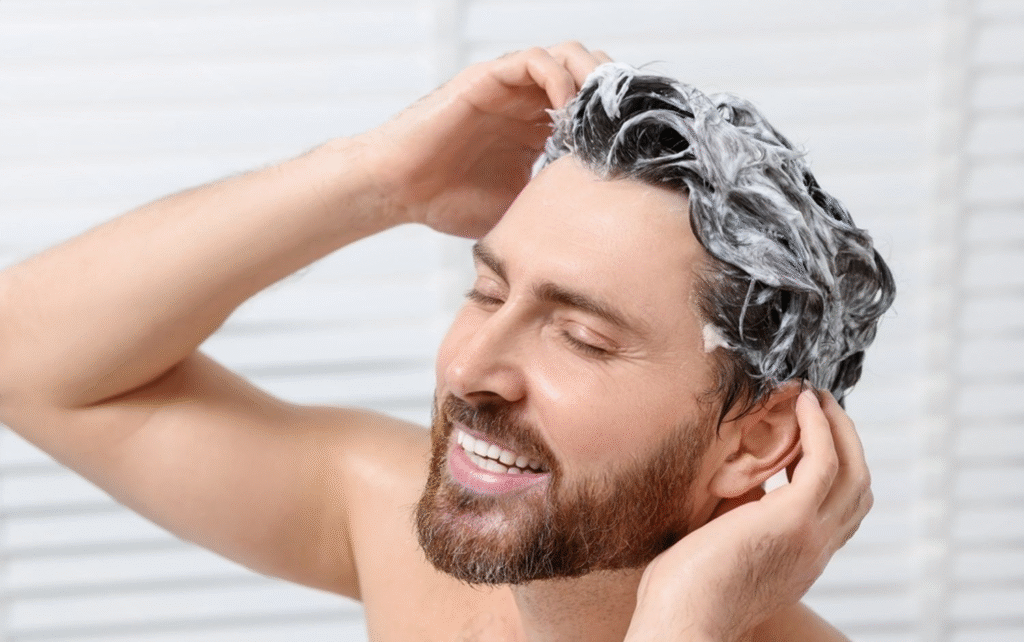
This promises great results, as medicated shampoos, including pyrithione zinc, selenium sulphide, or other ingredients proven to remove dandruff, will do the job effectively.
However, when using a Medicated Anti-Dandruff Shampoo, it is essential to be aware of dandruff triggers and their preventive measures to make the treatment effective.
To get the best out of the shampoo, follow the instructions on the product label. It will remove the associated symptoms like:
- Itching
- Redness
- Inflammation
If present.
Managing Stress Levels
Stress is a great trigger. The reason why we did not mention it in the causes section is that it needs more explanation and a reliable solution.
Stress is proven to weaken the skin barrier and immune system. Thus, reducing the natural ability to fight diseases and infection. In that case, you are more prone to complications and even infection due to sweating or dirt.
To reduce stress, the best thing is to consult a professional and a psychiatrist. However, you must:
- Make more meaningful connections
- Engage in social activities
- Do better for people and society
- Live a meaningful life
- Complete your religious practices and rituals
To reduce stress.
Dietary Improvements
Diet also plays an important role. You are what you eat. You have probably heard this several times, and it is the reality.
For dandruff, certain diets have been proven to be effective or good for its control. Eat green vegetables, foods containing zinc and omega-3 fatty acids, and seeds. Drink enough water.
Similarly, you should stay away from some foods that can exacerbate the symptoms. Oily and processed foods and sugary diets can increase oil buildup. Diet may have less impact compared to other factors, but it should be considered seriously.
Precautions
What works for one person doesn’t always work for another. Some scalps thrive on daily rinsing with gentle cleansers. Others need more rest between wash days to reset.
Finding the right rhythm often takes patience and a bit of trial and error. But what is common among all individuals is the precautionary measures. You must avoid its irritants that can exacerbate the symptoms.
- Do not use oils when there is dandruff.
- Do not try to pick flakes with your fingers. Use a comb instead.
- Avoid sweating as it can lead to infection.
- Keep your scalp cool and clean. But avoid over washing.
- Reduce stress as it affects your immune system, making it difficult to remove the flaky buildup.
Wrapping up
If nothing works for you and the flaking is persistent, or the condition worsens, or dandruff is recurring, it is better to consult a professional for personalized assistance in this matter.
He/she will assess your condition and identify if there is any underlying condition. A personalized prescription will give you better and satisfactory results. So, do not rely solely on OTC care.