
A hemorrhoid and a polyp can both cause rectal bleeding, but they come from completely different problems inside your body. A hemorrhoid is a swollen vein near the anus, while a polyp is a small tissue growth on the lining of the colon or rectum that doctors monitor closely because some types can turn into cancer over many years.
Since both issues can bleed, itch, or cause discomfort, many people mistake one for the other and delay important care. Understanding the difference between hemorrhoid and polyp helps you know when simple care is enough and when a colonoscopy might be needed.
Difference Between Hemorrhoid And Polyp
Key Anatomical Differences
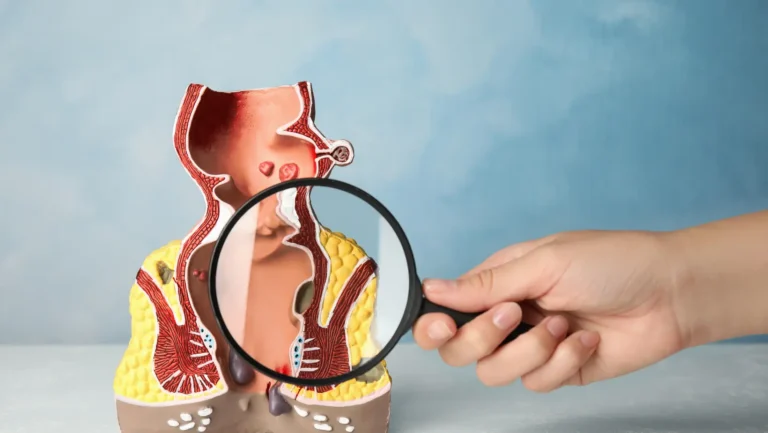
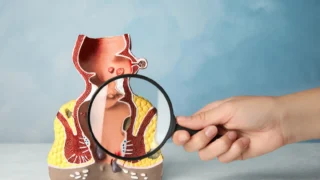
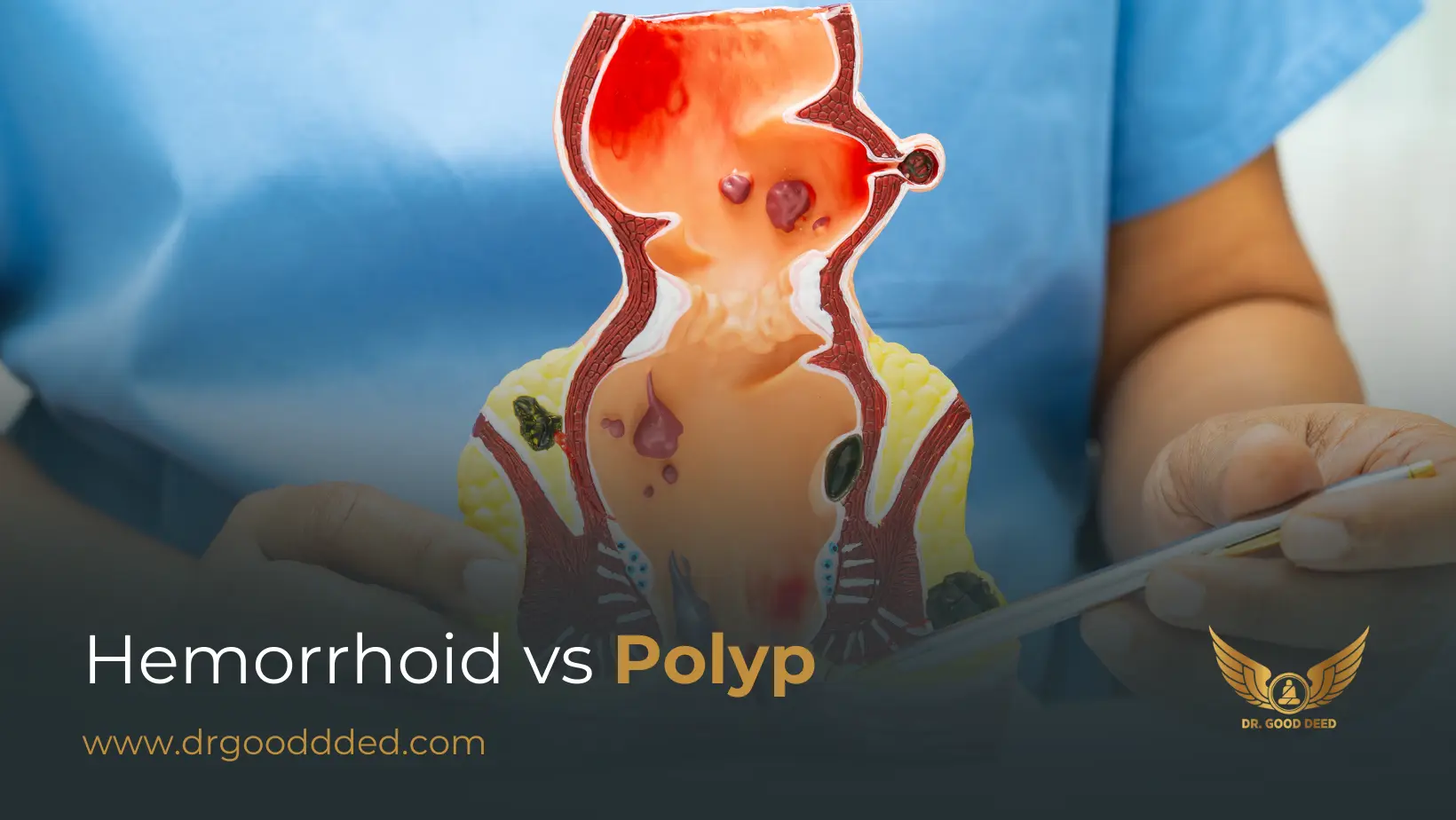
A hemorrhoid is a group of veins and soft tissue at the end of the rectum and around the anus. These veins swell when pressure in that area rises. A polyp is a clump of cells that grows from the inner lining of the colon or rectum into the hollow space inside.
You can think of a hemorrhoid as a puffy blood vessel and a polyp as a small bump of tissue. This basic structure difference explains why they look and behave differently.
How Growth Patterns Differ
A hemorrhoid grows when the normal anal cushions stretch and fill with blood over time. Pressure from straining, pregnancy, or long sitting can speed this up. A polyp grows because some cells start dividing more than they should. These extra cells pile up and form a visible polyp on the bowel wall. Some types of polyps may later change into cancer, which is why doctors do not ignore them. A hemorrhoid does not follow this cell change pattern.
Visual And Physical Differences
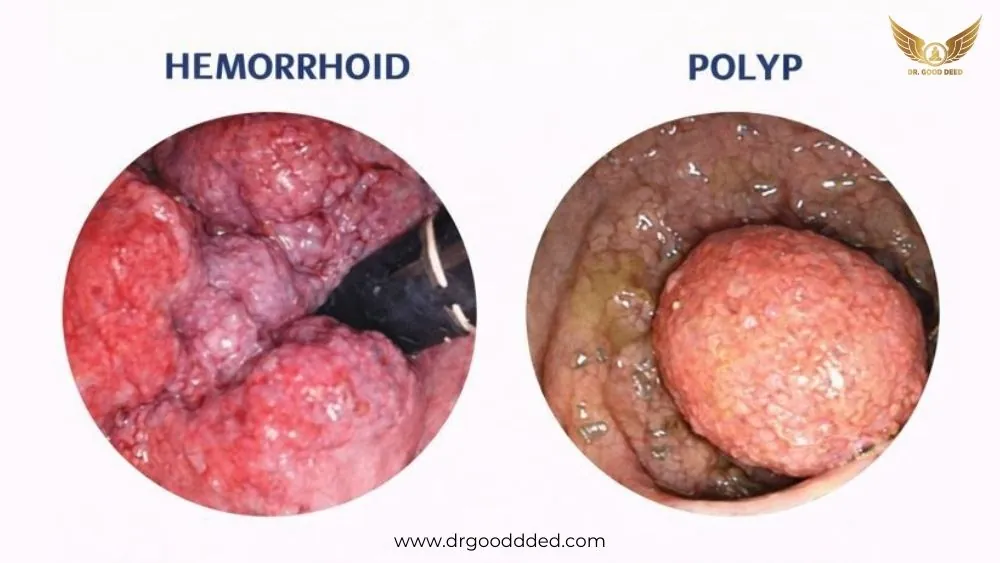
An external hemorrhoid often looks like a soft or firm lump at the anus. It may be skin-colored, red, or purple if a clot forms. An internal hemorrhoid sits just inside the anus and may slide out with straining.
A polyp usually cannot be seen from the outside at all. The polyp appears as a small bump or mushroom inside the colon when a doctor looks with a camera test called colonoscopy (a flexible tube with a tiny camera that checks the large intestine).
Symptoms Of Hemorrhoid Vs Polyp
Typical Hemorrhoid Symptoms
The classic symptoms of hemorrhoid include bright red blood on toilet paper or on the stool surface after you pass a bowel movement. You may feel pain or a lump at the anus when you sit. Itching, burning, and a sense of fullness in that area are also common symptoms of hemorrhoid . Internal hemorrhoid tissue may bleed without much pain, while external swelling can hurt a lot.
Typical Polyp Symptoms
Many symptoms of polyp do not show early because most polyps stay silent. When signs do appear, you might notice blood mixed with stool rather than just on the paper. Some symptoms of polyp include mucus in the stool or a change in how often you pass stool. Large polyps can sometimes cause cramping or a feeling that the bowel does not empty fully.
Overlapping Symptoms That Confuse People
Both a hemorrhoid and a polyp can cause rectal bleeding, which creates confusion. Bleeding from either problem can appear after you strain. The symptoms of hemorrhoid and symptoms of polyp can exist together in the same person. Many people assume every drop of rectal blood comes from a hemorrhoid , which can delay finding a dangerous polyp . This is why any new bleeding deserves a careful medical check.
Causes Of Polyps Vs Hemorrhoids
What Causes Hemorrhoids
The main causes of hemorrhoids involve extra pressure in the veins of the rectum and anus. Straining during bowel movements, chronic constipation, or long-lasting diarrhea can all trigger a hemorrhoid .
Being pregnant, lifting heavy objects often, or sitting on the toilet for long periods also add to the causes of hemorrhoids . Low-fiber intake and obesity increase pressure on these veins and make a hemorrhoid more likely.
What Causes Rectal Polyps
The causes of polyps are linked to abnormal cell growth in the inner lining of the colon or rectum. Age plays a strong role because the chance of a polyp rises as you get older. Family history of colon cancer or previous polyp growth also raises risk. Long-term bowel inflammation and unhealthy habits like smoking or very high red meat intake appear among the causes of polyps in research.
Shared Risk Factors
Some habits increase the risk of both hemorrhoid and polyp at the same time. A low-fibre diet leads to hard stool and straining, which feeds causes of hemorrhoids and may also harm the bowel lining.
Extra body weight and lack of exercise affect blood flow and gut health together. This means you could have a hemorrhoid and a polyp in different places without knowing it.
Rectal Polyp Vs Hemorrhoid:
Bleeding Differences
People often search for rectal polyp vs hemorrhoid because bleeding patterns worry them. A hemorrhoid usually causes bright red blood on the paper, on the stool surface, or dripping into the bowl after you strain. Bleeding from a polyp may mix more with the stool, so the whole stool looks streaked or darker. Hidden blood found only on stool tests fits more with a polyp or other inner bowel problem.
Pain And Discomfort Differences
An external hemorrhoid can cause sharp pain, throbbing, and tenderness when you sit or wipe. A clot inside that hemorrhoid makes the pain sudden and intense. Internal hemorrhoid tissue often bleeds without much pain at all. Most small polyp growths do not hurt, so you may have a polyp with bleeding but no soreness at the anus.
How Bowel Changes Help Distinguish
A hemorrhoid usually flares when you are constipated or strain, but your basic pattern of bowel movements often stays the same between flares. With rectal polyp vs hemorrhoid , doctors pay close attention to lasting changes in stool.
A polyp can cause new diarrhea, narrower stools, or a feeling that you still need to pass stool after going. Any new, ongoing change in bowel habits plus bleeding needs proper testing.
Diagnosis Of Hemorrhoids Vs Polyps
Physical Exam Findings
To look for a hemorrhoid , your doctor checks the skin around your anus and may feel inside with a gloved finger, called a digital rectal exam. External hemorrhoid lumps are usually easy to see or feel.
Internal hemorrhoid cushions may show when you strain during the exam. A polyp near the anus sometimes can be felt as a small bump on the rectal wall, but most polyp present deep inside and need a camera test.
When Colonoscopy Is Required
Colonoscopy (a camera exam of your whole large intestine) is the main test to find and remove a polyp . It lets the doctor see the full colon lining and spot even tiny bumps. You may need colonoscopy if you have rectal bleeding without a clear hemorrhoid cause, new bowel changes, anemia, or strong family history of colon cancer.
Red-Flag Signs Needing Urgent Evaluation
Certain signs should push you to seek urgent care rather than watch and wait at home. Heavy rectal bleeding that fills the bowl or causes dizziness is one warning. Black or very dark stool, strong belly pain, or fast heartbeat can signal serious lower gut bleeding.
Weight loss without trying or iron deficiency anemia on blood tests may point to a hidden polyp or cancer rather than a simple hemorrhoid . In these cases, quick medical review and timely colonoscopy can be life-saving.
Treatment For Hemorrhoids Vs Polyps
Medical And Home Treatments For Hemorrhoids
Most cases of hemorrhoid can be controlled with simple steps that protect the anal area and reduce pressure. Warm sitz baths calm swelling, and higher fiber intake helps stool move easily, so the hemorrhoid is not irritated again.
Creams and suppositories ease itching or burning when flare-ups appear. When home care is not enough, office treatments like rubber banding shrink an internal hemorrhoid by cutting off its blood supply.
Larger bumps or repeated bleeding may need surgical removal, but this is usually a last option. These choices form the core treatment for hemorrhoids , helping you stay comfortable and avoid future swelling.
Treatment Options For Polyps
A polyp cannot be treated with creams or home steps because it is a growth inside the bowel lining. The standard treatment for polyps is polypectomy, which removes the polyp during colonoscopy.
The doctor uses a small snare to cut it off and send it to the lab. If you have many polyp growths or a very large one, more than one session may be needed. Some rare cases require surgery when a polyp is too big or shows early cancer changes.
Colonoscopy is both a diagnosis and a treatment for polyps , making it the safest way to prevent long-term colon disease.
When Surgical Removal Is Required
Surgery for a hemorrhoid is considered when clots cause severe pain or when the lump keeps returning even after office care. Removing the swollen vein ends the problem and prevents repeated bleeds. In contrast, surgery for a polyp is chosen when a doctor sees signs that the polyp is too complex for standard removal. This prevents the spread of any abnormal cells and removes the source of future trouble.
Risks And Complications Of Hemorrhoids Vs Polyps
Potential Complications Of Hemorrhoids
A hemorrhoid may become thrombosed, which means a clot forms inside and causes sharp, intense pain. Some people notice a sudden hard lump at the anus when this happens.
Long-term irritation may lead to skin tags that catch stool and make cleaning difficult. Heavy bleeding is rare but possible, especially when the hemorrhoid is irritated by chronic constipation. The good news is that a hemorrhoid does not turn into cancer.
Risks Associated With Rectal Polyps
A polyp can bleed slowly over months, causing iron deficiency that leaves you tired or weak. Larger polyp growths might change how stool moves and cause narrow stools or cramping.
People with many polyp clusters may face a long-term risk because each growth behaves differently. Doctors explain that removing every polyp early reduces these risks and protects future bowel health.
Cancer Risk In Polyps
Some polyp types, especially adenomatous polyps, can slowly change into colorectal cancer if they remain untouched for years.
Not all polyp tissue behaves this way, but there is no way to know without lab testing. This is why screening and early treatment for polyps matter so much. Catching a polyp early is far easier and far safer than catching cancer later. Evidence shows that colonoscopy reduces cancer deaths by removing these growths before they cause harm.
Prevention Strategies For Hemorrhoids And Polyps
Diet And Lifestyle Adjustments
A high fiber diet lowers the pressure that leads to a hemorrhoid and also supports a healthy colon lining where a polyp might appear. Fiber pulls water into stool so it stays soft and easy to pass. Doctors recommend fruits, vegetables, beans, oats, and whole grains for daily support.
Drinking enough water keeps stool smooth and prevents strain. Regular movement also lowers both causes of hemorrhoids and causes of polyps .
Bowel Habits That Reduce Risks
Straining during bowel movements is a major trigger for causes of hemorrhoids , so it helps to go when your body signals and avoid sitting on the toilet for long. Quick, relaxed bathroom habits protect the anal veins from swelling.
These same habits protect your colon by keeping stool moving at a steady pace, lowering irritation that might influence causes of polyps . Keeping bowel motions regular is one of the easiest prevention steps you can take.
Routine Screening Recommendations
Colon cancer screening finds a polyp before it becomes dangerous. Most adults should begin screening around age 45 unless their doctor advises earlier due to family history. Removing each polyp during screening creates long-term protection.
Though screening does not directly treat a hemorrhoid , it ensures bleeding is not mistaken for a deeper issue.
When To See A Doctor For Rectal Bleeding
Signs Bleeding Is Not From Hemorrhoids
Bleeding that mixes with stool, appears with dark tar-like stool, or continues even when a hemorrhoid is not sore may point away from a simple vein problem. These bleeding patterns appear more in symptoms of a polyp , especially when bowel habits also change. If bleeding appears without pain, doctors caution not to assume a hemorrhoid is the cause.
Persistent Symptoms Requiring Evaluation
If rectal blood appears often, or if swelling, itching, or discomfort lasts beyond a few days, an exam is needed. Ongoing bowel pattern changes, such as long-lasting diarrhea, thin stools, or trouble emptying, may point to a deeper cause. These symptoms require a check so the doctor can sort out the difference between hemorrhoid and polyp and plan the right care.
When Emergency Symptoms Appear
Heavy bleeding that fills the toilet, dizziness, fainting, strong belly pain, or rapid heartbeat mean you should seek urgent help. These symptoms can come from a bleeding polyp , a severe hemorrhoid , or another gut emergency. Quick care protects your health and helps doctors stop the source of bleeding.
FAQs
How can I tell if I have a hemorrhoid or a polyp?
You cannot be sure at home because both can bleed. A hemorrhoid causes surface bleeding and soreness, while a polyp may bleed without pain, so a doctor’s exam is needed to confirm.
Do polyps cause pain like hemorrhoids?
Most polyp do not hurt, while a hemorrhoid often causes itching, burning, or tenderness. Pain differences are helpful clues but not reliable enough for diagnosis.
Can hemorrhoids turn into polyps?
A hemorrhoid cannot turn into a polyp because they come from different tissues, but a person may have both at the same time, which makes medical evaluation important.
Which one bleeds more, hemorrhoids or polyps?
A hemorrhoid tends to bleed bright red blood during straining, while a polyp may bleed more slowly and mix with stool, so bleeding patterns vary between the two.
Are rectal polyps dangerous?
A polyp can become dangerous if left for years because some types may change into cancer, which is why experts recommend early screening and removal.
Can hemorrhoids be diagnosed without a scope?
Most hemorrhoid cases are diagnosed with a simple physical exam, though a scope may still be needed if the bleeding pattern does not match typical symptoms.
Do polyps cause itching like hemorrhoids?
A polyp rarely causes itching because it sits inside the colon, while a hemorrhoid irritates the skin at the anus and often leads to itching.
What does polyp bleeding look like?
Bleeding from a polyp may streak through stool or make stool appear darker, while hemorrhoid bleeding stays bright red and appears on the paper or toilet surface.
Can hemorrhoids and polyps occur together?
Yes, a hemorrhoid and a polyp can occur at the same time, which makes proper testing important when symptoms do not match typical patterns.
When should I get a colonoscopy?
A colonoscopy is advised at the standard health screening age or sooner if you have bleeding without a clear cause, repeated bowel changes, or a family history that increases polyp risk.