
Hemorrhoids are swollen veins in the lower rectum or around the anus, and they are far more common than people think. External hemorrhoids usually appear as soft or firm bumps near the anal opening. They may look red, purple, or even blue when a clot forms. Internal hemorrhoids stay hidden but may show as moist pink tissue when they prolapse. Bleeding often shows up as bright red streaks on toilet paper.
Clear visual clues help you identify hemorrhoids visually and separate them from other conditions that look similar. Knowing how hemorrhoids look like at each stage helps you act early, manage symptoms, and prevent complications.
What External Hemorrhoids Look Like?
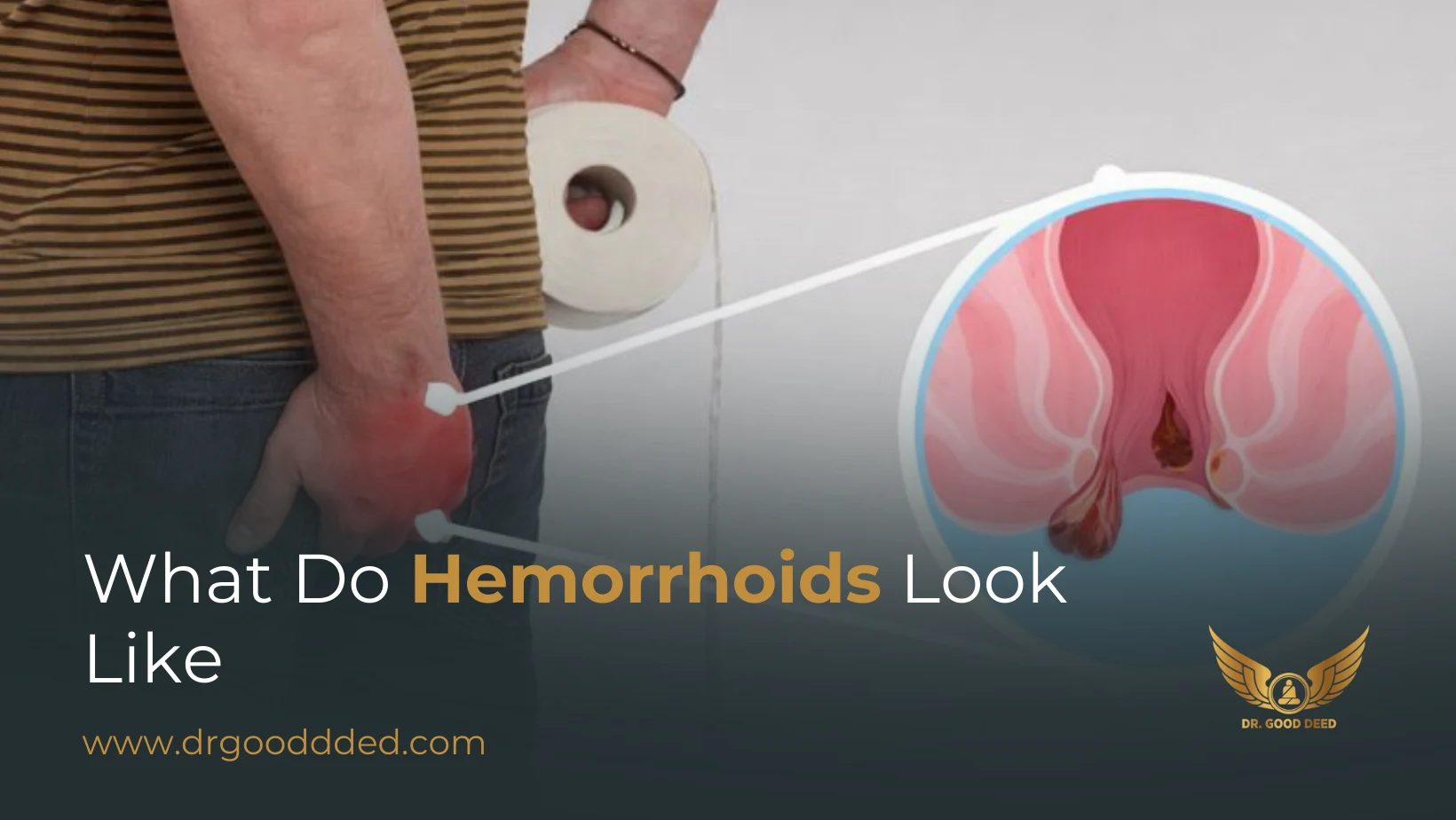
External hemorrhoids form under the skin just outside the anus. You can usually see them when you look in a mirror. They appear as bumps or lumps. They may feel soft or firm. They can stay small or grow larger after straining.
When a clot forms, the lump looks dark blue or purple and feels very hard and painful. These are thrombosed external hemorrhoids.
Visible Swollen Lumps Or Bumps
You will see round lumps near the anal opening. Sizes range from a pea to larger than a grape. The skin over them may shine. Lumps may appear alone or in groups. They can change size after a bowel movement. You may feel tenderness when you sit. These lumps match common descriptions of external hemorrhoids look like bumps.
Redness And Irritated Skin
The area around the lump may look red. The skin can feel raw from wiping or rubbing. Moisture may cause soreness. Repeated irritation may lead to small breaks in the skin. You may see dried blood on toilet paper. Redness often signals local inflammation.
Difference Between Hemorrhoids And Skin Tags
Skin tags are loose bits of extra skin. They stay the same size over time. They do not bleed or cause sharp pain. Hemorrhoids change size. Hemorrhoids can bleed after a bowel action. Hemorrhoids may cause sudden pain if they clot. If you cannot tell the difference, see a clinician for a simple exam.
What Internal Hemorrhoids Look Like
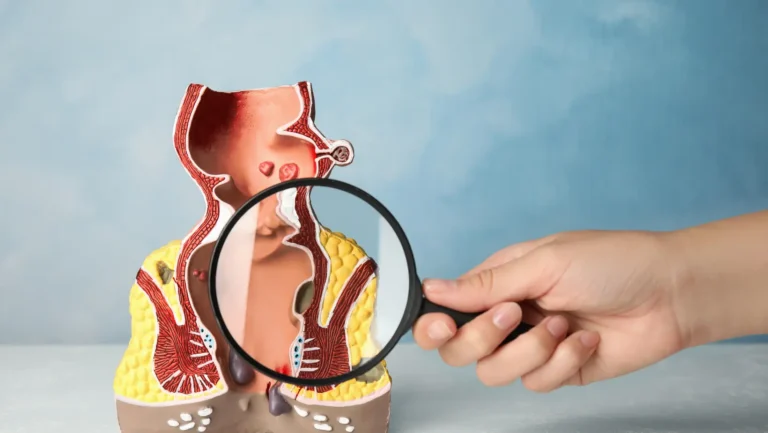
Internal hemorrhoids sit inside the rectum. You usually cannot see them with a mirror. They lie under the rectal lining (mucosa). Small ones stay hidden. Larger ones can push out of the anus. When they push out they look like pink or red moist tissue. Internal types tend to bleed rather than hurt. This is because the rectum has different nerve supply.
Why Internal Hemorrhoids Are Not Usually Visible
The rectal lining covers internal hemorrhoids. This lining hides the veins from view. You will not see them unless they prolapse. A medical exam finds internal hemorrhoids. Doctors use an anoscope or examine digitally. If bleeding or other warning signs appear, further tests may follow.
Symptoms Indicating Internal Hemorrhoids
Internal hemorrhoids often cause bright red blood on stool. Blood may appear on toilet paper. You may notice mucus discharge. You may feel a sense of incomplete evacuation. Small internal hemorrhoids usually do not cause sharp pain. If they prolapse, they may cause discomfort or pain. These symptom patterns match trusted clinical sources.
Appearance When Internal Hemorrhoids Prolapse
When internal hemorrhoids prolapse, they bulge outside the anus. The tissue looks moist and pink or red. It may retract on its own or after you push gently. Chronic prolapse may show swollen, irritated tissue. Prolapsed tissue may bleed or ooze mucus. If you see trapped or dark tissue, seek care.
What Bleeding Hemorrhoids Look Like
Bleeding is a common sign. The usual pattern is bright red blood. You may see blood on stool, in the toilet bowl, or on toilet paper. The amount can range from a few drops to more evident staining. Bright red blood suggests a low source near the anus. Still, heavy or dark bleeding needs urgent evaluation.
Bright Red Blood On Toilet Paper
If you see fresh, bright red blood on toilet paper, the source is close to the anal opening. Hemorrhoids bleeding look like this in many cases. This sign alone does not prove hemorrhoids. A clinician will confirm the cause when bleeding repeats or persists.
Signs Of Irritation Or Rupture
Bleeding hemorrhoids may show a torn surface or small ulcers. The skin may look raw. You may feel stinging after wiping. Repeated friction prevents healing. Use gentle cleaning and soft wipes. If the area keeps bleeding, get checked.
When Bleeding May Indicate Another Condition
Not all bleeding comes from hemorrhoids. Dark blood or black stools point to higher bleeding sources. Weight loss, change in bowel habit, and anemia need prompt medical review. Doctors may order colonoscopy to rule out other causes. Do not assume bleeding is harmless.
Signs Of Hemorrhoids You Can Identify Without Seeing Them
You do not always need sight. Symptoms give strong clues. Pay attention to pain, itch, and bowel changes.
Itching And Irritation Patterns
Itching follows moisture or discharge. You may see damp skin or stained underwear. Scratching makes the skin raw. Persistent itching often suggests hemorrhoids or skin irritation. Simple measures may help, but seek care for a lasting itch.
Pain Indicators Typical Of Hemorrhoids
External hemorrhoids cause pain with sitting and bowel movements. Thrombosed lumps produce sharp, sudden pain. Internal hemorrhoids usually cause little pain unless they prolapse. If pain is severe, explore other causes too.
Bowel Movement Symptoms
Pain during bowel movements suggests external problems or a tear. Bright red blood after stool is a common sign. A slimy discharge or a feeling of fullness after passing stool often links to internal hemorrhoids. Track what happens during and after bowel actions.
How To Identify Hemorrhoids Visually At Home
You can do a safe check at home. Use care. Do not push painful tissue. If you see worrying signs, stop and see a clinician.
Practical Steps To Identify Hemorrhoids Visually
- Wash hands and use a mirror.
- Sit on a towel and gently part the buttocks.
- Look for lumps, redness, or blood.
- Note color and firmness. Purple or blue often signals clot.
- Record what you see and when it happens. Use this record for your clinician.
When you perform this check, you can identify hemorrhoids visually in many cases. If you still doubt the cause, a clinician can confirm quickly.
Safe Self-Inspection Steps
Wash your hands well. Sit on a clean towel. Use a flashlight and a hand mirror. Gently part the buttocks with one hand. Look for lumps, discoloration, or blood. Do not insert objects into the anus. Stop if you feel pain. If you find a hard dark lump, seek care quickly.
Color Clues: Red, Purple, Blue
Color gives clues. Bright red shows fresh bleeding. Red or pink tissue suggests prolapse. Purple or blue points to a clot (thrombosis). Dark color may also mean poor blood flow. Color does not replace a medical exam. Evidence on color progression is limited and variable.
When Hardness Or Clotting Suggests Thrombosis
A sudden, very painful, hard lump most often signals a clot inside the hemorrhoid. This is a thrombosed hemorrhoid. You will feel sharp pain with sitting. Early medical review can offer faster relief. Treatment choices vary by how recent the clot is. Context and timing matter.
What Prolapsed Hemorrhoids Look Like
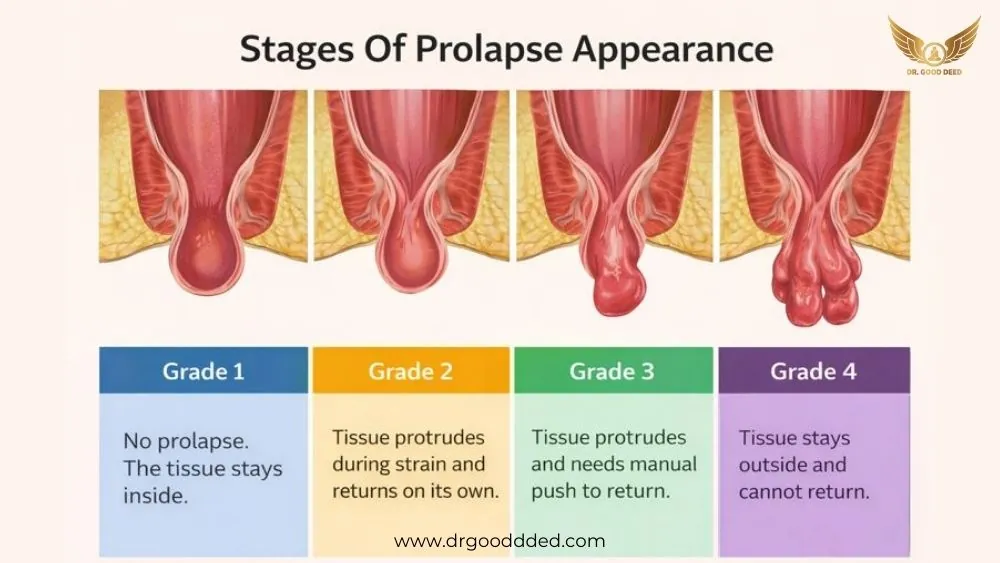
Prolapsed hemorrhoids sit outside the anus. They vary in size and feel. You can often see folds of moist tissue. The visual will match the prolapse stage. If the tissue looks trapped, dark, or very sore, get urgent care.
Stages Of Prolapse Appearance
- Grade 1: No prolapse. The tissue stays inside.
- Grade 2: Tissue protrudes during strain and returns on its own.
- Grade 3: Tissue protrudes and needs manual push to return.
- Grade 4: Tissue stays outside and cannot return.
Each grade looks different. Grade 3 and 4 often show obvious moist tissue and may bleed. Grading helps doctors pick treatment.
Soft Versus Firm Swollen Tissue
Soft prolapsed tissue slides back more easily. Firm tissue suggests a clot or scar change. Firm lumps hurt more. Firm color often is bluish or dark. Soft tissue looks pink and moist. Note the firmness when you check.
When A Prolapse Becomes Severe
A severe prolapse can trap tissue. Trapped tissue may lose blood flow. The tissue may change color and become painful. Severe trapped prolapse needs urgent medical care. Do not try forceful maneuvers to return the tissue.
Conditions That Look Like Hemorrhoids
Anal Fissures
Anal fissures are small tears in the skin around the anus. They cause sharp pain during bowel movements. You may see a thin line or crack. They often bleed bright red. Fissure pain is worse with passing hard stool. Unlike hemorrhoids, fissures cause sharp, cutting pain that lasts seconds to minutes. If pain is severe, see a clinician.
Perianal Abscess
A perianal abscess is an infected pocket near the anus. The area looks red, swollen, and warm. You may see pus or drainage. Pain is constant and worsens with touch. Abscesses can raise your temperature. This condition needs urgent medical care and drainage. Do not try to squeeze or treat it at home.
Rectal Polyps Or Skin Tags
Polyps grow from the inside lining of the rectum. They may bleed, but usually do not hurt. Skin tags are extra flaps of skin outside the anus. Tags do not change with bowel movements. Tags do not bleed or hurt like hemorrhoids. If you find a persistent lump, a doctor can tell the difference.
When To See A Doctor
Warning Signs Requiring Care
Seek immediate care for heavy bleeding or fainting. Visit urgently if you have fever with anal pain. Get help for sudden, severe pain or trapped tissue that turns dark. These signs may need quick treatment.
Persistent Or Worsening Symptoms
See a clinician if symptoms last more than one week. If bleeding repeats or pain increases, get evaluated. Persistent changes in bowel habit or unexplained weight loss require prompt testing. Do not ignore ongoing problems.
Diagnostic Evaluation Methods
Doctors first do a visual exam. They may do a digital rectal exam. An anoscope lets them view the anal canal. For ongoing bleeding, they may order a colonoscopy. Tests rule out other causes like polyps or disease. Tests vary by your age and symptoms. Evidence about tests and follow-up varies across guidelines.
Treatment Options After Identification
Home Remedies For Mild Hemorrhoids
Soak in warm water for 10 to 15 minutes, twice daily. Use a sitz bath or shallow tub. Increase fiber in your diet to soften stool. Drink more water. Avoid straining during bowel movements. Take short breaks from sitting. These steps often ease symptoms.
OTC Creams And Wipes
Over-the-counter creams can reduce pain and itching. Use hydrocortisone or witch hazel wipes for short periods. Follow package directions. If creams do not help within a week, see a clinician. Do not use steroid creams long-term without advice.
Medical Procedures For Severe Cases
Doctors may use rubber band ligation to remove internal hemorrhoids. They may use infrared coagulation or sclerotherapy for small internal types. For large or persistent hemorrhoids, they may recommend surgery. A thrombosed external hemorrhoid may need urgent minor surgery. Procedure choice depends on grade, symptoms, and your health.
FAQs
What Do Early Hemorrhoids Look Like?
Early hemorrhoids look like small bumps or slight redness near the anal opening. You may see tiny lumps or only minor bleeding. Early signs often respond to home care.
Can Hemorrhoids Look Like A Pimple Or Bump?
Yes. hemorrhoids look like pimples when they first form outside the anus. A pimple usually has a head. Hemorrhoids often feel firmer and may hurt more.
What Does A Thrombosed Hemorrhoid Look Like?
A thrombosed hemorrhoid looks dark blue or purple and feels hard. You will have sharp pain and swelling. This clot often needs medical review for faster relief.
Are Internal Hemorrhoids Visible Externally?
Internal hemorrhoids are usually hidden inside. Only prolapsed internal hemorrhoids become visible. When they prolapse, internal hemorrhoids look like pink, moist folds outside the anus.
What Color Should Hemorrhoids Be?
Colors vary. Fresh bleeding makes a bright red color. Inflamed tissue looks red. Clotted tissue looks purple or blue. Dark color can signal trapped tissue or a clot.
How Do Hemorrhoids Differ From Skin Tags?
Skin tags remain soft and unchanged over time. Hemorrhoids change size with bowel movements. Hemorrhoids may bleed or hurt. Tags usually do not.
What Does Severe Hemorrhoid Swelling Look Like?
Severe swelling may cover the anal opening with large, moist tissue. The area may bleed and feel very painful. Trapped or dark tissue needs urgent care.
Can Hemorrhoids Change Appearance Over Time?
Yes. Hemorrhoids look like different things as they worsen or heal. They can swell, clot, bleed, or shrink. Keep notes on changes to help your clinician.
Do Hemorrhoids Always Bleed?
No. Some hemorrhoids never bleed. Others bleed with strain. If you see bright red blood on toilet paper, consider how hemorrhoids bleeding look like and seek evaluation if it repeats.
When Should I Worry About How My Hemorrhoids Look?
Worry if bleeding is heavy or if tissue turns dark. Seek help for severe pain, fever, or drainage. Persistent or worsening signs need prompt medical review.