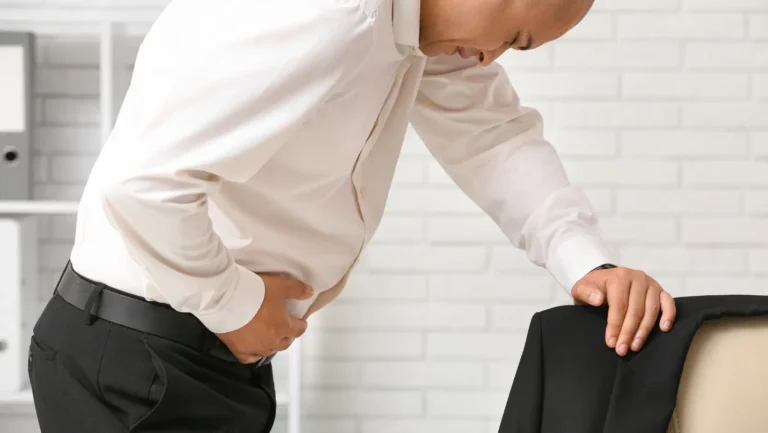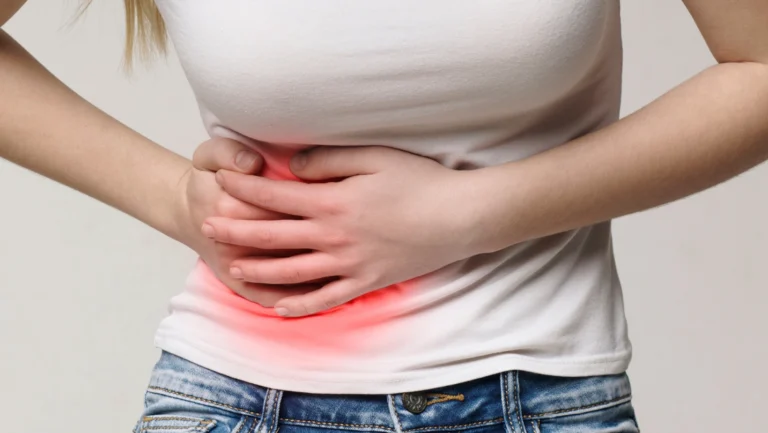

Diarrhea means passing loose or watery stools more often than normal. It happens when the colon moves too fast or fails to absorb enough water from waste. This change can occur without infection, fever, or spoiled food.
Stress can cause diarrhea by switching your body into a high-alert state. When you feel stressed, your brain activates the gut–brain axis, a two-way signaling system that links emotions with digestion.
Stress hormones like cortisol and adrenaline rise and send signals to your intestines. These signals speed up bowel movement, reduce water absorption, and increase muscle squeezing in the colon. As a result, stool moves too quickly and comes out loose.
Anxiety And Diarrhea Connection
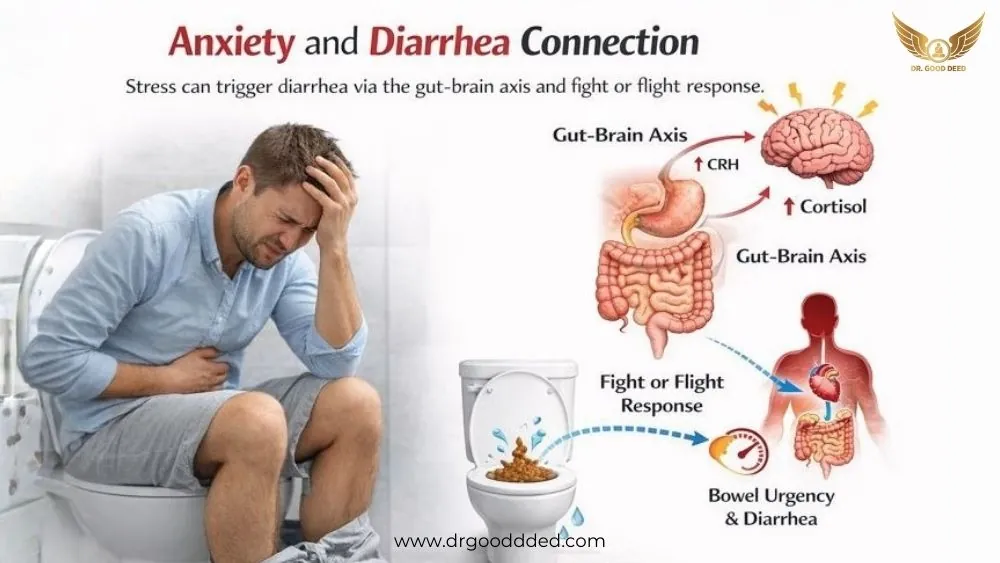
When anxiety rises, your body prepares for danger. Your gut may “clear out” as part of that alert state. That is the connection between anxiety and diarrhea you feel before exams, interviews, or tough talks.
For you, this can look like urgent bathroom trips that match your stress peaks. It can also come with belly cramps, nausea, or a fluttery stomach.
Gut – Brain Axis And Stress Response
Your gut has its own nerve network called the enteric nervous system (a nerve web in your intestines). It talks with your brain through the vagus nerve and stress pathways.
A stress pathway is the HPA axis (hypothalamus–pituitary–adrenal axis). Under stress, your brain releases CRH (corticotropin-releasing hormone). That helps switch on cortisol.
Research on functional gut disorders shows this stress system can get out of balance, and cortisol patterns can link with gut symptoms and anxiety scores. That helps explain why stress can cause diarrhea even when you eat “safe” foods.
Fight Or Flight Response And Bowel Urgency
Fight or flight is a body’s emergency setting. It shifts blood flow and energy. Digestion becomes a lower priority. Your gut movement can change in either direction, but many people get faster colon movement. Faster movement means less time to absorb water. The stool stays loose.
That is why stress can cause diarrhea right before a big moment. Your colon acts like it needs to empty now, not later.
Panic Attacks And Sudden Diarrhea
A panic attack can feel like a false alarm that your body believes. Your heart pounds, chest tightens, and you shake, and your gut can also surge.
During panic, adrenaline rises and muscles tense. Your intestines may cramp. You can get sudden urgency, then diarrhea. For some people, the bathroom trip becomes part of the fear loop. You fear symptoms, then symptoms spike.
So yes, stress can cause diarrhea in panic moments. The timing often gives it away. It shows up during the fear wave, then eases later.
IBS Stress Diarrhea Explained
IBS is a long-term gut condition. It can cause belly pain, bloating, and diarrhea or constipation . Many people with IBS notice symptoms get worse with stress.
IBS is not “made up.” It describe real body changes, like gut–brain axis disruption, gut movement changes, gut sensitivity, and microbiome shifts. This matters because stress can cause diarrhea in anyone, but IBS can make it easier to trigger.
How Stress Triggers IBS-D Flare-Ups
IBS-D means IBS with diarrhea. In IBS, your gut nerves can become extra sensitive, which is called visceral hypersensitivity (your intestines feel pain or discomfort more easily).
Stress can turn up that sensitivity. It can also affect gut motion. A stress response can increase the squeezing and speed in the bowel. Then an IBS-D flare can start, even if your meals did not change.
So during a stressful week, stress can cause diarrhea more often and with stronger urgency if you have IBS-D.
Difference Between IBS Diarrhea And Stress Diarrhea
Stress diarrhea often tracks a clear stress event. It may last hours or a day. It often improves when your stress drops.
IBS diarrhea tends to repeat over time. It often comes with belly pain that improves after you poop. It may come with bloating and a pattern of “good weeks” and “bad weeks.” Still, the line can blur. If you already have IBS, stress diarrhea can look like an IBS flare.
Why IBS Worsens During Emotional Stress
IBS has many drivers, such as gut–brain axis changes, gut movement issues, microbiome shifts, and psychosocial factors. Stress can press on several of those drivers at once. It can change cortisol signals. It can change gut motion. It can also raise pain sensitivity in the brain–gut pathway.
That is why many people feel that emotional stress causes digestive issues that look physical, not mental.
Stress And Gut Health Diarrhea
Your gut health depends on movement, bacteria, and a calm immune balance. Stress can disrupt all three. That is why stress can cause diarrhea beyond “nerves.”
Role Of Cortisol And Adrenaline
Cortisol helps manage your stress response. Adrenaline helps you react fast. Both can affect digestion.
Research on gut disorders describes how stress systems like the HPA axis can link with gut symptoms and how stress hormones can relate to gut motor function changes. Hormone alarms can change how your intestines move and how they handle fluid. That sets the stage for diarrhea.
Increased Gut Motility During Stress
Motility means how your gut moves food forward. Stress can push motility off balance. Many stressors can change gut motor function in similar ways, including faster movement in the lower gut.
Fast movement shortens water absorption time. That makes the stool looser. It also creates urgency. This is why stress can cause diarrhea with cramps that ease after you go.
Stress-Related Changes In Gut Microbiome
Your gut microbiome is the mix of bacteria and other microbes in your intestines. They help with digestion and immune signaling.
A stress–gut link that involves the microbiota, and note that stress-related shifts in microbiome diversity can add to gut dysfunction. This does not mean stress “kills” your gut bacteria overnight.
Symptoms Of Diarrhea
When stress can cause diarrhea , the signs often feel sudden and urgent. You might feel sick but your gut still acts like it needs to empty fast. The symptoms of diarrhea can look mild at first, then annoy you all day if stress stays high.
Loose Or Watery Stools
Loose stool means your poop has extra water. When your colon moves too fast, it cannot pull enough water back into your body. That is one reason stress can cause diarrhea without infection. It can look like mush, or it can look almost watery.
If it happens once after a tense meeting, it can still be stress-related. If it happens many times per day, you should watch hydration signs.
Sudden Urge To Pass Stool
Urgency means you need a toilet quickly. Stress can tighten gut muscles and speed up colon squeezing. You may feel fine one minute, then feel “I must go now” the next minute. This is one of the most common symptoms of diarrhea that people notice during anxiety spikes.
Abdominal Cramps And Bloating
Cramps can feel like a squeeze in your lower belly. Some cramps ease right after you poop. Bloating can feel like pressure or swelling. In stress diarrhea, cramps often come from fast gut motion and muscle tension. In IBS, cramps can feel stronger because the gut nerves react more.
Nausea Without Infection
Stress can upset your stomach even when you do not have a virus. Nausea can happen because the nervous system shifts digestion in an “alert” state. A clue is timing. If nausea rises with worry and eases when you calm down, stress may drive it.
Diarrhea Without Fever
Fever often points to infection. Stress diarrhea usually comes with a normal temperature. If you have a fever with diarrhea, you should consider infection and talk with a clinician if it is not improving.
Emotional Stress Digestive Issues
Long days, conflict, grief, or worry can show up in your belly. This is not “weakness.” It is body wiring. The gut and brain share signals through nerves, hormones, and immune pathways.
That is why emotional stress causes digestive issues for many people, even when lab tests look normal.
How Emotional Stress Disrupts Digestion
Stress turns up the body’s alarm systems. That can change how quickly food moves, how strongly the bowel squeezes, and how sensitive your gut feels.
The microbiome and stress describe a two-way loop. Stress can shift gut function, and gut signals can also affect mood. Evidence is strong for “two-way talk,” but the exact microbiome changes vary by person, so scientists still study what matters most in daily care.
Stress-Related Stomach Pain And Bowel Changes
Your stomach can feel tight or burning during stress. Your bowel habits can swing, too. You may poop more often, or you may get constipated. For many people, emotional stress causes digestive issues that switch back and forth based on what the nervous system is doing that week.
If you already have IBS, brain areas linked with threat and emotion can react differently when you expect pain. That can raise gut symptoms during stress.
Why Symptoms Improve When Stress Reduces
When stress drops, your body can leave fight-or-flight. Gut movement often slows toward normal. Your gut can absorb water better. Pain signals can quiet down. This pattern supports the connection between anxiety and diarrhea you may notice in your own life. Stress goes down, and your gut often settles.
How Long Does Stress-Related Diarrhea Last?
How long it lasts depends on how long the stress response stays on. It also depends on your gut baseline, sleep, and what you eat that day.
Short-Term Stress Diarrhea Duration
If stress hits for a short time, diarrhea may last a few hours or a day. You might have one or two loose stools, then stop once you feel safe again. In this short pattern, stress can cause diarrhea that ends on its own, as long as you hydrate well.
Chronic Stress And Recurring Diarrhea
Chronic stress can keep your nervous system “revved up.” You may get repeated loose stools for weeks. Sleep loss can worsen this. Skipped meals and too much caffeine can worsen it, too. If IBS is in the picture, stress-driven flare-ups can repeat because IBS is stress-sensitive.
When Diarrhea Becomes Persistent
If diarrhea continues past a couple of days, you should not assume it is only stress. Persistence, dehydration, severe pain, fever, and bloody or black stools are signs to seek immediate care. Stress may still play a role, but you want to rule out infections, medication side effects, and gut disease.
How To Stop Stress-Induced Diarrhea
You get the best results when you calm the stress signal and make your gut’s workload easier. No single trick works for everyone, but you can stack small steps.
Stress Management Techniques For Gut Health
If stress can cause diarrhea for you, daily stress habits matter more than one “fix.” Try steady sleep timing. Try simple movement most days. Keep meals on a routine so your gut does not get surprised.
If anxiety feels heavy, therapy methods like CBT (Cognitive Behavioral Therapy, meaning skills to change unhelpful thought loops) can reduce gut symptoms for some people with IBS and stress-related gut patterns.
Breathing Exercises To Calm Digestion
Slow breathing can switch your body toward rest mode. Breathe in through your nose for four counts. Breathe out for six counts. Repeat for three minutes.
This helps because it reduces body alarm signals that can tighten the gut. It can make urgency feel less urgent.
Dietary Changes To Reduce Diarrhea
During a flare, keep food plain and low-grease. Choose easy foods like rice, toast, bananas, oatmeal, and soups. Avoid huge meals. Eat smaller meals more often.
If you suspect IBS, you may react to certain carbs called FODMAPs (a group of fermenting sugars). You will notice the improvements when a clinician or dietitian guides food trials so you do not cut too much and miss nutrients.
Hydration And Electrolyte Balance
Diarrhea can drain fluid and salts. Dehydration signs like extreme thirst, dry mouth, less peeing, dark urine, dizziness, and skin that stays “tented” after a pinch must be treated with serious care.
Sip fluids often. Oral rehydration drinks can help when stools are watery. If you cannot keep fluids down, you need medical help.
Foods That Worsen Stress Diarrhea
Food does not “cause” the stress, but it can push symptoms when your gut already feels reactive. If stress can cause diarrhea for you, these foods often make it worse.
Caffeine And Stimulants
Coffee, energy drinks, and strong tea can speed up bowel motion and raise jitters. That combo can worsen urgency. If you rely on caffeine, reduce slowly to avoid headaches.
Spicy And Fatty Foods
Spicy foods can irritate your gut lining. Fatty foods can trigger strong bowel squeezing. During stress, your gut may react faster and harder.
Artificial Sweeteners And Excess Sugar
Sugar alcohols like sorbitol or mannitol can pull water into the gut. That can worsen diarrhea. Large sugar loads can also upset the gut and cause cramps.
When To See A Doctor
Stress is common, but you still need clear safety rules. Medical sources list red flags that should not be blamed on stress alone.
Diarrhea Lasting More Than 3 Days
If diarrhea lasts more than a few days, you should contact a clinician. Adults should seek care if diarrhea does not improve after about two days, and children sooner.
Even if stress can cause diarrhea , a long duration needs a check.
Blood In Stool Or Severe Pain
Bloody or black stools, or severe belly or rectal pain, need medical attention. These can signal bleeding or serious inflammation.
Signs Of Dehydration
Dehydration can become serious fast. Watch for dizziness, very dark urine, low urine output, dry mouth, and unusual sleepiness. Dehydration signs in children like fewer wet diapers and no tears.
FAQs
Can Stress Alone Cause Diarrhea?
Yes. stress can cause diarrhea by speeding colon movement and changing fluid absorption. If you see a pattern around anxiety spikes and no fever, stress becomes more likely, but red flags still need medical care.
Why Do I Get Diarrhea Before Stressful Events?
Your nervous system prepares for danger and can push your gut to move fast. That is the connection between anxiety and diarrhea that many people feel before tests, speeches, or travel, even with normal meals.
Can Anxiety Cause Chronic Diarrhea?
Anxiety can be linked with recurring diarrhea, especially if sleep is poor and stress stays high. Still, chronic diarrhea needs evaluation for infections, IBS, and other causes, even when stress can cause diarrhea in your case.
Is Stress-Related Diarrhea Dangerous?
It is often not dangerous if it is short and you hydrate. The main risk is dehydration. Another risk is missing a serious cause, since some symptoms of diarrhea overlap with infections or inflammation.
Can Stress Diarrhea Cause Dehydration?
Yes. Any frequent watery stool can drain fluid and salts. NIDDK lists signs like dizziness, dark urine, low urination, and dry mouth. If you cannot replace fluids, get care quickly.
Can Children Get Diarrhea From Stress?
Yes. Kids can show stress in the gut. School fear and family changes can trigger cramps and loose stools. Still, kids dehydrate faster, so watch wet diapers, tears, and energy level closely.
Does IBS Increase Stress-Related Diarrhea Risk?
Yes. IBS is stress-sensitive. Studies show stronger brain responses to threat and emotion in IBS, which can raise gut symptoms. So stress can cause diarrhea more easily when IBS is present.
Can Probiotics Help Stress Diarrhea?
They may help some people, mainly with IBS patterns, but results vary by strain and person. Evidence supports a microbiome role in stress and gut signaling, yet the exact best strains remain uncertain.
How Do I Calm My Gut During Anxiety?
Use slow breathing, eat small plain meals, limit caffeine, and sip fluids. These steps lower body alarm signals and reduce gut workload. If emotional stress causes digestive issues often, therapy skills can help too.
Is Stress Diarrhea Linked To Gut Health Issues?
Sometimes. Stress can affect gut movement and the microbiome. Evidence supports a two-way gut–brain link, but researchers still study which microbiome changes drive symptoms in each person. If diarrhea repeats, get checked.