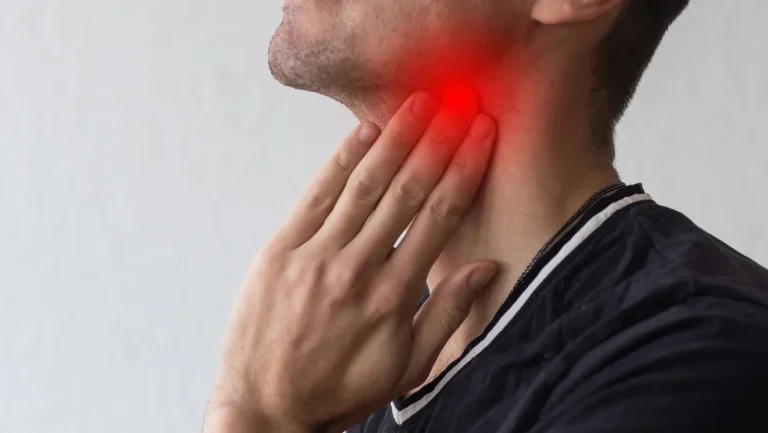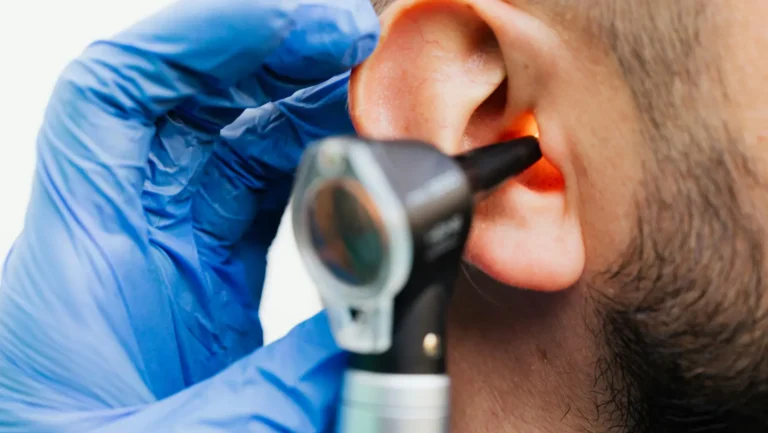

Home remedies for ear infection focus on easing pain, lowering pressure, and supporting natural healing when symptoms stay mild. Most ear infections hurt because fluid gets trapped and tissues swell, not because of severe damage.
Warmth, proper rest, hydration, and pressure relief can calm symptoms while the body clears the problem. These remedies help you manage discomfort safely, but they do not replace medical treatment when the infection worsens.
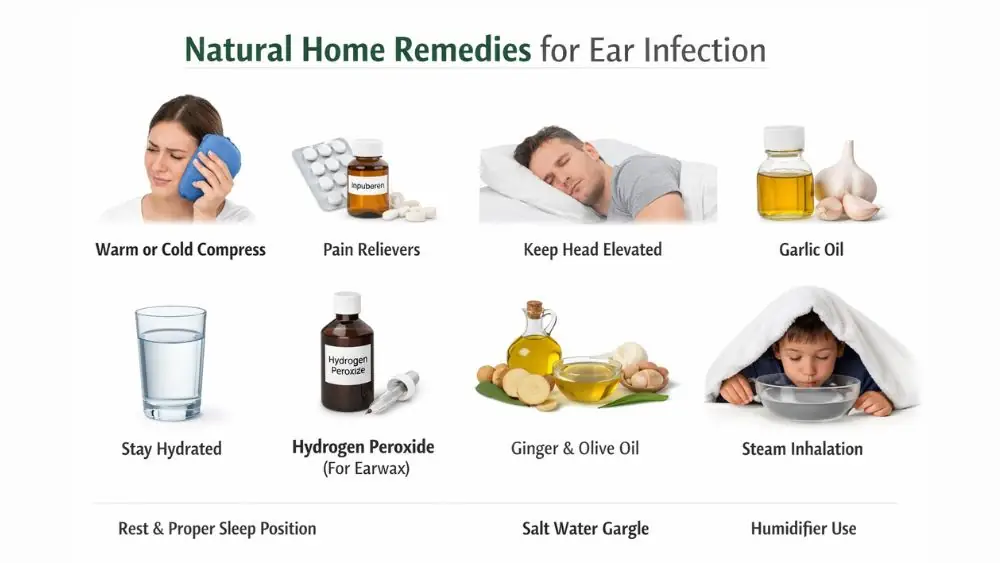
15 Natural Home Remedies for Ear Infection
Mild ear infections often cause pain due to pressure, inflammation, or fluid buildup rather than active bacteria. Symptom control helps the immune system resolve many cases without complications. These home remedies for ear infections focus on pain relief, pressure balance, and safer recovery support, not on killing germs directly.
1. Warm or Cold Compress
A warm or cold compress reduces pain signals. Heat improves blood flow around the ear. Cold lowers swelling and helps nerve-related pain. Place a cloth on the outer ear for ten minutes. Do not apply extreme heat or ice directly.
2. Over-the-Counter Pain Relievers
Pain medicine reduces inflammation and fever and improves sleep and healing. Doctors usually suggest acetaminophen or ibuprofen. Dosage varies by age and condition. These medicines support home remedies for ear infection but do not treat the infection’s causes.
3. Keeping the Head Elevated
Elevation helps fluid drain from the middle ear. Flat positions trap fluid. Use one extra pillow. This reduces night pain and pressure. This step supports natural drainage without risk.
4. Warm Compress While Sleeping
Using warmth before sleep relaxes muscles around the ear and jaw. This reduces pressure sensations; relaxed muscles reduce pain perception. Remove the compress before sleeping to avoid skin injury.
5. Stay Hydrated
Hydration thins mucus in the nose and throat. This helps ear tubes open. Fluids improve mucus flow and clear sinus drainage. Water works best. Avoid thick sugary drinks. Hydration supports home remedies for ear infection during colds.
6. Hydrogen Peroxide (For Wax Buildup Only)
Hydrogen peroxide helps break down earwax, but it does not treat infection. Use only when wax blocks hearing. A few drops may bubble wax out. Stop if pain or burning starts. Never use it if you suspect a torn eardrum.
7. Olive Oil
Warm olive oil softens dry skin and wax and is used for mild outer ear dryness. It may help home remedies for outer ear infection linked to skin irritation. Do not use if pain is deep or sharp.
8. Garlic
Garlic contains compounds studied for antibacterial action. Research shows these compounds work in lab settings, not been proven in the ear canal. Applying garlic oil around the ear skin may give comfort. Never place raw garlic inside the ear.
9. Ginger
Ginger reduces inflammation in the body. Small studies link ginger compounds to pain reduction. Some people rub diluted ginger juice near the outer ear. This supports comfort only.
10. Salt Water Gargle (For Cold-Related Ear Pain)
Salt water reduces throat swelling. Ear, nose, and throat doctors explain that throat swelling blocks ear drainage. Gargling helps reduce ear pain due to a cold by lowering pressure behind the ear.
11. Steam Inhalation
Steam loosens thick mucus, which supports steam for congestion relief. Better sinus flow reduces ear pressure. Keep a distance from hot water to prevent burns.
12. Humidifier Use
Dry air irritates the nasal passages. Humidifiers add moisture, which improves breathing comfort. This helps ears drain during sleep. Clean devices often to avoid mold.
13. Neck and Jaw Exercises
Gentle jaw movement opens the ear tubes. Physical therapy sources explain that muscle tension affects ear pressure. Slow stretches help drainage. Stop if pain increases.
14. Distraction Techniques (Especially for Kids)
Pain feels stronger when focus stays on it; hence, distraction lowers pain perception. Games and calm activities support home remedies for ear pain in kids during mild cases.
15. Rest and Sleep Position Adjustments
Rest supports the immune response, and healing improves during rest. Sleep on the pain-free side. Keep the head raised. These steps strengthen home remedies for ear infection without risk.
Home Remedies for Ear Pain Due to Cold
Ear pain during a cold comes from blocked ear tubes and trapped fluid. Swelling in the nose and throat prevents normal air flow. Pressure builds behind the eardrum and causes pain. Home remedies for ear infections linked to colds focus on easing swelling and helping fluid move out naturally. Medical reviews agree that reducing nasal congestion lowers ear pain without touching the ear directly.
Steam inhalation, hydration, and warm showers improve mucus flow. These methods reduce pressure inside the middle ear. They also lower the risk of fluid turning into infection. Home remedies for ear pain due to a cold work best when started early and combined with rest. These steps help relieve symptoms but do not shorten viral illness length.
Sinus Pressure and Ear Pain Connection
Your ears connect to your throat through small tubes called Eustachian tubes (air passage tubes). During a cold, these tubes swell and close. Fluid and air get trapped. Pressure stretches the eardrum and causes pain, which cause most cold-related ear pain.
Reducing sinus swelling helps the ears drain. Warm fluids, steam, and gentle nose care support this process. Forceful nose blowing can push mucus into the ear and worsen pain. Gentle care protects ear pressure balance.
Decongestion and Fluid Drainage
Fluids thin mucus and help drainage. Warm showers loosen nasal blockage. Sleeping with your head raised prevents fluid buildup. These steps support home remedies for ear infection related to colds. Natural drainage lowers pain intensity and reduces repeat infections.
Avoid decongestant misuse. Overuse can dry nasal tissue and cause rebound swelling. Natural methods stay safer for repeated use, especially during viral colds.
Home Remedies for Ear Pain in Kids
Children experience ear pain more often than adults. Their ear tubes are shorter and clog easily. Home remedies for ear infection in children must focus on comfort and safety.
Warm compresses, rest, and approved pain medicine help most children feel better. Distraction lowers pain awareness. Home remedies for ear pain in kids should never include ear drops or oils unless a doctor confirms safety.
Child-Safe Pain Relief Options
Pain medicine approved for children reduces discomfort and fever. Doctors usually advise age-based dosing. Warm compresses on the outer ear calm pain signals. Quiet activities help children relax and sleep.
Comfort-focused care improves sleep and mood during mild ear pain. Better rest supports the immune response. These steps align with safe home remedies for ear infection in young patients.
What to Avoid in Children
Avoid essential oils, alcohol drops, and hydrogen peroxide unless directed by a doctor. These substances irritate sensitive skin. Never insert cotton swabs or objects into a child’s ear. This increases infection risk and eardrum injury.
Children with fever, vomiting, or hearing changes need medical review. Delayed care increases complication risk in young ears.
Remedies to Avoid for Ear Infections
Some popular methods cause harm. Medical safety reviews strongly warn against unsafe practices. Avoiding harmful methods matters as much as choosing helpful home remedies for ear infection .
Ear Candling
Ear candling does not remove wax or infection. It risks burns, blockage, and ear injury. Medical associations advise against it completely.
Undiluted Essential Oils
Essential oils irritate skin and ear canals. They can cause burns and allergic reactions. Research shows no proven benefit for ear infections. Avoid placing oils in or near the ear canal.
Alcohol Drops
Alcohol dries skin and worsens inflammation. It increases pain and delays healing. Ear specialists discourage its use in infected or painful ears.
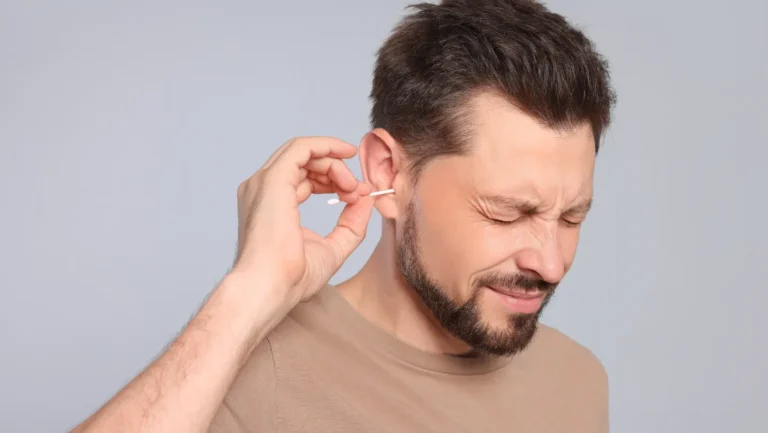
Inserting Objects Into the Ear
Objects push wax deeper and scratch skin. Small injuries allow bacteria to enter. This raises the risk of home remedies for outer ear infection failing or causing harm.
When to See a Healthcare Provider
Early evaluation is required when symptoms signal worsening infection or complications. Home remedies for ear infection should stop immediately once red-flag signs appear, as delayed care increases the risk of hearing damage.
Severe or Worsening Ear Pain
Pain that increases after two days needs medical review. Sharp or deep pain may signal pressure buildup or bacterial infection.
Fever or Ear Discharge
Fever suggests infection spread. Fluid, pus, or blood from the ear indicates eardrum involvement. Doctors must assess these signs promptly.
Hearing Loss or Dizziness
Hearing changes or balance issues suggest inner ear involvement. These symptoms require urgent care to prevent lasting damage.
Prevention of Ear Infections
Repeated ear infections often stem from preventable triggers like frequent colds, moisture exposure, or poor drainage habits. Daily hygiene and respiratory care reduce recurrence. Effective prevention for ear infections lowers the need for repeated medications and doctor visits.
Hand Hygiene and Infection Control
Hand washing reduces virus spread. Fewer colds mean fewer ear infections. This simple habit supports the prevention of ear infections across all ages.
Preventing Colds and Respiratory Infections
Adequate sleep, balanced meals, and vaccinations lower infection risk. Fewer respiratory infections reduce ear inflammation episodes.
Proper Ear Care While Swimming
Dry ears after swimming. Tilt your head to drain water. Moisture encourages bacterial growth. This step protects against home remedies for outer ear infection becoming necessary.
FAQs
Can ear infections heal without antibiotics?
Some mild ear infections improve without antibiotics. Pain control and monitoring help. Doctors recommend observation when symptoms stay mild and hearing remains normal.
Are home remedies safe for outer ear infections?
Some home remedies for outer ear infection help with mild irritation. Drying the ear and avoiding moisture support healing. Deep pain or swelling needs medical care.
How long does ear pain last with home treatment?
Mild ear pain often improves within two to three days. Persistent pain suggests trapped fluid or infection that needs medical evaluation.
Can hydrogen peroxide treat an ear infection?
Hydrogen peroxide does not treat infection. It only helps with wax buildup. Using it during an infection may irritate the skin and worsen pain.
Are home remedies safe for children with ear pain?
Some home remedies for ear pain in kids are safe, like warm compresses and rest. Avoid drops or oils without medical advice.
What home remedy works fastest for ear pain?
Warm compresses and pain medicine often reduce pain fastest. These methods calm nerves and lower inflammation without touching the ear canal.
Can ear infections come back after home treatment?
Yes. Incomplete drainage or repeated colds cause recurrence. Prevention of ear infection reduces repeat episodes more than repeated home care.
Is it safe to sleep with ear pain?
Sleeping with your head raised reduces pressure. Rest supports healing. Avoid sleeping on the painful ear when possible.
When should I stop home remedies and see a doctor?
Stop home remedies for ear infections if pain worsens, fever appears, or hearing changes occur. These signs require medical review.
Can untreated ear infections cause complications?
Yes. Untreated infections can lead to hearing loss or spread to nearby tissues. Early medical care prevents long-term damage.