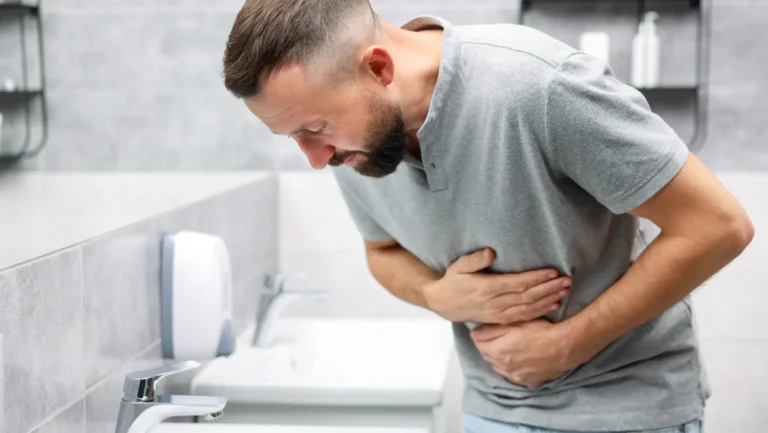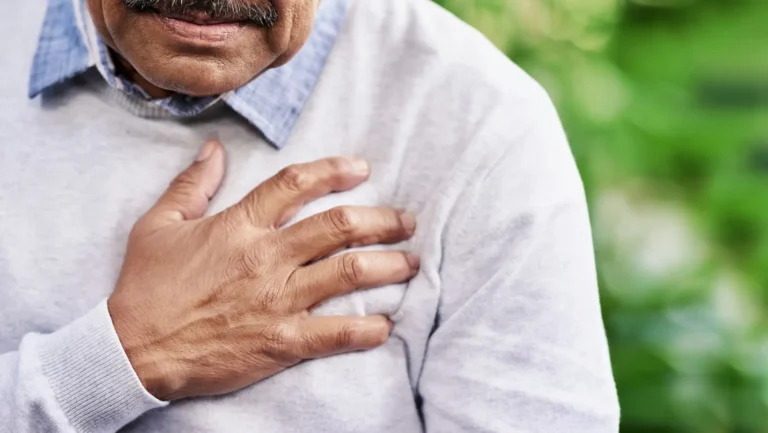

Left-side chest pain signals stress or injury in structures that sit close to the heart, lungs, food pipe, chest muscles, and major nerves. The cause can range from heart blood flow problems to lung inflammation, acid reflux, nerve irritation, or muscle strain.
Pain type gives clues. Pressure or squeezing suggests heart strain. Sharp pain with breathing points to the lungs or ribs. Burning pain after meals often comes from acid movement. Timing, triggers, and paired symptoms decide risk. Fast action matters when pain is sudden, spreading, or paired with breath trouble, sweating, or dizziness.
20 Causes of Left Side Chest Pain
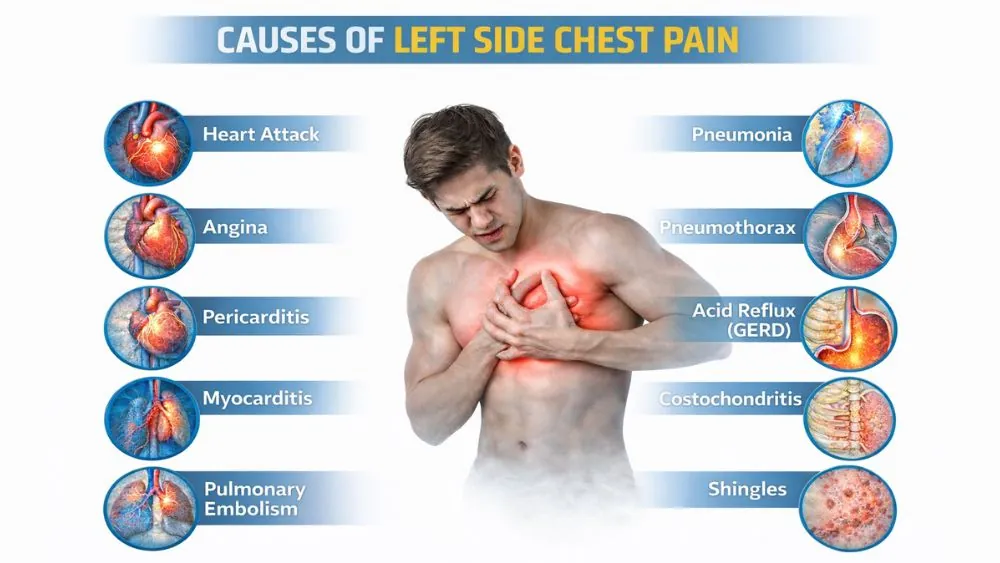
Left-sided chest pain can come from the heart, lungs, stomach, chest wall, nerves, or even skin. Some causes block oxygen or blood flow and turn dangerous fast. Others cause pain only with movement, breathing, or meals. The exact cause depends on pain type, speed of onset, triggers, and related symptoms.
Heart Attack
A heart attack starts when blood flow to the heart muscle drops or stops. You may feel heavy pressure, squeezing, or fullness in the left chest. Pain may spread to the left arm, jaw, neck, or back. Sweating, nausea, or dizziness may follow. Pain often lasts more than minutes and does not ease with rest. This cause stands at the top of the 20 causes of chest pain on the left side that need urgent care.
Angina
Angina means the heart muscle lacks enough oxygen. You often feel tightness or pressure during activity or stress. Rest or calm breathing may ease pain. Angina warns that the heart arteries are narrowing. Repeated episodes raise the risk of a heart attack.
Pericarditis
Pericarditis is swelling of the sac around the heart. Pain feels sharp or stabbing. It often worsens when you lie flat and improves when you sit forward. A viral infection can trigger it. Fever may appear.
Myocarditis
Myocarditis means swelling of the heart muscle itself. Viruses are common triggers. You may feel chest pain, fatigue, or shortness of breath. heart Pain can mimic a heart attack, which makes testing important.
Pulmonary Embolism
A pulmonary embolism is a blood clot in the lung. Pain starts suddenly and worsens with breathing. Your heart rate may rise. You may cough or feel faint. This cause is serious and needs immediate care.
Pneumonia
Pneumonia is a lung infection. Chest pain feels sharp and worsens coughing with deep breaths. Fever, cough, and tiredness are common. Pain can appear as left-sided chest pain if the left lung is involved.
Pleurisy
Pleurisy means swelling of the lung lining. Pain is sharp and tied to breathing. Shallow breaths may reduce pain. Infection or autoimmune disease can trigger it.
Pneumothorax
A pneumothorax is a collapsed lung. Pain starts suddenly and feels sharp. Breathing becomes hard. Tall, thin people and smokers face a higher risk.
Acid Reflux (GERD)
Acid reflux sends stomach acid into the esophagus. Pain feels burning or tight behind the breastbone and may shift left. It often appears after meals or when lying down. Many people report left-sided chest pain after eating with a sour taste or burping.
Hiatal Hernia
A hiatal hernia occurs when part of the stomach moves upward into the chest. Pain mimics reflux. Bloating and early fullness may appear.
Esophageal Spasm
The food pipe can spasm and squeeze. Pain feels intense and tight. Swallowing may trigger pain. It can feel like heart pain.
Gastritis
Gastritis is swelling of the stomach lining. Pain may rise toward the chest. Nausea or early fullness may appear. Alcohol, infection, or pain medicines can trigger it.
Muscle Strain
Chest muscles can strain from lifting, coughing, or poor posture. Pain worsens with movement or pressure. Touching the area often hurts. This is one of the 20 common causes of chest pains on the left side that is not dangerous.
Costochondritis
Costochondritis is swelling of the cartilage that joins the ribs to the breastbone. Pain feels sharp and local. Pressing the spot increases pain. Deep breaths may hurt.
Rib Fracture
A broken rib causes severe pain with movement or breathing. Even a small fracture can cause sharp left-sided chest pain .
Anxiety Or Panic Attack
Panic can trigger chest pain, a fast heart rate, and short breaths. Fear rises quickly. Pain can feel severe, but tests often show no heart damage.
Shingles
Shingles is a nerve infection caused by a virus. Pain often comes before a rash. It feels burning or electric. Pain follows a narrow path on one side.
Nerve Compression
Pinched nerves in the neck or spine can send pain to the chest. Neck movement may worsen pain. Tingling may appear.
Lung Cancer
Lung tumors can cause chest pain by pressing on tissue or nerves. Cough, weight loss, or blood in sputum may appear later.
Cardiac Inflammation
Inflammation in heart tissues can follow infection or an immune disease. Pain may vary and combine with fatigue or breathlessness.
These 20 causes of chest pains on the left side show why pattern and context matter more than fear alone.
Symptoms of Left Side Chest Pain
The symptoms of left-sided chest pain often reveal the source before tests do. Sharp pain linked to breathing suggests lung or rib issues. Pressure with sweating suggests heart stress. Burning pain tied to meals points toward digestive causes.
Left-Side Chest Pain When Breathing
Pain that worsens with breathing often links to the lungs, ribs, or pleura, which is the lung lining. Sharp pain suggests pleurisy, pneumonia, or a clot. Shallow breathing may reduce pain, but it does not fix the cause.
Left Side Chest Pain After Eating
Burning or pressure after meals suggests acid reflux, gastritis, or a hiatal hernia. Lying down soon after food often worsens pain. You will feel left-sided chest pain after eating, along with a sour taste or bloating.
Chest Pain Radiating To Arm Or Jaw
Pain spreading to the left arm, jaw, or neck suggests a heart source. Sweating or nausea raises concern. This pattern needs urgent checks.
Chest Pain With Shortness Of Breath
Breathing trouble with pain raises the risk for heart or lung causes. Rapid breathing or blue lips need fast care.
Chest Pain With Nausea Or Sweating
Nausea, cold sweat, or dizziness with pain often point to heart strain. These symptoms of left-sided chest pain should never be ignored.
Some doctors also compare findings with the diagnosis of right-sided chest pain patterns, since lung and muscle causes can affect either side. This comparison helps avoid missed conditions.
Diagnosis of Left Side Chest Pain
Doctors focus first on ruling out life-threatening causes of left-sided chest pain , especially heart and lung problems. They look at how fast the pain started, what makes it worse, and what symptoms came with it.
Sudden pain with sweating, breathlessness, or fainting raises concern. Slow-building pain linked to movement or meals often points elsewhere. Age, smoking history, infections, and past heart disease all shape the testing plan. Careful diagnosis prevents missed emergencies and avoids unnecessary treatment.
Physical Examination
During the exam, the doctor checks your pulse, blood pressure, and breathing rate. They press on the chest to see if pain increases, which often suggests muscle or rib causes. Listening to the heart can reveal abnormal sounds from fluid or inflammation. Lung sounds may show infection, air leaks, or fluid buildup. These findings guide the next tests.
ECG and Heart Monitoring
An ECG records the heart’s electrical activity. It can show signs of a heart attack, poor blood flow, or rhythm problems. Some heart issues appear only during activity or stress, so monitoring may continue for hours. A normal ECG lowers risk but does not fully rule out heart causes of left-sided chest pain .
Blood Tests
Blood tests look for heart muscle injury markers that rise after damage. Other tests check for infection, inflammation, or blood clots. Results help separate heart pain from lung or stomach causes. Timing matters, since some markers rise hours after symptoms begin.
Chest X-Ray
A chest X-ray shows lung infections, collapsed lungs, fluid, or rib fractures. It also shows heart size and shape. While it cannot see heart arteries, it rules out many lung causes. It plays a key role when breathing pain is present.
CT Scan Or MRI
CT scans give detailed views of lungs and blood vessels and can spot clots or tumors. MRI shows the heart muscle and inflammation clearly. These tests are used when basic tests do not give clear answers or when serious causes remain possible.
Cardiac And Lung Function Tests
Stress tests check how the heart responds to activity. Breathing tests measure lung strength and airflow. These tests help when symptoms appear only with exertion. Doctors may also compare findings with the diagnosis of right-sided chest pain patterns to avoid missing shared causes.
Treatment of Left-Side Chest Pain
The treatment of left-sided chest pain depends entirely on the cause, not pain severity. Heart and lung causes need urgent medical care. Digestive and muscle causes respond to targeted treatment and habit changes. Treating pain alone without fixing the cause increases recurrence risk.
Home Treatment For Mild Causes
Muscle strain often improves with rest and gentle stretching. Ice or heat may reduce soreness. Acid-related pain may ease by avoiding large meals and staying upright after eating. These steps suit mild left-side chest pain only when serious causes have been ruled out.
Medications And Medical Treatment
Doctors may use antacids or acid-reducing drugs for reflux. Anti-inflammatory medicines may help with costochondritis or pericarditis. Heart conditions may require drugs that improve blood flow or control rhythm. Doctors usually prescribe medications based on age, health status, and cause.
Hospital-Based Treatment
Heart attacks need rapid blood flow restoration. Blood clots in the lungs need blood thinners or clot-removing treatment. Severe infections may need oxygen and antibiotics. Hospital care aims to stabilize vital organs and prevent damage.
Treating The Underlying Cause
Long-term relief comes from fixing the cause. Heart disease care includes diet, activity, and risk control. Lung care may involve quitting smoking. Digestive causes improve with meal timing and trigger control. Proper treatment of left-sided chest pain lowers future risk.
Can Left-Side Chest Pain Be Prevented?
Yes, many episodes of left-sided chest pain can be reduced by managing risk factors. Heart-friendly habits lower artery stress. Digestive care reduces acid pressure. Muscle protection lowers strain injuries. Prevention does not block all pain, but it sharply cuts serious events.
Heart-Healthy Lifestyle Changes
Regular movement improves blood flow. Balanced meals lower cholesterol and blood sugar. Stress control helps heart rhythm and blood pressure. These steps reduce the chance of heart-related pain.
Digestive Health Management
Eating smaller meals reduces acid pressure. Avoiding late meals lowers nighttime reflux. These habits reduce left-side chest pain after eating and protect the food pipe.
Preventing Muscle And Rib Injuries
Good posture reduces chest wall strain. Warm-ups before lifting lower injury risk. Cough control during illness protects ribs and muscles.
When To See A Doctor
Any new, severe, or unexplained left-sided chest pain needs medical review. Pain lasting longer than expected or paired with breathing trouble or fever raises danger.
Persistent Or Worsening Pain
Pain that lasts hours or returns often needs evaluation. Pain that grows stronger over time raises concern. Repeated episodes deserve testing even if earlier pain eased.
Chest Pain With Fever Or Breathing Difficulty
Fever suggests infection. Breathing trouble suggests lung or heart strain. These signs require urgent care to prevent rapid decline.
FAQs
Is Left Side Chest Pain Always Heart-Related?
No, left-side chest pain often comes from muscles, digestion, or lungs. Heart causes are serious but not the most common. Patterns, triggers, and symptoms help separate heart pain from safer causes.
Can Gas Cause Left Side Chest Pain?
Yes, trapped gas can stretch the stomach pain or colon and cause sharp or pressure-like pain. It often shifts with movement and improves after passing gas or a bowel movement.
Why Does My Left Chest Hurt When I Breathe Deeply?
Pain with deep breaths often involves the lungs, ribs, or the lung lining. Conditions like pleurisy or muscle strain are common reasons and differ from heart pain.
Is Left-Side Chest Pain Serious?
It can be serious or mild. Sudden pain with sweating, breathlessness, or spreading pain needs urgent care. Mild pain linked to movement or meals is often less dangerous.
Can Anxiety Cause Left-Side Chest Pain?
Yes, anxiety can cause real chest pain through muscle tension and rapid breathing. Tests usually show no heart damage, but symptoms feel intense and alarming.
How Long Does Left Side Chest Pain Last?
Duration depends on the cause. Muscle pain may last for days. Acid pain may last minutes to hours. Heart-related left-sided chest pain usually persists until treated.
When Should I Go To The ER?
Go if pain is sudden, severe, spreading, or paired with breathing trouble, fainting, or sweating. These signs can signal heart or lung emergencies.
Can Left Side Chest Pain Go Away On Its Own?
Some mild causes resolve with rest or digestion. Serious causes do not resolve safely without care. New or severe pain should always be checked.
What Tests Diagnose Left-Side Chest Pain?
Doctors use ECGs, blood tests, X-rays, and scans. They choose tests based on symptoms and risk. Comparison with the diagnosis of right-sided chest pain helps refine decisions.
How Can I Relieve Left-Side Chest Pain At Home?
Rest, posture correction, and meal control may help mild cases. Do not self-treat severe or unclear pain. Seek care when unsure, since early action prevents harm.