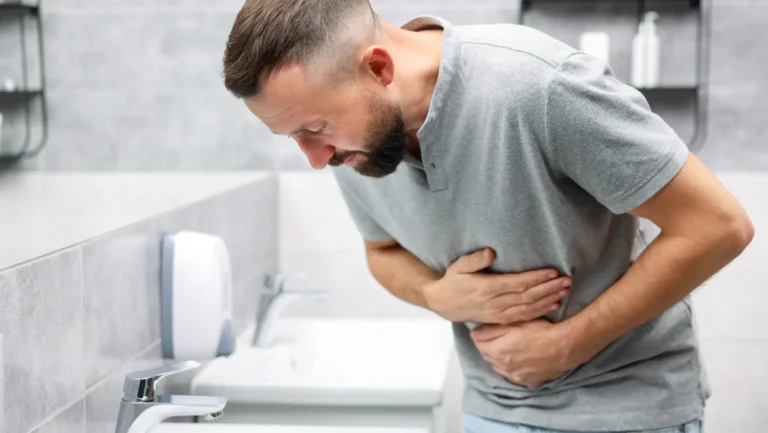

Chest pain while coughing gives pain or discomfort that shows up or gets worse each time you cough. This pain often comes from strained chest muscles, irritated lung lining, or inflamed airways. In some cases, it points to serious lung or heart-related problems. You should not ignore this symptom, especially if it feels sharp, sudden, or keeps getting worse.
Coughing puts strong pressure on your chest wall, lungs, and ribs. When any of these areas stay inflamed or injured, pain appears. C ough-related chest pain often comes from airway inflammation or chest wall strain. Conditions like pneumonia, pleurisy, and blood clots cause pain that worsens with coughing.
15 Causes of Chest Pain While Coughing
Chest pain while coughing can come from irritated lungs, strained chest muscles, inflamed rib joints, or heart and blood vessel problems. Cough force alone can injure tissues, while infections and clots create pain through inflammation and pressure changes. Some causes resolve on their own, while others need urgent care.
Acute Bronchitis
Acute bronchitis causes swelling inside the airways. You cough often and forcefully. That pressure irritates the airway nerves and chest muscles. The pain feels sore or tight and worsens with each cough. This pain usually improves as inflammation settles.
Common Cold
A common cold can still cause chest pain while coughing . Repeated dry coughing strains chest muscles. Cold viruses also dry the airway lining, which increases irritation. Pain stays mild and fades within one to two weeks.
Pneumonia
Pneumonia infects the lung tissue. The infection causes swelling and fluid buildup. When you cough, the inflamed lung tissue rubs against the chest wall. This causes sharp or stabbing pain. Fever , chills, and fast breathing often appear with this pain.
Pleurisy
Pleurisy means inflammation of the pleura, which is the thin lining around your lungs. Each cough makes the lung lining rub together. This creates sudden, sharp pain, often on one side. Pleuritic pain worsens with coughing or deep breathing.
Intercostal Muscle Strain
Intercostal muscles sit between your ribs. Strong coughing pulls these muscles again and again. Overuse leads to small muscle tears. Pain feels worse when you move, twist, or press the sore area. This cause is common and not dangerous.
Costochondritis
Costochondritis is swelling of the cartilage that connects the ribs to the breastbone. Coughing puts pressure on this area. The pain feels sharp and localized. Pressing the chest often recreates the pain. This condition often follows respiratory infections.
Asthma
Asthma tightens the airways and triggers coughing fits. These fits strain chest muscles. The pain comes from muscle fatigue, not lung damage. Wheezing and chest tightness usually appear along with chest pain while coughing .
Chronic Obstructive Pulmonary Disease (COPD)
COPD causes long-term airway damage. Chronic cough stays common. Repeated coughing over months weakens chest muscles. During flare-ups, pain increases due to inflammation. Pain often improves when flare-ups get controlled.
Acid Reflux (GERD)
GERD allows stomach acid to move upward into the esophagus. Acid irritates throat and airway nerves. This irritation triggers coughing and burning chest pain. Pain often worsens after meals or when lying down. Reflux control is linked with reduced cough pain.
Pulmonary Embolism
A pulmonary embolism means a blood clot blocks lung blood flow. This condition is dangerous. Coughing increases chest pressure, which worsens pain. Sudden pain with shortness of breath needs urgent care.
Pneumothorax
Pneumothorax means a collapsed lung. Air leaks into the chest cavity. This creates sudden pain that worsens with coughing or breathing. You may feel breathless. This cause always needs emergency treatment.
Lung Infection
Other lung infections beyond pneumonia can inflame lung tissue. Viral or fungal infections may cause similar pain. Coughing irritates the inflamed areas and triggers chest pain while coughing .
Pericarditis
Pericarditis means inflammation of the sac around the heart. Coughing raises chest pressure and increases pain. Pain often feels sharp and improves when leaning forward. Peer-reviewed studies link this pain pattern with viral infections.
COVID-19
COVID-19 can inflame lung tissue and chest muscles. Persistent coughing strains the chest wall. Some patients report lingering pain after infection. This pain often relates to inflammation rather than lung scarring. Evidence is still growing.
Lung Cancer
Lung cancer may irritate chest nerves or block airways. A persistent cough causes deep, aching pain. Pain may not improve over time. Weight loss or coughing blood may appear. Evidence supports cough-related pain in advanced cases.
These 15 causes of chest pain while coughing range from mild muscle strain to life-threatening lung conditions.
Symptoms of Chest Pain While Coughing
The symptoms of chest pain while coughing change based on the cause. Pain may feel sharp, tight, burning, or sore. Added signs like fever, mucus color, breathlessness, or fatigue help doctors tell muscle strain apart from lung or heart disease.
Chest Pain With Dry Cough
Dry cough irritates the airway nerves and muscles. Pain feels sore or burning. Viral infections often cause this pattern. Pain usually improves as coughing decreases.
Chest Pain With Phlegm
Phlegm suggests infection. Yellow or green mucus often points to bacterial causes. Pain feels heavy or tight. Fever may appear. Medical evaluation helps rule out pneumonia.
Sharp Chest Pain When Coughing
Sharp pain suggests pleurisy, muscle strain, or lung collapse. Pain worsens with deep breaths. One-sided pain needs attention, especially if sudden.
Chest Pain With Fever
Fever signals infection. Pneumonia and severe bronchitis become concerns. Fever combined with chest pain increases the chance of lung infection.
Chest Pain With Shortness of Breath
Breathing trouble raises concern for clots, lung collapse, or severe infection. This symptom combination needs urgent care. Understanding these symptoms of chest pain while coughing helps you act early and avoid complications.
Chest Pain While Coughing: When It’s Serious
Chest pain while coughing becomes serious when pain appears suddenly, worsens fast, or affects breathing. Pain linked with oxygen loss, blood clots, or lung collapse often escalates quickly and should never be observed at home.
Chest Pain With Breathing Difficulty
Pain that appears with breathing trouble suggests reduced oxygen flow. Conditions like pneumonia, pulmonary embolism, or lung collapse limit air exchange. Coughing increases chest pressure, which worsens pain and breathlessness. CDC-backed research shows that shortness of breath paired with chest pain needs urgent evaluation.
Chest Pain With Blood in Cough
Coughing up blood, even small streaks, should never be ignored. It may signal lung infection, blood clots, or cancer-related airway damage. Studies note that airway inflammation alone rarely causes bleeding. When chest pain while coughing appears with blood, doctors focus on imaging and blood tests quickly.
Sudden or Severe Chest Pain
Sudden pain that feels sharp or crushing raises concern for clots, heart lining inflammation, or lung collapse. Pain that starts without warning and worsens with coughing often points to pleural or vascular causes. Immediate care improves outcomes and lowers complication risk.
Diagnosing Chest Pain While Coughing
The diagnosis of chest pain while coughing focuses on finding the source, not just easing pain. Doctors compare symptoms, exam findings, and imaging results to rule out infections, clots, or lung damage. No single test gives full answers, so layered evaluation matters.
Medical History and Physical Exam
Doctors ask how long the cough lasted, what triggers pain, and where it hurts. They listen to lungs for crackles or wheezing. Pressing the chest helps detect muscle or cartilage pain. This step often identifies non-dangerous causes early.
Chest X-Ray
A chest X-ray checks for pneumonia, lung collapse, or fluid buildup. It does not show small clots but helps rule out common causes. Many serious lung infections appear clearly on X-ray.
CT Scan
CT scans provide detailed lung images. Doctors use them when X-rays look normal but symptoms stay severe. CT imaging helps detect pulmonary embolism, tumors, or subtle infections. Evidence strongly supports CT scans for unexplained chest pain, while coughing with breathing trouble.
Blood Tests
Blood tests look for infection markers and clot risk. Elevated inflammatory markers suggest infection or inflammation. D-dimer tests help assess clot risk, though results vary by age and condition.
Pulmonary Function Tests
These tests measure how well your lungs move air. Doctors use them for asthma or COPD evaluation. Reduced airflow explains chronic cough and muscle-related chest pain.
Treatment for Chest Pain While Coughing
Effective treatment for chest pain while coughing targets the root cause, not the pain alone. Muscle strain improves with rest, while infections and lung conditions need specific medical treatment. Controlling cough frequency often reduces pain faster than pain medicine alone.
At-Home Treatment for Mild Causes
Muscle strain and viral cough often improve with rest and hydration. Warm compresses relax tight muscles. Avoid heavy coughing triggers like smoke or cold air. Pain relief medicines may help, but doctors usually advise short-term use only.
Medications for Infection or Inflammation
Doctors usually prescribe antibiotics only for confirmed bacterial infections. Anti-inflammatory drugs reduce swelling in pleurisy or costochondritis. Dosage varies by age and condition, so prescriptions differ.
Cough Suppressants and Inhalers
Cough suppressants reduce repeated strain on chest muscles. Inhalers open narrowed airways in asthma or COPD. Reducing cough frequency often lowers chest pain while coughing, even when painkillers alone fail.
Hospital Treatment for Serious Causes
Blood clots need blood-thinning medicines. Lung collapse may need air removal procedures. Severe infections may require IV antibiotics and oxygen. Hospital care focuses on stabilizing breathing and circulation.
Can Chest Pain While Coughing Be Prevented?
Yes, chest pain while coughing can be reduced through infection prevention, lung care, and trigger control. Evidence shows fewer coughing episodes mean less chest strain, lower inflammation, and reduced risk of repeat pain.
Preventing Respiratory Infections
Hand hygiene reduces virus spread. Vaccines lower severe infection risk. Research confirms that flu and pneumonia vaccines reduce cough-related chest pain episodes in high-risk groups.
Managing Chronic Lung Conditions
Taking prescribed inhalers on schedule keeps airways open. Skipping medication raises flare-up risk. Pulmonary rehab programs also reduce cough frequency and chest discomfort.
Avoiding Smoking and Irritants
Smoke damages airway lining and worsens cough. Air pollution and chemical fumes also trigger coughing. Avoiding these lowers repeated chest strain and inflammation.
When to See a Doctor
You should seek care when chest pain while coughing lasts longer than expected or worsens instead of improving. Delays increase the risk of complications in infections, clots, and lung collapse, especially when breathing becomes difficult.
Chest Pain Lasting More Than a Few Days
Pain that lasts beyond several days suggests ongoing inflammation or injury. Muscle strain usually improves faster. Persistent pain needs evaluation to rule out infection or lung disease.
Chest Pain With Fever or Worsening Symptoms
Rising fever signals infection spread. Worsening cough or pain suggests treatment failure. Early care prevents hospital admission.
Chest Pain With Breathing Trouble
Breathing difficulty always needs prompt care. This combination raises concern for clots, lung collapse, or severe infection. Delays can become life-threatening.
FAQs
Why does my chest hurt when I cough?
Your chest hurts when you cough because coughing strains muscles, irritates lung lining, or increases pressure in the inflamed tissues. Infections, reflux, and muscle strain commonly trigger this pain pattern.
Is chest pain while coughing normal?
Chest pain while coughing can be normal with muscle strain or mild infections, but it is not harmless by default. Pain that stays severe, sudden, or paired with breathing trouble needs medical review.
Can a dry cough cause chest pain?
A dry cough can cause chest pain by overworking chest muscles and irritating airway nerves. Viral infections often trigger this type of pain, which usually improves as the cough settles.
Is chest pain while coughing a sign of pneumonia?
It can be. Pneumonia often causes sharp pain that worsens with coughing and deep breathing. Fever, chills, and fast breathing increase the chance of pneumonia.
Can muscle strain cause chest pain when coughing?
Yes. Repeated coughing commonly strains chest wall muscles. This pain feels sore, worsens with movement, and improves with rest over time.
When should I worry about chest pain while coughing?
You should worry when pain is sudden, severe, or linked to shortness of breath, fever, or blood in the cough. These signs point to serious lung or heart conditions.
Can acid reflux cause chest pain when coughing?
Acid reflux can trigger coughing and burning chest pain. Acid irritates airway nerves, leading to cough-related discomfort, especially after meals or when lying down.
Does COVID-19 cause chest pain while coughing?
COVID-19 can cause chest pain while coughing due to lung inflammation and muscle strain. Some people feel lingering pain even after the infection clears.
How long does chest pain from coughing last?
Mild muscle-related pain often lasts days to a week. Pain from infections lasts longer and improves as inflammation resolves with proper treatment.
How can I relieve chest pain from coughing at home?
You can relieve mild pain by resting, staying hydrated, using warmth on sore areas, and reducing cough triggers. Persistent pain needs medical guidance.