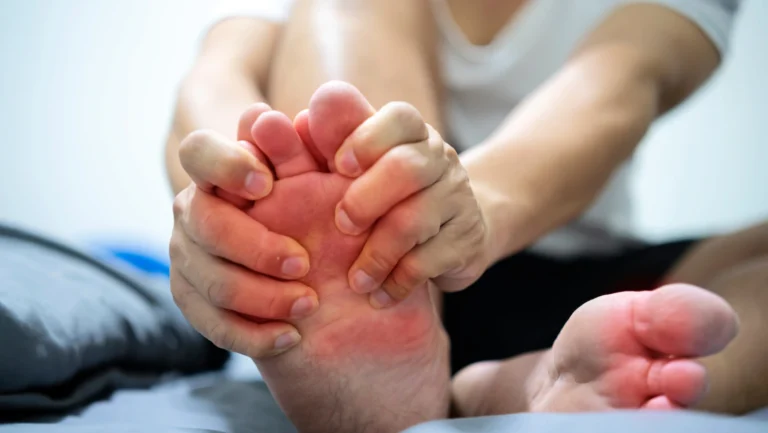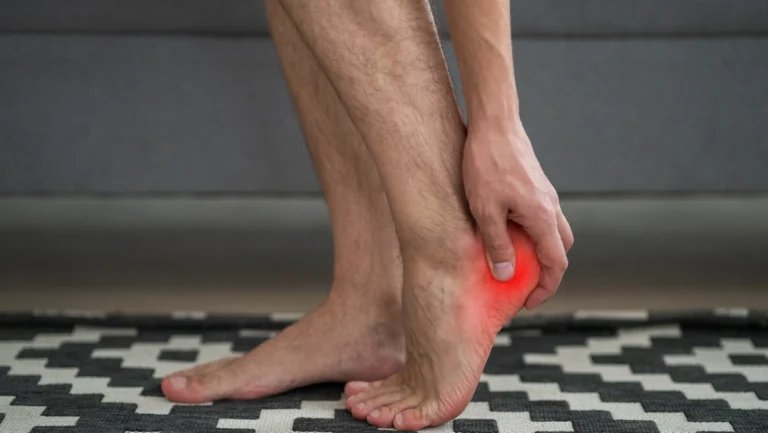

Gout in knee is a form of inflammatory arthritis where uric acid crystals accumulate inside the knee joint, causing sudden and severe pain. It affects roughly 4% of adults in India and is more common in men over 40.
Unlike regular knee pain from injury or wear, knee gout strikes fast, with no warning, and the pain peaks within 12 to 24 hours. This article covers the causes of gout in the knee, symptoms, diagnosis, treatment options, and how to prevent future attacks.
What Causes Gout in the Knee
Gout in knee develops when blood uric acid levels cross 6.8 mg/dL, the saturation point at which uric acid forms monosodium urate crystals. These crystals deposit in the cooler, lower-pressure areas of the body. The knee joint, being large and sometimes subjected to minor trauma, becomes a common secondary site after the big toe.
Uric Acid Buildup and Crystal Formation
Uric acid is a waste product from purine metabolism. Normally, the kidneys filter it out through urine. When production exceeds clearance, it accumulates in the blood. At high enough concentrations, uric acid crystallizes inside joints. The knee’s synovial fluid, which lubricates the joint, provides a space where these crystals collect and trigger intense immune responses.
High Purine Diet Causing Knee Gout
High purine diet causing knee gout is one of the most direct dietary causes. Organ meats, A high-purinehellfish, beer, and fructose-sweetened drinks all push uric acid higher. A single high-purine meal raises serum uric acid measurably within 4 to 6 hours. People who eat red meat more than four times a week have significantly higher uric acid levels than those who eat it once or twice.
Reduced Kidney Function and Uric Acid Clearance
When the kidneys work below full capacity, uric acid stays in the bloodstream longer. Chronic kidney disease, dehydration, and diuretic medications all reduce clearance. Diuretics (water pills) used for blood pressure are a known gout trigger; they increase uric acid reabsorption in the kidney tubules directly.
Genetic and Metabolic Risk Factors
URAT1 and GLUT9 are two gene variants that control how much uric acid the kidneys reabsorb. People with certain versions of these genes retain more uric acid regardless of diet. Insulin resistance also raises uric acid by reducing kidney excretion. Type 2 diabetes and metabolic syndrome both independently increase gout risk.
Symptoms of Gout in the Knee
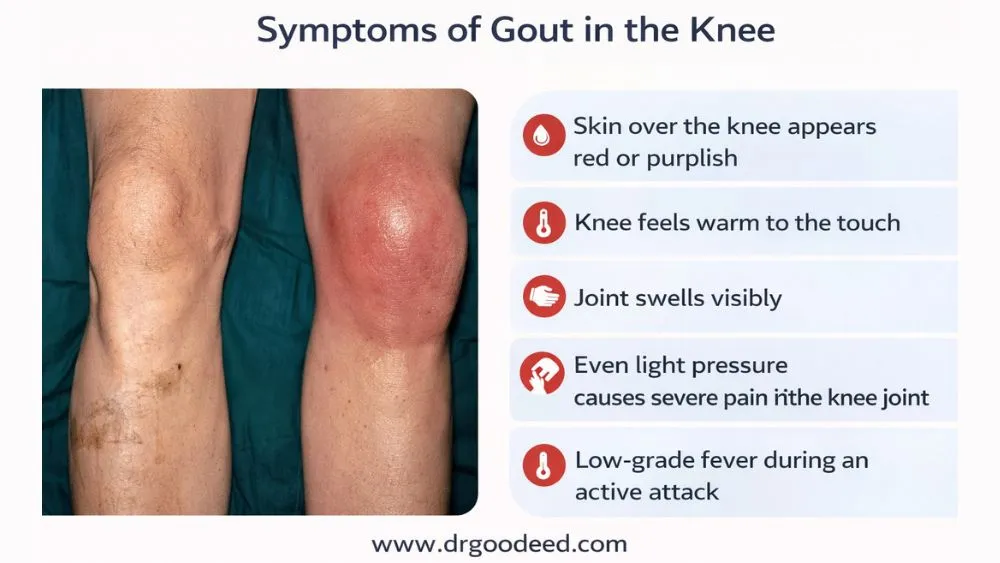
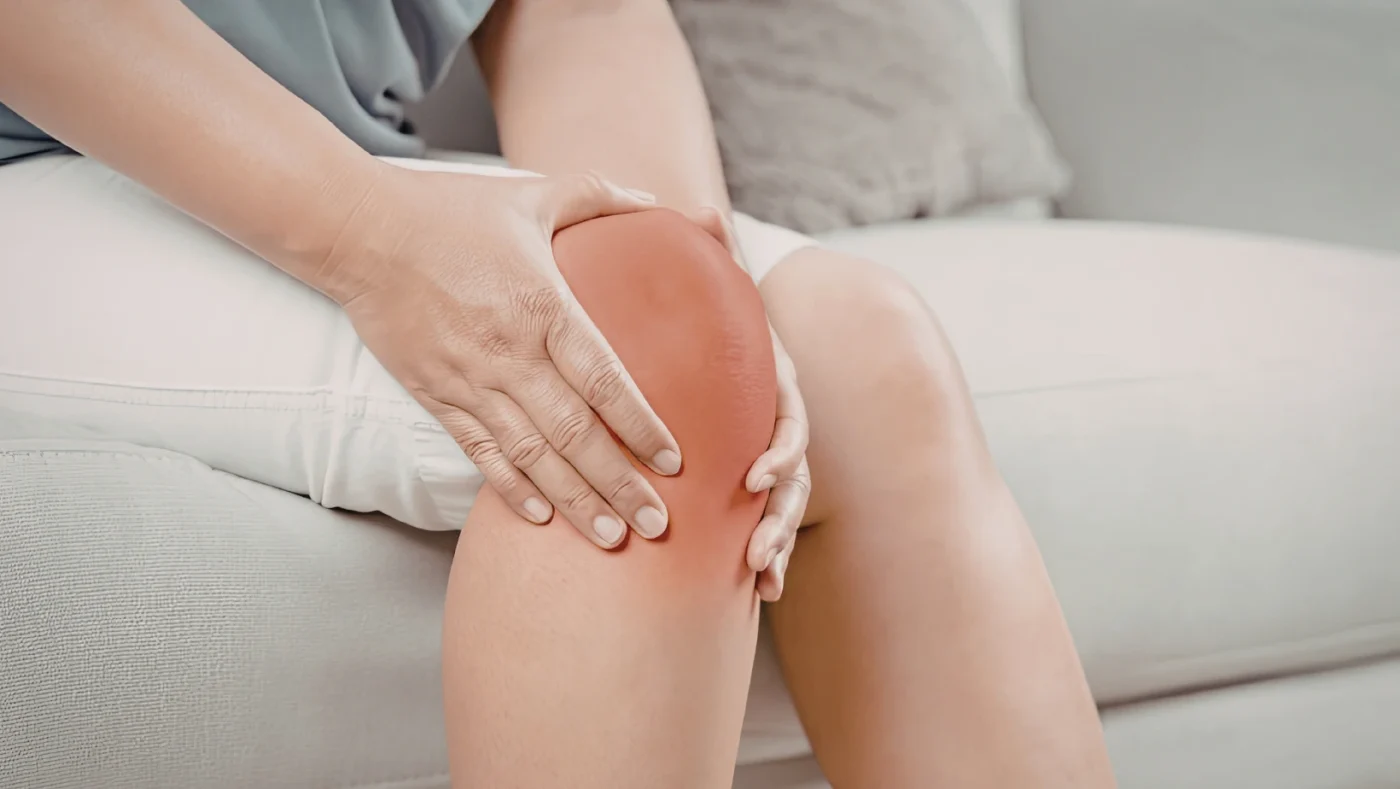
Gout in produces symptoms that are hard to mistake once you know what to look for. The attack comes on fast, often overnight, and the joint becomes red, hot, and swollen within hours. A sudden knee pain gout attack feels different from arthritis or injury because the pain intensity peaks so quickly and the skin over the knee may look stretched or shiny.
Key symptoms include:
- Sudden, severe pain in the knee joint (often waking you from sleep)
- Skin over the knee appears red or purplish
- Knee feels warm to the touch
- Joint swells visibly, sometimes making bending impossible
- Even light pressure (like a blanket) causes sharp pain
- Low-grade fever during an active attack
- Pain that starts to ease after 7 to 10 days without treatment
How to Treat Gout in Knee Fast
To treat gout in knee fast, start within the first few hours of a flare. Early action reduces how long the attack lasts. Waiting makes it significantly harder to control inflammation once it peaks.
Immediate Steps to Reduce Pain
Take an NSAID (ibuprofen or naproxen) at the first sign of pain. Do this within 12 hours. Research shows colchicine taken within 12 hours of attack onset reduces pain intensity by up to 50% faster than delayed use. Rest the joint completely. Do not push through the pain or try to walk it off.
Ice Therapy and Joint Elevation
Apply an ice pack wrapped in a cloth directly to the knee for 20 minutes, then remove for 20 minutes. Repeat for the first 24 to 48 hours. Elevation reduces blood pooling and lowers pressure inside the joint. Keep the knee above heart level when resting.
Hydration and Uric Acid Flushing
Drink 2 to 3 liters of water within the first 24 hours of a flare. Increased water intake raises urine output, which speeds up uric acid removal through the kidneys. Avoid alcohol and sugary drinks completely during an active attack. Both raise uric acid and worsen inflammation.
Foods and Drinks to Avoid During a Flare
- Beer and all alcohol
- Red meat and organ meats
- Shellfish
- Orange juice, apple juice, and sodas
- High-sodium foods that cause water retention
Medications for Knee Gout Pain
Medications for knee gout pain fall into two categories: drugs that stop an active attack and drugs that prevent future ones. These work differently and are sometimes used together.
NSAIDs (First-Line Pain Relief)
Indomethacin and naproxen are the most used NSAIDs for gout attacks. Ibuprofen at 400 to 800mg every 8 hours also works. They reduce prostaglandin production, which drives inflammation. People with kidney disease or stomach ulcers should not use NSAIDs without medical supervision.
Colchicine for Acute Attacks
Colchicine blocks neutrophil migration into the joint. Neutrophils are the immune cells that attack uric acid crystals and cause most of the pain. The recommended dose is 1.2mg immediately, followed by 0.6mg one hour later. This protocol, established in the AGREE trial, reduces attack severity with fewer side effects than high-dose regimens.
Corticosteroids for Severe Inflammation
When NSAIDs or colchicine are not suitable, prednisone at 30 to 40mg daily for 5 days reduces gout in knee inflammation effectively. A direct injection of triamcinolone into the knee joint works faster and avoids systemic side effects for people who cannot take oral drugs.
Long-Term Uric Acid-Lowering Drugs
Allopurinol is the first-line drug for preventing future attacks. It blocks xanthine oxidase, the enzyme that produces uric acid. The target is a serum uric acid level below 6 mg/dL. Febuxostat is an alternative for people who cannot tolerate allopurinol. Both take 2 to 4 weeks to meaningfully lower uric acid levels.
Diagnosis of Knee Gout
Joint Fluid Analysis (Gold Standard)
A rheumatologist draws fluid from the knee with a needle (arthrocentesis). Under a polarized light microscope, monosodium urate crystals appear as needle-shaped with negative birefringence. This test confirms gout in knee with near certainty and rules out septic arthritis, which requires antibiotics immediately.
Blood Uric Acid Levels
A serum uric acid above 6.8 mg/dL supports a gout diagnosis, but blood levels sometimes drop during an active attack because crystals pull uric acid out of the blood. A normal reading during a flare does not rule out gout.
Imaging (X-ray, Ultrasound)
Ultrasound shows the “double contour sign,” which is a uric acid deposit layer on the cartilage surface. This finding is specific to gout. X-rays show punched-out erosions in chronic gout. Both are less definitive than joint fluid analysis.
Differentiating From Arthritis or Injury
Osteoarthritis pain builds gradually and worsens through the day. Gout pain peaks within hours and is worst at rest. Septic arthritis also causes sudden pain but presents with high fever (above 38.5°C) and requires urgent blood cultures. Sudden knee pain gout attack rarely causes fever above 38°C.
Risk Factors for Knee Gout
Causes of gout in the knee are often traceable to modifiable risk factors. Identifying them early reduces long-term joint damage.
- Men over 40 (gout affects men 3 to 4 times more than women before age 60)
- Postmenopausal women (estrogen loss reduces uric acid excretion)
- Obesity (BMI over 30 doubles gout risk)
- Chronic kidney disease (stage 3 or higher)
- Use of diuretics, cyclosporine, or low-dose aspirin
- Previous knee trauma or surgery
- Family history of gout
- High alcohol intake, especially beer
- A high-purine diet causing knee gout, particularly organ meats and shellfish
Diet and Lifestyle Changes for Prevention
Low-Purine Diet Strategy
Limit daily purine intake to under 400mg. Replace red meat with chicken breast, eggs, and tofu. Eat low-fat dairy daily. A glass of skimmed milk or a serving of yogurt actively lowers uric acid through casein and lactalbumin proteins, which increase renal uric acid excretion.
Weight Management
Each 5kg reduction in body weight lowers serum uric acid by approximately 0.4 mg/dL. Gradual weight loss is important. Crash dieting releases purines from dying cells and triggers attacks.
Hydration and Kidney Support
Drink at least 2.5 liters of water daily. Each 500ml increase in daily water intake reduces serum uric acid by 0.18 mg/dL over 4 to 8 weeks. Lemon water raises urinary pH and keeps uric acid dissolved, reducing crystal formation.
Avoiding Trigger Foods
Avoid beer completely. Limit spirits. Eliminate organ meats. Replace sugary drinks with water or unsweetened coffee. Studies from Harvard confirm that 4 to 5 cups of coffee daily reduce gout risk by 40% in men.
Complications of Untreated Knee Gout
Chronic Joint Damage
Repeated attacks without treatment erode knee cartilage permanently. Uric acid crystals physically abrade cartilage surfaces over time.
Tophi Formation Around Joints
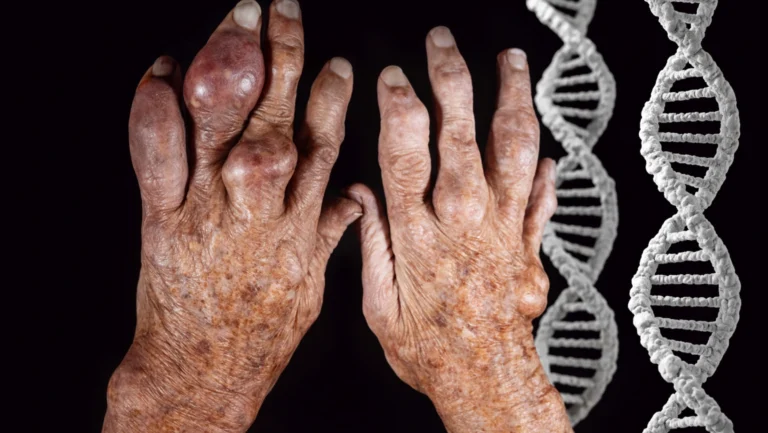
Tophi are chalky white uric acid deposits that form under the skin around joints. In the knee, they appear as firm lumps around the kneecap. They indicate long-standing elevated uric acid and require urate-lowering therapy to dissolve.
Reduced Mobility and Disability
Chronic gout in knee without treatment causes joint stiffness and reduced range of motion. In severe cases, people lose the ability to fully extend or flex the knee.
Kidney Stones and Systemic Effects
Uric acid kidney stones form when urine pH drops below 5.5. They cause flank pain, blood in urine, and in rare cases, acute kidney injury. Around 20% of people with chronic gout develop kidney stones.
When to See a Doctor
Do not wait out a suspected gout attack if any of the following apply:
- Knee pain is severe enough to prevent walking or weight-bearing
- Fever above 38.5°C alongside joint swelling (this signals possible septic arthritis, a medical emergency)
- A second attack within 6 months of the first
- Swelling that does not reduce after 10 to 14 days
- Visible white lumps around the knee (tophi)
- Known kidney disease combined with worsening joint pain
Early medical treatment prevents joint erosion. Waiting for a third or fourth attack before seeking care often means the cartilage damage has already begun.
Frequently Asked Questions
How long does gout in the knee last?
Gout in knee attacks last 7 to 14 days without treatment. With NSAIDs or colchicine started within 12 hours, attacks typically resolve in 3 to 5 days. Untreated attacks in the knee tend to last longer than those in the big toe because the knee joint is larger.
Can knee gout go away on its own?
Yes. A single attack resolves on its own in 7 to 14 days even without medication. But the uric acid crystals remain in the joint. Without treatment to lower uric acid, the next attack arrives faster and lasts longer. Self-resolution is not the same as recovery.
What is the fastest way to relieve knee gout pain?
Take indomethacin or colchicine within 12 hours of symptom onset, apply ice for 20-minute intervals, and rest the joint completely. A corticosteroid injection directly into the knee joint works fastest for severe cases, reducing pain within 24 hours.
Can walking worsen a gout attack?
Yes. Walking during a sudden knee pain gout attack increases pressure inside the joint and worsens inflammation. It also raises joint temperature slightly, which slows crystal reabsorption. Complete rest for at least 24 to 48 hours speeds recovery.
Is knee gout permanent?
No, acute attacks resolve. But repeated untreated attacks cause permanent cartilage erosion. Tophi that form around the knee over years do not disappear without urate-lowering therapy. With proper treatment and uric acid below 6 mg/dL, most joint damage stops progressing.
What foods trigger knee gout attacks?
This foods are trigger gout. Beer, organ meats (liver, kidney), anchovies, mussels, and fructose beverages are the highest-risk triggers. Among these, beer is the single most potent trigger because it contains both alcohol and purines from brewer’s yeast.
How do I know if my knee pain is gout or arthritis?
Gout pain peaks within 12 hours and is worst at rest. Osteoarthritis pain builds slowly and worsens with activity. Gout causes skin redness and warmth over the joint; osteoarthritis does not. A blood uric acid test and joint fluid analysis confirm gout in knee definitively.
Can gout affect only one knee?
Yes. Gout typically starts in one joint and stays there during a single attack. It can alternate between knees in different attacks. Bilateral knee gout during the same attack suggests either severe chronic gout or a different diagnosis.
Does drinking water help knee gout?
Yes. Drinking 2 to 3 liters of water daily increases uric acid excretion through urine. During an active flare, aggressive hydration within the first 24 hours shortens attack duration. Water also dilutes uric acid in the blood, slowing crystal formation.
Can gout cause permanent knee damage?
Yes, if left untreated for years. Repeated gout in knee attacks erode cartilage through crystal abrasion and chronic inflammation. Research shows that people with more than 10 lifetime attacks who never used urate-lowering therapy show visible joint erosion on X-ray.