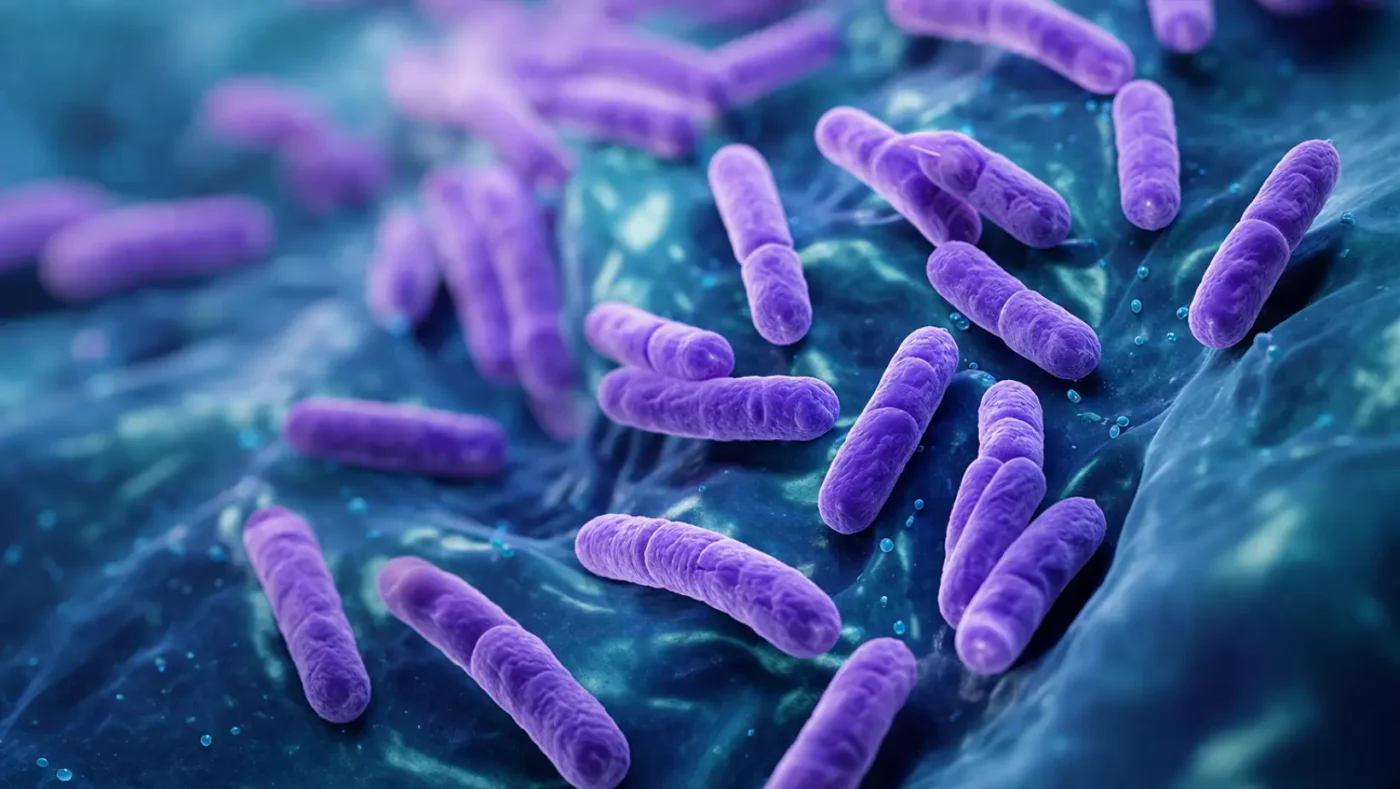

Probiotics are live bacteria that help your gut stay healthy. Your gut already has trillions of bacteria, some good, some bad. Probiotics add more of the good ones. They come in food and supplement form.
Probiotics work best when combined with a diet that actually feeds good gut bacteria. Fermented food, fiber, and consistent sleep do more for gut health than any supplement alone. The supplement fills the gap. Real food builds the foundation.
What Is Probiotic Used For?
Probiotics restore the balance of good bacteria in your gut. Doctors use them after antibiotic treatment, for irritable bowel syndrome, probiotic for diarrhea, bloating, and recurring yeast infections. Some research also links them to better immune function and reduced anxiety. They’re not a cure, but they support your body’s natural defenses.
What Are 5 Probiotic Foods?
The five best probiotic foods are yogurt, kefir, kimchi, sauerkraut, and miso. Kefir has more bacterial strains than most probiotic supplements. Kimchi is fermented cabbage with proven gut and immune benefits. Miso is a fermented soybean paste common in Japanese cooking. All five contain live, active cultures.
Is It Good to Take Probiotics Daily?
Yes, for most healthy people. Daily probiotic use maintains gut bacteria balance, especially if your diet is low in fermented foods. A 2019 study in Cell found that consistent probiotic intake improved gut microbial diversity over time. Start slow. Some people experience mild bloating in the first week. The best time to take probiotics is when you can take them every day without missing doses
How to Make Probiotics at Home?
The easiest homemade probiotic is yogurt. Heat milk to 82 degrees Celsius, cool to 43 degrees, stir in two tablespoons of plain yogurt with live cultures, and let it sit for 8 hours in a warm spot. For kefir, add kefir grains to milk and leave overnight at room temperature.
What Are Signs You Need a Probiotic?
Watch for these signs:
- Frequent bloating or gas after meals
- Loose stools or constipation that won’t settle
- Recurring yeast or vaginal infections
- Brain fog or low energy after eating
- Getting sick often, more than three times a year
- Recently finished a course of antibiotics
These are signals your gut bacteria are off balance.
Do Probiotics Have Side Effects?
Most side effects are mild and short-lived. Bloating, gas, and loose stools in the first few days are common. These usually stop after one week. Rare but serious side effects include bacterial infections in people with weakened immune systems. People on immunosuppressant drugs should consult a doctor before taking any probiotic.
Who Should Avoid Probiotics?
People with compromised immune systems should avoid probiotics without medical supervision. This includes those undergoing chemotherapy, organ transplant patients, and people with HIV. Premature infants should not receive probiotic supplements unless prescribed. Critically ill patients in ICU settings have developed infections from probiotic bacteria in documented clinical cases.
How Do I Know If My Gut Is Clean?
“Clean gut” isn’t a medical term, but a healthy gut shows clear signs. Regular bowel movements, once or twice daily, no chronic bloating, no food sensitivities, and stable energy after meals are good indicators. A stool microbiome test from companies like Viome or Genova Diagnostics gives a detailed gut bacteria report.
Which Is Better, Probiotics or Yogurt?
Yogurt is a probiotic food. The real comparison is between probiotic supplements and yogurt. Supplements deliver higher concentrations of specific bacterial strains, typically 10 to 50 billion CFUs per dose. Yogurt contains fewer CFUs but also provides protein and calcium. For general gut maintenance, yogurt is enough. For specific conditions, supplements work better.
How to Reset Your Gut Naturally?
Cut processed sugar for two weeks. Sugar feeds harmful gut bacteria directly. Add fermented foods daily. Eat more fiber from vegetables and legumes. Fiber feeds good bacteria. Drink water consistently. Sleep 7 to 9 hours. Chronic sleep deprivation measurably reduces gut bacterial diversity within four days, according to research published in 2019.
When Not to Have Probiotics?
Avoid probiotics if you have a serious immune condition, active bowel obstruction, or a recent abdominal surgery. Don’t take them during a severe gut infection without a doctor’s approval. Some probiotics worsen small intestinal bacterial overgrowth (SIBO). If you have SIBO, standard probiotics can make symptoms worse, not better.
How Do I Pick the Right Probiotic?
Match the strain to the problem. Lactobacillus rhamnosus GG works well for diarrhea. Bifidobacterium longum helps with constipation. Saccharomyces boulardii is the strain of choice after antibiotic treatment. Look for at least 10 billion CFUs per serving. Check that the product shows an expiry date with viable counts, not just “at time of manufacture.”
Can I Buy Probiotics From a Pharmacy?
Yes. Pharmacy-sold probiotics are widely available without a prescription. Common brands like Culturelle, Align, and Florastor are backed by clinical studies. Pharmacy-grade options are more reliable than grocery store versions because storage conditions are better controlled. Probiotics are sensitive to heat and moisture, so storage matters more than most people know.
Which Probiotic Is Best for SIBO?
This one is tricky. Most probiotics are not recommended for SIBO because SIBO is already caused by too much bacteria in the small intestine. However, Saccharomyces boulardii, a yeast-based probiotic, doesn’t add bacteria. Some gastroenterologists use it alongside antibiotics for SIBO treatment. Always confirm with a specialist before self-treating SIBO.
Why Do Cardiologists Warn Against Probiotics?
Some cardiologists caution against high-dose probiotic use in heart patients on blood thinners. A 2023 study found that certain gut bacteria strains influence trimethylamine N-oxide (TMAO) production. High TMAO levels are linked to increased heart disease risk. This doesn’t mean probiotics cause heart disease. It means strain selection matters in cardiac patients.
Which Food Is Highest in Probiotics?
Kefir wins. A single cup of kefir contains up to 61 strains of bacteria and yeast, far more than any yogurt or supplement. Studies from Caucasus regions, where kefir originated, show populations with some of the lowest rates of gastrointestinal disease in Europe. Second place goes to kimchi, which contains Lactobacillus kimchii, a strain with strong anti-inflammatory evidence.