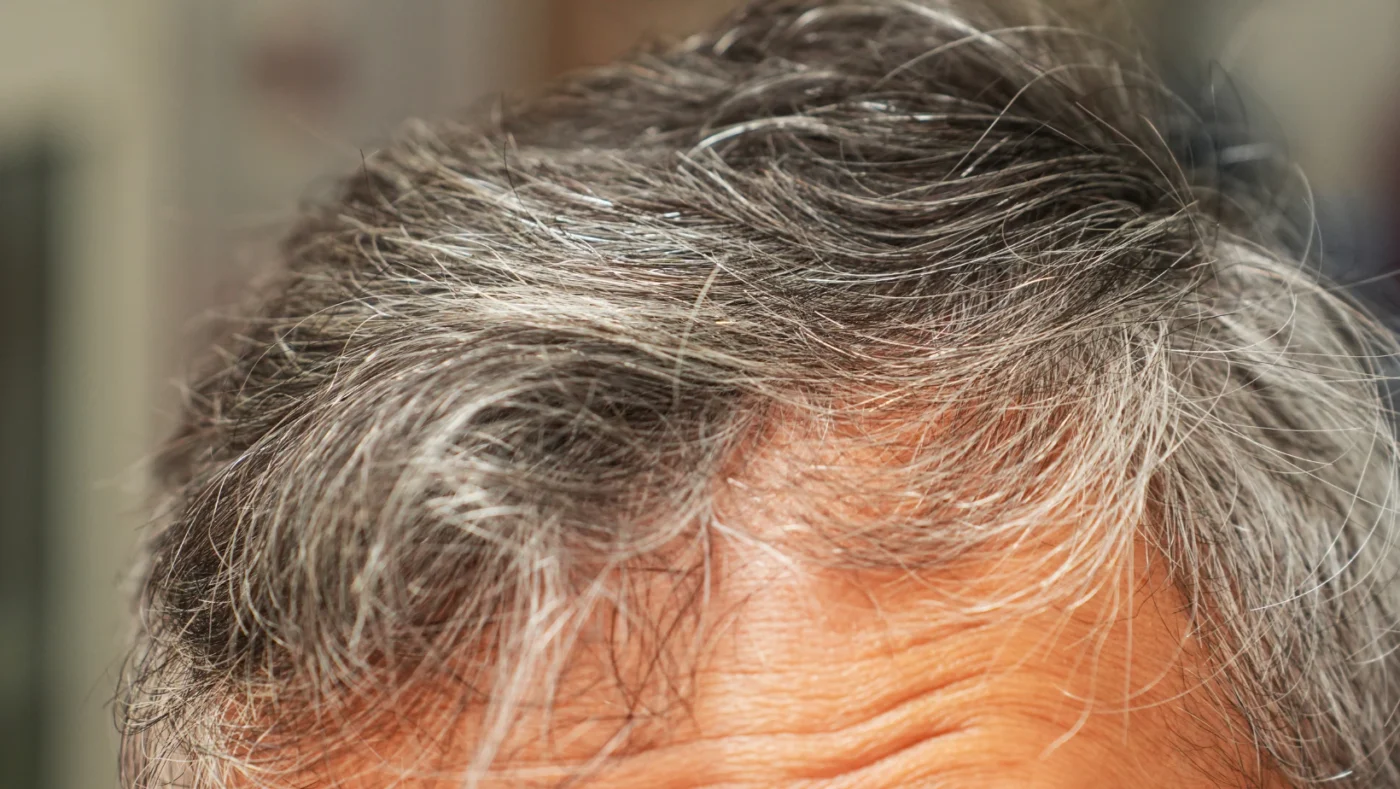

Stress can cause gray hair, and Harvard scientists proved it in 2021 with a mechanism. A study published in Nature by researchers at Harvard Medical School showed that stress depletes melanocyte stem cells in hair follicles, permanently reducing the follicle’s ability to produce pigment. This is not about aging or genetics alone.
Stress accelerates pigment loss through a specific biological pathway involving the sympathetic nervous system and norepinephrine. In the US, early graying affects roughly 23% of adults before age 30, and stress is one of the most underexamined contributors.
For graying that started before age 30, a blood panel for B12, copper, and thyroid function is the most productive first step.
Oxidative Stress and Hair Aging
Oxidative stress and hair aging share a direct biological link that most online sources skip entirely. The hair follicle is one of the most metabolically active structures in the human body. That makes it especially vulnerable to oxidative damage.
Free Radical Damage to Melanocytes
Melanocytes are the cells inside hair follicles that produce melanin, the pigment that gives hair its color. They sit in a specialized region of the follicle called the bulge. Free radicals, unstable molecules produced during stress, directly attack melanocyte DNA. When the DNA damage accumulates faster than repair mechanisms can fix it, melanocytes die. Dead melanocytes do not grow back. The follicle continues producing hair, but without pigment.
Hydrogen peroxide also builds up inside follicles under chronic stress. Hair follicles naturally produce small amounts of hydrogen peroxide, but an enzyme called catalase breaks it down. Stress reduces catalase activity. The result is bleaching from the inside out at the cellular level.
Loss of Melanin Production
Melanin production depends on the enzyme tyrosinase and on melanocyte stem cells that replenish active melanocytes throughout life. Chronic stress floods the follicle with reactive oxygen species, which reduce tyrosinase activity and exhaust the stem cell pool faster than normal aging does. Once the stem cells are depleted, no new melanocytes form. The gray is permanent for that follicle.
Accelerated Aging of Hair Follicles
Stress accelerates a process called follicular senescence, where follicles essentially age faster than the rest of the body. A 2021 Nature study found that norepinephrine (released during stress) caused rapid depletion of melanocyte stem cells within days of acute stress exposure in mouse models.
The human parallel was confirmed through retrospective analysis of stress-related hair samples. Follicles aged by stress behave like follicles 10 to 15 years older than their chronological age.
Sudden Gray Hair After Stress
Sudden gray hair after stress mechanism is different from gradual graying. It does not happen overnight in the way folklore suggests. The actual process takes weeks, but it appears sudden.
Stress-Triggered Hair Shedding: Telogen Effluvium
Intense psychological stress pushes large numbers of hair follicles into the telogen (resting) phase simultaneously. This condition is called telogen effluvium. Normally, only 10 to 15% of follicles rest at any given time. During severe stress, up to 50% can shift to telogen at once. These hairs shed 2 to 3 months after the stressful event, which is why the connection to the original stress is often missed.
Regrowth with Reduced Pigmentation
When shed hairs regrow after telogen effluvium, the new strands grow from follicles that lost melanocyte stem cells during the stress period. The regrown hair lacks full pigmentation. This creates the impression of sudden graying. The hair that grew before the stress was colored. The hair that grew after it is not.
Increased Visibility of Gray Hair
Before telogen effluvium, colored hairs made up the majority of what was visible. After mass shedding, the proportion of gray hairs in the remaining and regrowing strands becomes visually dominant. Sudden gray hair after stress is therefore a combined effect of melanocyte depletion and selective shedding of pigmented hairs.
Other Causes of Gray Hair
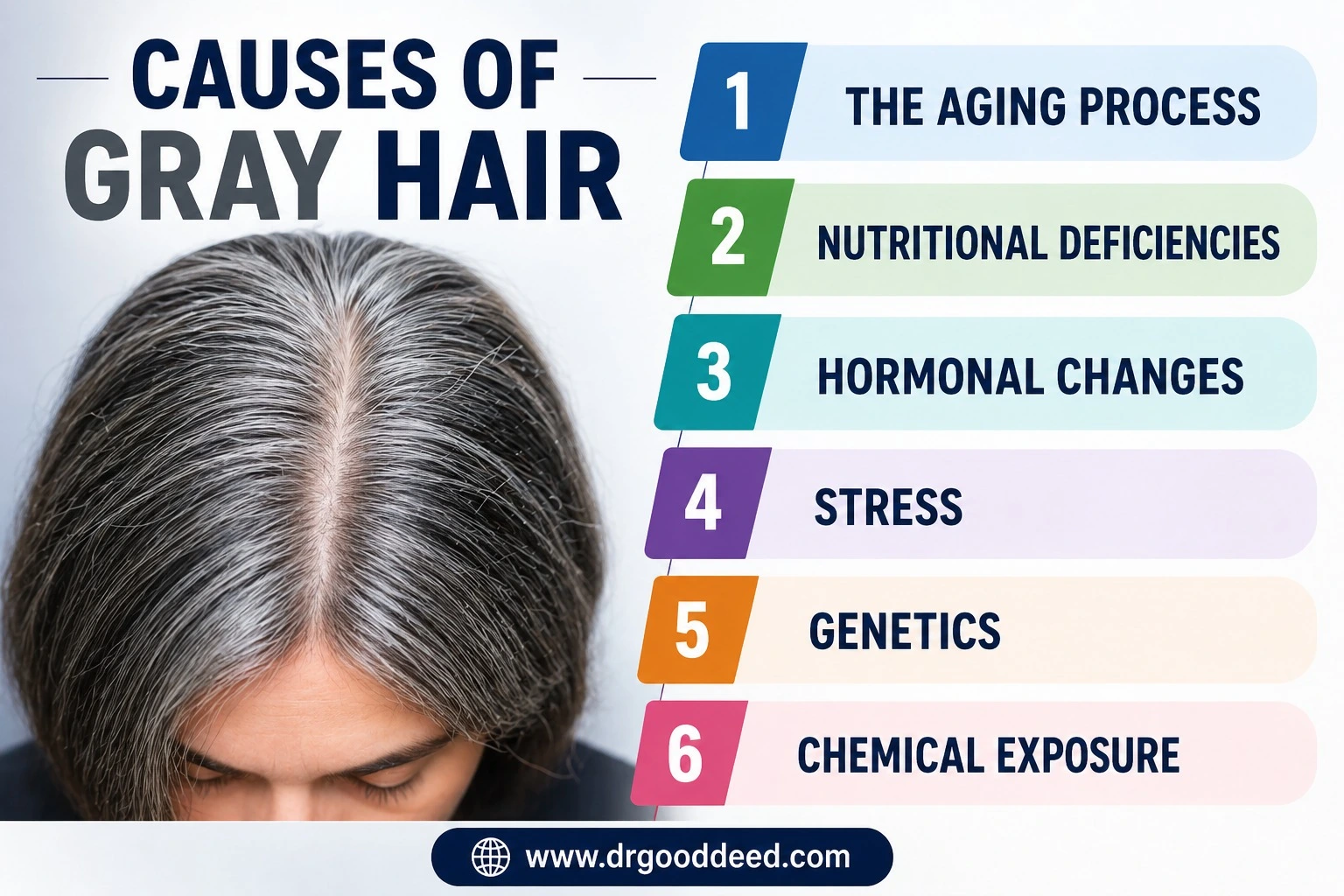
Stress can cause gray hair on its own, but it rarely acts alone. Other factors interact with stress to speed up or slow down the process.
Genetics: The Primary Factor
The age at which graying starts is 70 to 80% determined by genetics, according to research published in Nature Communications in 2016. The IRF4 gene controls melanin production rates and is the strongest genetic predictor of graying speed. If both parents grayed early, the likelihood of early graying increases substantially regardless of stress levels.
The Aging Process
Melanocyte stem cell reserves naturally decline with age. By age 50, around 50% of people have significant gray coverage regardless of stress or lifestyle. Stress accelerates this depletion but does not create it from nothing.
Nutritional Deficiencies
Deficiencies in vitamin B12, folate, iron, copper, and selenium all impair melanin synthesis and melanocyte health. These deficiencies are measurable through blood tests and are reversible causes of premature graying.
Hormonal Changes
Thyroid disorders, particularly hypothyroidism, reduce melanin production. Estrogen decline during menopause accelerates oxidative stress in hair follicles. Both are documented contributors to premature graying in US women.
Nutrients for Healthy Hair Pigmentation
Nutrients for healthy hair pigmentation are specific, not generic. Eating “healthy” is not enough. The follicle needs precise micronutrients to sustain melanin production.
Vitamin B12 and Folate
Vitamin B12 deficiency is one of the most common reversible causes of premature graying. B12 supports the production of S-adenosylmethionine (SAM), which is required for melanin synthesis.
A study in the International Journal of Trichology found that 27% of premature graying patients had measurable B12 deficiency. Folate works alongside B12 in DNA repair pathways that protect melanocyte DNA from oxidative damage.
Dietary sources: salmon, beef liver, eggs, fortified cereals, lentils, and spinach.
Iron and Copper
Iron deficiency impairs ferritin storage, which hair follicles depend on during the growth phase. Low ferritin accelerates follicular aging. Copper is a direct cofactor for tyrosinase, the enzyme that converts tyrosine into melanin. Without adequate copper, melanin production slows even when melanocytes are present and healthy.
Dietary sources of copper: shellfish (especially oysters), dark chocolate, cashews, and sunflower seeds.
Antioxidants: Vitamins C and E
Vitamin C neutralizes hydrogen peroxide in the follicle and regenerates vitamin E after it absorbs free radical damage. Together, they form the primary antioxidant defense for melanocytes.
Nutrients for healthy hair pigmentation must include both; neither works as effectively alone. A 2020 review in Antioxidants confirmed that low antioxidant status correlated with higher rates of premature graying across multiple population studies.
How Stress Impacts Hair Health Overall
Stress turns hair gray in isolation, but it also affects hair structure and growth.
Hair Thinning and Shedding
Cortisol inhibits hair follicle stem cell activity and reduces insulin-like growth factor 1 (IGF-1), which the follicle needs to stay in the anagen (growth) phase. The result is thinner, shorter hair with each successive growth cycle.
Reduced Hair Growth Cycle
The normal anagen phase lasts 2 to 6 years. Under chronic stress, it shortens to 1 to 2 years. Shorter anagen means shorter hair growth and faster transition to shedding. This compounds the graying effect because the follicle also produces less melanin per strand during a shortened cycle.
Weakening of Hair Structure
Cortisol reduces the follicle’s production of collagen and keratin precursors. Hair becomes more brittle. Breakage increases. The structural changes from stress are separate from graying but happen at the same time, which is why stressed individuals often notice both simultaneously.
How to Prevent Gray Hair From Stress
Preventing gray hair from stress requires addressing the three root causes: oxidative damage, melanocyte stem cell depletion, and nutritional deficiency.
Managing Stress Levels Effectively
Cortisol reduction is the priority. Chronic cortisol elevation drives the sympathetic nervous system activity that depletes melanocyte stem cells. MBSR (Mindfulness-Based Stress Reduction) reduces cortisol measurably within 4 weeks of consistent practice. 30 minutes of aerobic exercise 5 days per week lowers baseline cortisol by 15 to 20% over 6 weeks.
Balanced Diet with Key Nutrients
Build meals around B12, folate, copper, iron, and antioxidants. A daily diet including eggs or fish (B12), lentils (folate and iron), cashews (copper), and citrus or berries (vitamin C) covers the main deficiencies linked to premature graying.
Adequate Sleep and Recovery
Melatonin, produced during sleep, is one of the most potent antioxidants for hair follicles. It directly scavenges the free radicals that damage melanocytes. Sleeping less than 6 hours per night reduces melatonin output and raises cortisol, both of which accelerate graying. 7 to 9 hours of sleep is the target.
Avoiding Smoking and Oxidative Damage
Smokers gray up to 2.5 times faster than non-smokers, per a study in the Indian Dermatology Online Journal. Cigarette smoke generates massive amounts of free radicals that overwhelm follicular antioxidant defenses. UV exposure without protection also accelerates melanocyte oxidative damage. Wearing hats or using UV-protective hair products reduces this exposure.
FAQs
Can stress cause gray hair?
Yes. Stress releases norepinephrine, which rapidly depletes melanocyte stem cells in hair follicles. A 2021 Harvard Nature study confirmed this mechanism in detail. Once these stem cells are depleted, the follicle permanently loses its ability to produce pigment, and gray hair grows in their place.
Does stress turn hair gray instantly?
No. The process takes 2 to 3 months. Stress triggers telogen effluvium, causing pigmented hairs to shed. When they regrow from melanocyte-depleted follicles, the new strands lack pigment. The change appears sudden but takes weeks to become visible.
Can sudden gray hair after stress happen?
Yes. Sudden gray hair after stress occurs because mass shedding from telogen effluvium removes pigmented hairs simultaneously. The regrowth from stressed follicles is gray or white. The shift can seem to happen within a single month, even though the underlying follicle damage accumulated over the preceding stress period.
How to prevent gray hair from stress?
Reduce cortisol through 30 minutes of daily exercise and consistent sleep of 7 to 9 hours. Fix nutritional deficiencies in B12, copper, and folate through diet or supplementation after blood testing confirms deficiency. These steps address all three biological pathways that connect stress to graying.
Can gray hair be reversed after stress?
Sometimes. If graying occurred due to telogen effluvium and the follicle’s melanocyte stem cells are not fully depleted, pigment can return after stress reduction and nutritional correction. A 2021 eLife study documented 10 cases where gray hairs regained color following significant lifestyle stress reduction. Full depletion produces permanent gray.
Why do some people gray faster than others?
Genetics controls 70 to 80% of graying speed through genes like IRF4. Beyond genetics, smoking (2.5x faster graying), B12 deficiency, thyroid disorders, and high chronic stress all independently accelerate the process. People with lower baseline antioxidant capacity gray faster under the same stress load.
Does stress cause hair loss and greying together?
Yes. Both result from the same cortisol-driven mechanism. Cortisol suppresses IGF-1 (needed for follicle growth), triggers telogen effluvium (mass shedding), and depletes melanocyte stem cells simultaneously. This is why hair loss and graying appear together during or after periods of intense stress.
When should I see a doctor for early gray hair?
See a doctor if gray hair appears before age 20 in White individuals, before 25 in Black individuals, or before 30 in Asian individuals, which are the clinical benchmarks for premature canities. Request blood tests for B12, folate, ferritin, thyroid function, and copper. These cover the most common and reversible medical causes.